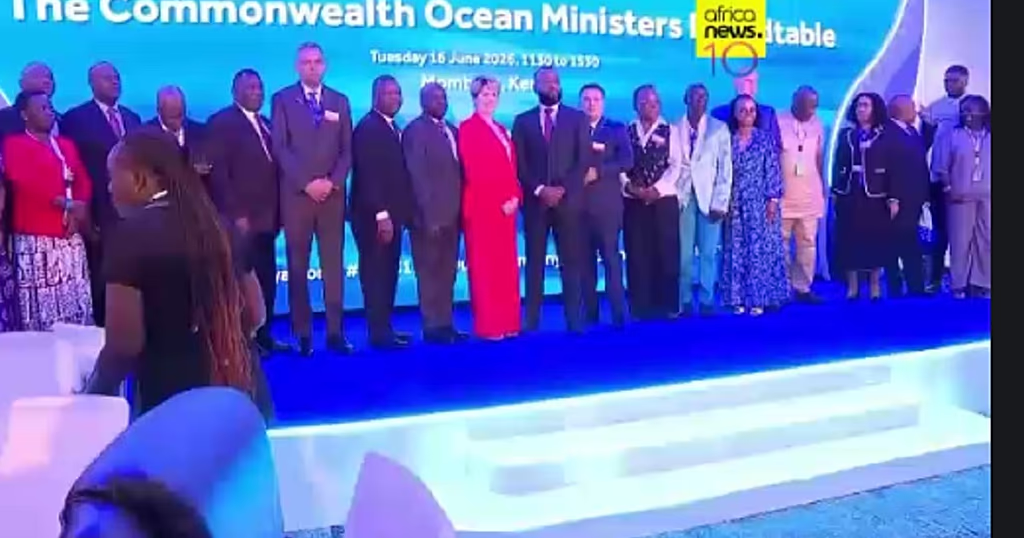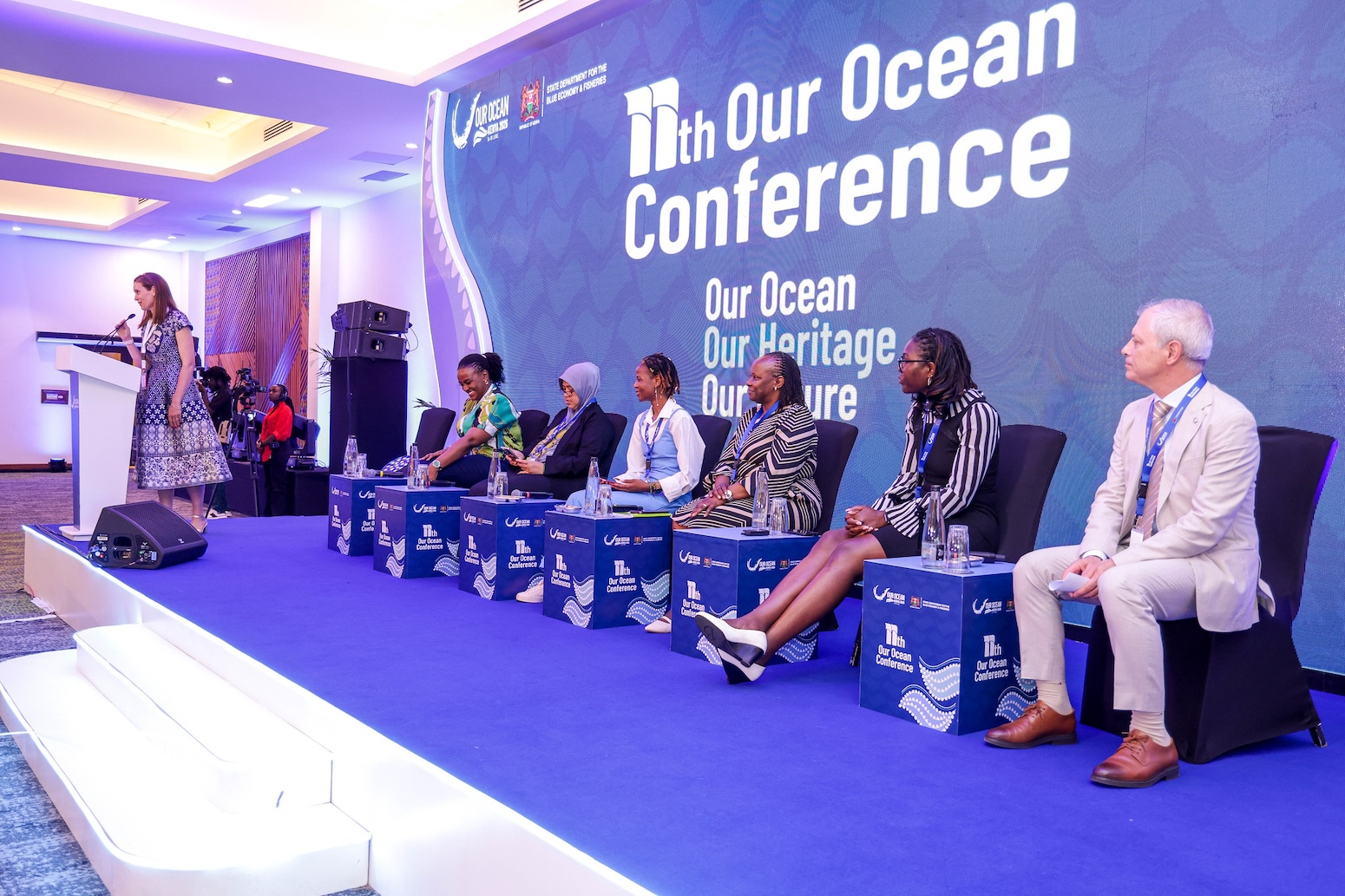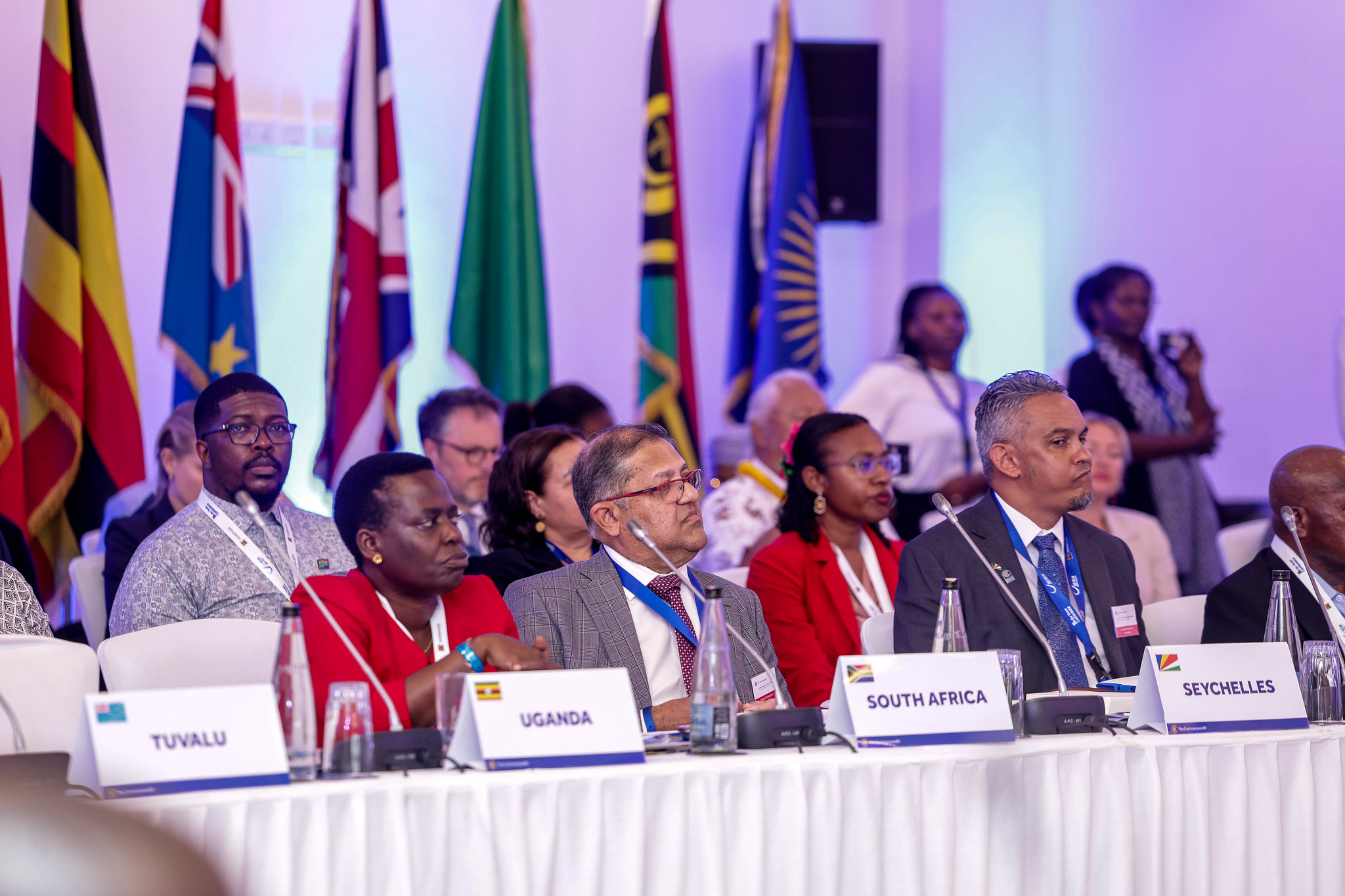
Governments at the annual oceans summit reaffirmed commitments to protect key marine ecosystems including the high seas and coral reefs, but observers said funding barriers and polluting projects are hampering progress on putting them into practice.At the Our Ocean Conference in Kenya's coastal city of Mombasa this week, some 3,000 delegates - including government officials, scientists, business representatives and activists - gathered to discuss ocean protection and push for marine issues to move from the margins to the centre of global climate diplomacy. Campaigners said the overall picture was positive. Oceans are gaining more visibility in international climate discussions: from blue carbon ecosystems such as mangroves, to coastal adaptation, marine biodiversity, ocean finance and the High Seas Treaty. In this year's preliminary conference report, the secretariat listed 320 existing ocean commitments worth $6.4 billion, with about $1.1 billion destined to address the climate crisis. Many of these pledges were already announced before the conference.But as momentum builds ahead of the COP31 climate summit in Türkiye, John Kerry, former US climate envoy and founder of the Our Ocean Conference, warned that the conversations and commitments on ocean protection will mean little if implementation continues to lag behind action.
Mombasa ocean summit drives marine protection worth $6.4 billion
At the 11th Our Ocean conference in Kenya, governments reaffirmed marine protection pledges worth $6.4 billion, yet observers say funding barriers persist
TL;DRAI
Mombasa summit finalizes $6.4 billion in marine protection commitments ($1.1B for climate action). But Kerry warns: without concrete implementation, pledges remain empty statements—the same risk facing tech leaders on ESG commitments.
197 words~1 min read