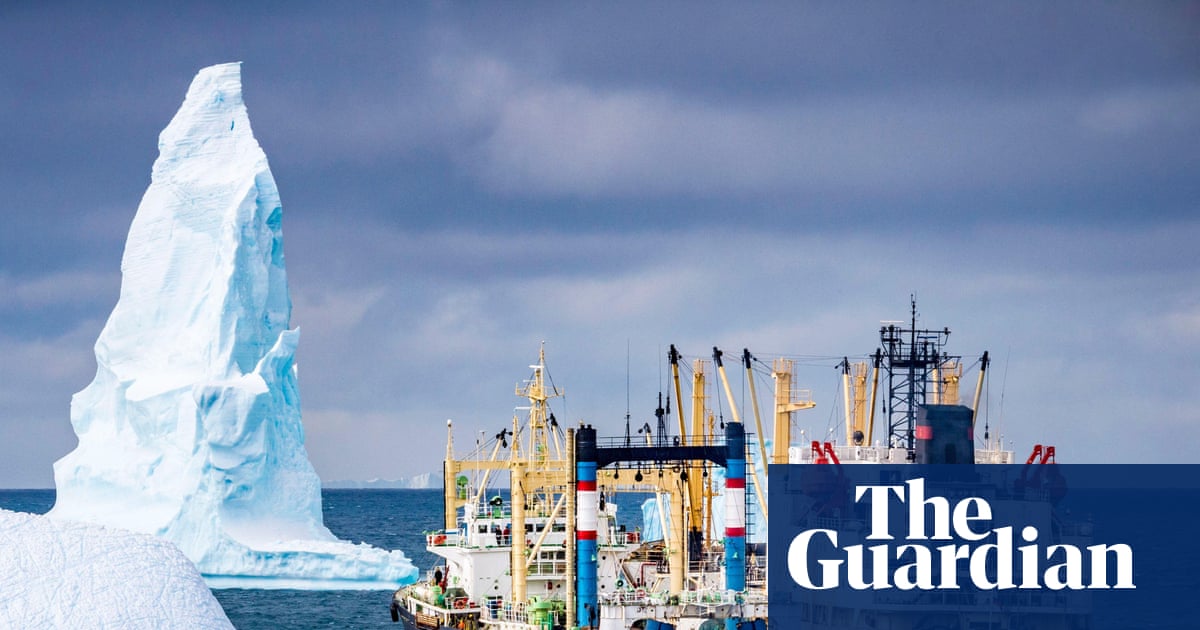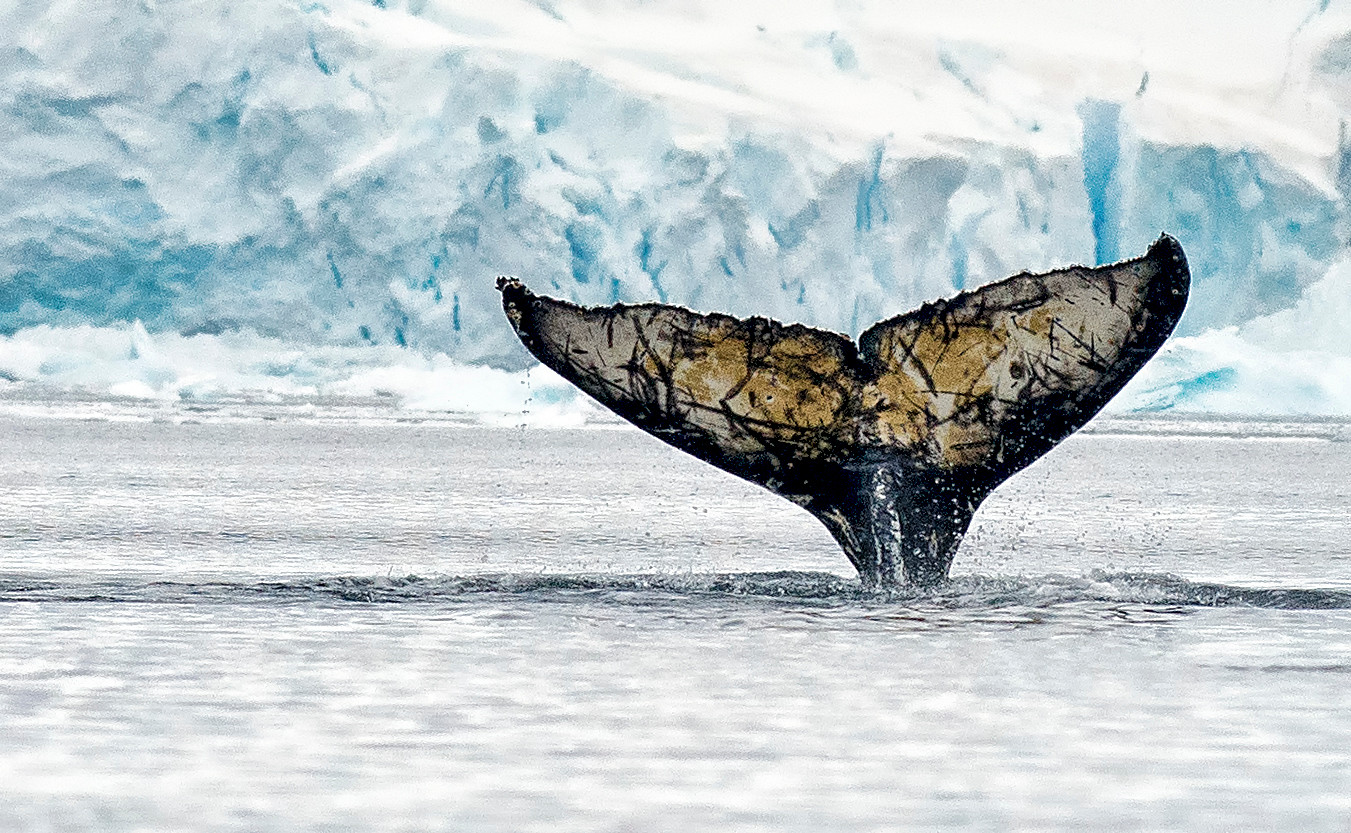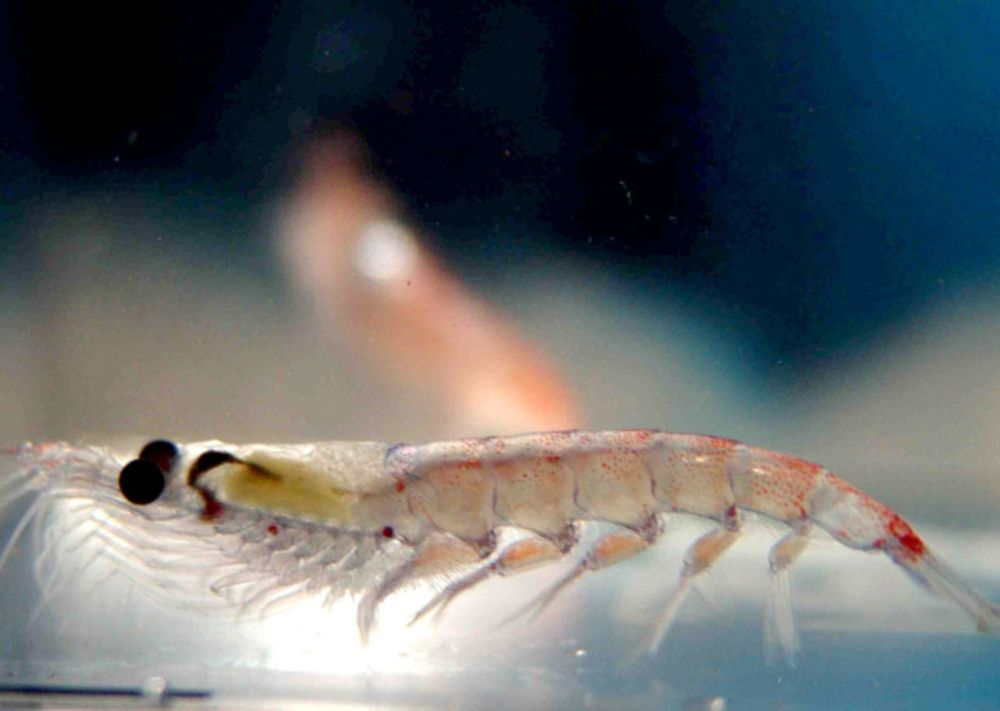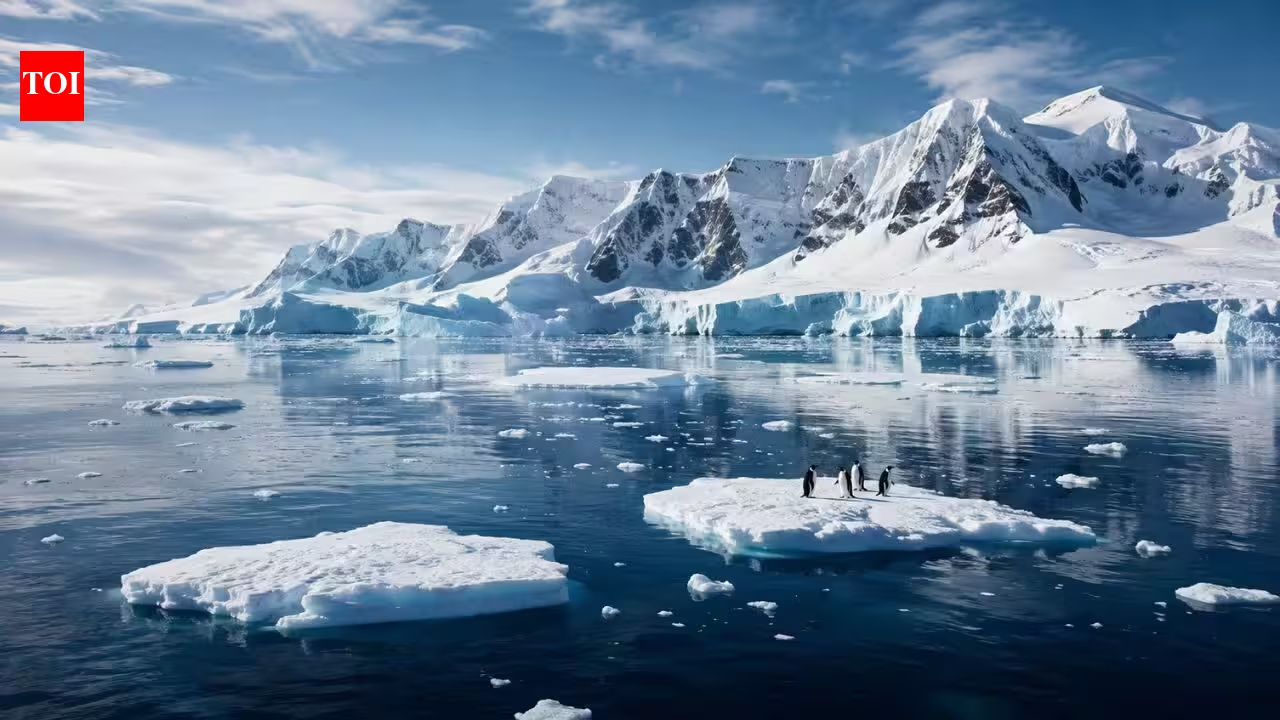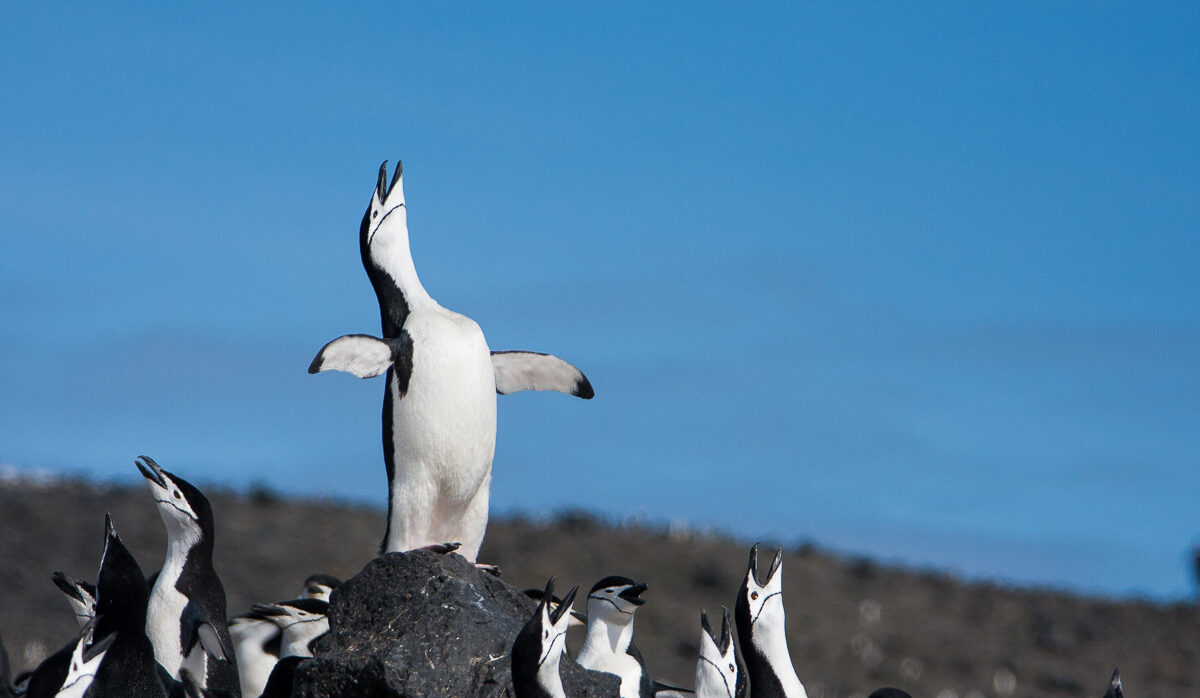
The wildlife-rich Southern Ocean is not simply another stretch of water in need of protection: just one part of it — the Antarctic Peninsula — is home to roughly a third of the global krill population, which sustains large populations of whales, penguins, seals, seabirds, fish and more.The Commission for the Conservation of Antarctic Marine Living Resources (CCAMLR) is responsible for governing these waters, and the U.K. is set to chair its pivotal 45th annual meeting this year.This is an opportunity to act on Southern Ocean conservation, a new op-ed by former U.K. environment minister Zac Goldsmith argues, but that’s not all: “It would also send a powerful signal, at a time when multilateralism is under strain, that countries can still come together around shared values and act for the global good,” he writes.This article is a commentary. The views expressed are those of the author, not necessarily of Mongabay.
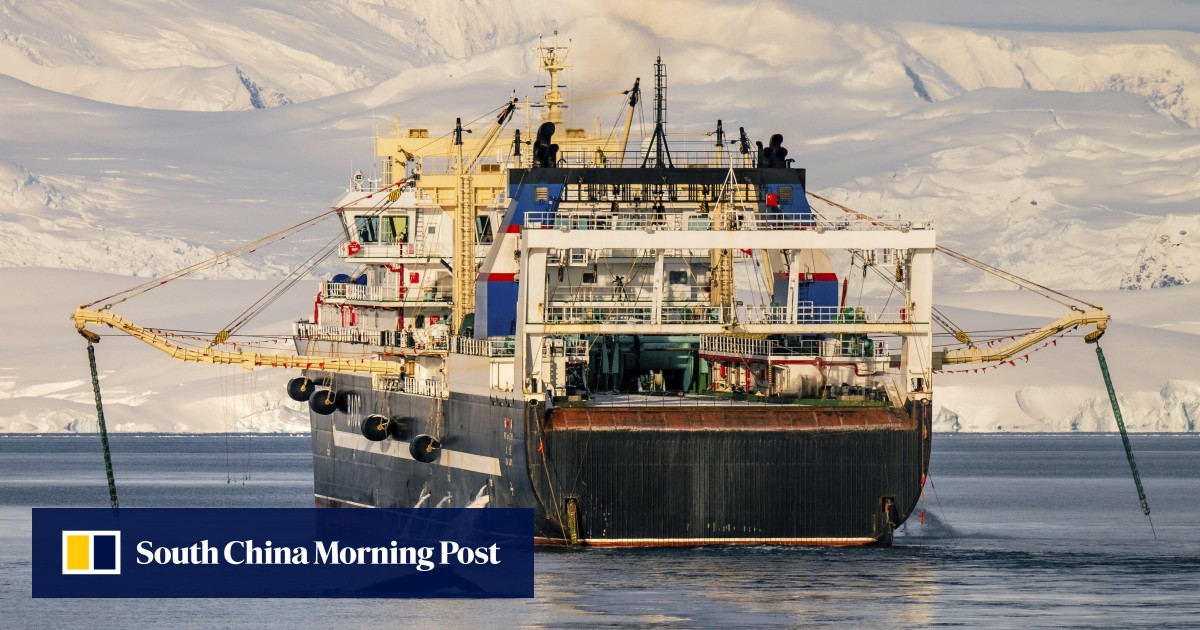
One of the most striking images in David Attenborough’s Ocean, his defining 2025 documentary, is of supertrawlers dragging vast krill nets through a pod of feeding humpback whales off Antarctica. For most viewers, it will have been the moment a distant and invisible crisis became viscerally real. But it was also something else: a glimpse of what is at stake if we fail to act, and a reminder of how little time we have left to protect some of our planet’s most precious resources.