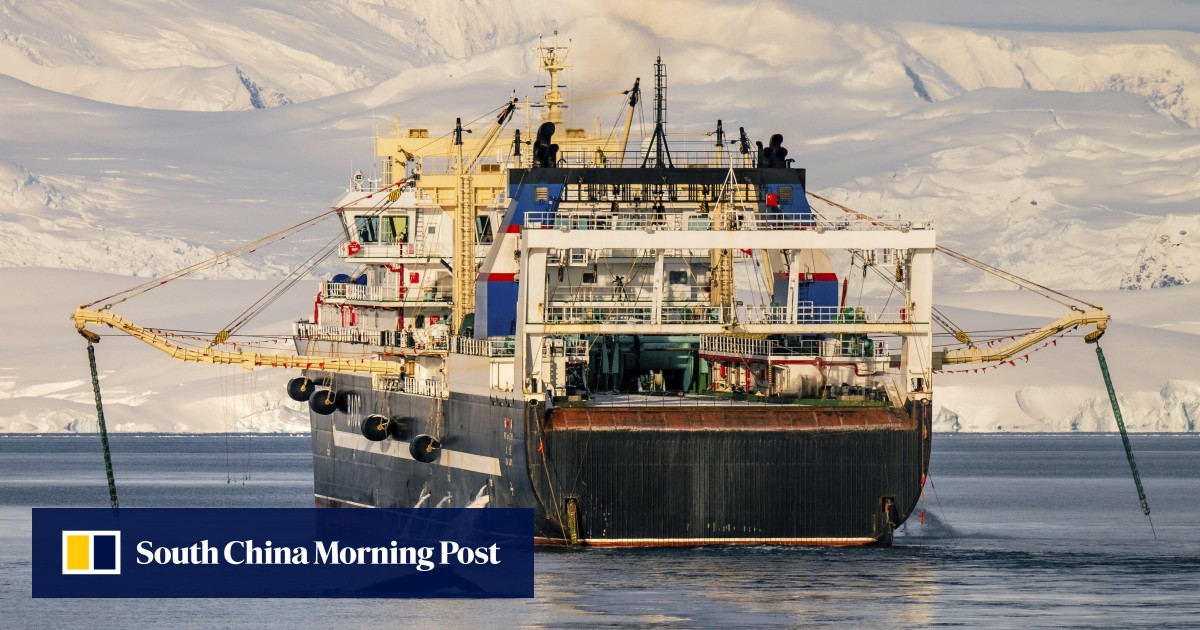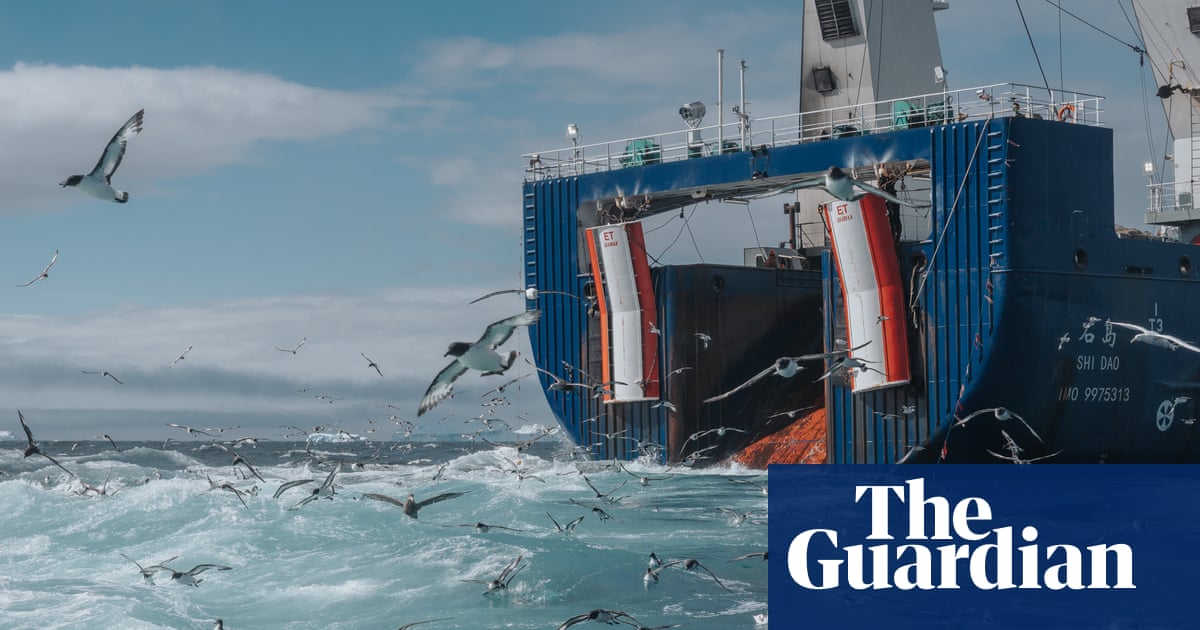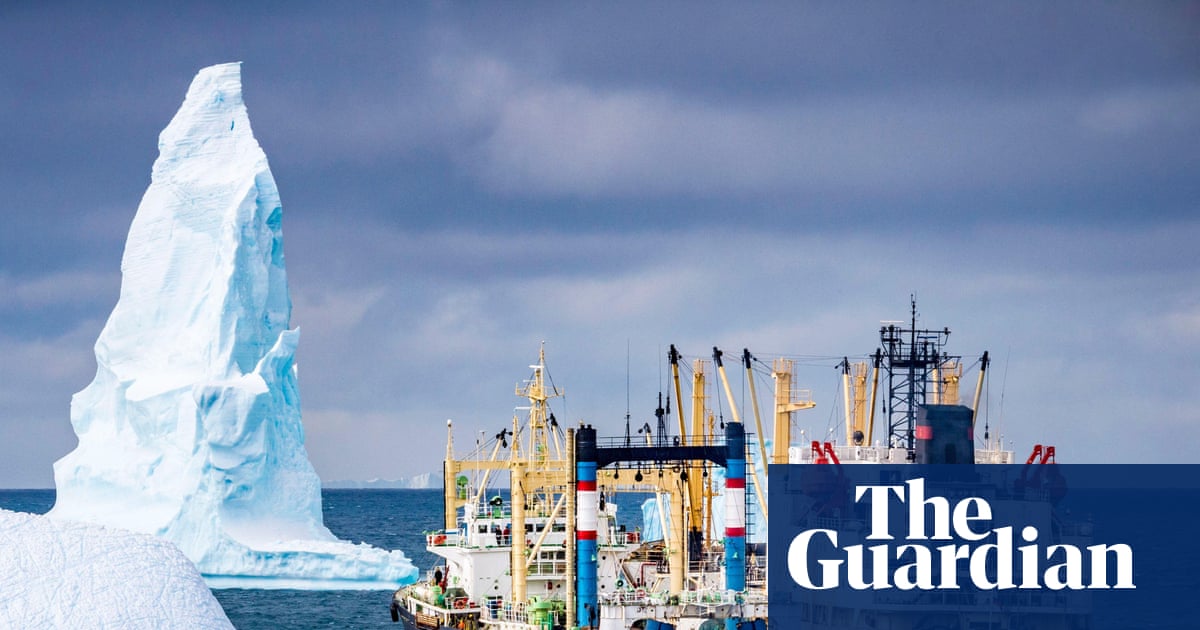
Huge industrial trawlers are competing for krill – the main food source for whales – in the Southern Ocean, removing vital nutrients from the ecosystem
Don’t get Down to Earth delivered to your inbox? Sign up here
In Antarctica, one of our planet’s last great wildernesses, a remarkable comeback is taking place.
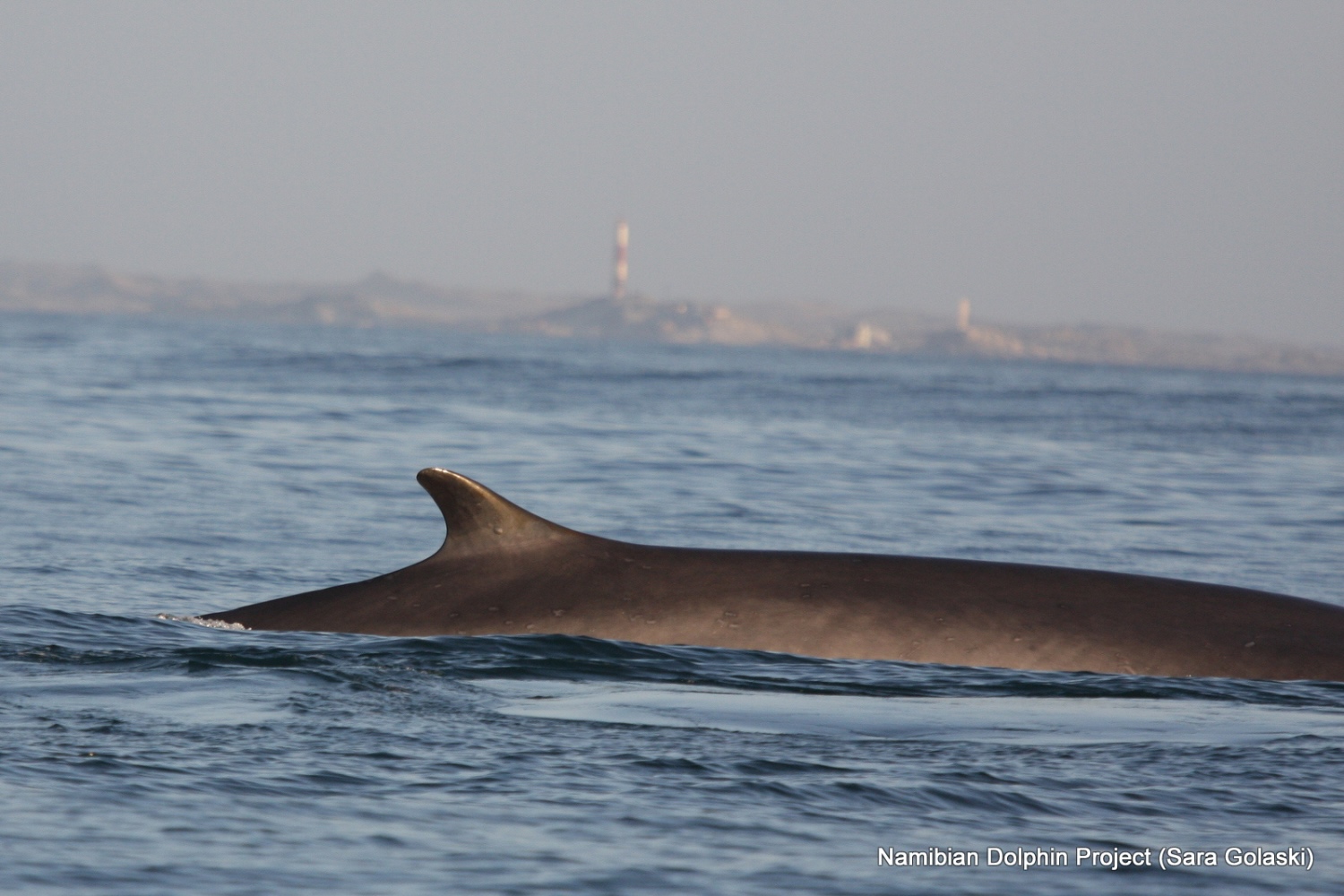
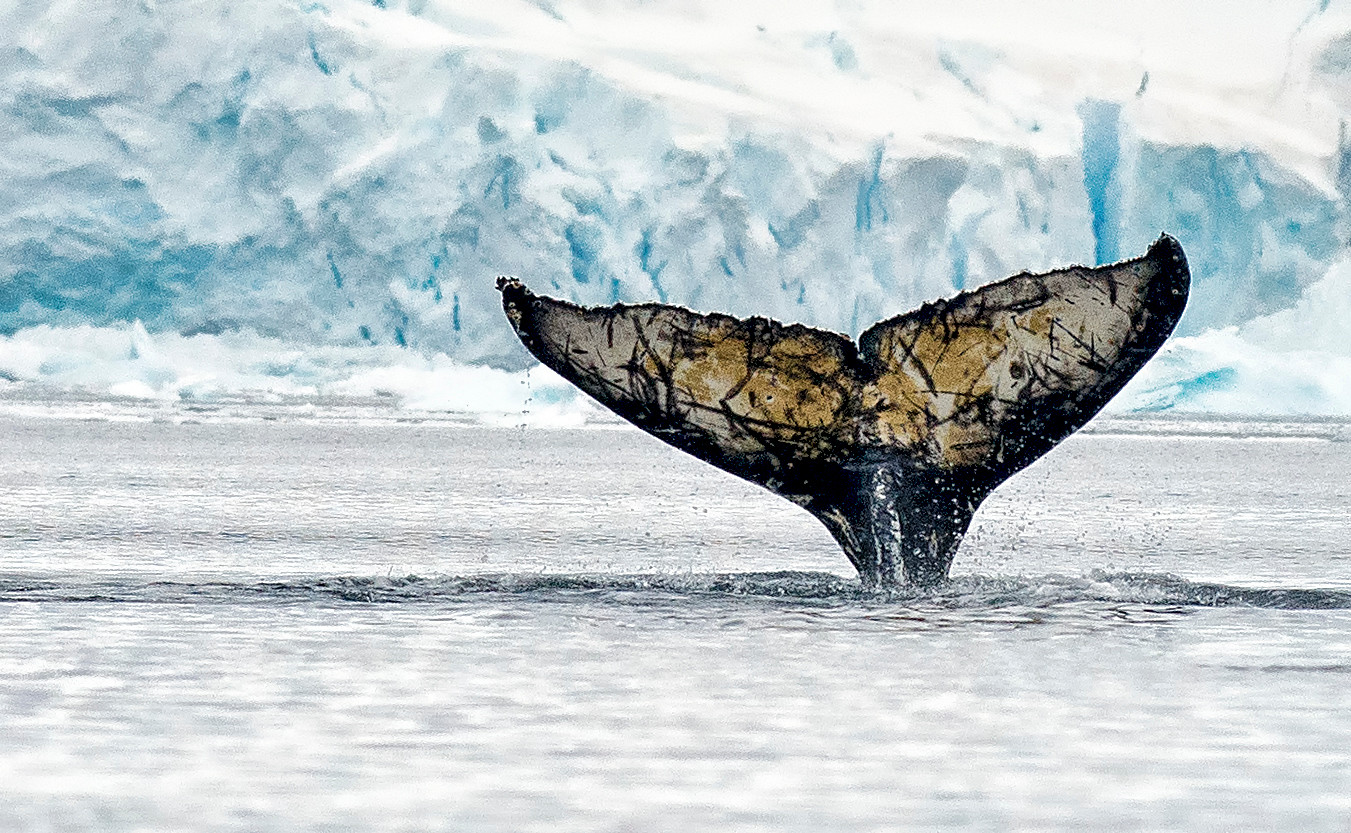
In the very same waters of the Southern Ocean where whalers slaughtered more than 2 million whales during the 20th century, pushing a number of species to the brink of extinction, populations are recovering. Humpback whales have been the fastest to bounce back since commercial whaling was banned in 1986, and populations are nearly at pre-whaling levels. Blue whales, the world’s largest animal, have been slower.
Last week, I spoke to two independent researchers undertaking a scientific survey near the South Orkney islands. They recorded seeing multiple groups of more than 100 whales, in “remarkable and breathtaking scenes” reminiscent of those described by the first polar explorers. But in the very midst of this comeback a new threat has emerged that is once more pitting whales against humans: industrial trawlers fishing alongside whales for Antarctic krill – the foundation of the Antarctic ecosystem and the main food source for most large Antarctic species.