Russia’s arrest of a Ukrainian scientist this week over his support for curbs on krill fishing have thrown the vital role of the tiny marine species into the spotlight
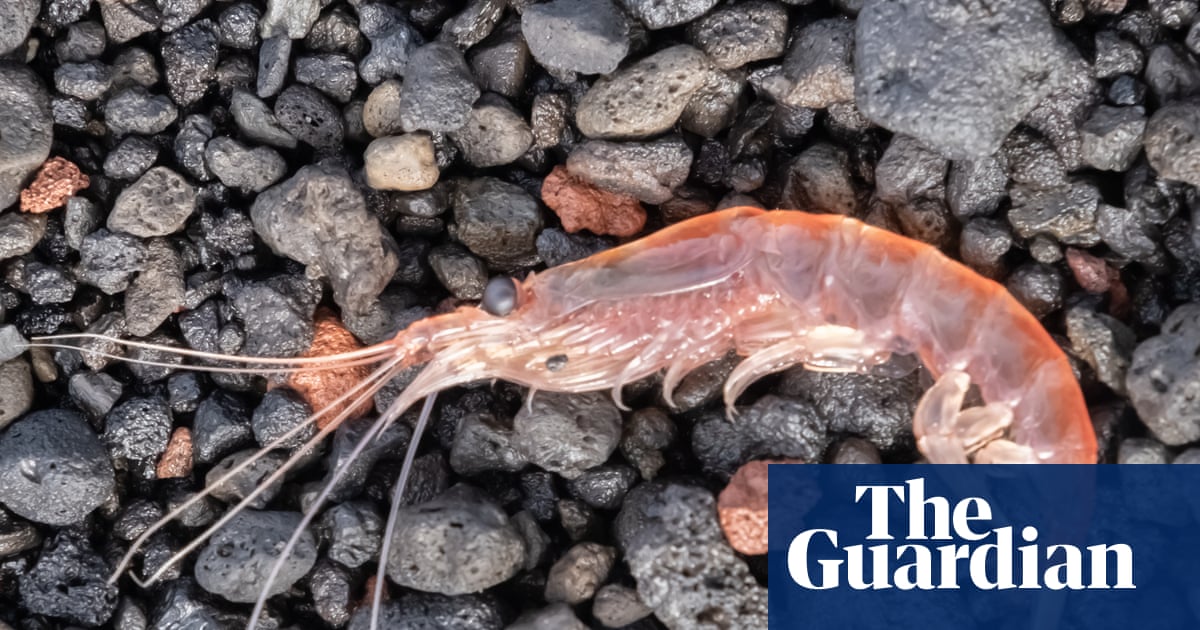
Antarctic krill are small, shrimp-like marine crustaceans (Euphausia superba). They feed on plankton and are the main food source for larger marine animals. The word “krill” comes from the Norwegian word “kril” meaning the small fry of fish.
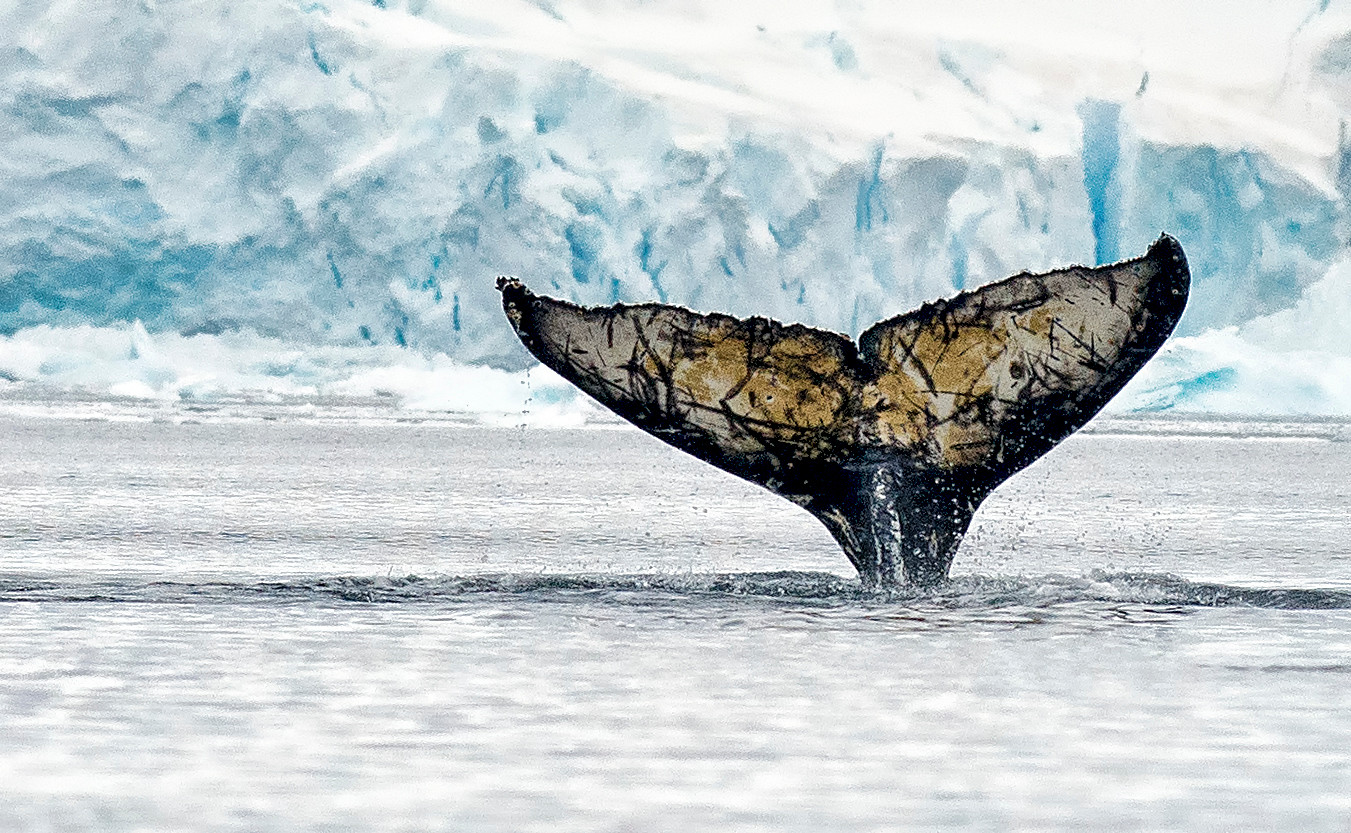
In the Antarctic, they are the key species upon which the entire Southern Ocean ecosystem relies. Although only the size of a paperclip, penguins, whales and seals all rely them as their primary food source. They also play a crucial role in regulating the climate by storing carbon. One study found krill can remove up to 12bn tonnes of carbon a year from the atmosphere
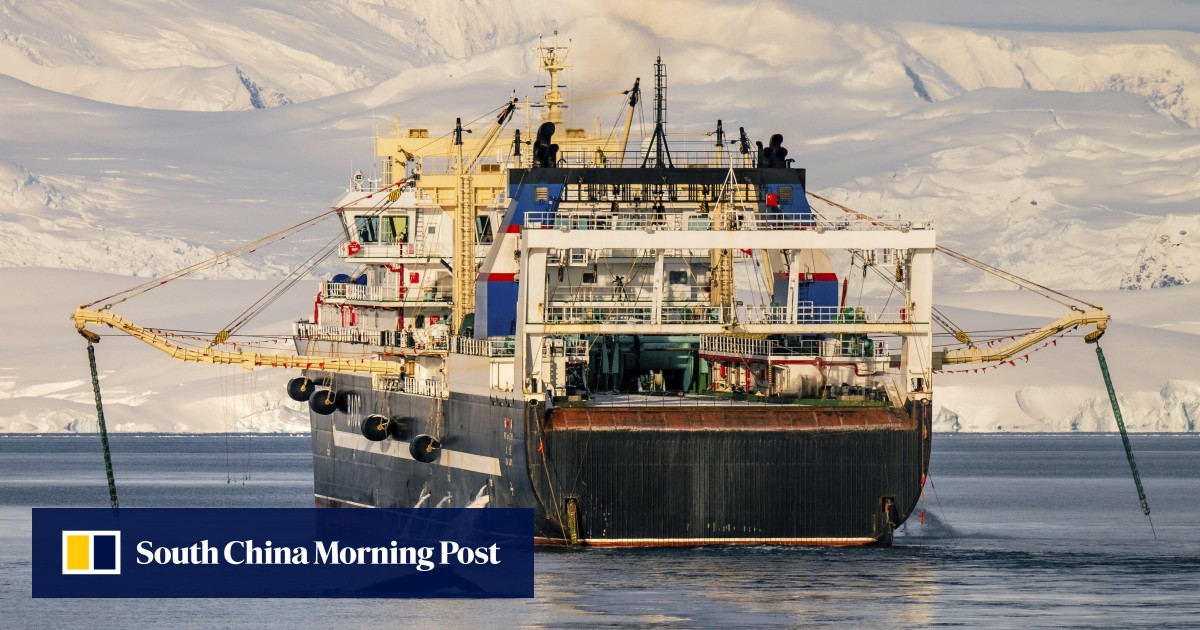
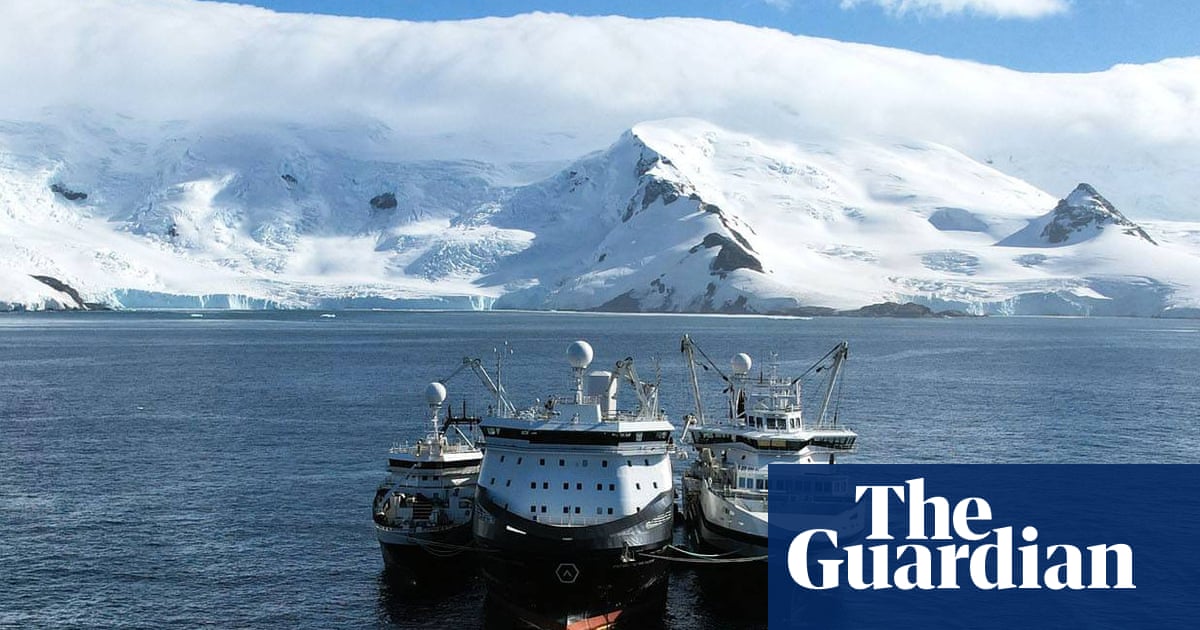
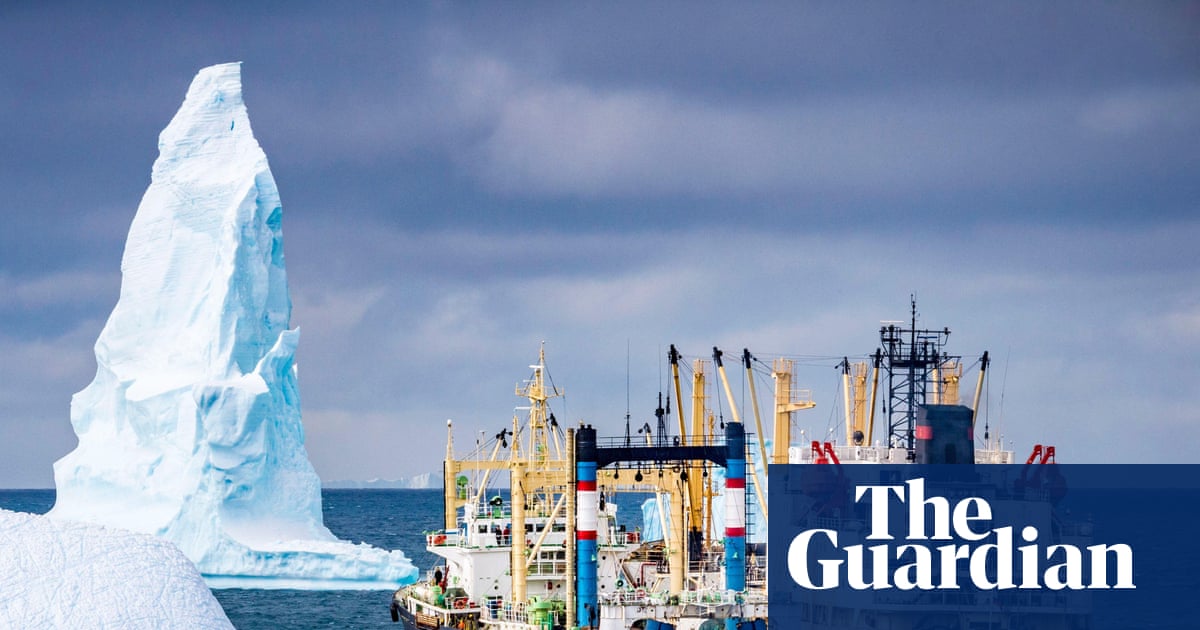
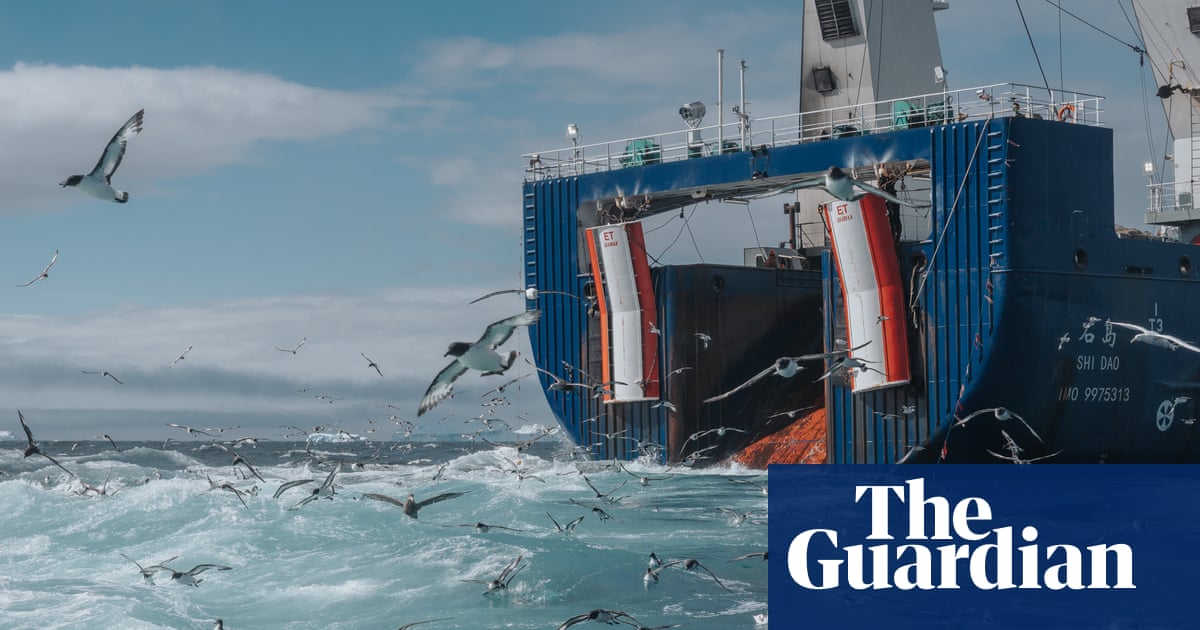
They are fished in vast quantities by industrial trawlers across the Southern Ocean and turned into food for pets and farmed fish, as well as omega-3 dietary supplements.
Last year, about 500,000 tonnes of krill were trawled in the Antarctic. Norway took 67.2% of the total krill catch in 2023; followed by China, at 17.1%; South Korea, with 8.4%; Chile, with 4.4%; and Ukraine taking 2.8%.