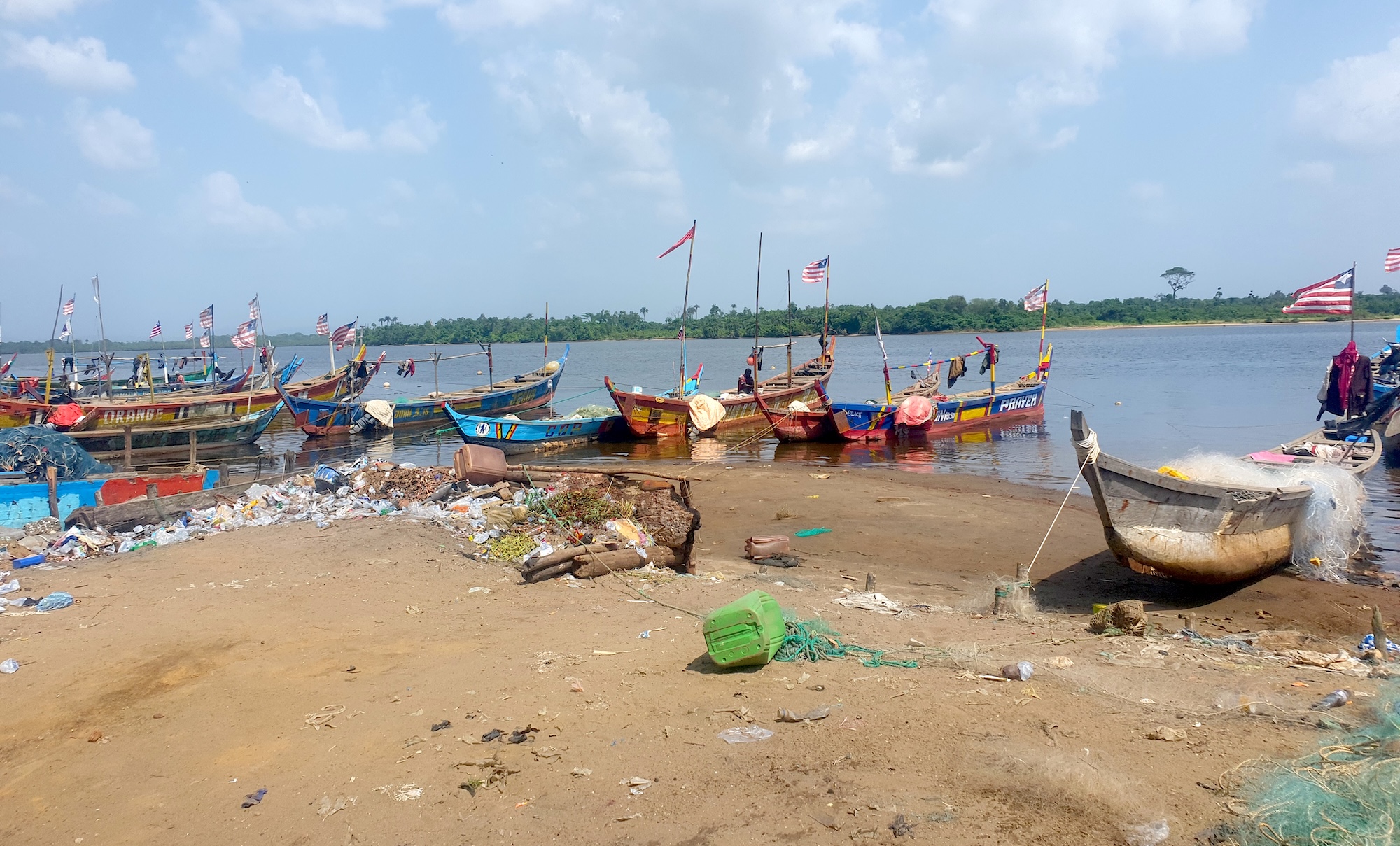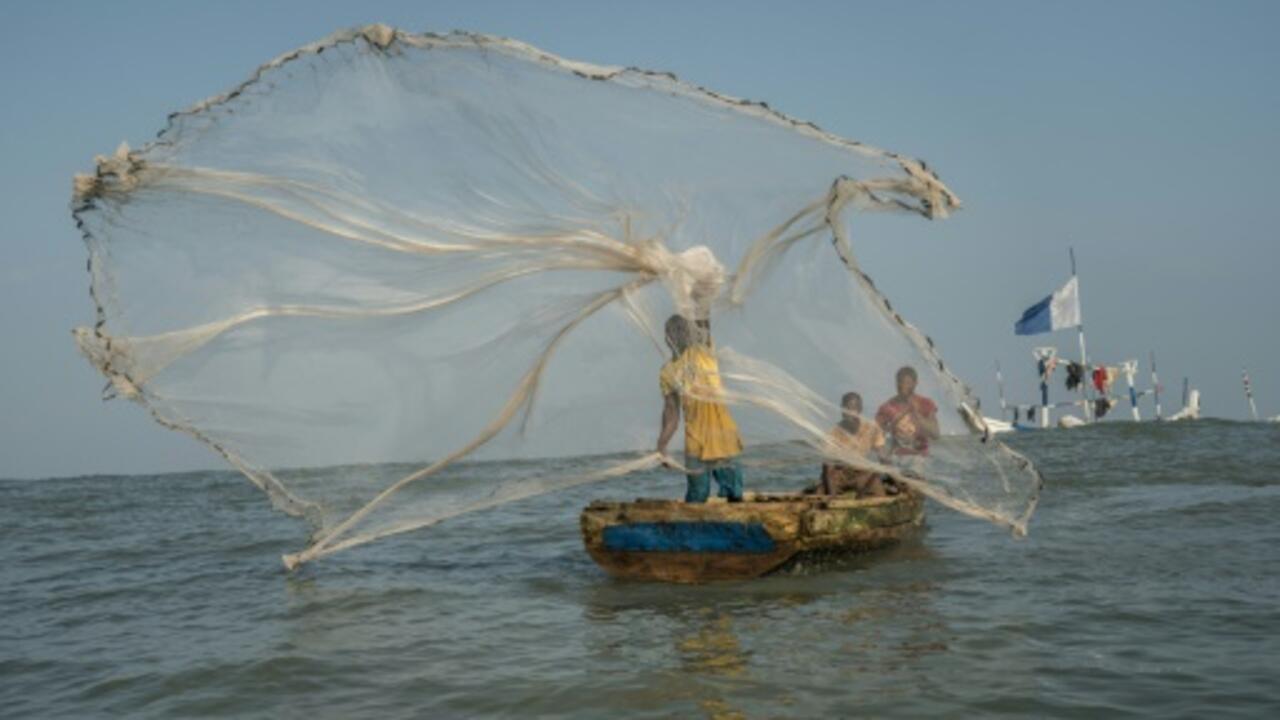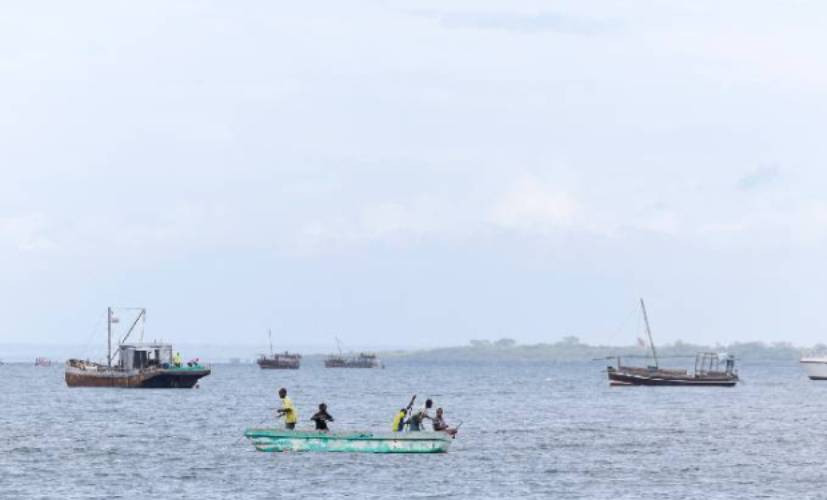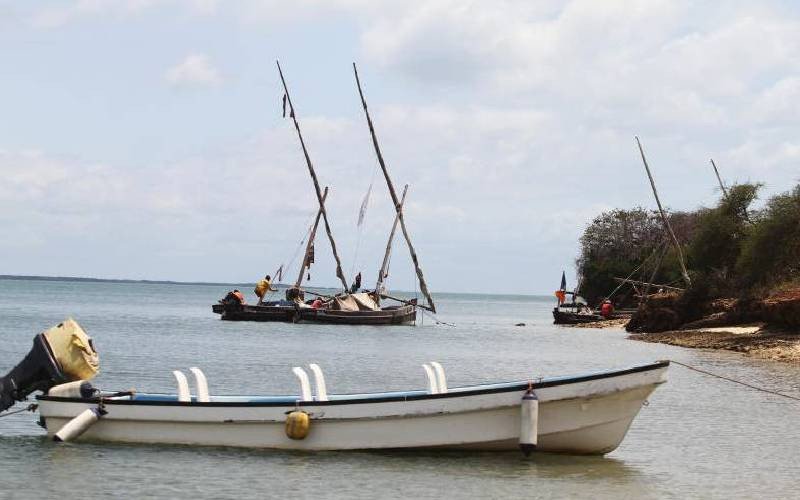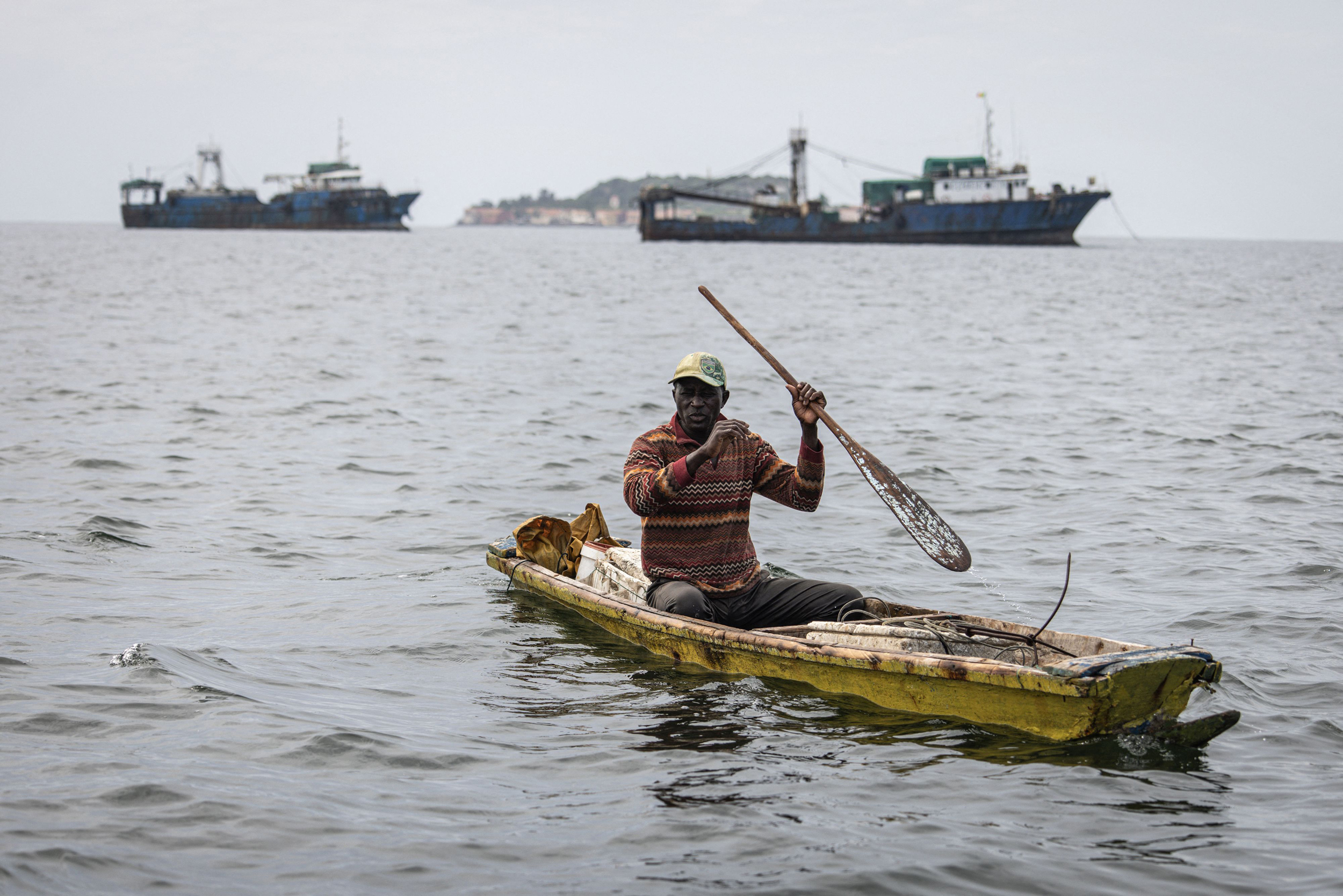
Mamadou Sarr remembers when an artisanal fisherman in Dakar only had to helm his wooden pirogue a single kilometer offshore to find a rich bounty of sardines and cuttlefish. For generations, Senegal’s near shore was the staging ground for a noble trade passed down from father to son.
Today, as a result of industrial overfishing by foreign fleets and the effects of climate change, local fishermen must brave an often dangerous journey almost 100 kilometers into the Atlantic to find the same seafood their communities have depended on for generations.
“The resource is depleting,” said Sarr, president of the Platform of Artisanal Fishing Stakeholders in Senegal, a group that represents more than 50 fishing communities from Saint-Louis down to Cap Skirring. “With the scarcity, the fishermen who aren’t very aware become poor.”
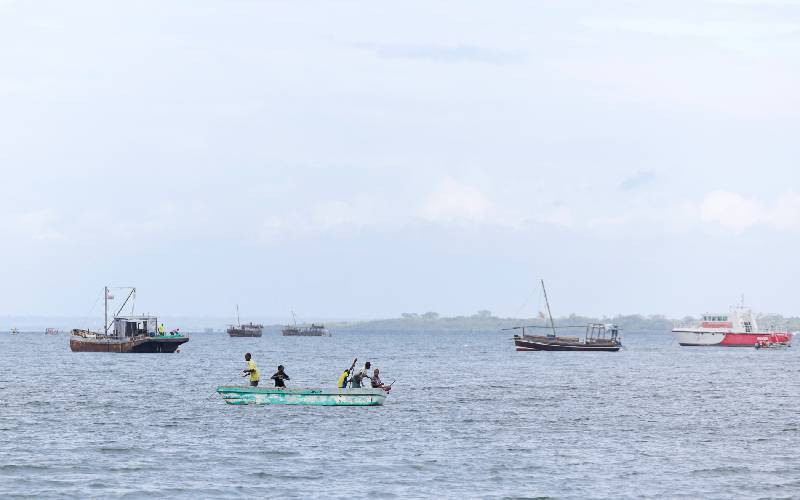
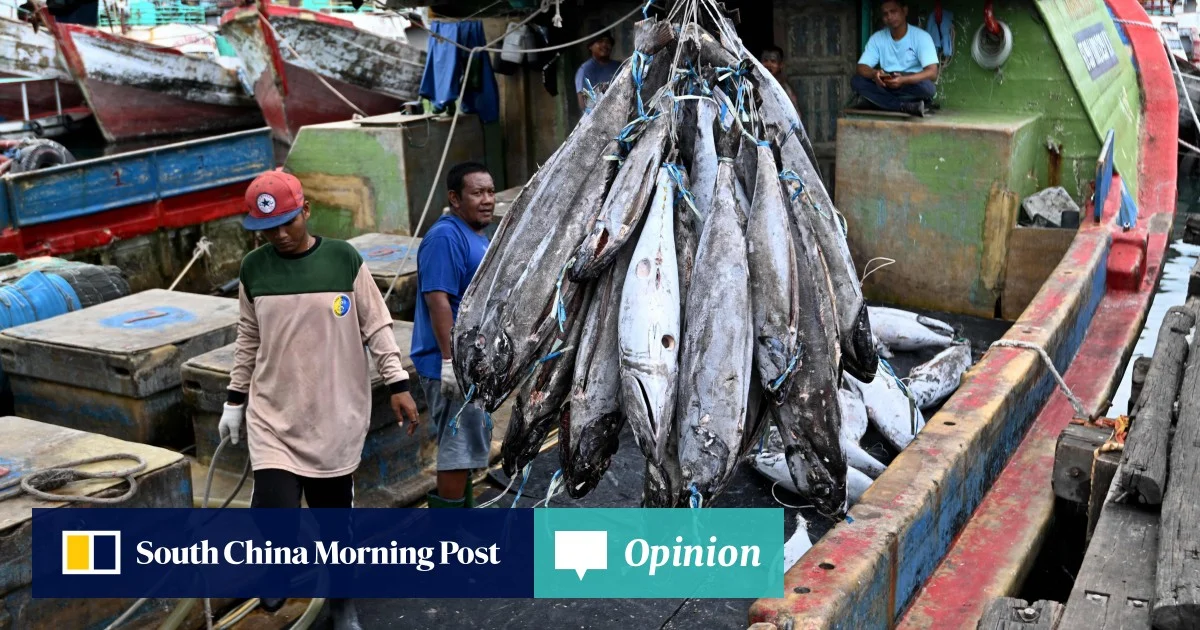
Senegal’s struggles are emblematic of a $50 billion global crisis, with illegal fishing fleets vacuuming unprotected fish stocks around the world. But a landmark piece of international cooperation signed this week at the Our Ocean Conference in Mombasa, Kenya, aims to shine a much-needed light on the malpractice.
Sixteen countries from across Africa, Asia, the Caribbean, Europe and the Pacific pledged to aggressively combat illegal fishing. The solution, they believe, lies with transparency.