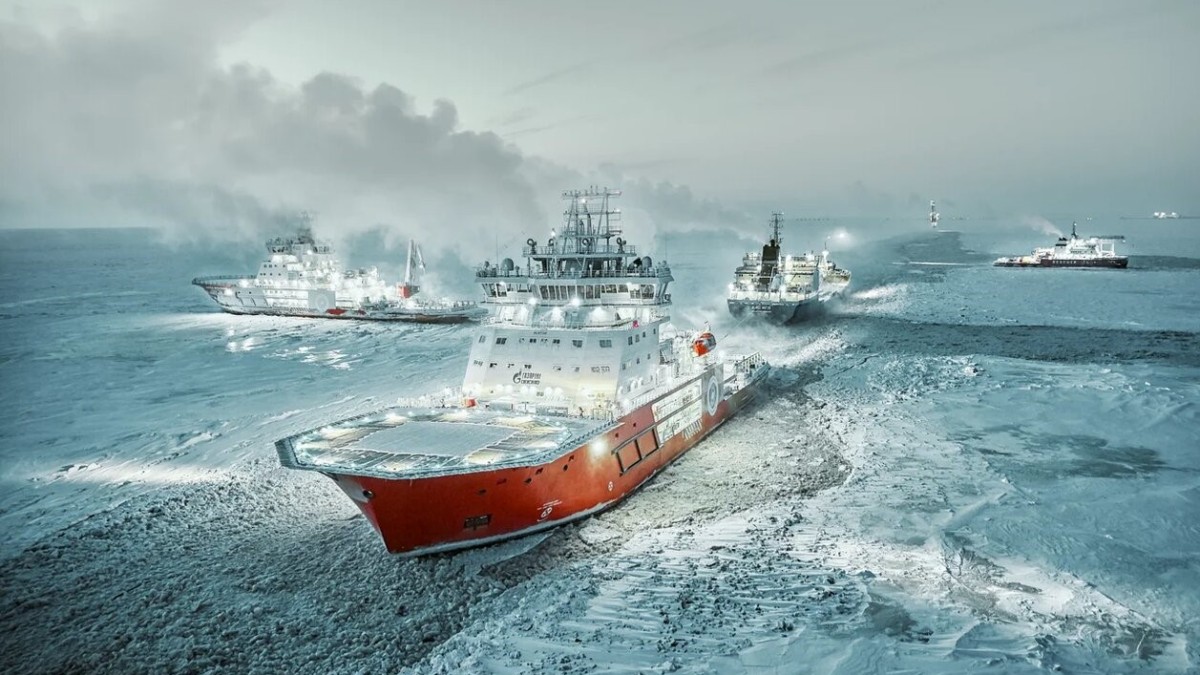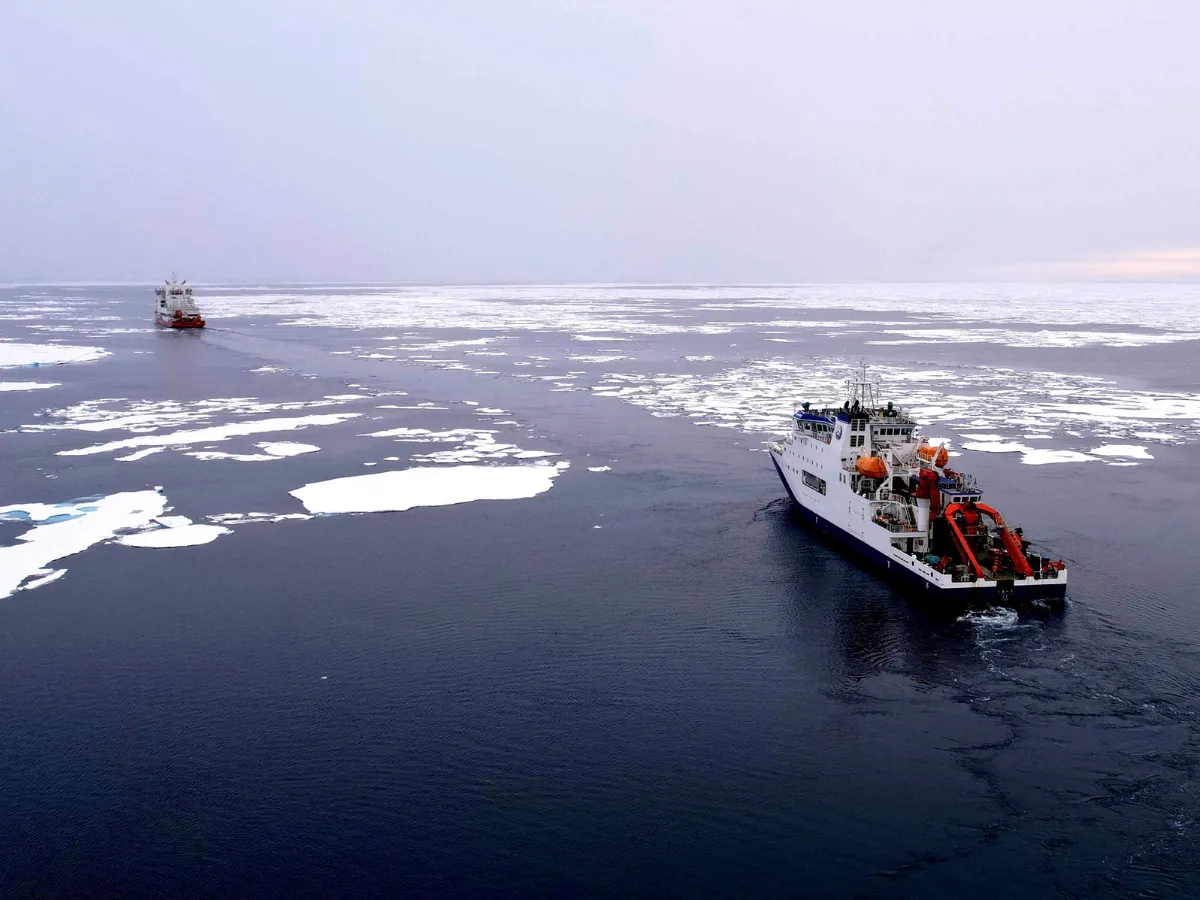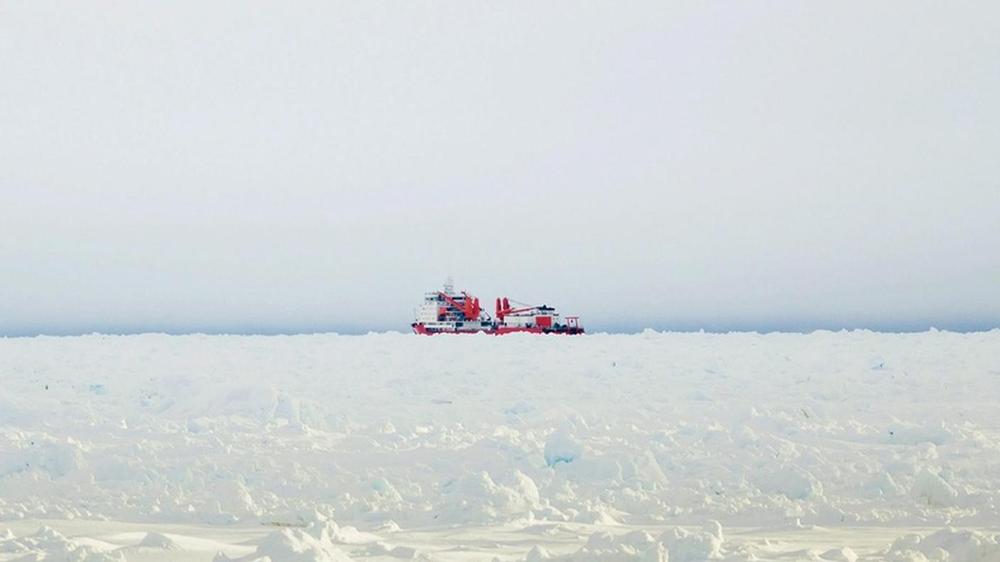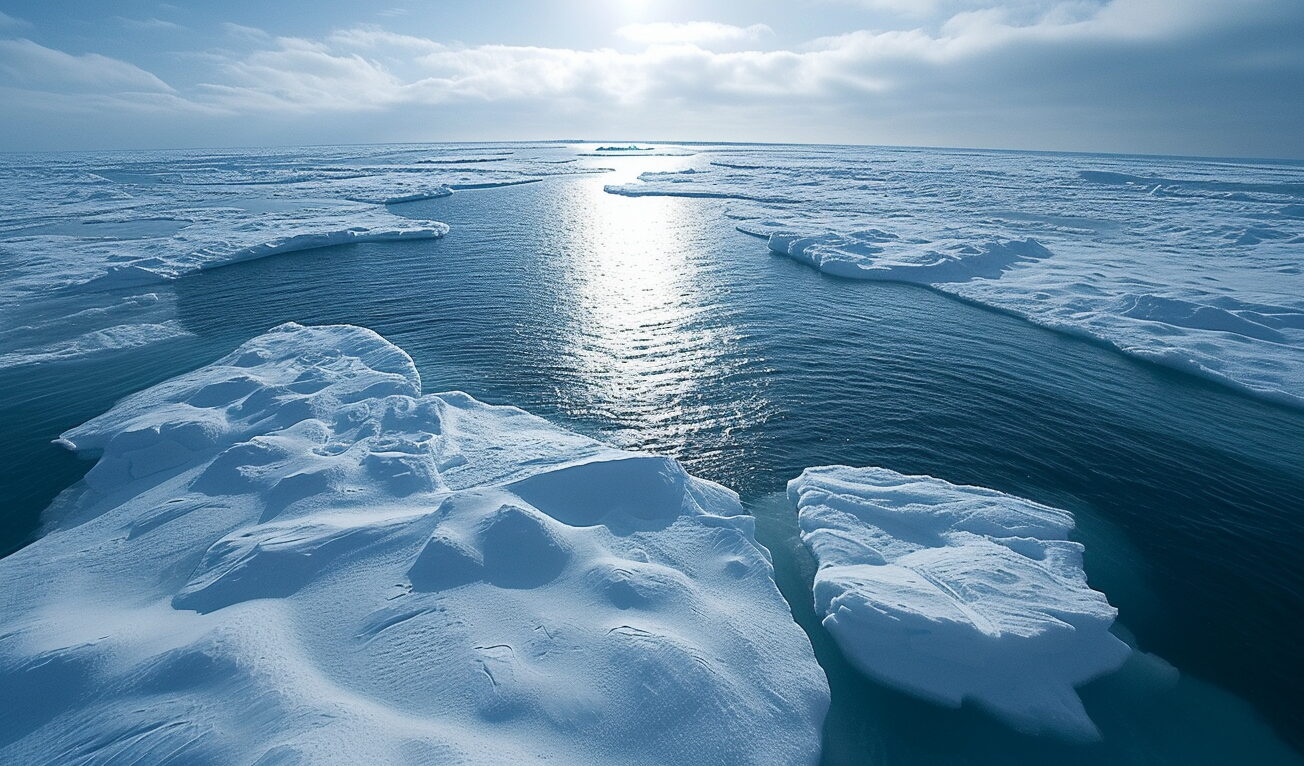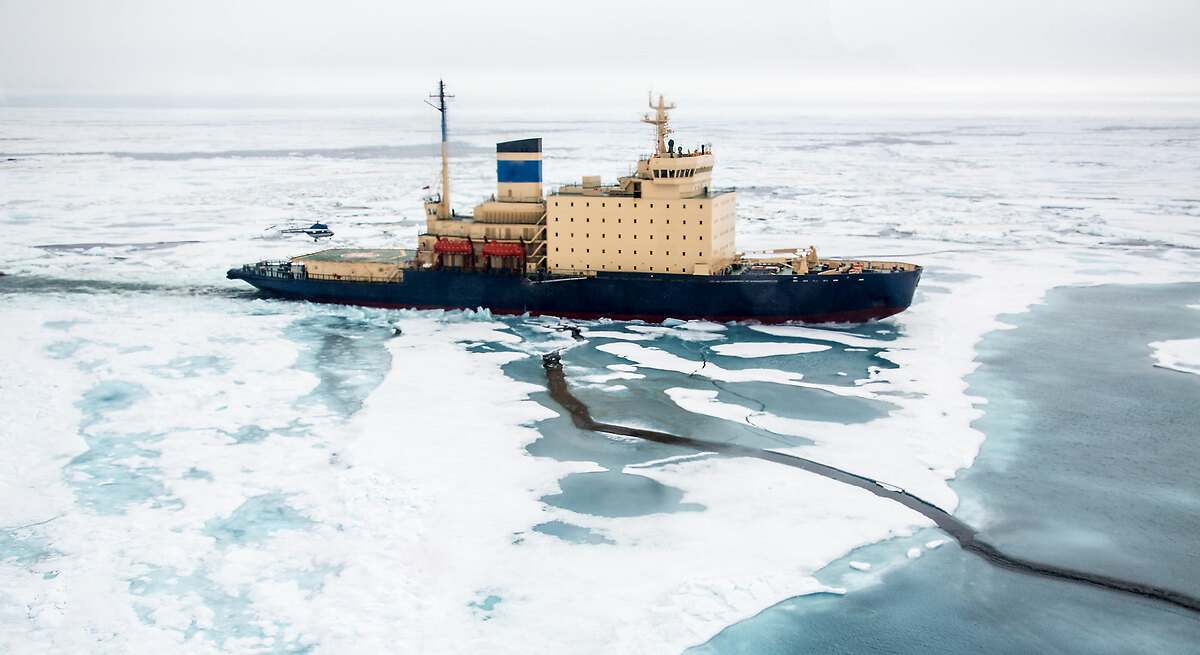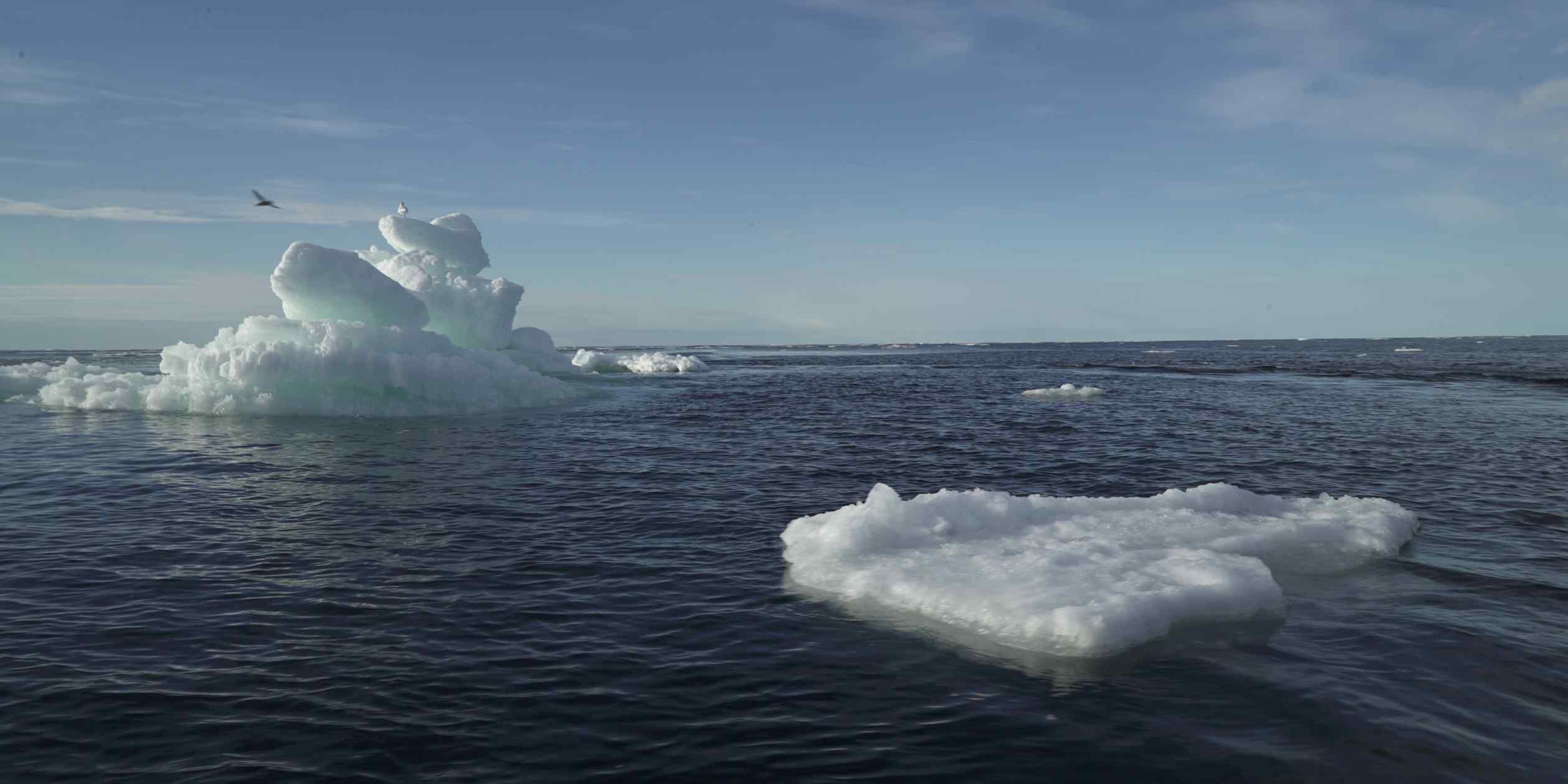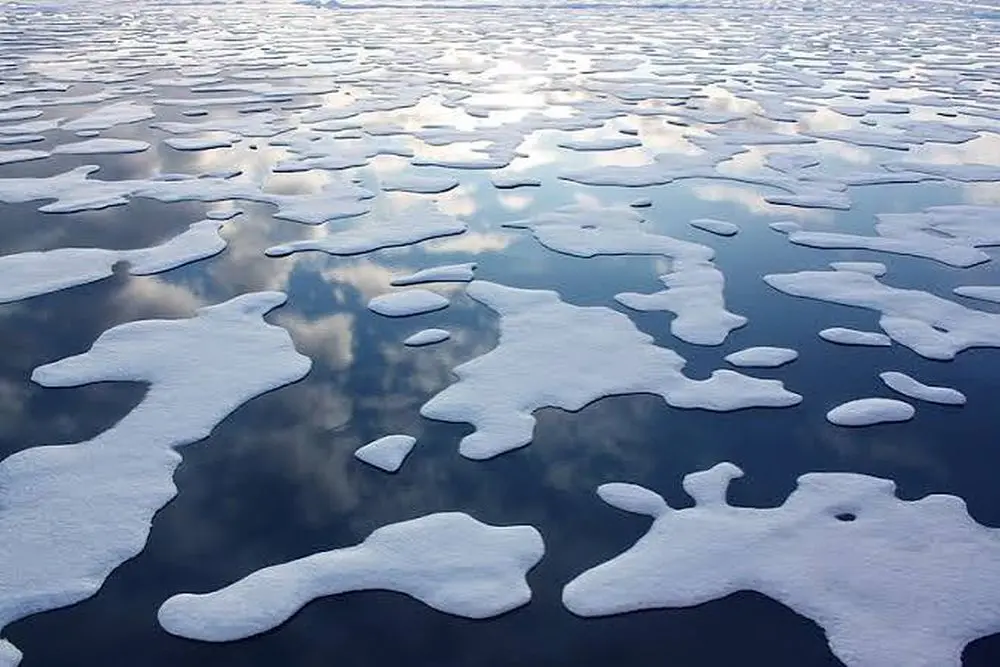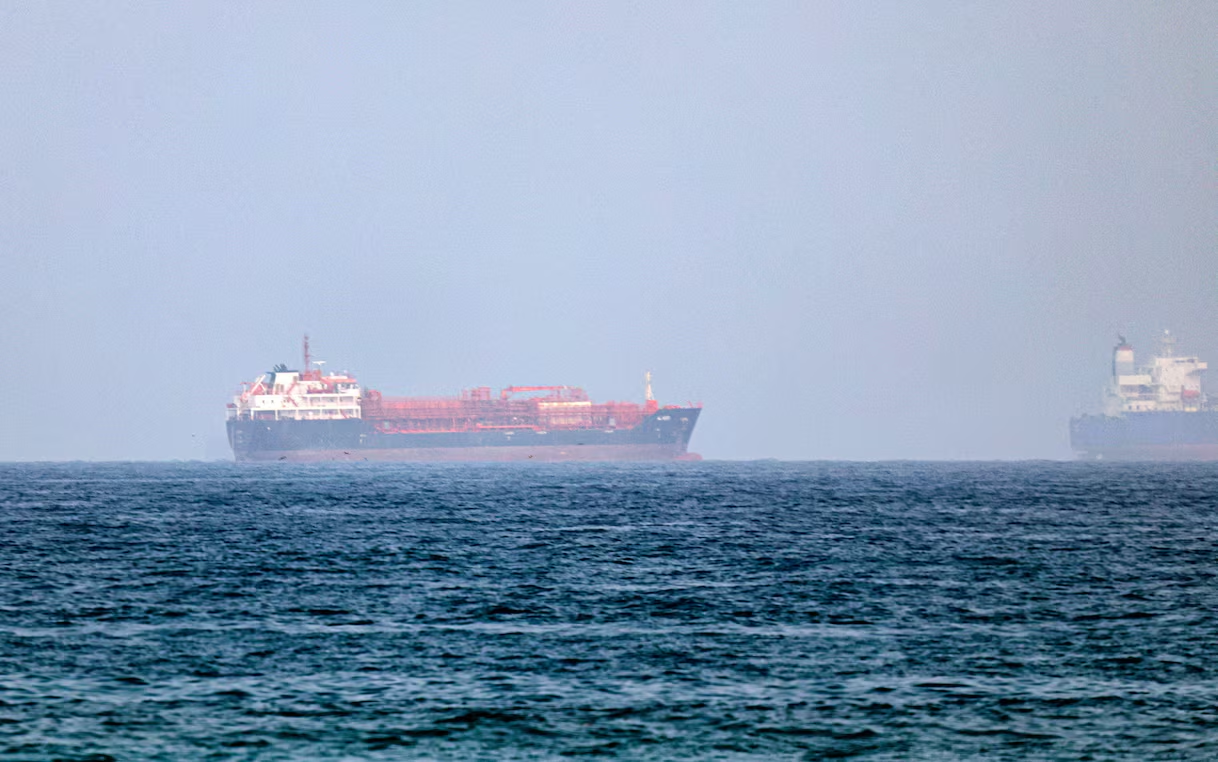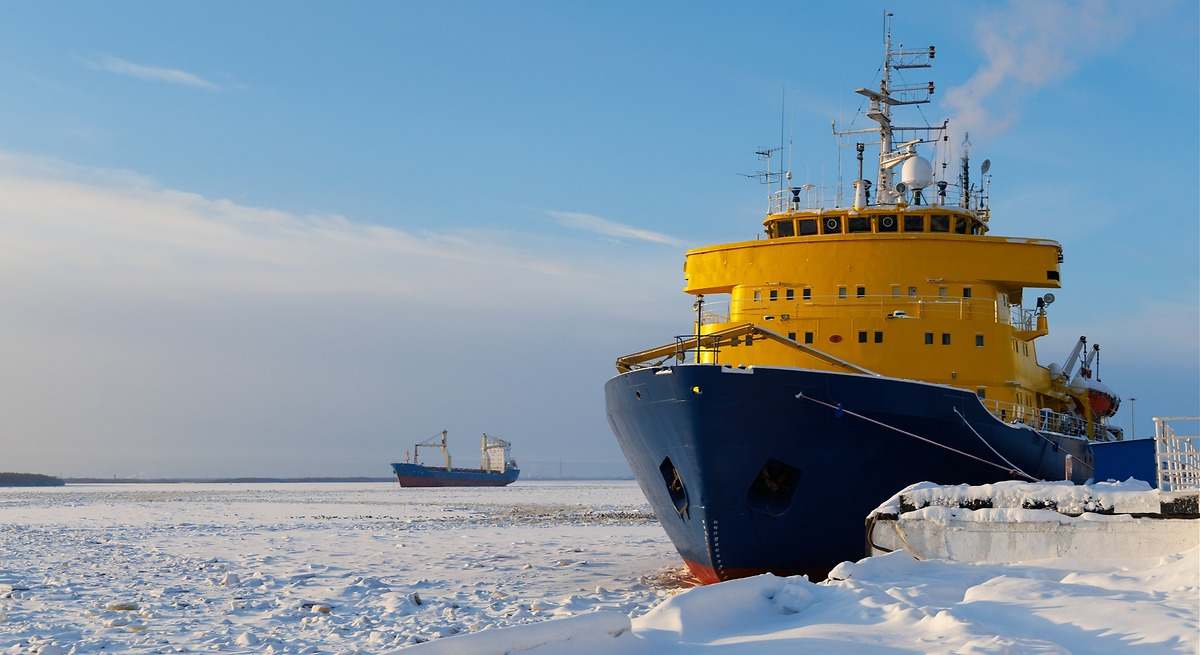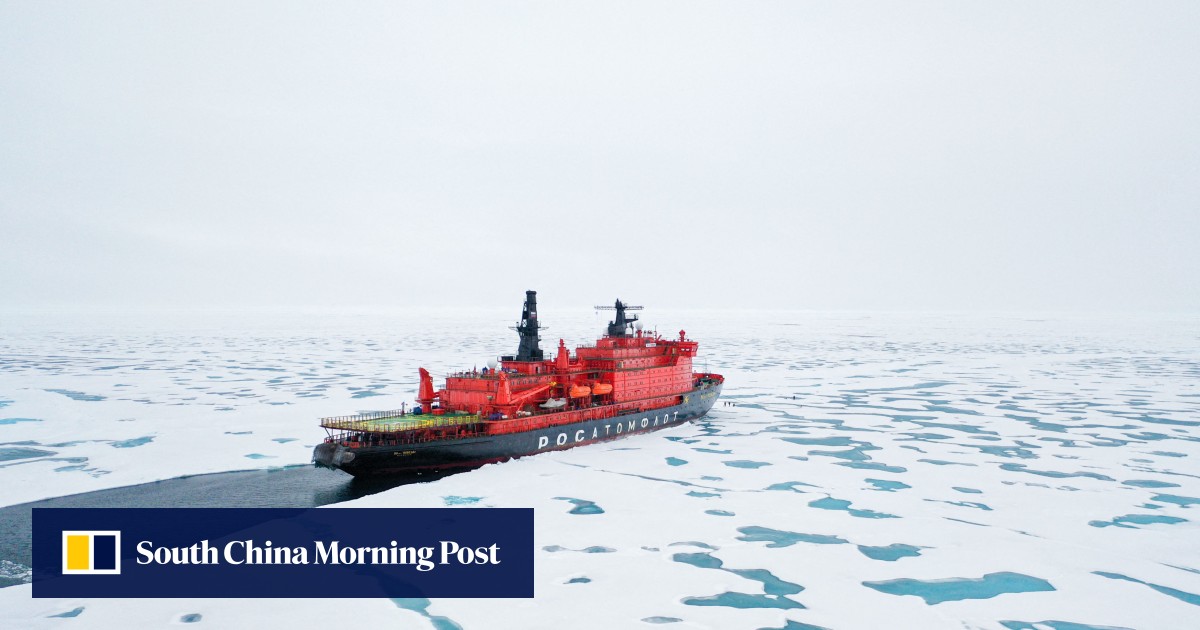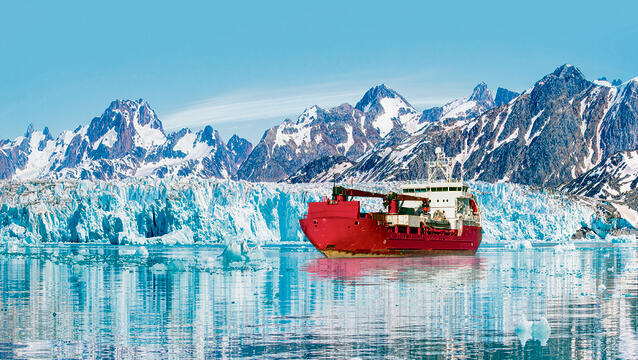
China’s new Arctic route could cut Asia-Europe shipping times to about 20 days and bypass threats near Iran and Yemen, but its success would also strengthen Moscow’s control over a trade corridor emerging as melting ice opens northern watersThe global crisis triggered by the closure of the Strait of Hormuz and Bab el-Mandeb to oil tankers and cargo ships is forcing major powers to look for alternatives that could eventually reshape global trade routes and the geopolitical balance around them. One of the most ambitious is the so-called “Frozen Silk Road,” a shipping corridor running along Russia’s northern coastline near the Arctic Circle.Chinese shipping company Sea Legend is expected this week to send a container ship from Ningbo, one of the largest ports on China’s eastern coast, to Felixstowe, Britain’s largest commercial container port, using the emerging Arctic route. If successful, the voyage could demonstrate how a corridor once regarded as too remote and difficult for routine commerce could become a practical alternative between Asia and Europe.(Photo: Shutterstock)The route promises to cut the journey to about 20 days, roughly half the time required by some conventional routes. It also avoids maritime chokepoints where commercial vessels face Iranian or Houthi threats, while potentially creating new trade opportunities connecting Asian economies, including South Korea, with Europe, Turkey and North Africa.Climate change is a central reason the route is becoming viable. Melting Arctic sea ice has made navigation easier during part of the year and reduced the need for vessels to carry specialized ice-breaking equipment. In the past two years, 38 ships have sailed the route, 15 in 2024 and 23 in 2025. Last year, Istanbul Bridge became the first shipping company to send a container vessel through it.The significance of the current voyage is its scale. For the first time, a major economic power such as China is testing the corridor as a genuine Asia-to-Europe commercial route rather than an isolated experiment.There is, however, a major limitation. Weather conditions currently leave the route navigable for only about three months a year, from August through November. But if the Chinese pilot proves commercially successful, it could substantially lower freight costs while reducing exposure to political instability and security threats along existing shipping lanes.That possibility could also dramatically increase Russia’s leverage.The Northern Sea Route is controlled by Moscow through an agency overseen by Rosatom, Russia’s state nuclear energy giant. The corridor is divided into 28 sectors, and permission to navigate them is issued under Russian authority. If the route becomes a major commercial artery, Moscow could gain influence over a growing share of trade between Asia and Europe.Western companies have largely stayed away. After shipping giant Maersk conducted a trial voyage in 2018, many Western firms avoided the corridor both to limit commercial ties with Russia and because of concerns about damage to the fragile Arctic ecosystem.The worsening global economic and shipping environment, however, could put both considerations under pressure. If the Arctic route becomes materially cheaper and safer than alternatives, commercial necessity may begin to outweigh environmental concerns and attempts to isolate Russia following its 2022 invasion of Ukraine.The melting Arctic could therefore produce not only a new trade corridor, but a new arena of strategic rivalry.Russia views the region as an economic lifeline and has invested billions in nuclear-powered icebreakers and Arctic infrastructure. China has increasingly asserted its own interest in the area, describing itself since 2018 as a “near-Arctic state.” In 2024, it also sent three icebreakers into Arctic waters.The United States, meanwhile, has made clear that it does not want Russia and China to dominate future Arctic shipping. Part of Washington’s strategic interest in Greenland is tied to the growing importance of Arctic access as ice retreats and navigation becomes easier. Canada, Denmark and Norway also have territorial and strategic interests in the region.The accession of Finland and Sweden to NATO adds another layer to the competition, increasing the potential for political and military friction in waters that are becoming steadily more economically valuable.For global shipping, the appeal is straightforward. A successful Arctic corridor could shorten transit times, cut costs, reduce dependence on vulnerable chokepoints and avoid disruptions caused by threats from Iran and the Houthis. It could also ease delays in the movement of critical goods, including semiconductors and other high-demand products.But the trade-off is equally clear. Greater reliance on the route would strengthen Russia’s role in global commerce while encouraging more shipping through an environmentally sensitive region already being transformed by climate change.If the Chinese pilot proves that those savings are large enough, commercial logic may ultimately overpower both geopolitical objections and environmental concerns. In that case, the crisis around Hormuz and Bab el-Mandeb may not simply reroute ships temporarily. It could accelerate the emergence of an entirely new axis of global trade.
'Frozen Silk Road': Russia gains strategic opening as Hormuz crisis pushes shipping toward Arctic
China’s new Arctic route could cut Asia-Europe shipping times to about 20 days and bypass threats near Iran and Yemen, but its success would also strengthen Moscow’s control over a trade corridor emerging as melting ice opens northern waters
795 words~4 min read