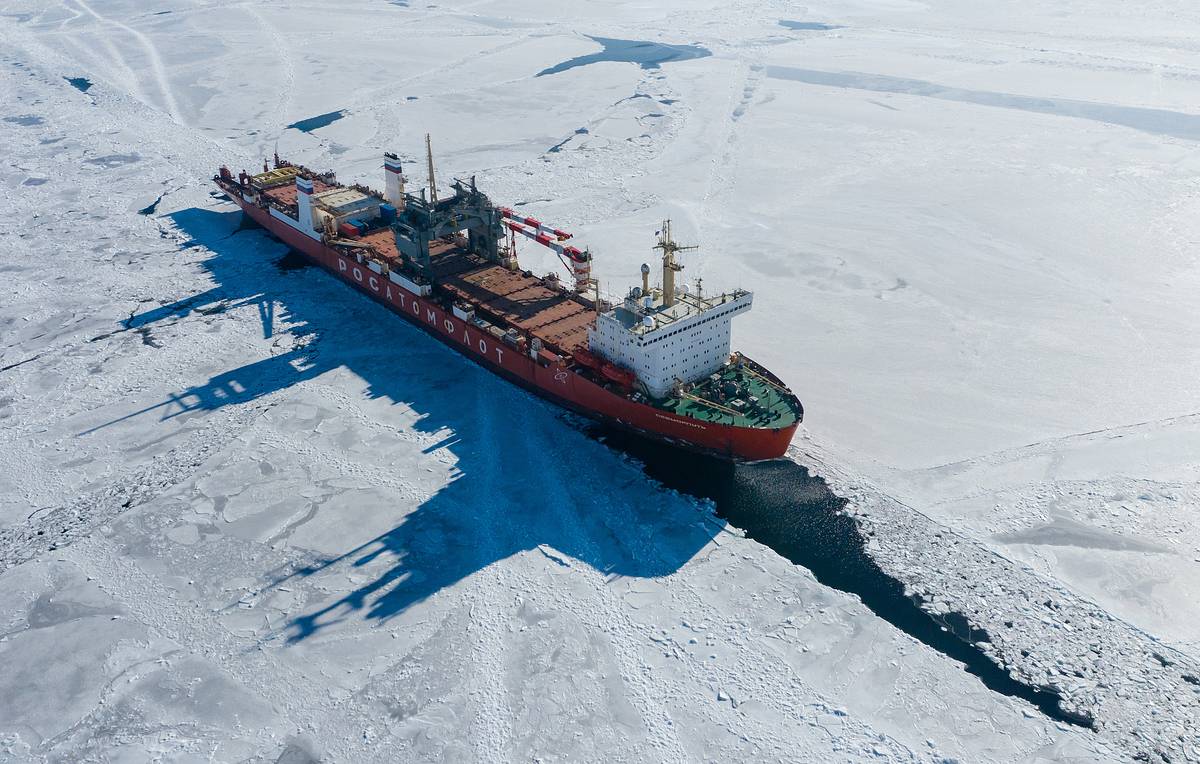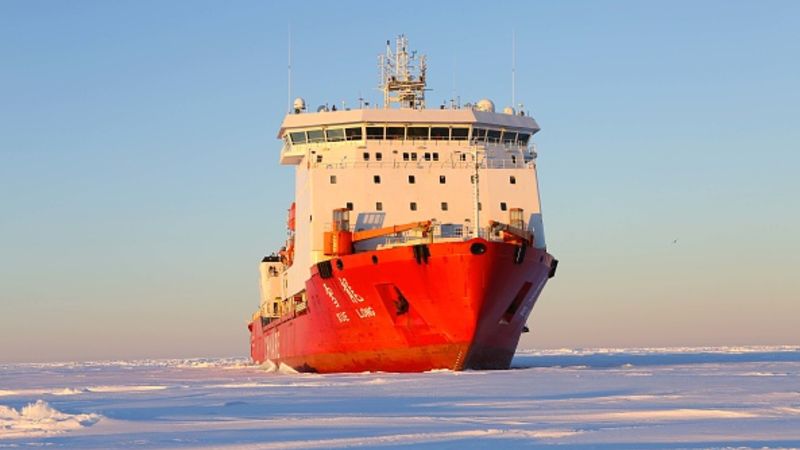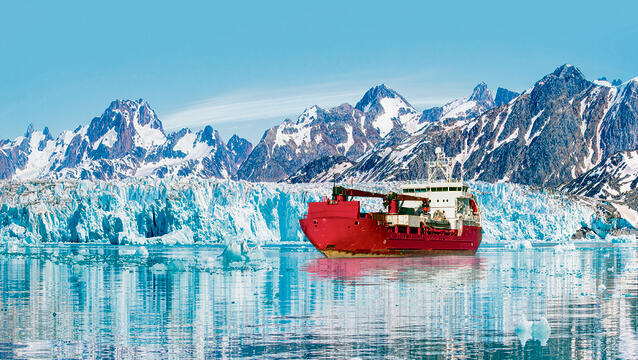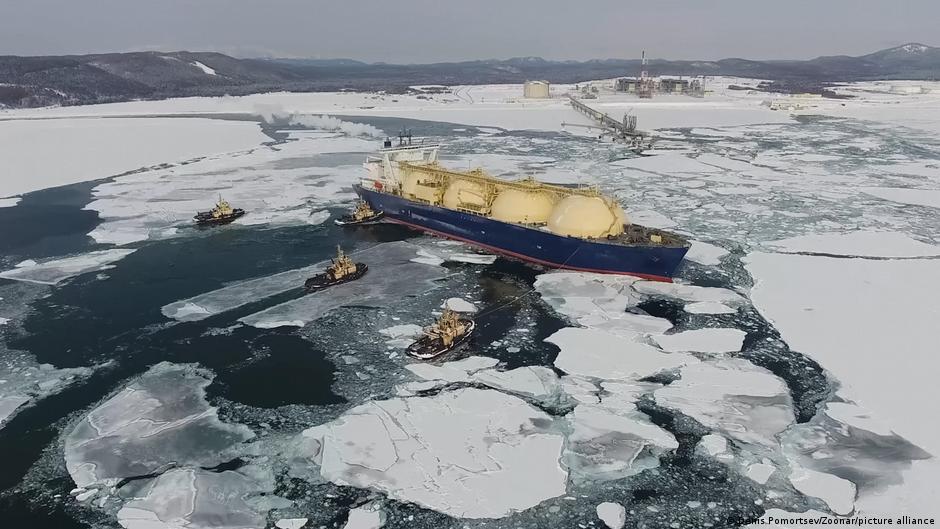
Russia wants its Northern Sea Route to become an important artery of global trade. However, the Arctic shortcut between Europe and Asia is fraught with both political and environmental hurdles.
The Iran war and resulting blockade of the Strait of Hormuz have focused minds on international shipping. Russian officials are promoting the Northern Sea Route (NSR), an Arctic sea lane running along their country's northern coast. President Vladimir Putin said in April the route's importance as "the most safe, reliable and efficient path is becoming ever more obvious."
It is the shortest maritime route between Asia and Europe. But it's frozen for much of the year, and comes with significant political considerations. DW asked an environmental foundation which has studied the route — how realistic is this vision of the NSR as a new major shipping passage?
Shipping goods along the Northern Sea Route can reduce travel distance by up to 40%, compared to going via the Suez Canal, which is the most common route between Asia and Europe. But for a host of reasons, the NSR is not used that often.
Moscow had planned to move 80 million tons of cargo through it by 2024, but those ambitions were stymied by the 2022 Russian invasion of Ukraine and the Western sanctions that followed. NSR infrastructure operator Rosatom recorded less than half of the goal, around 38 million tons of cargo, actually passing through that year. That's less than 1% of global maritime trade — compared with up to 15% that usually passes through the Suez Canal.