Story audio is generated using AI
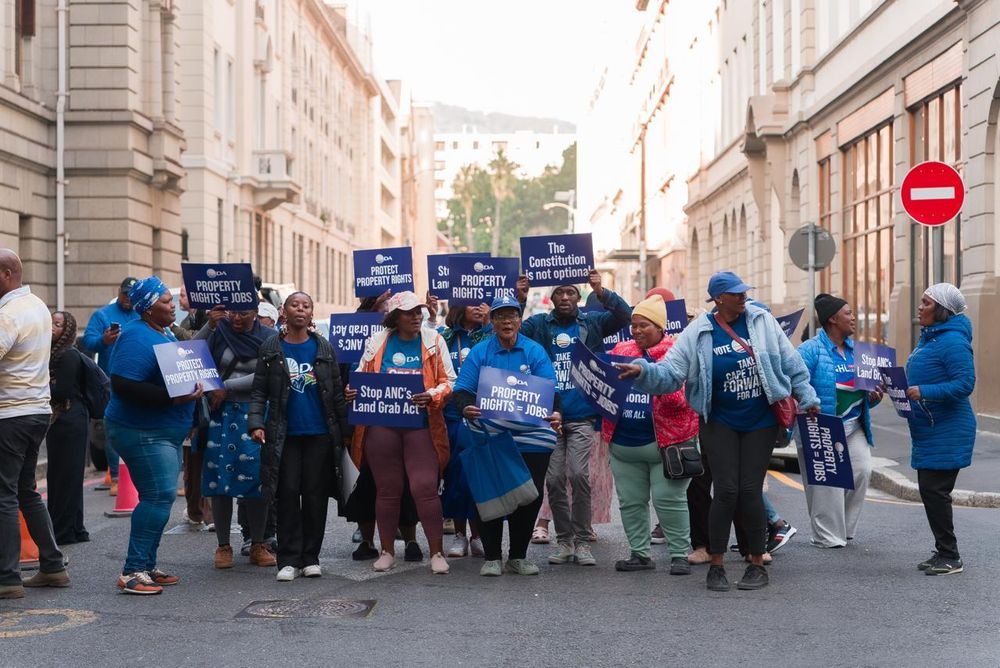
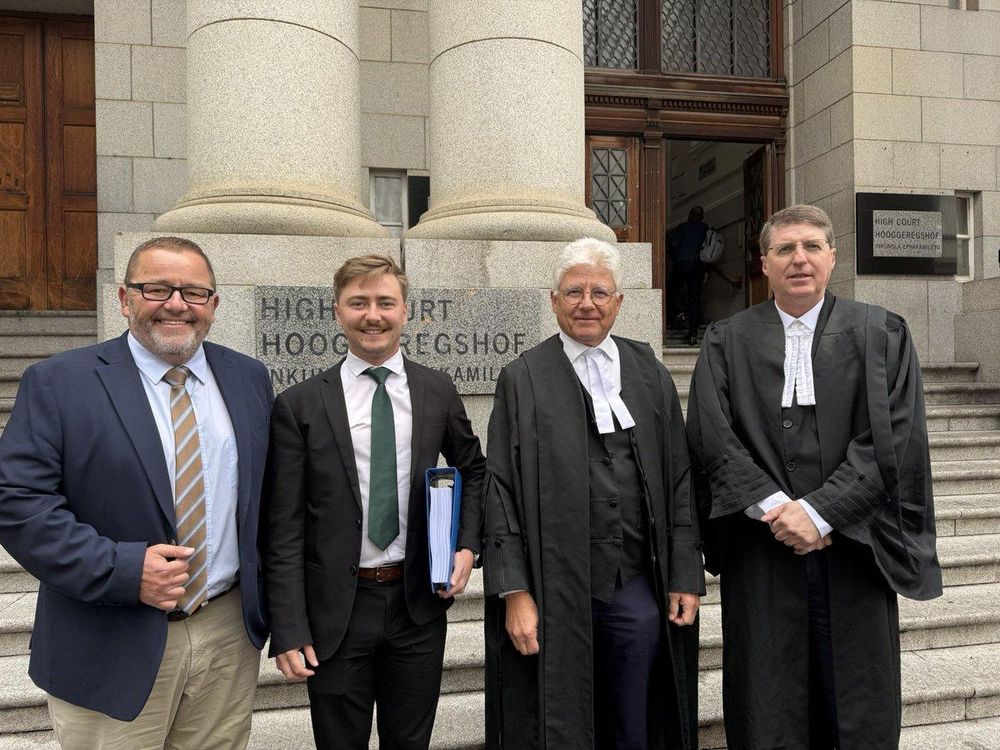
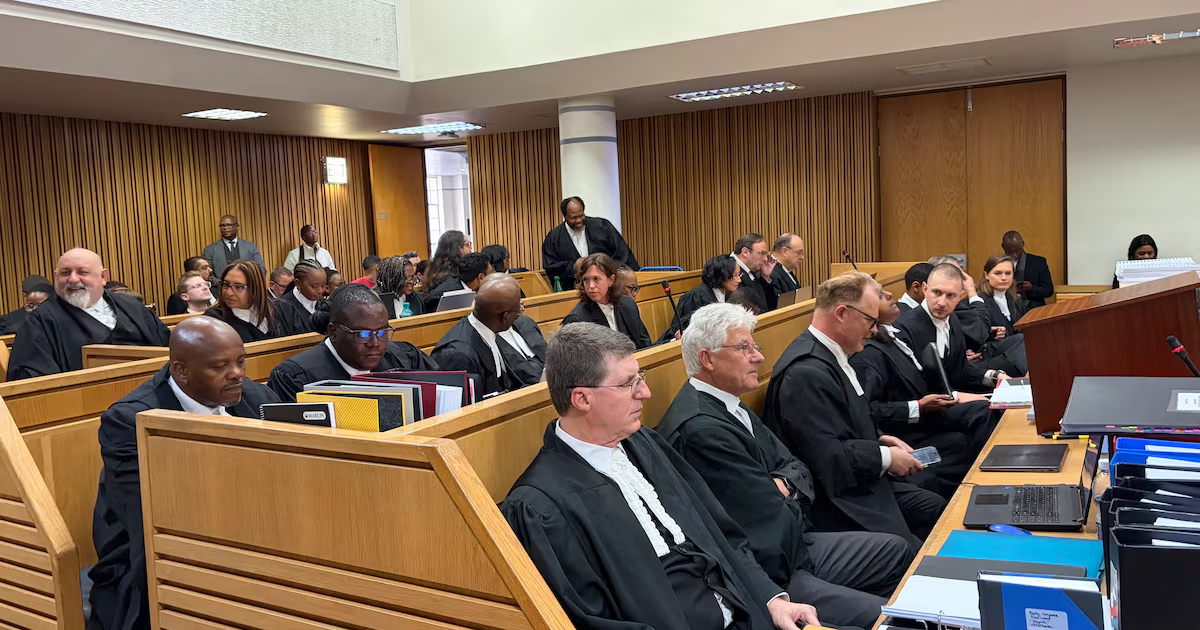
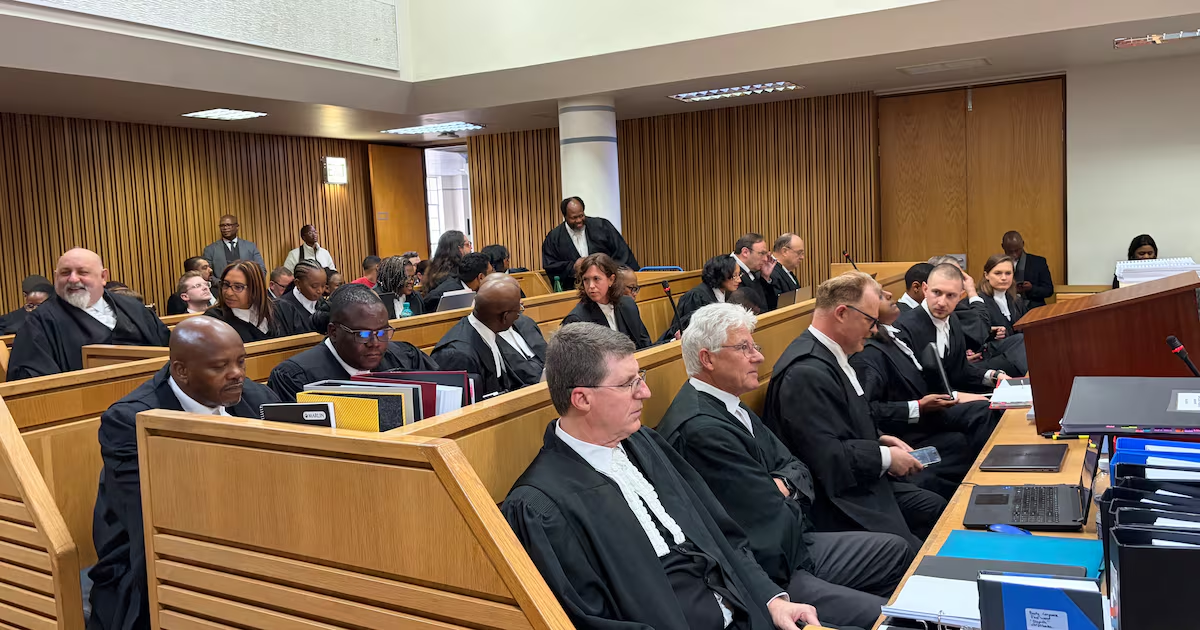
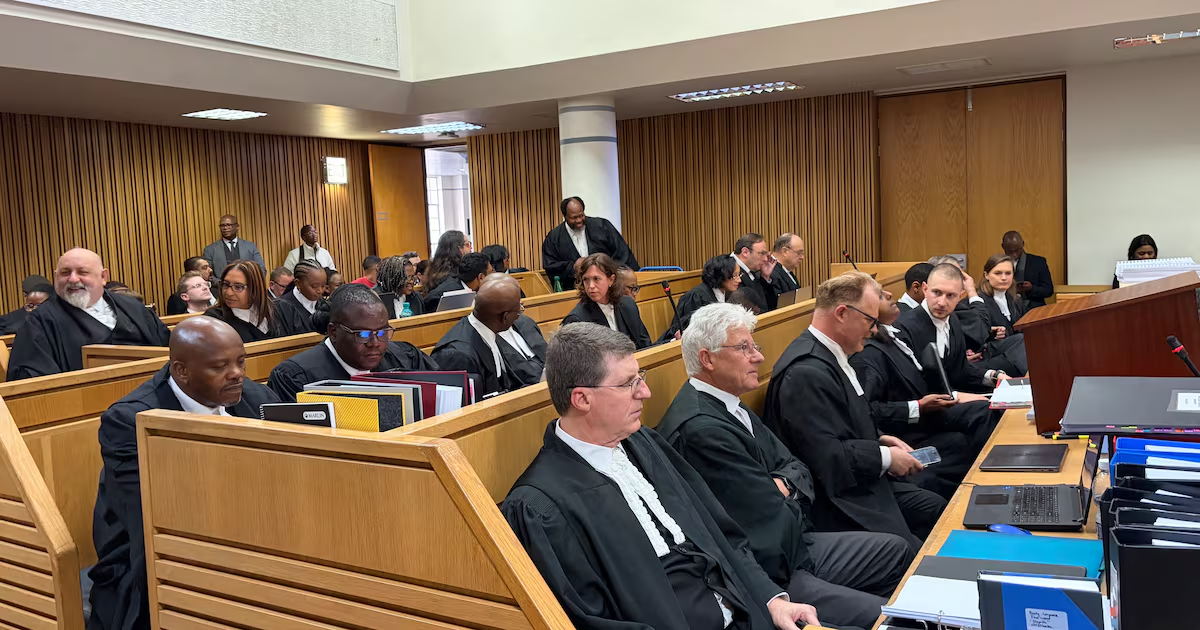
The Speaker of the National Assembly on Friday defended a provision of the Expropriation Act that allows expropriations to proceed while compensation awards are on appeal, arguing that delaying expropriations would undermine projects carried out in the public interest.Appearing for Speaker Thoko Didiza in the Western Cape High Court, Phillip Mokoena SC argued that section 19(8) of the Expropriation Act applies only after a court has determined what constitutes “just and equitable” compensation under section 25 of the constitution, the property clause governing expropriation and compensation.He submitted that by the time section 19(8) becomes relevant, the only issue remaining is the amount of compensation.“What is left is only the question of the amount,” Mokoena told the court.He argued that once a court has determined compensation, it would undermine the purpose of expropriation if an appeal over the amount alone automatically prevented the state from taking possession of the property.“There might be compelling public interest reasons for the expropriation to proceed,” he said.Mokoena submitted that section 19(8) balances the rights of property owners with the government’s ability to carry out expropriations required for a public purpose or in the public interest.He argued that the provision departs from the general rule in section 18 of the Superior Courts Act, which provides that an appeal ordinarily suspends the operation of a court order unless a court directs otherwise.The bench questioned whether parliament had drafted the provision narrowly enough.Judge Vincent Saldanha noted that section 19(8) refers to “any appeal against the decision of a court”, raising the possibility that it could extend beyond disputes over compensation.Mokoena argued that the provision must be read in the context of section 19 as a whole.He submitted that section 19 regulates disputes over compensation and repeatedly refers to “the amount of compensation”, making it clear that parliament intended subsection (8) to apply only to appeals concerning compensation rather than challenges to the legality of an expropriation itself.“It only relates to the amount,” he argued.Mokoena rejected the DA’s submission that the provision limits judicial oversight. “Section 19(8) does not abolish appeals. It does not exclude court oversight,” he said.Instead, he argued, the provision merely regulates the effect of compensation appeals by preventing them from automatically suspending an expropriation while the appeal is pending.He said this reflected a balance struck by parliament between private property rights and the public interest, particularly where delays could frustrate projects requiring land to be acquired.The submissions formed part of the Speaker’s response to the DA’s constitutional challenge to section 19(8), one of several provisions of the Expropriation Act under attack in consolidated proceedings before the Western Cape High Court.The DA argues that the provision unjustifiably limits property owners’ rights by allowing expropriations to proceed before all appeals have been finalised.The court is hearing consolidated constitutional challenges brought by the DA, AfriForum, the Institute of Race Relations, the Rule of Law Project and other applicants against various provisions of the Expropriation Act. Proceedings continue.Business Day