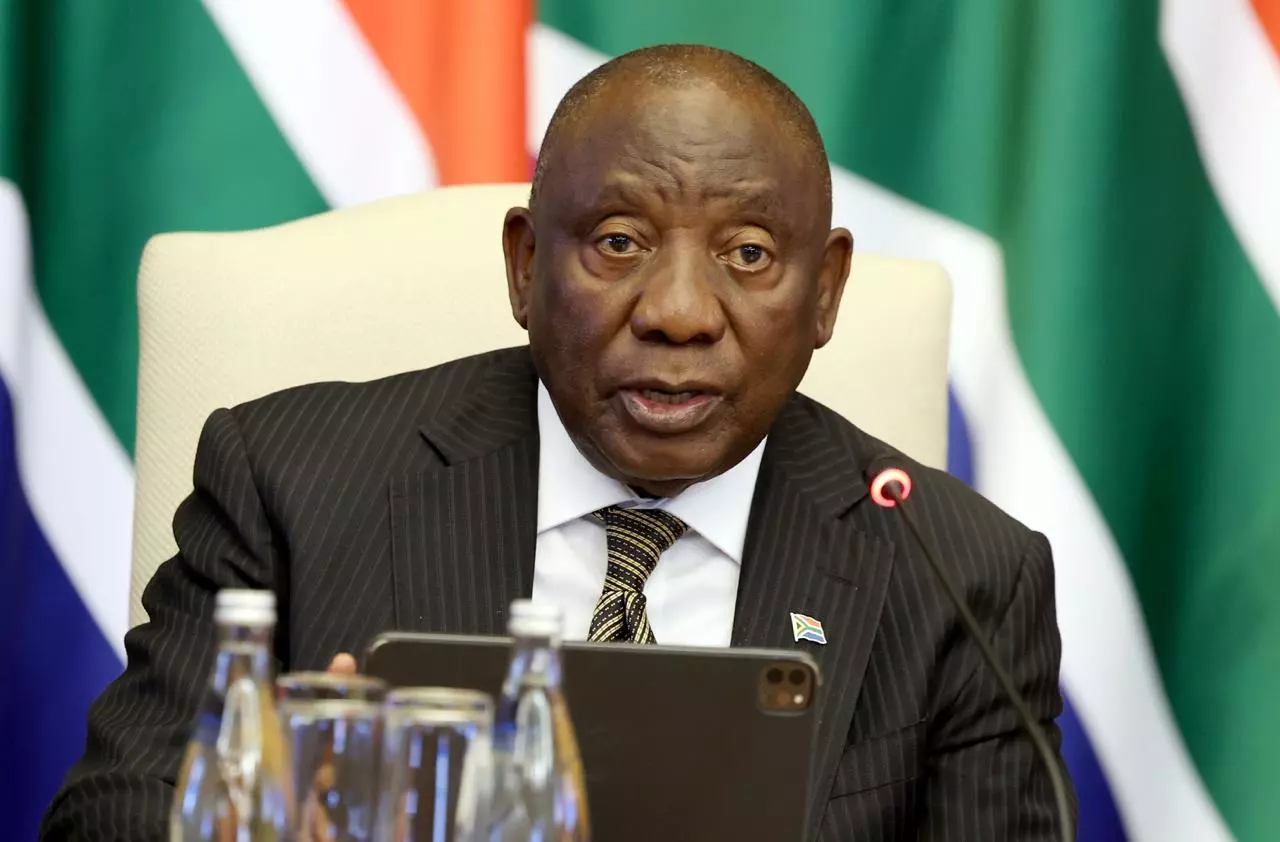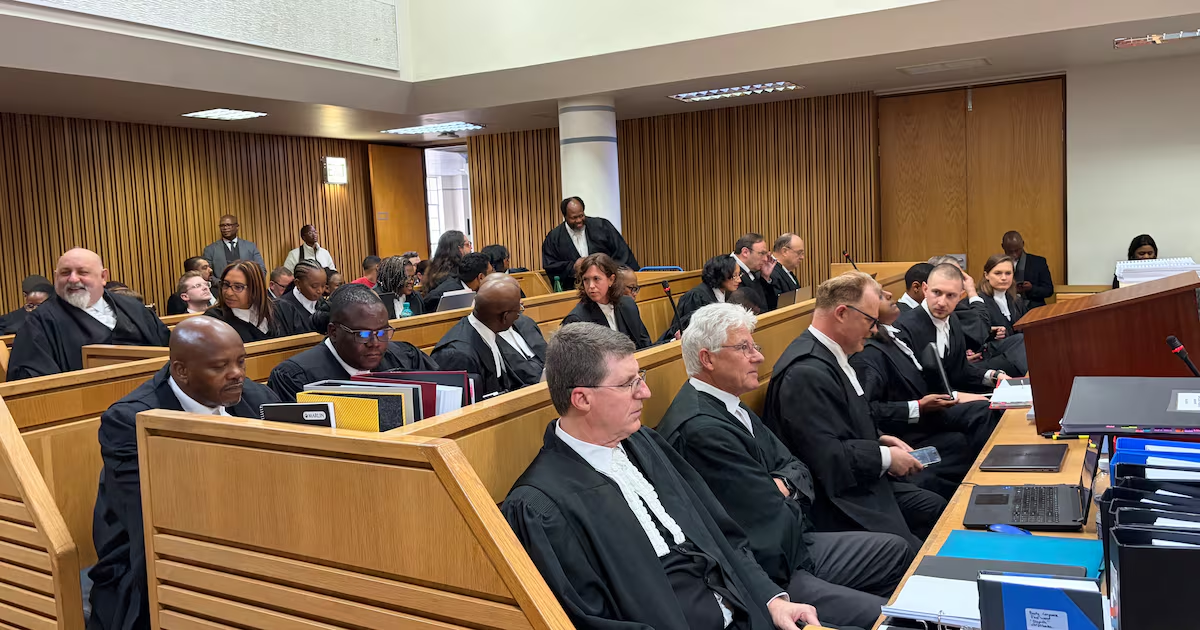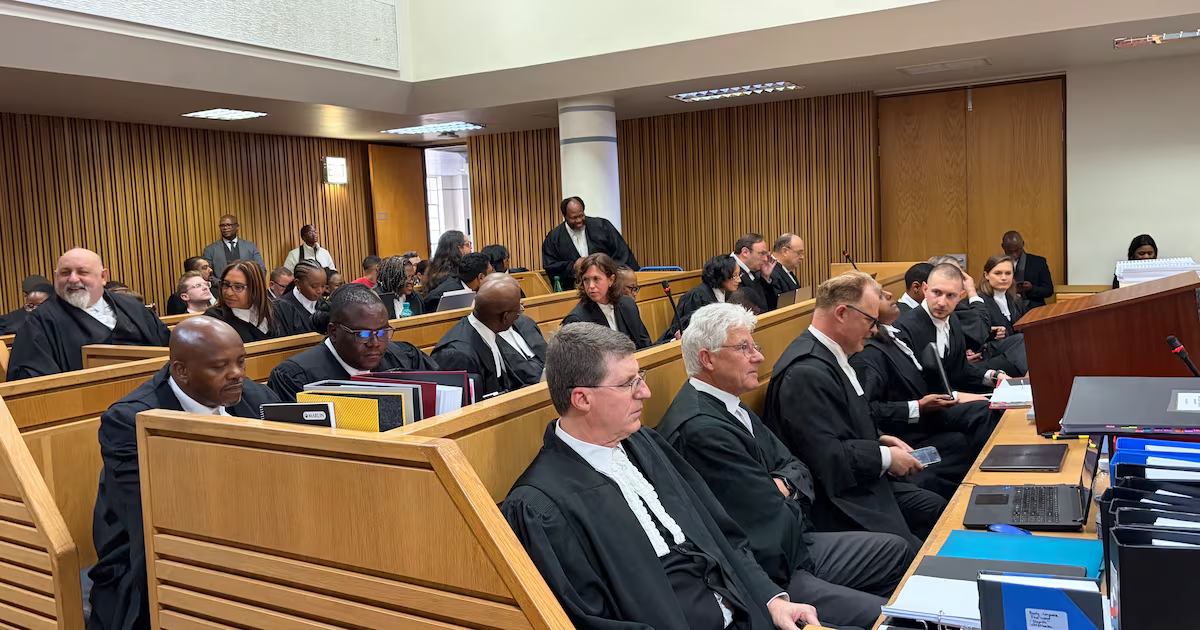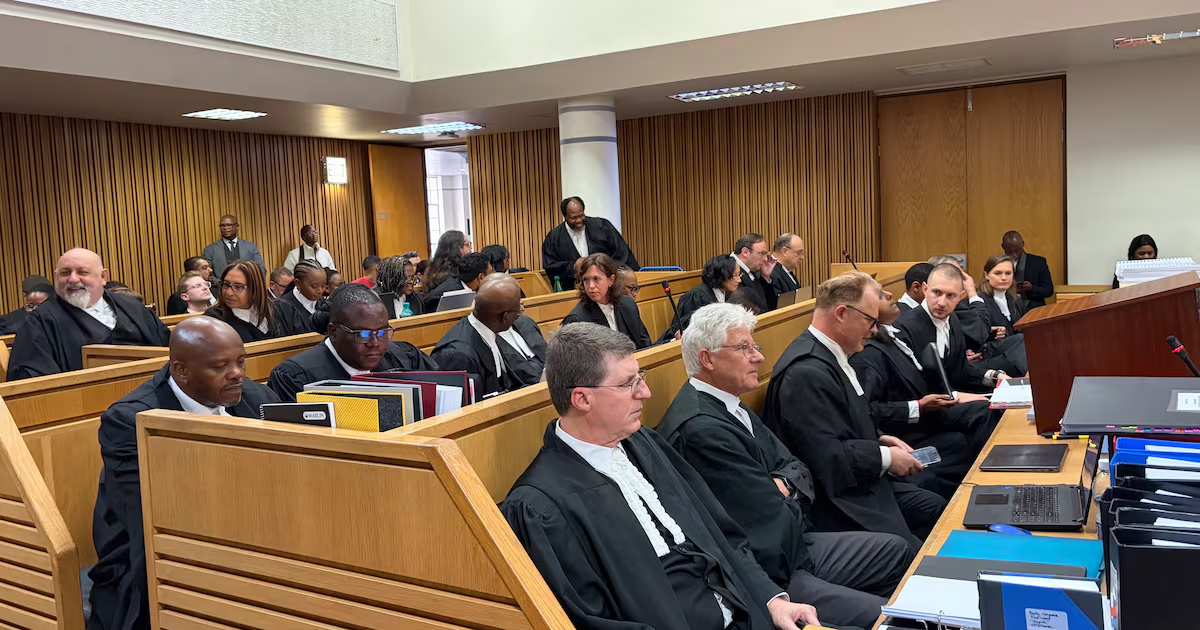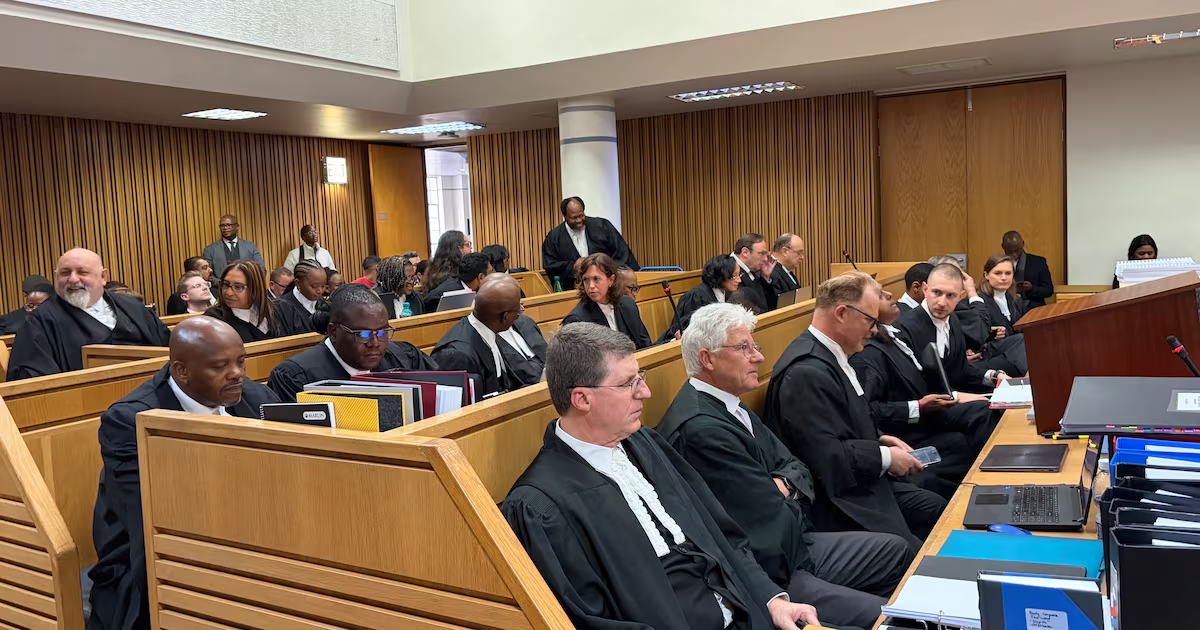
The presidency told the Western Cape High Court on Wednesday the Expropriation Act does not create a new power to expropriate property without compensation, arguing instead that it gives legislative effect to the constitution’s existing requirement that compensation be “just and equitable”.It also said in exceptional cases, that may amount to nil compensation.Appearing for President Cyril Ramaphosa, advocate Ngwako Maenetje argued that section 12(3) of the act does not authorise the automatic payment of nil compensation but preserves the constitutional standard contained in section 25 of the constitution.“The constitutional standard remains just and equitable compensation,” Maenetje submitted. “Nil compensation is only the outcome of that constitutional inquiry where all relevant circumstances justify it.”He argued that the act requires expropriating authorities to investigate all relevant circumstances before determining compensation and that courts remain the final arbiter where disputes arise.Section 12(3) merely identifies circumstances in which nil compensation may be just and equitable and does not require that outcome whenever one of the listed circumstances exists, Maenetje added.He said the applicants had incorrectly interpreted the provision in isolation rather than reading it within the broader scheme of the act, which requires decision-makers to consider all relevant circumstances before determining compensation.“The controlling principle remains just and equitable compensation,” he argued.Maenetje submitted that even if the court found section 12(3) limited the property rights protected by section 25, the limitation would nevertheless be justified under section 36 of the constitution.He argued that the constitution expressly permits legislative measures to advance land reform and cited previous Constitutional Court decisions, including First National Bank, Agri SA and Haffejee, which he said recognised that property rights are not absolute but must be balanced against broader societal interests. Watch | Expropriation Act court challenge continues:“The protection of property as an individual right is not absolute but subject to societal considerations,” he said.Maenetje rejected the Rule of Law Project’s argument that the Act discriminates between foreign investors and South African property owners because foreign investors may rely on bilateral investment treaties.He argued that foreign investors and South African owners are governed by different legal regimes and therefore are not comparable for purposes of an equality challenge.Earlier in the hearing, the Rule of Law Project argued that parliament was attempting to achieve through ordinary legislation what it had failed to accomplish through constitutional amendment.Appearing for the organisation, advocate Mark Oppenheimer argued that section 25(3) of the Constitution requires compensation whenever property is expropriated and that parliament could not use ordinary legislation to authorise nil compensation after a constitutional amendment to do so failed to secure the required two-thirds majority.“There was an attempt to change the constitution,” Oppenheimer told the court. “That attempt failed. What we have now is a piece of legislation which attempts to circumvent this.”He argued that the constitutional requirement that compensation be “paid” necessarily requires a positive amount. “No compensation is the absence of compensation,” he said. “You cannot pay an amount of nothing.”Oppenheimer rejected the argument advanced by other respondents that zero is simply another number capable of constituting compensation, arguing that compensation must always involve something of value because it exists to remedy the loss suffered through expropriation.Read: Expropriation Act subverts constitution, says AfriForumJunior counsel Kessler Perumalsamy argued that international law likewise requires compensation for expropriation and that no international or regional court has recognised nil compensation as lawful.“There is not a single authority by a regional or international court that says compensation may be nil,” he submitted.Perumalsamy argued that the act would create unequal treatment between foreign investors protected by bilateral investment treaties and South African property owners, as foreign investors could continue claiming compensation under international law while South Africans could receive none.He argued that section 12(3) was irrational because it replaced the constitution’s flexible “just and equitable” standard with legislation identifying circumstances in which nil compensation may be awarded.“The constitution allows parliament to identify relevant factors,” Perumalsamy said. “It does not allow parliament to fix a number.”The court also heard challenges to other provisions of the act, including those dealing with improvements to property, judicial determination of compensation and appeals, all of which Maenetje argued were constitutionally compliant when read together with the act as a whole.The hearing continues on Thursday, when the remaining respondents are expected to conclude their arguments before the applicants reply.
Presidency defends ‘just and equitable’ standard in Expropriation Act
Court hearing reveals disagreement on whether nil compensation violates Constitution
713 words~3 min read