As the Western Cape High Court hears challenges to the Expropriation Act 13 of 2024, what does this mean for South Africa's land reform and property rights? Discover the implications of the AfriForum's arguments and the ongoing debate over land sovereignty.
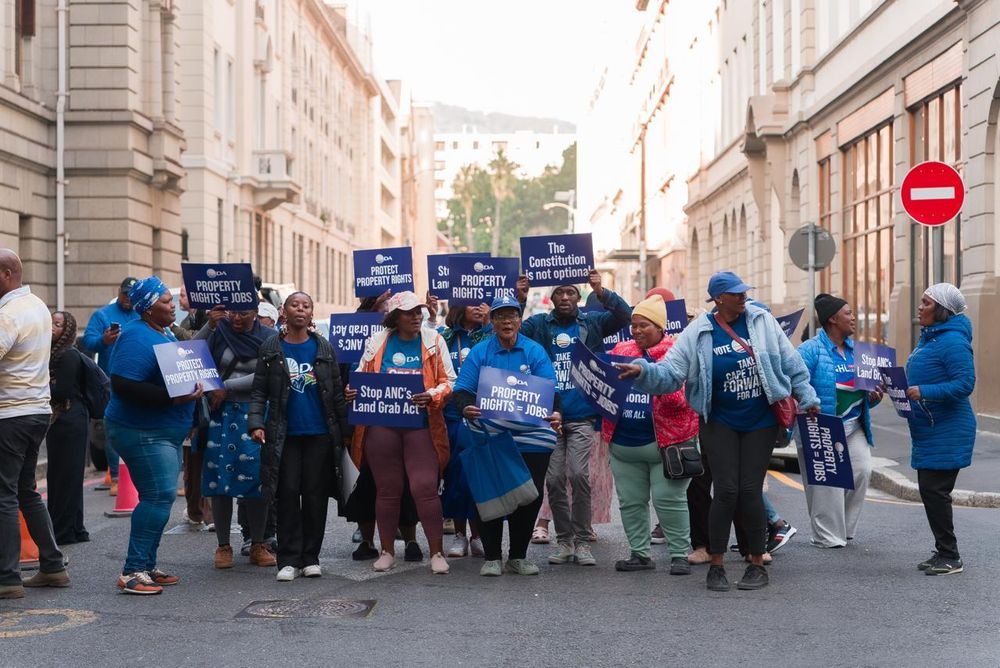
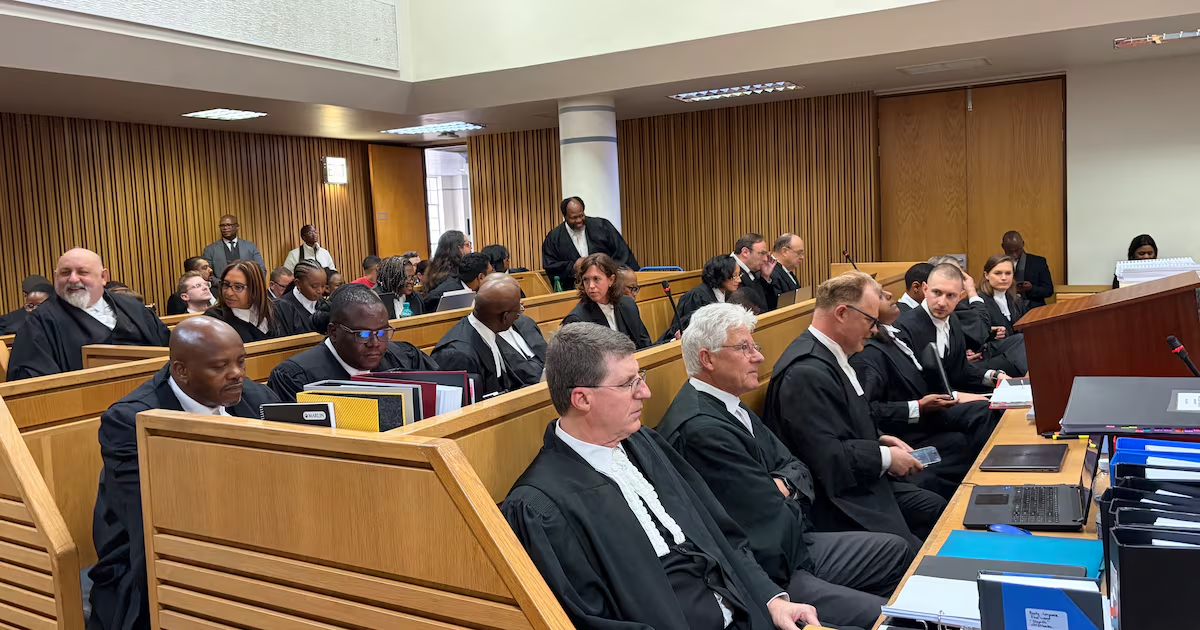
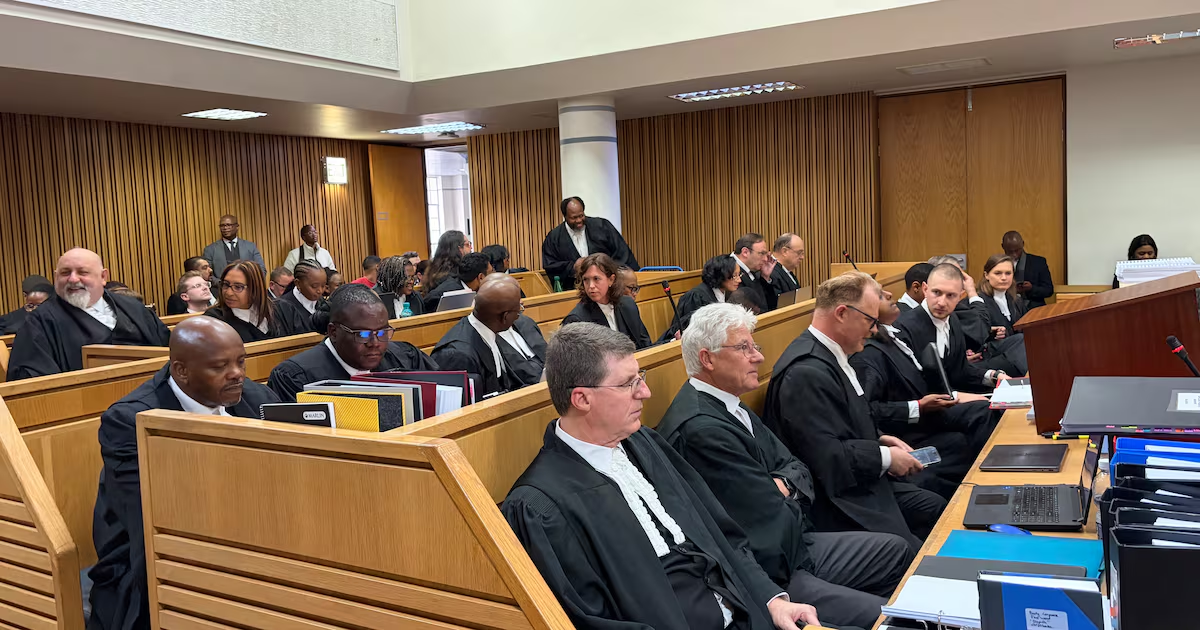
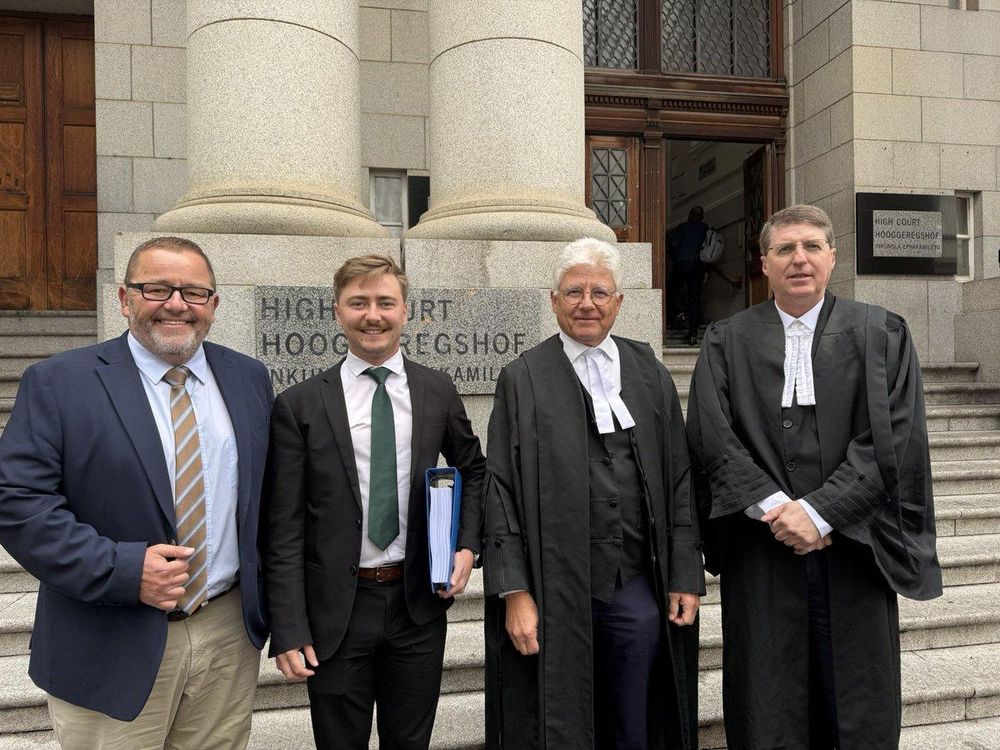
This week, the Western Cape High Court is hearing challenges to the Expropriation Act 13 of 2024 brought by AfriForum, the Democratic Alliance, the Institute of Race Relations and other applicants. AfriForum argues that provisions allowing nil compensation undermine Section 25 of the Constitution by creating statutory circumstances in which property may be expropriated without compensation. The Presidency disputes this interpretation, arguing that the Act retains the constitutional requirement that compensation must be “just and equitable”, with nil compensation possible only where the circumstances justify it.
At first glance, the dispute appears to concern the interpretation of property rights and compensation. Beneath this legal contest lies a much older question: who holds legitimate title to South Africa’s land, and from where does that title derive?
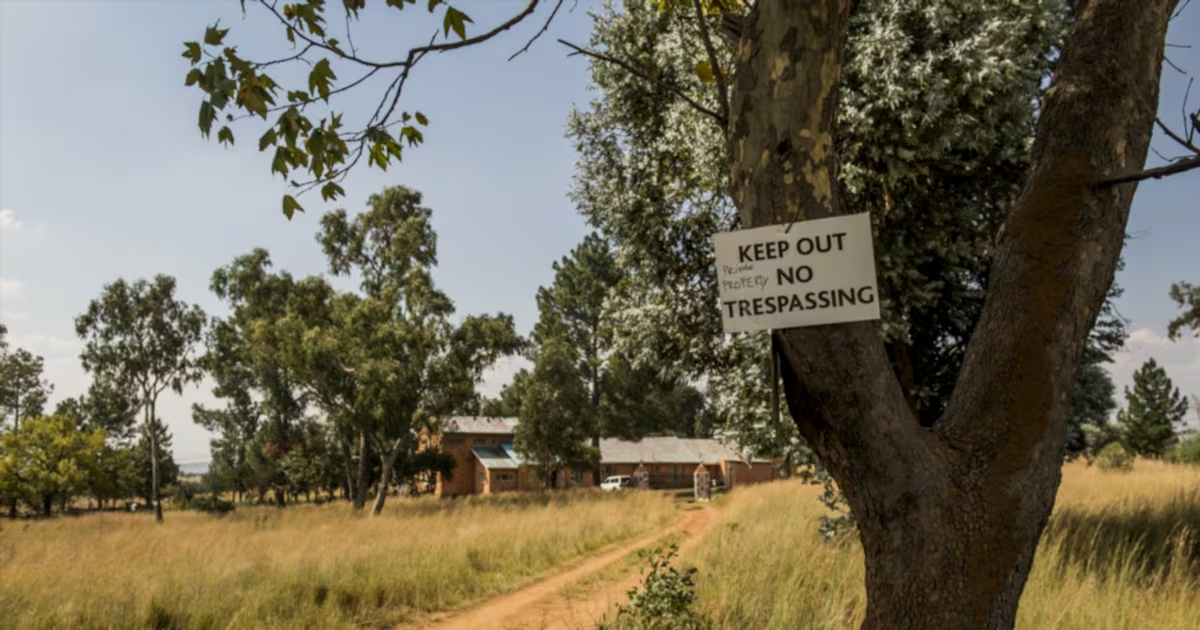
Land remains the most concrete symbol of colonial conquest and apartheid dispossession. The post-1994 land reform project has failed to deliver meaningful restoration because it operates within a constitutional order that protects property relations produced through conquest. The current court challenge therefore brings South Africa back to a question that the constitutional settlement never resolved: sovereignty.