Story audio is generated using AI
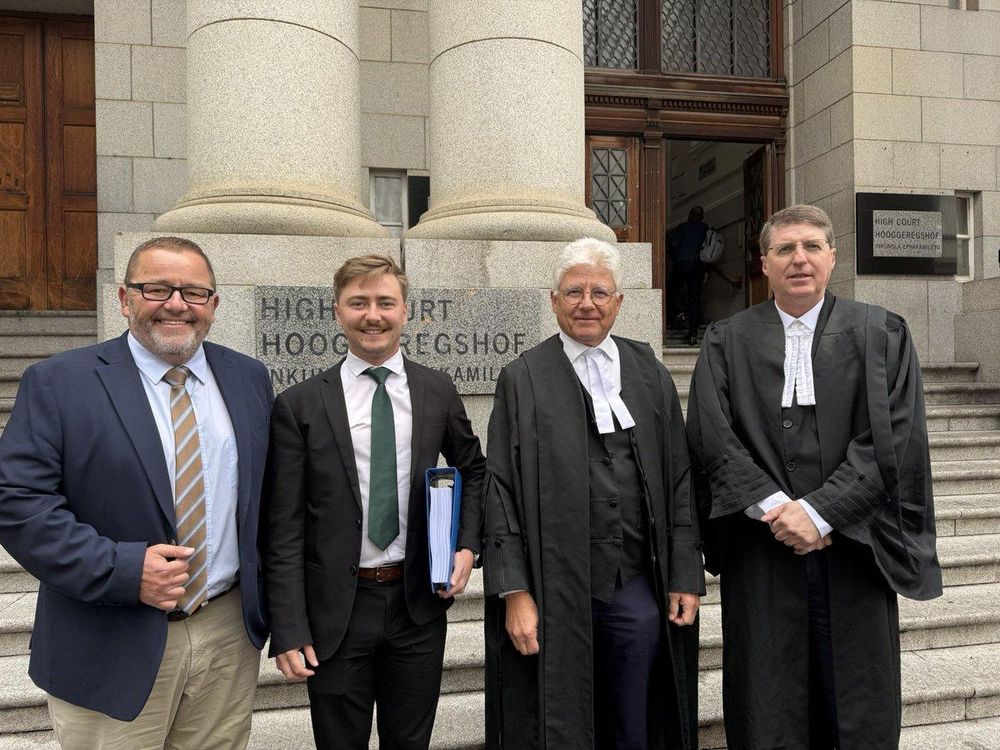
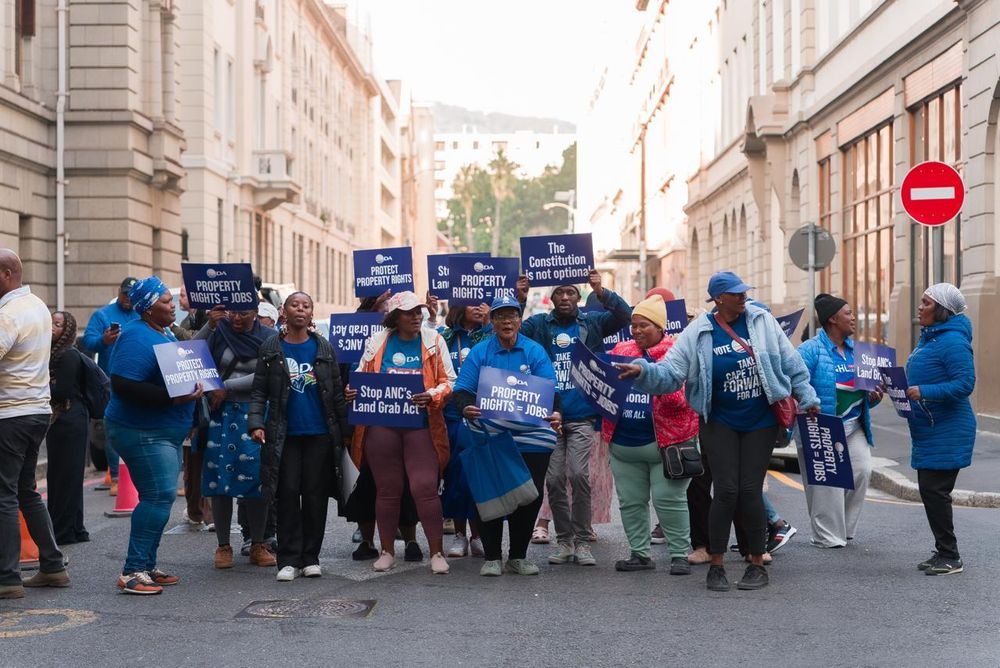
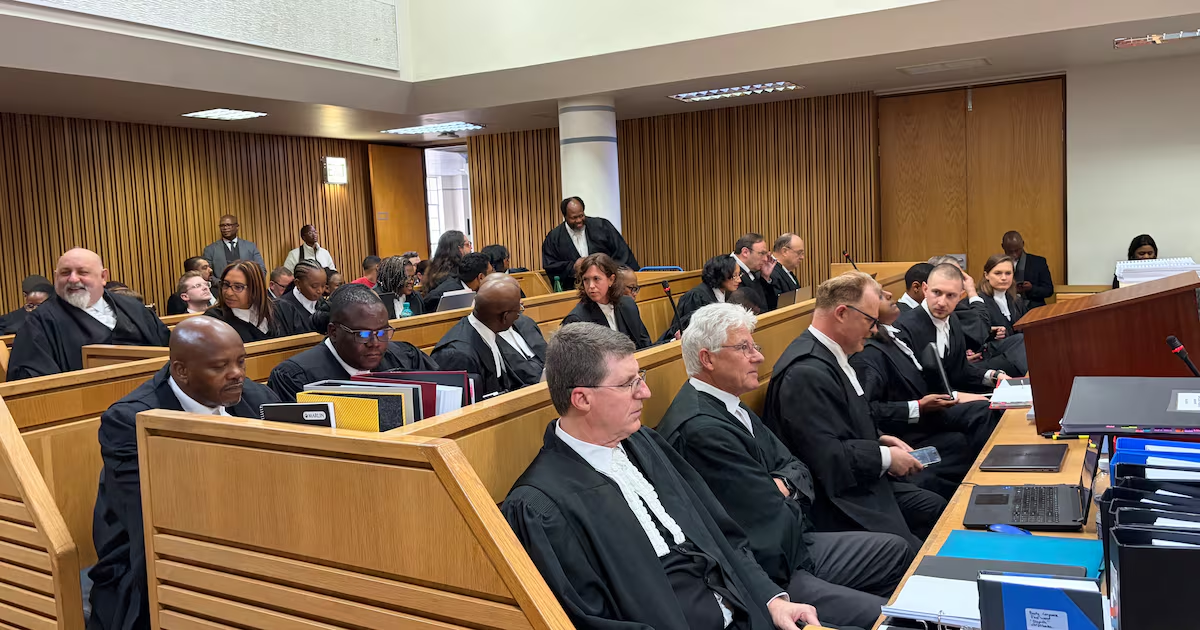
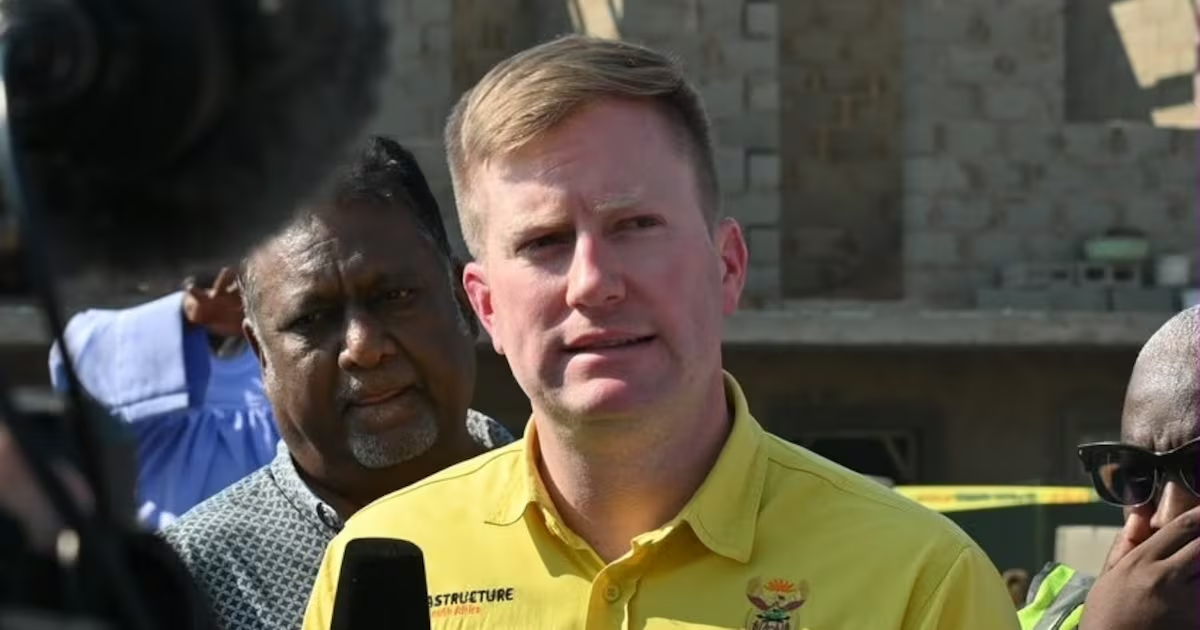
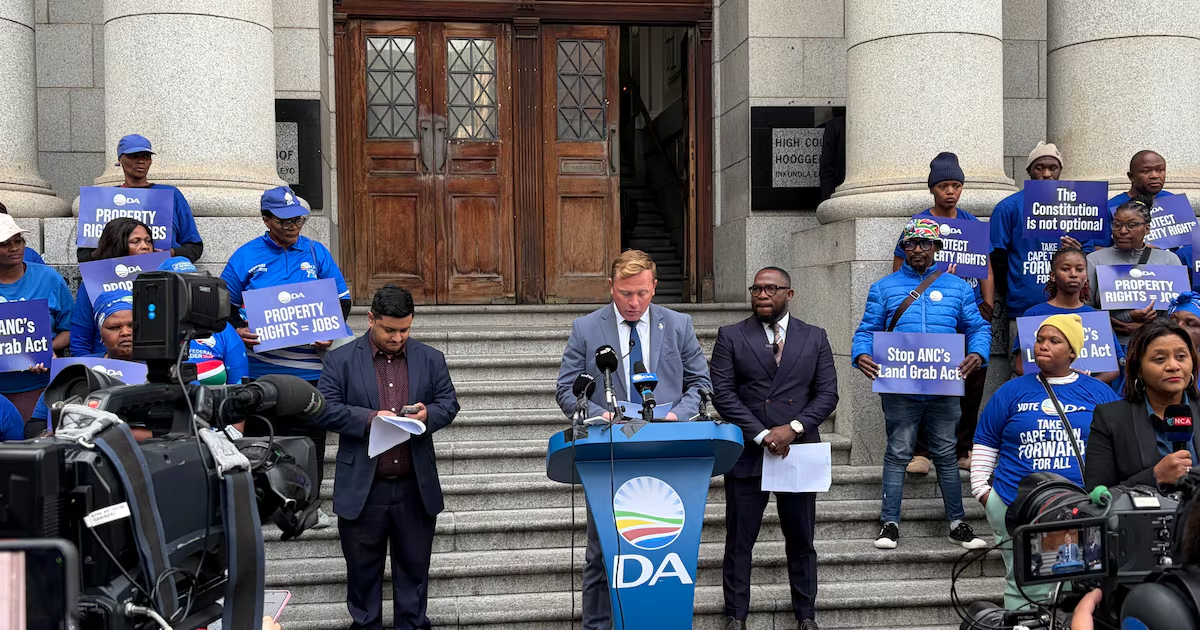
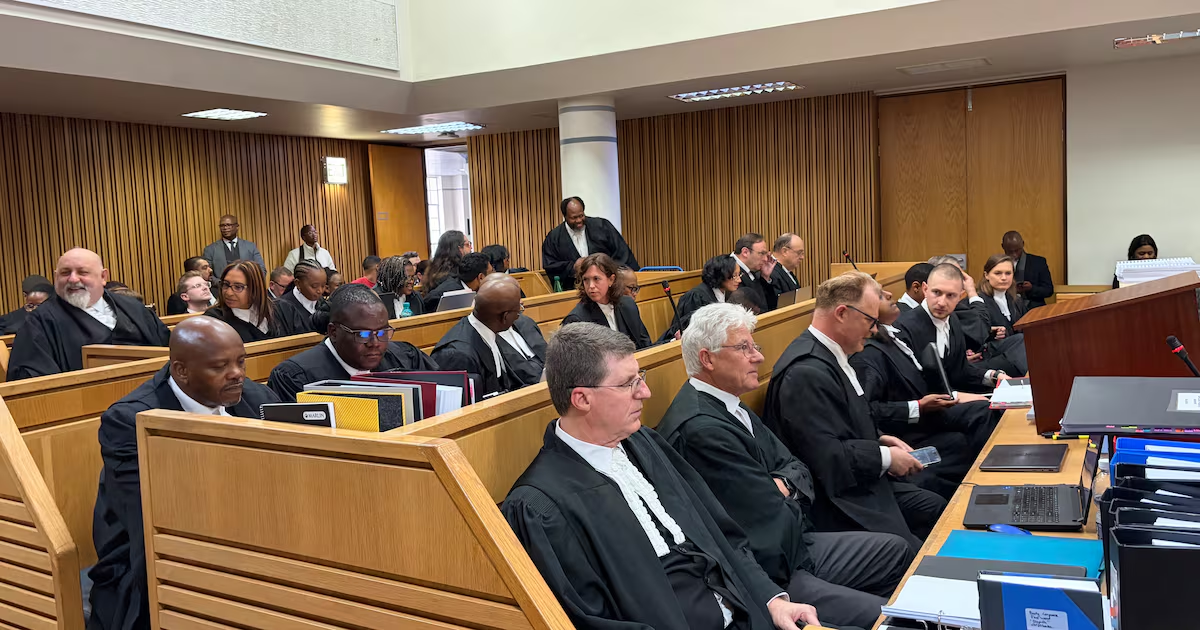
The fight over South Africa’s new Expropriation Act has become as much about whether the Western Cape High Court can hear the challenge as it is about whether the law itself is constitutional.The DA wants the court to strike down provisions of the act, arguing that parliament breached constitutional requirements when it was passed. But the president, parliament and provincial legislatures have spent much of the hearing arguing that the DA has failed to establish that the Western Cape High Court has jurisdiction to decide some of those challenges in the first place.That jurisdictional argument could determine whether the court ever reaches the substance of some of the DA’s claims.Kate Hofmeyr, representing the provincial legislatures, argued that the DA chose to bring its case in the Western Cape despite challenging conduct by five provincial legislatures outside the court’s territorial jurisdiction.Her argument was that the DA must establish a recognised legal basis for the court to hear the case in its founding papers. It could not, she said, introduce new grounds of jurisdiction during the hearing to cure deficiencies in its original case.The DA argued, among other things, that the case concerned the National Council of Provinces, which sits in Cape Town, and that the national application of the Expropriation Act provided a basis for jurisdiction.Hofmeyr rejected this, arguing that the DA had not challenged the conduct that actually occurred in the NCOP but rather the mandates issued by provincial legislatures elsewhere.She also rejected an argument that minister of public works Dean Macpherson’s decision to concede to the court’s jurisdiction could resolve the problem.Hofmeyr argued that Macpherson had not established that he was speaking on behalf of national government and that, in any event, consent could not create jurisdiction where no recognised jurisdictional basis existed.The provincial legislatures also attacked the substance of the DA’s challenge to the mandates used to pass the legislation.Hofmeyr argued that the DA had failed to identify a constitutional provision requiring provincial mandates to be issued only in plenary sessions. Section 116 of the constitution, which allows provincial legislatures to determine and control their internal arrangements, proceedings and procedures, was central to the argument.The respondents’ position was that the provincial legislatures had adopted rules allowing them to deal with mandates according to their own procedures and that the constitution gave them room to do so.The case then moved to the disputed provisions of section 19 of the Expropriation Act, which deals with compensation disputes.Lerato Zikalala, also representing the provincial legislatures, argued that an apparent drafting error in section 19 was narrow and capable of being cured without striking down the entire act.She said parliament had changed the legislation so that compensation disputes would generally be dealt with before expropriation but had failed to update a cross-reference in section 19.The provincial legislatures therefore supported a reading-in remedy rather than invalidating the act.The hearing also considered section 19(8), which concerns the effect of appeals against compensation decisions.Phillip Mokoena SC, appearing for National Assembly speaker Thoko Didiza, argued that the provision should be understood as applying to appeals over the amount of compensation after a court has already determined the expropriation and the just and equitable compensation payable.Read: Presidency defends ‘just and equitable’ standard in Expropriation ActHe argued that allowing such an appeal to automatically suspend the expropriation could delay projects undertaken in the public interest.The DA disputes this interpretation and argues that section 19(8) goes too far in allowing an expropriation to proceed while an appeal is pending.Running through the entire case is therefore a bigger constitutional question: how far can parliament go in giving effect to the state’s power to expropriate property, and what limits does the constitution impose on that power?But before the court answers that question, it may first have to answer another: does it have the power to hear all of the DA’s challenges at all?That could make the jurisdiction battle one of the most consequential parts of the case.