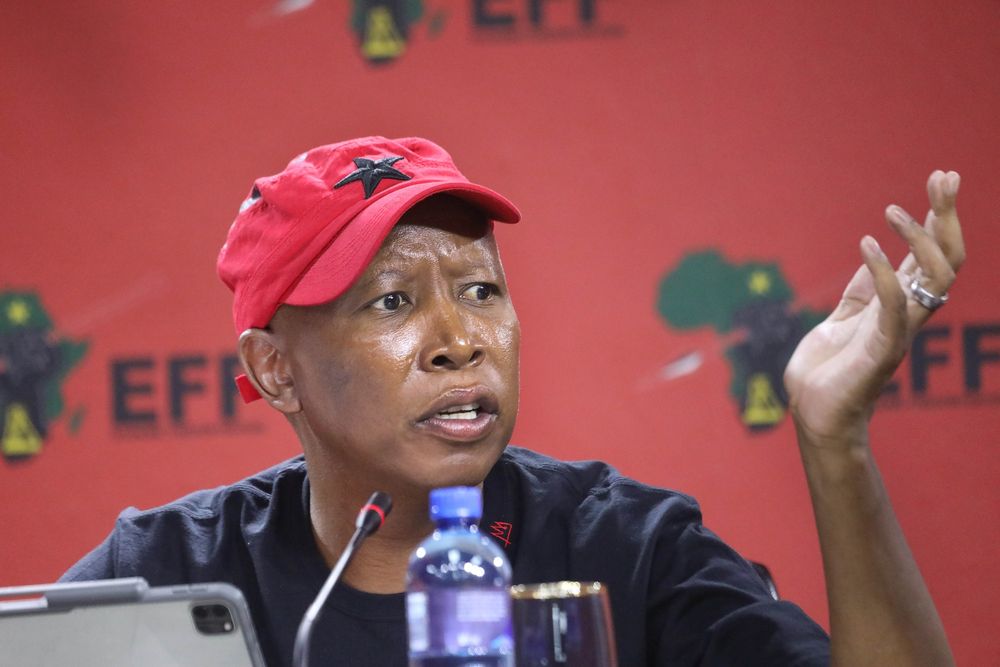
EFF MP Carl Niehaus explained why the party joined as a respondent in the Western Cape High Court to defend the Land Expropriation Act
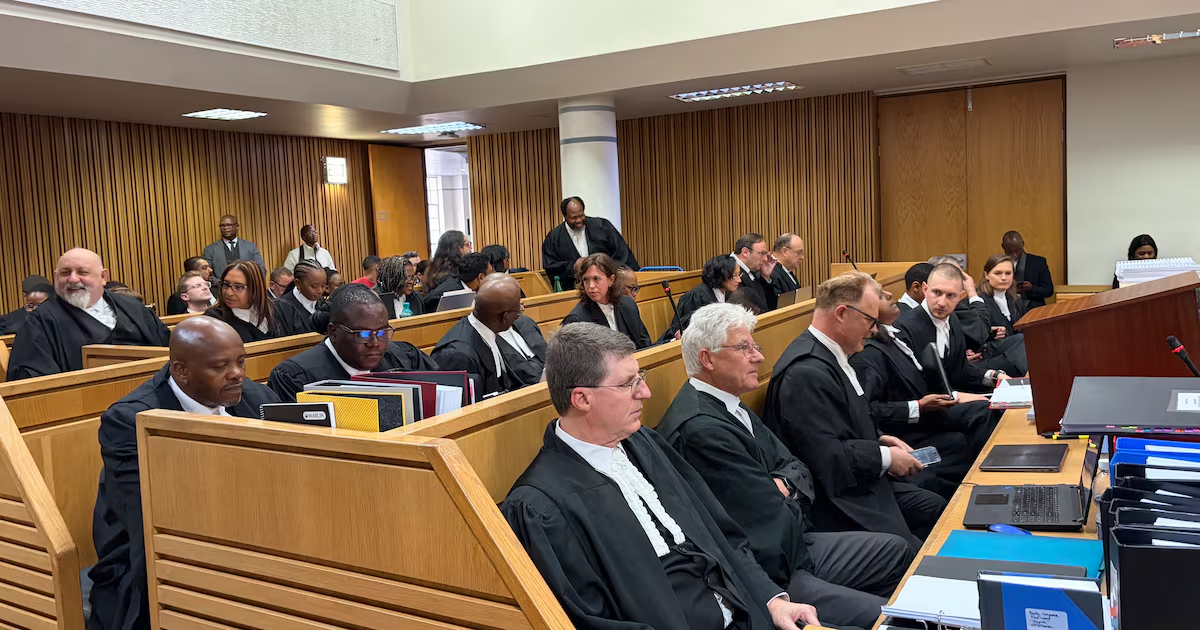
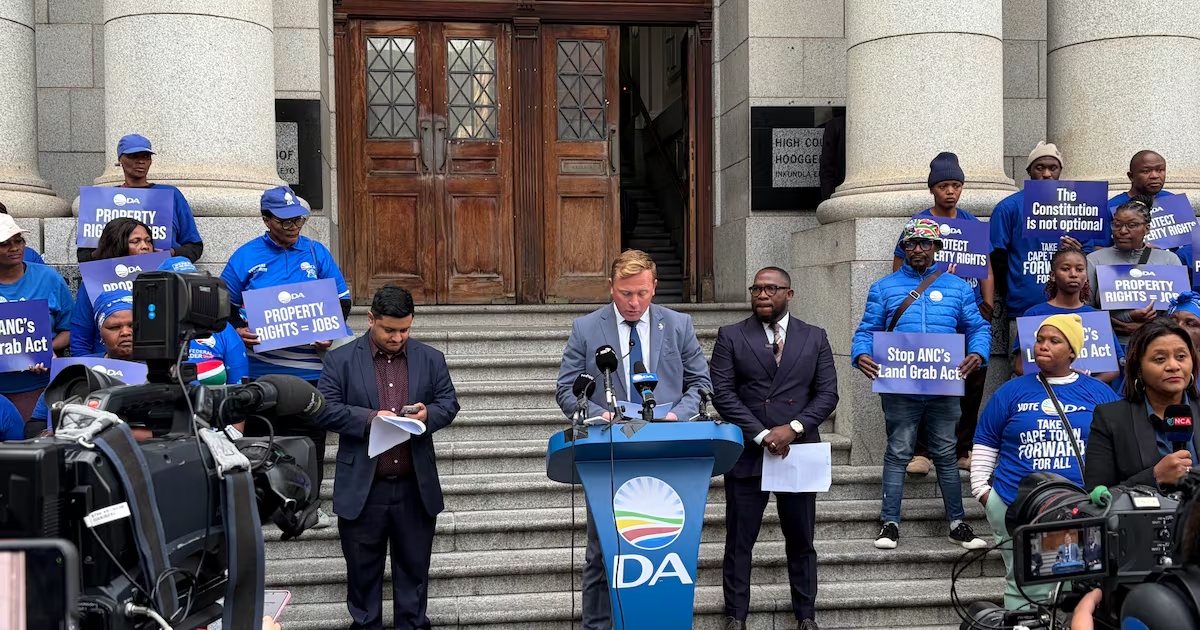
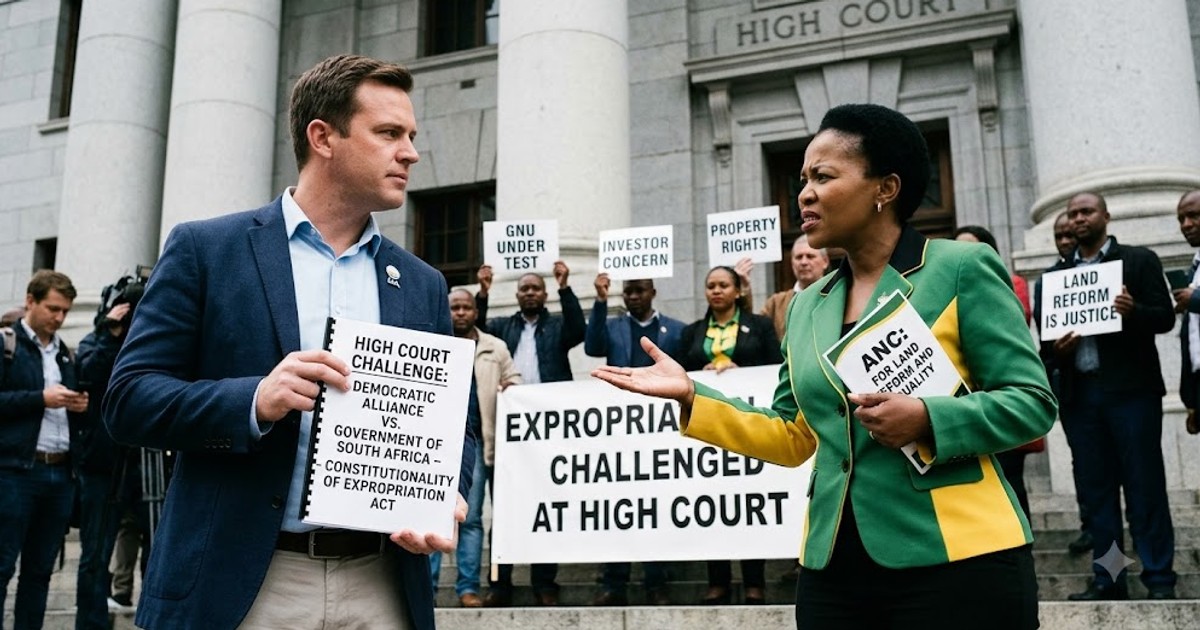
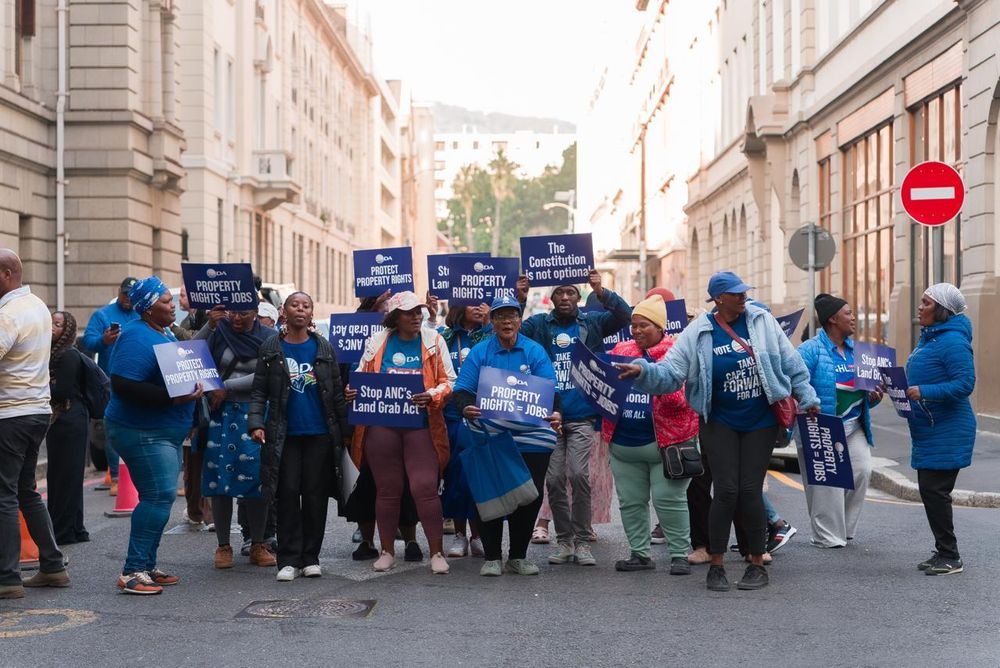
The Western Cape High Court is currently seized with a matter of profound historical and constitutional significance. AfriForum, the Democratic Alliance, the Institute of Race Relations and their allies have launched a determined legal assault on the Expropriation Act 13 of 2024. Their objective is clear: to dilute, delay or destroy even the limited mechanisms the Act provides for expropriation in the public interest, including the possibility of nil compensation in carefully defined circumstances. The Economic Freedom Fighters have intervened and been joined as the sixth respondent. We did so deliberately, unapologetically and as a matter of principle.
Let us be clear from the outset: the Expropriation Act 13 of 2024 is by no means perfect. It does not nearly go far enough. The EFF has said so repeatedly, both during the parliamentary process and after the Act was signed into law. Our founding vision, articulated in the Founding Manifesto and reaffirmed in every subsequent policy document, demands far more radical transformation. We call for the transfer of all land in South Africa to the ownership and custodianship of the state, without compensation, in the same way that mineral and petroleum resources were transferred through the Minerals and Petroleum Resources Development Act of 2002. Under such a system, the state would administer land for sustainable development and equitable use. Private ownership of the land itself would end. Use rights would be granted through time-limited licences and leases. No individual or corporation would hold land in perpetuity. This is the only approach capable of fundamentally reversing the colonial and apartheid patterns of ownership that continue to define our society more than three decades after the formal end of white minority rule.