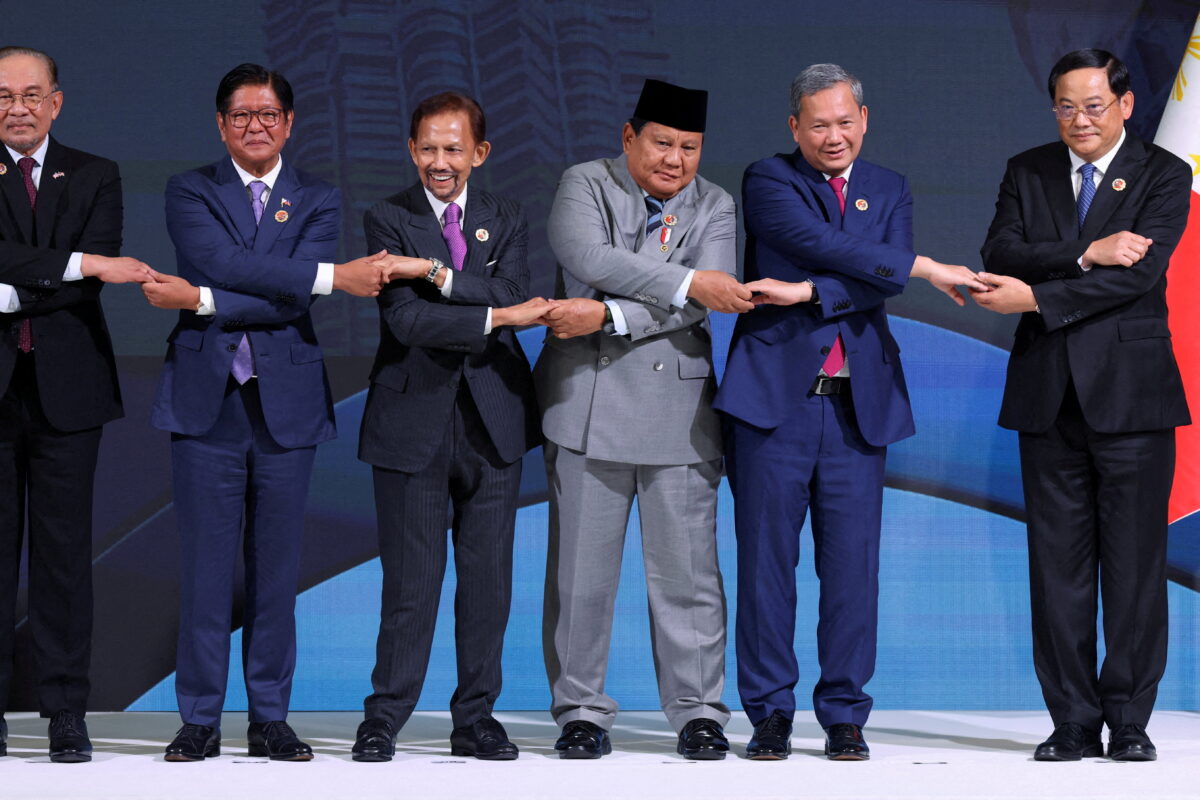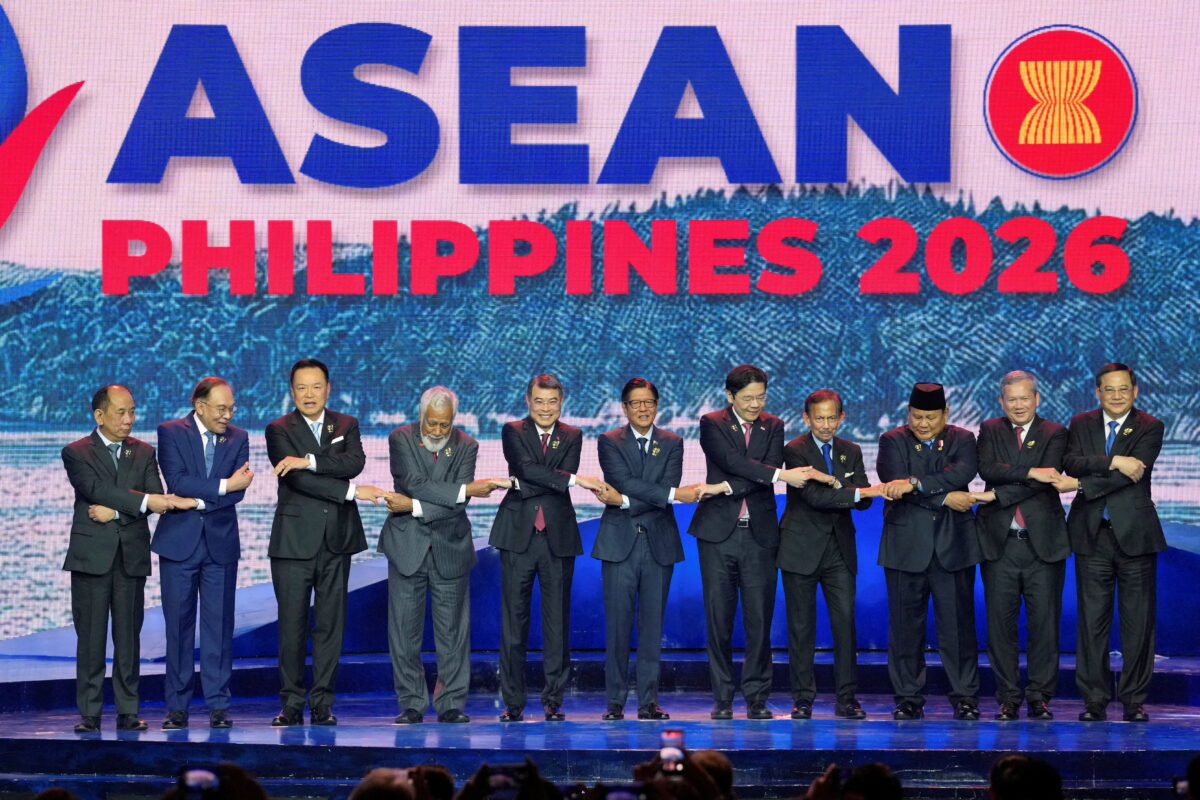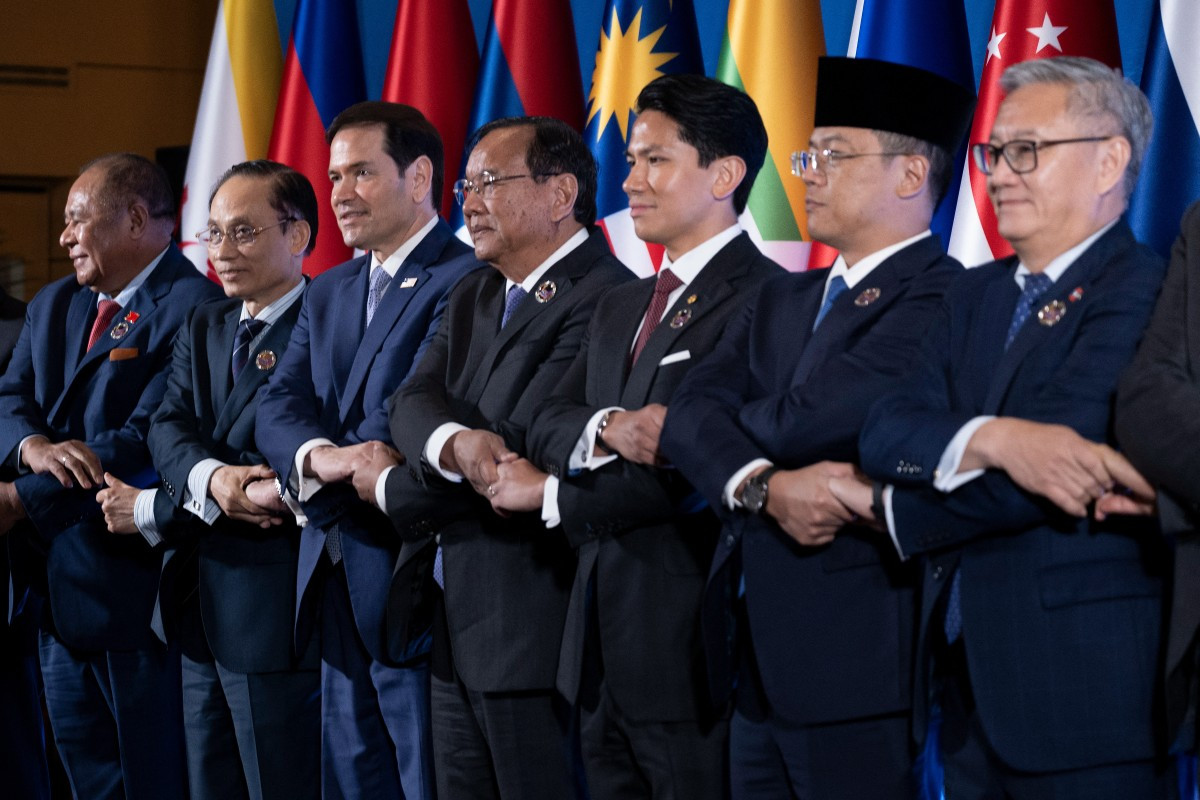
JAKARTA—Southeast Asia is rapidly learning that a neutral stance is no longer a shield against global economic warfare. At a recent high-level roundtable in Jakarta, policymakers from Association of Southeast Asian Nations (ASEAN) member states were joined by their counterparts from Japan, the United States, and Europe to grapple with a harsh new reality: The region’s deeply integrated “just-in-time” supply chains are fracturing under the weight of US tariffs, Western investment screening, and Chinese overcapacity. For a bloc of 700 million people historically dependent on open global markets, the era of passive hedging is over. To survive the intensifying tech war between Washington and Beijing, ASEAN must pivot to coordinated resilience, leaving behind its fragmented economic neutrality to build its own defensive economic shields.
Coordinated resilience means building trusted, diversified, commercially viable supply chains that preserve national agency without forcing countries into rigid geopolitical blocs. Crucially, it means halting hyper-fragmented, unilateral approaches. ASEAN member states are already experimenting with their own resilience strategies: Indonesia has restricted exports of unrefined nickel ore to capture more value domestically, while the Philippines and Singapore have sought closer alignment with US-led technology-security initiatives such as Pax Silica. These steps are not misguided, but they are insufficient if they remain purely national or bilateral. To avoid becoming collateral damage in global great-power competition, ASEAN member states need a framework for collective action. This starts by reforming the current protectionist approach for domestic industries into a tool for proactive coordination. By evolving its consensus-based model toward flexible, plurilateral coalitions, ASEAN member states can dismantle stubborn internal trade barriers while signaling to their citizens that regional unity is a prerequisite for economic survival.