WANG XIAOYING/CHINA DAILY
Against a somber backdrop of global volatility — characterized by the resurgence of protectionist tariffs, fractured supply chains and persistent conflicts in the Middle East — the necessity for closer collaboration among Asian economies has never been more acute.
As the traditional pillars of global trade face unprecedented strain, the East Asian region is increasingly being looked upon as the world's primary engine of growth and stability.
In this context, China continues to serve as the regional economic stabilizer. Its performance in the first quarter of 2026 manifested remarkable resilience, defying the "decoupling" narratives that have dominated Western discourse. With solid year-on-year GDP growth of 5 percent in the first quarter, underpinned by a significant 15 percent surge in total exports and imports, China has injected much-needed momentum into the regional economy. This growth provides a vital anchor, offering a sense of predictability in a landscape otherwise rattled by geopolitical tensions and supply chain shifts.
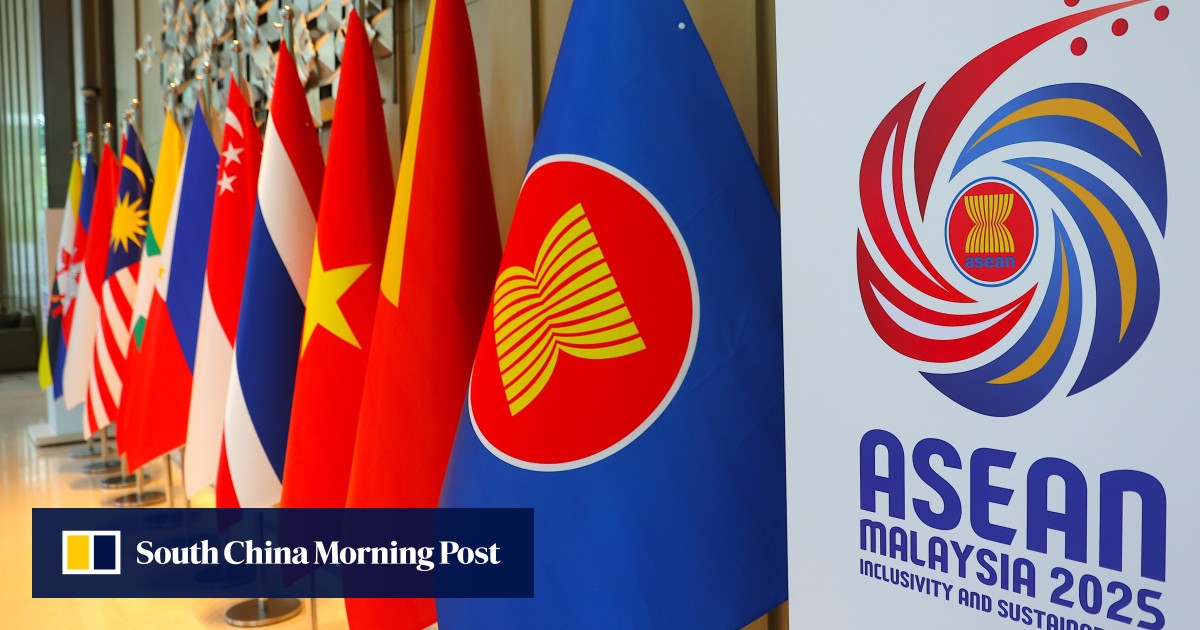
From the Chinese perspective, Malaysia is always well remembered for its proactiveness in bridging China with the Association of Southeast Asian Nations by inviting China to the ASEAN Foreign Ministers' Meeting in 1991. This laid the foundation for the China-ASEAN dialogue partnership.