With the policy world’s attention fixed on a major defense gathering elsewhere in Southeast Asia, many missed an important announcement from Manila on May 30 that negotiations on ASEAN’s Digital Economy Framework Agreement (DEFA) had finally concluded. DEFA is the world’s first regional digital economy agreement, setting common rules for cross-border data transfers, e-commerce, cybersecurity, AI and talent mobility, among other areas. With Southeast Asia’s digital economy projected to reach $1 trillion by 2030, DEFA is ASEAN’s bid to write the rules for its digital future.
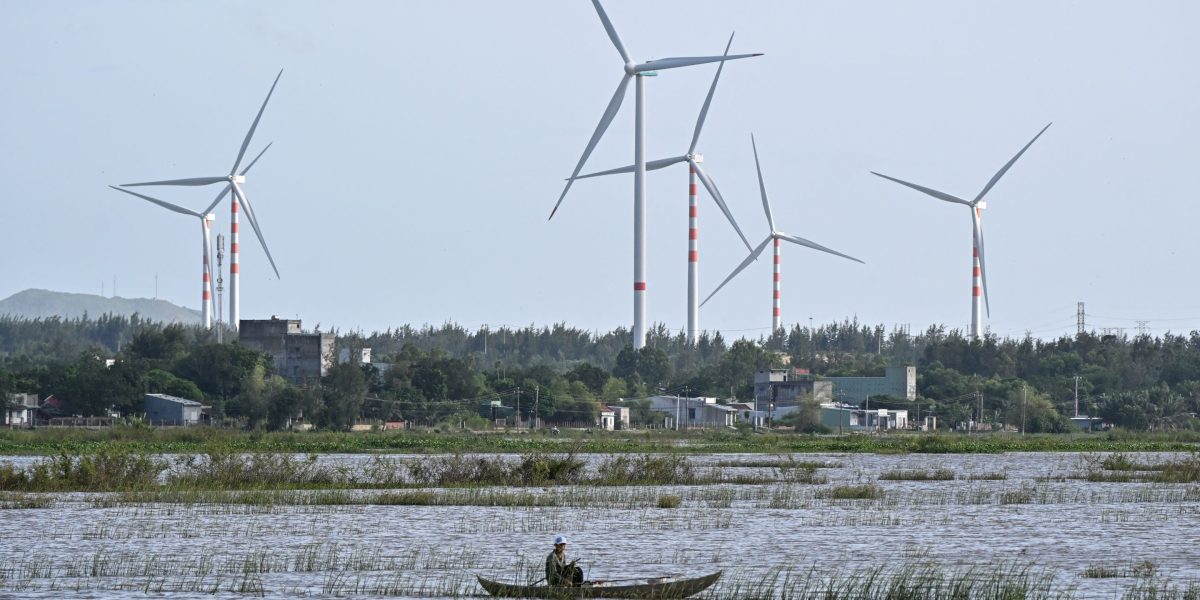
In recent years, the regional organization has also committed to increasingly ambitious sustainability initiatives. For example, the ASEAN Socio-Cultural Community (ASCC) Blueprint 2025 states that ASEAN “envisions the achievement of a sustainable environment in the face of social changes and economic development,” in areas ranging from wildlife conservation to sustainable cities.
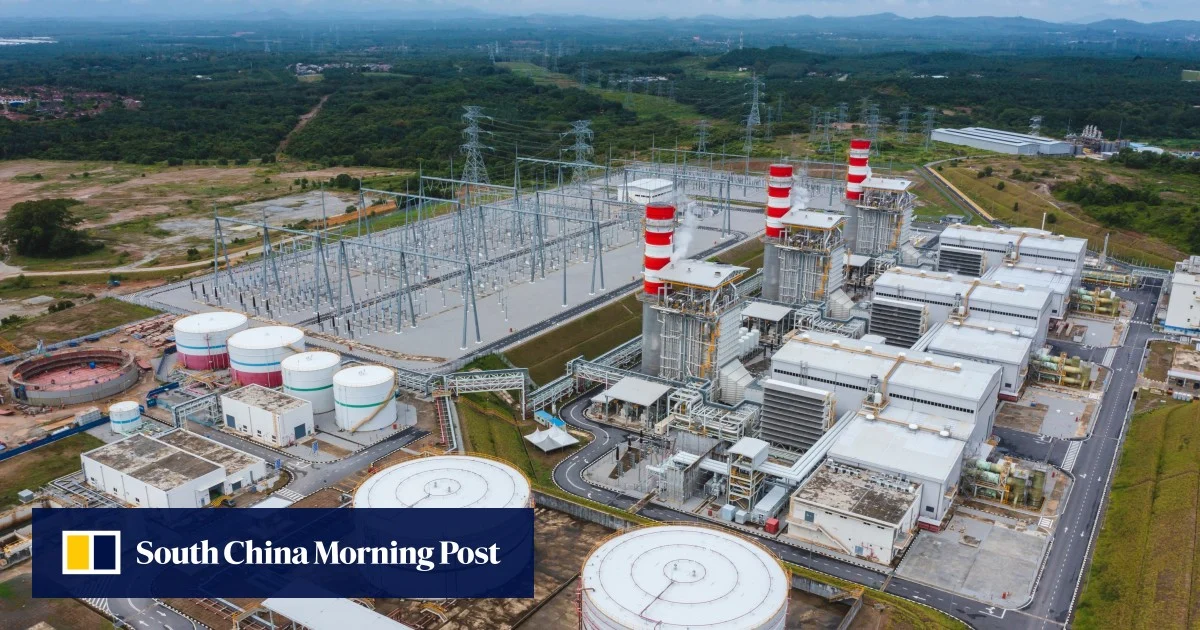
These digitalization and sustainability goals are potentially in tension. Take the example of data centers. Reports show that while they currently consume only 1.5 percent of global energy production, increasingly power-hungry server farms account for an ever greater percentage of electricity consumption every year. In Malaysia, for example, estimates suggest that data centers may account for 30 percent of national power consumption by 2030. Globally, the cooling of these centers also consumes up to 1.5 million liters of water per day, with facilities dedicated to artificial intelligence (AI) training projected to increase yearly global carbon emissions by 1.2 percent by 2030.