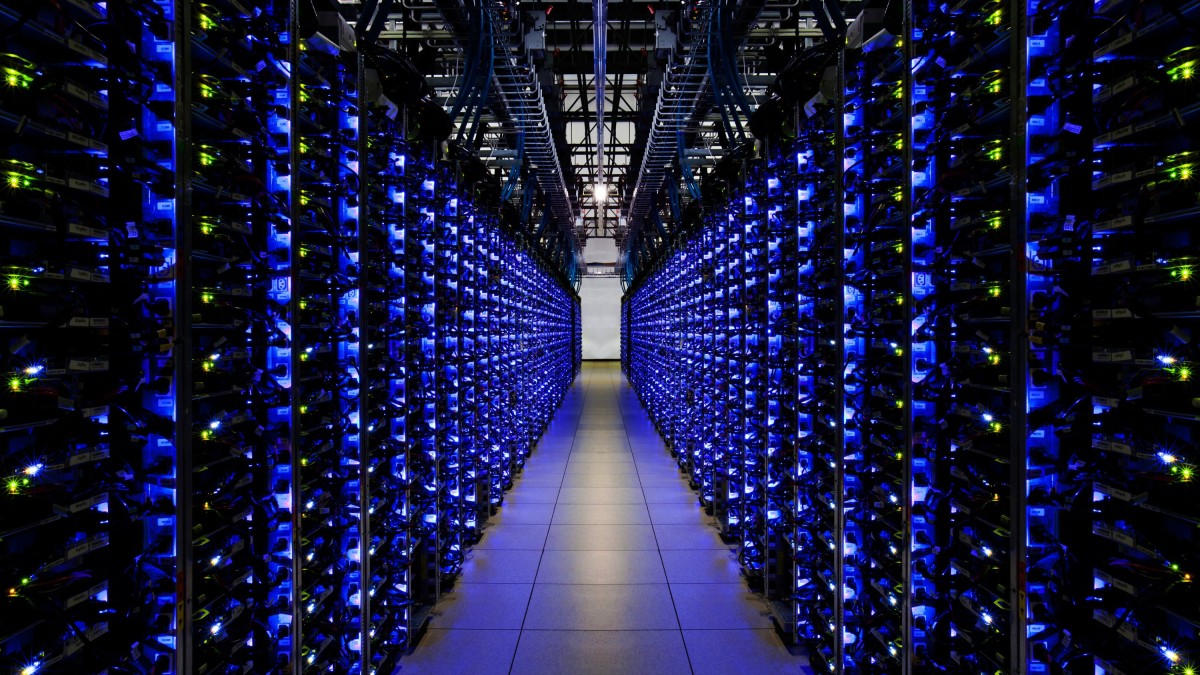
The International Energy Agency reports that energy demand across Southeast Asia rose at twice the global average rate in 2024 and finds that consumption is set to double by 2050. To maintain rising living standards, economies across the region are pushing into higher-value and more energy-intense industries, data centres being one obvious example.
That creates a problem.
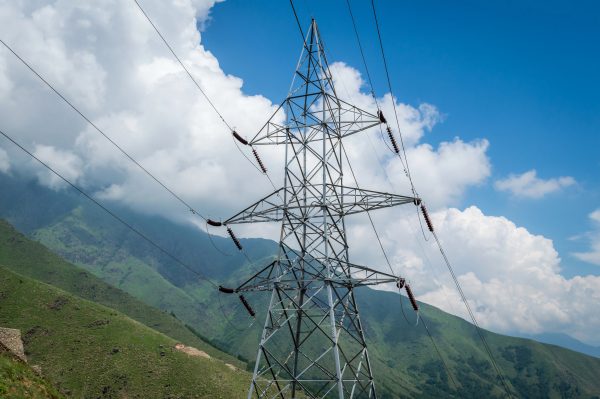
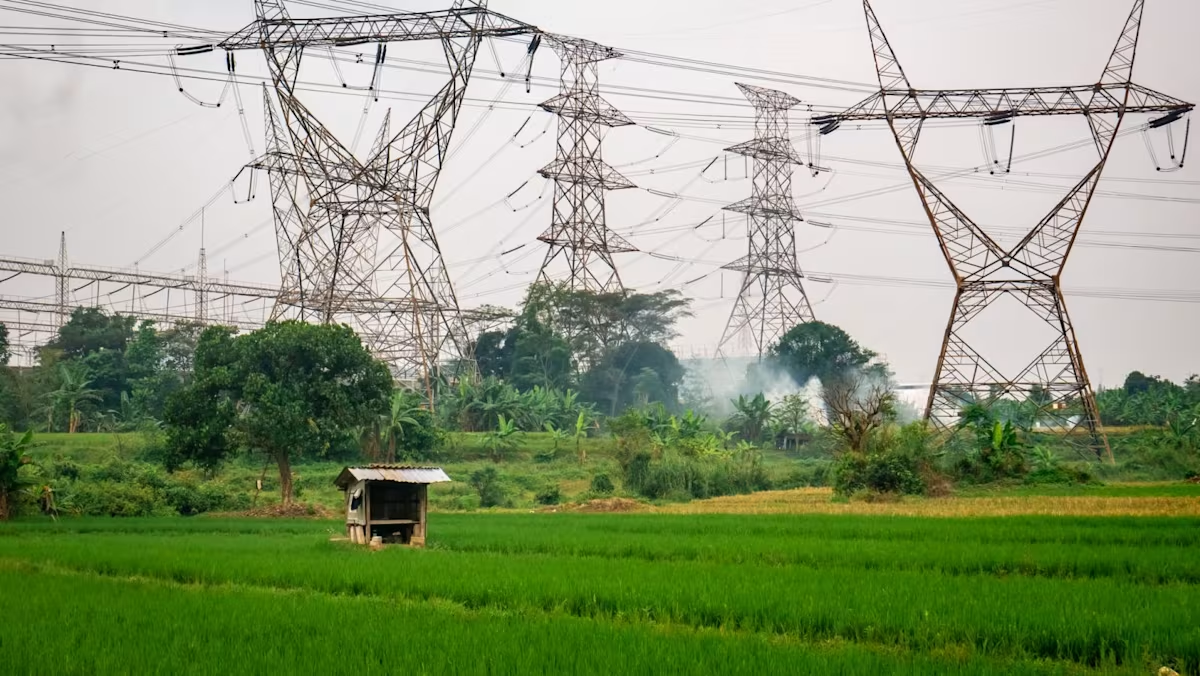
The ASEAN nations enjoy vast but as yet largely untapped potential for renewable energy, especially PV solar, and onshore and offshore wind. The IEA puts potential supply at 20 terawatts, roughly 55 times the region’s present generation capacity. And this energy would be cheap. But the increase in overall demand is for now far outpacing new supply from renewables. Until that changes, ASEAN nations remain dependent on rising fossil fuel imports that expose them to price risk, potential supply disruptions, and increasing greenhouse gas emissions.
Asian corporate executives have focused recently on coping with tariffs and trade restrictions, potential supply chain disruptions and geopolitical insecurity—rather than energy and power. In the latest EY-Parthenon Global CEO Outlook survey, Asia-Pacific CEOs expressed greater unease than their peers in Europe and the Americas about geopolitics, macroeconomics and trade. They must not lose sight of how investment in modernizing energy supply and transmission today will provide considerable benefits including, but not limited to, low-cost power. And they should mobilize all sources of finance, private and public, for projects to achieve this.