Academia
To withstand rising superpower aggression, Southeast Asia and the Pacific island nations must abandon timid neutrality and unite around a shared, principled strategy to safeguard their regions.
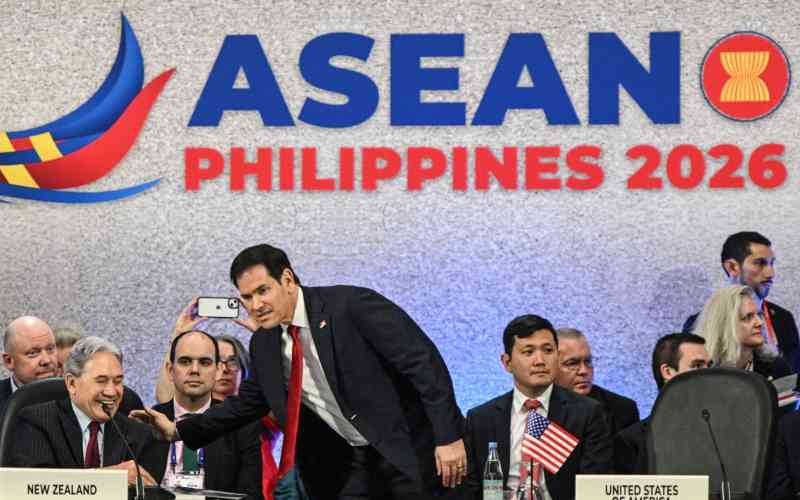
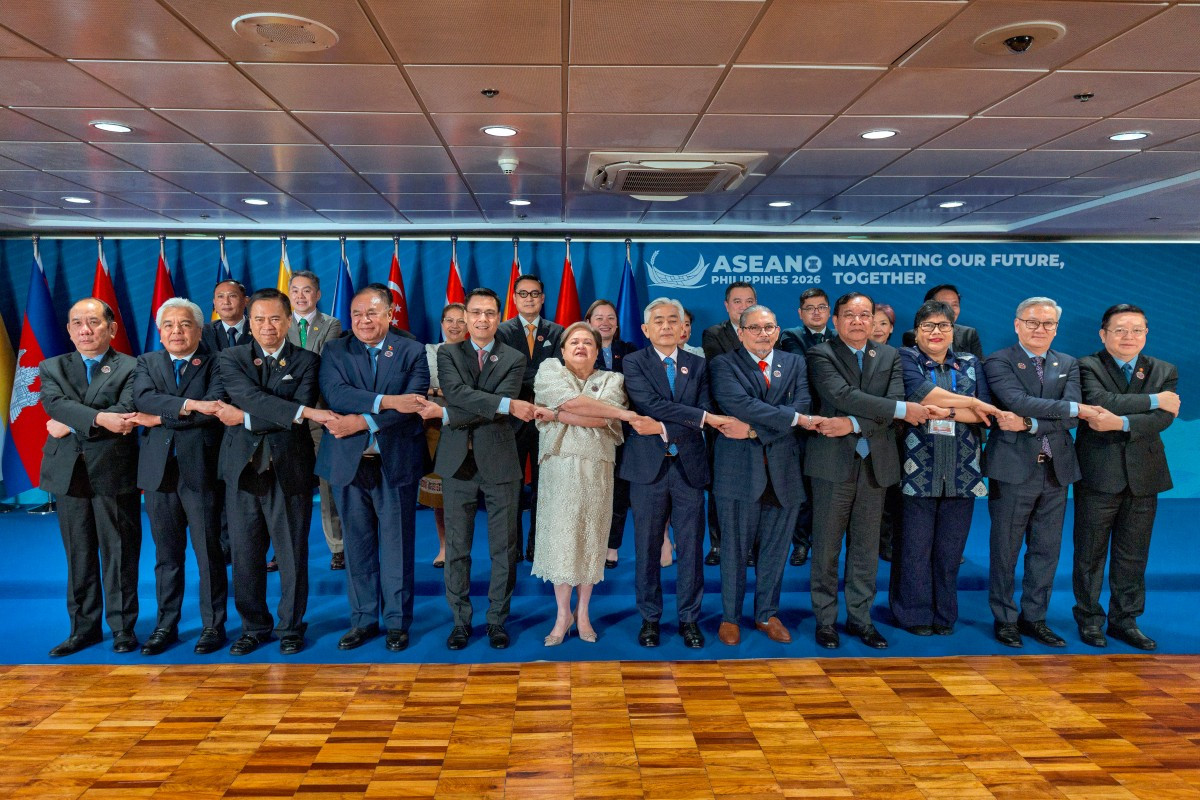
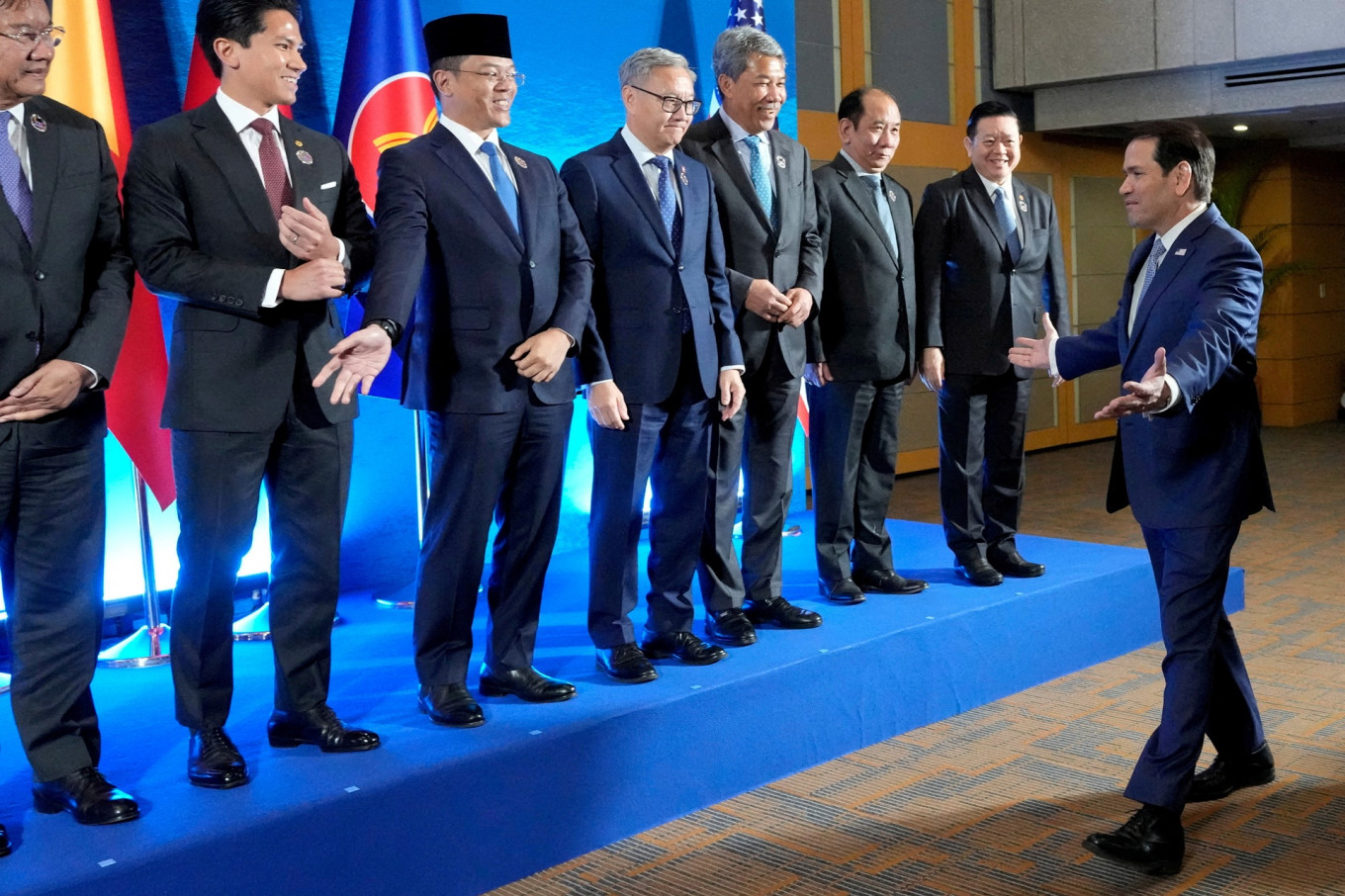
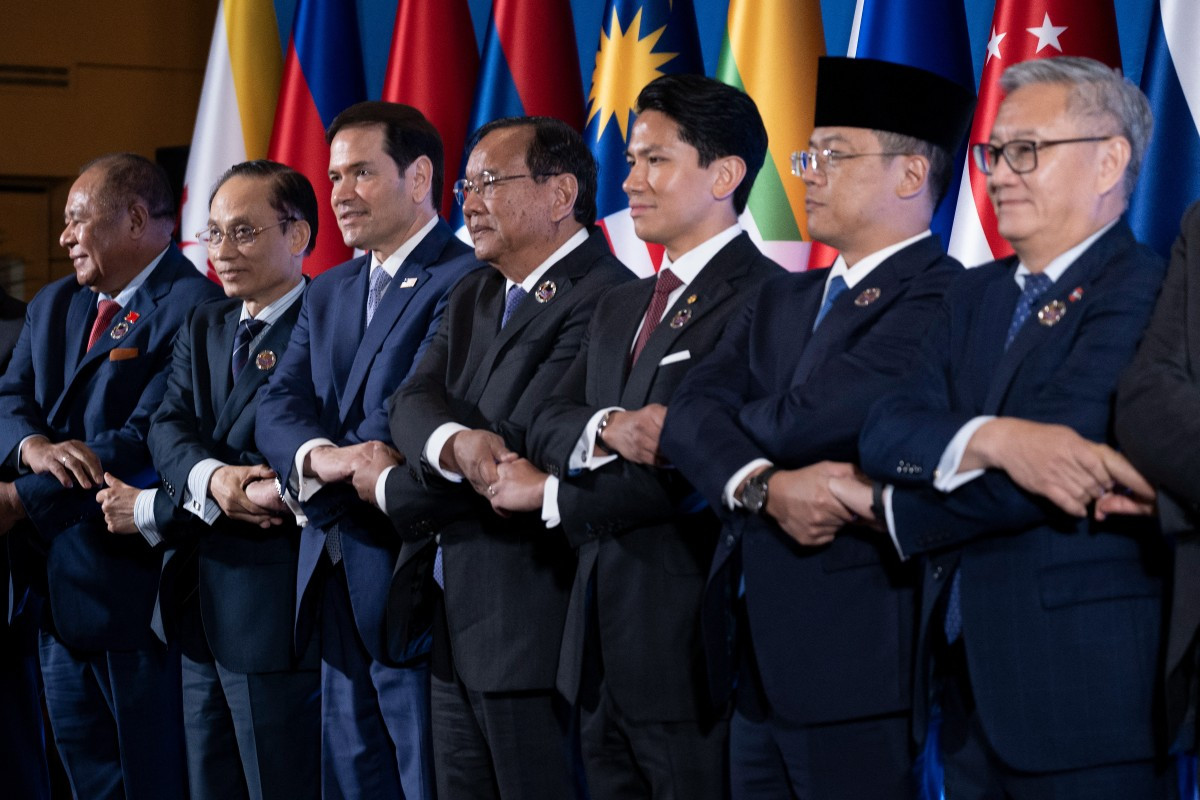
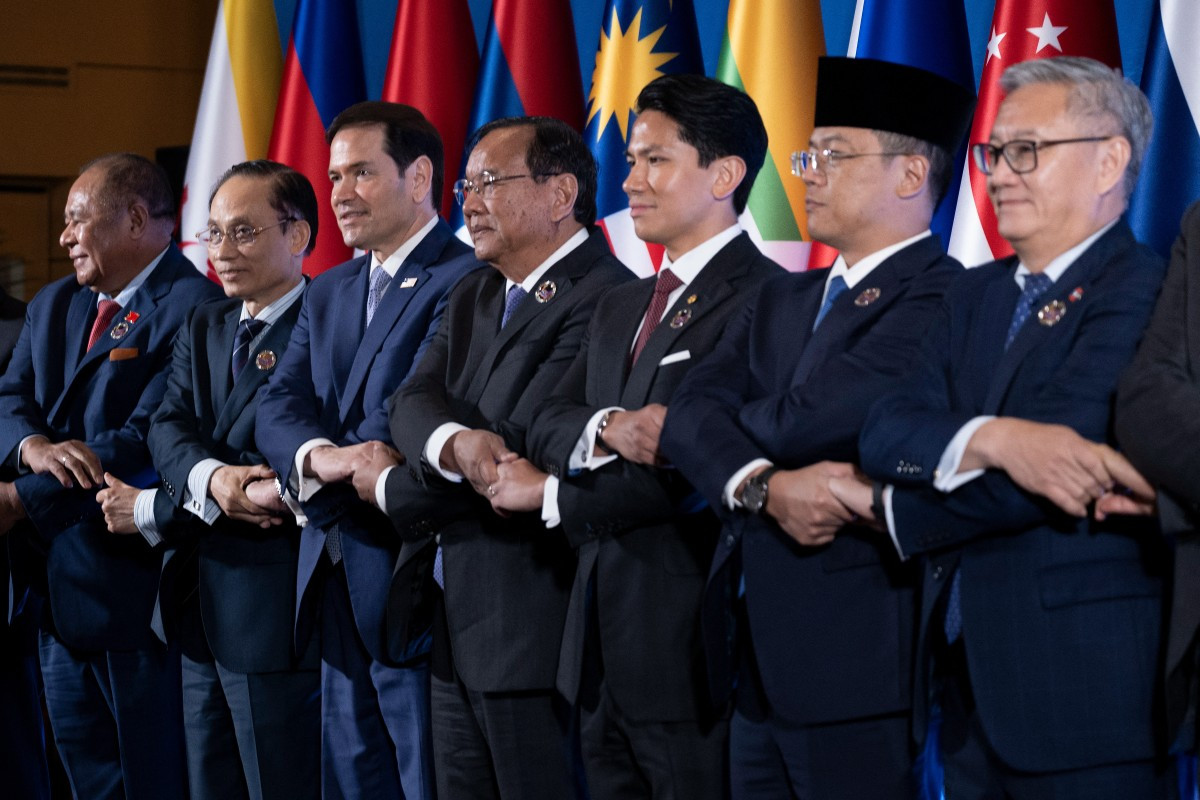
Timor Leste's Foreign Minister Bendito dos Santos Freitas, Vietnam Foreign Minister Le Hoai Trung, US Secretary of State Marco Rubio, Cambodia's Deputy Prime Minister and Foreign Minister Prak Sokhonn, Brunei Foreign Minister Abdul Mateen Bolkiah, Indonesia's Foreign Minister Sugiono, Laos Foreign Minister Thongsavanh Phomvihane, Malaysia's Foreign Minister Mohamad Hasan, Myanmar Permanent Secretary Hau Khan Sum and ASEAN Secretary-General Kao Kim Hourn join hands during the Association of Southeast Asian Nations (ASEAN) Foreign Ministers' Meeting in Pasay, Metro Manila on July 22, 2026. (AFP/Brendan Smialowski)
One of the proudest achievements of Malaysia’s ASEAN chairmanship was the inaugural summit between the Southeast Asian bloc and the Gulf Cooperation Council (GCC), a landmark gathering uniting Southeast Asia with the energy-rich monarchies of West Asia.Yet, the lack of substantive follow-through between the two regions underscores a fundamental reality: Establishing coordinated foreign policy across regional blocs, even before pursuing a common approach, is an inherently ambitious enterprise.