Imagine that two ASEAN members signed a mutual defence treaty and named it after the 2019 ASEAN Outlook on the Indo-Pacific, which asserts Southeast Asia’s openness and autonomy in the face of great-power rivalry. Now imagine that one of the signatories was plainly aligned with a protagonist in the very rivalry the Outlook was drafted to address.
Something very much like this has just happened in the Pacific.
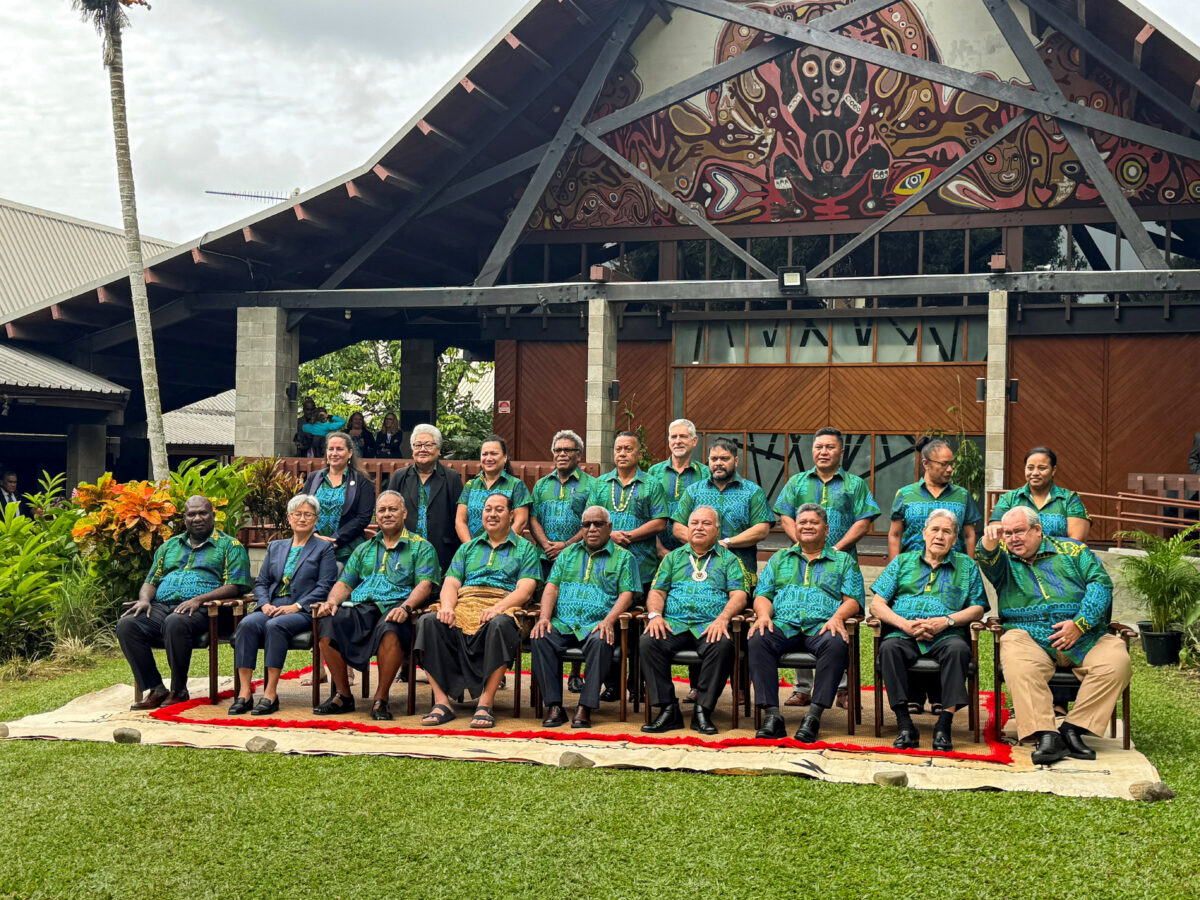
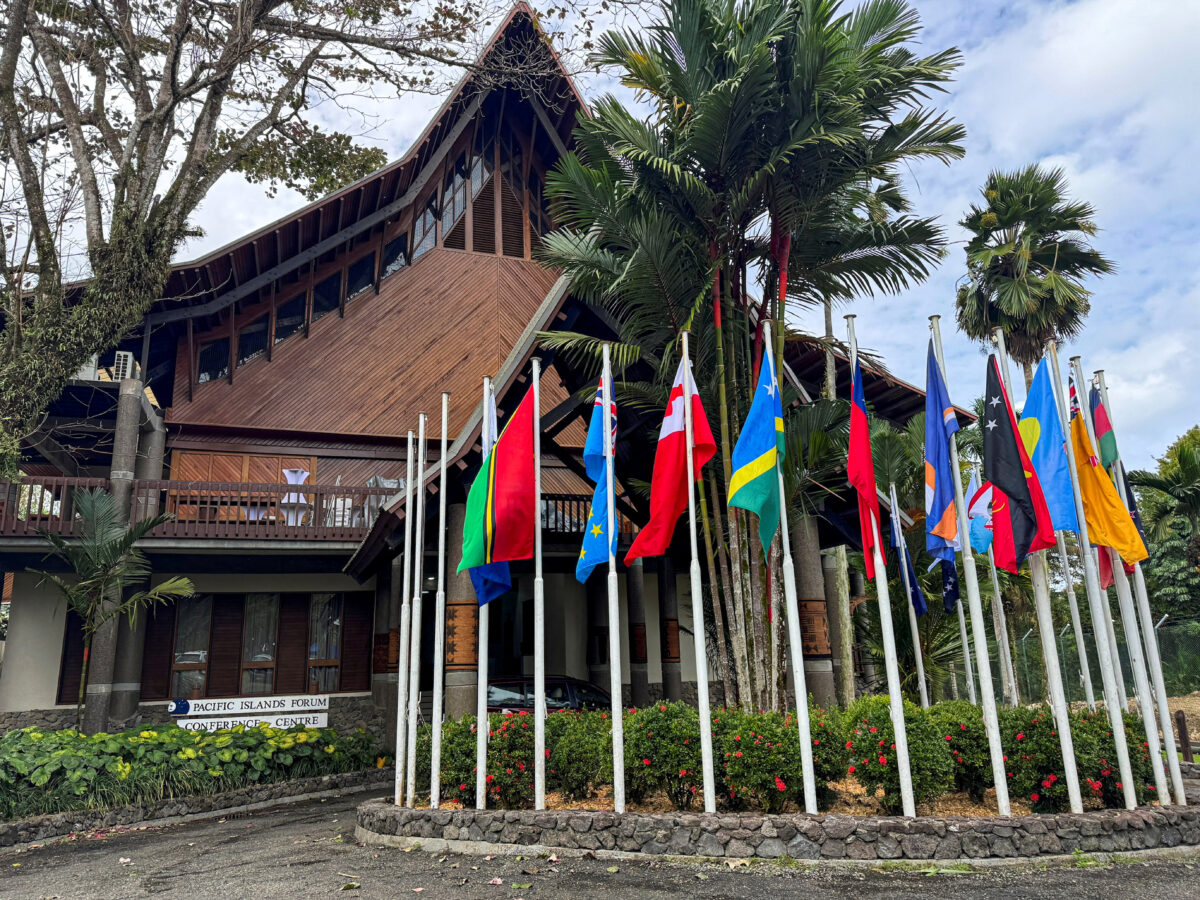
In this week’s lead article, Sandra Tarte looks at the fortunes of the Blue Pacific Ocean of Peace Declaration since it was adopted by leaders of the Pacific Islands Forum’s member states in Honiara in 2025. Less than a year later, Tarte writes, what the Declaration means and ‘whose narrative of peace should prevail’ in the Pacific are in doubt.
The Declaration was spearheaded by Fijian Prime Minister Sitiveni Rabuka, who first proposed the idea in 2023.
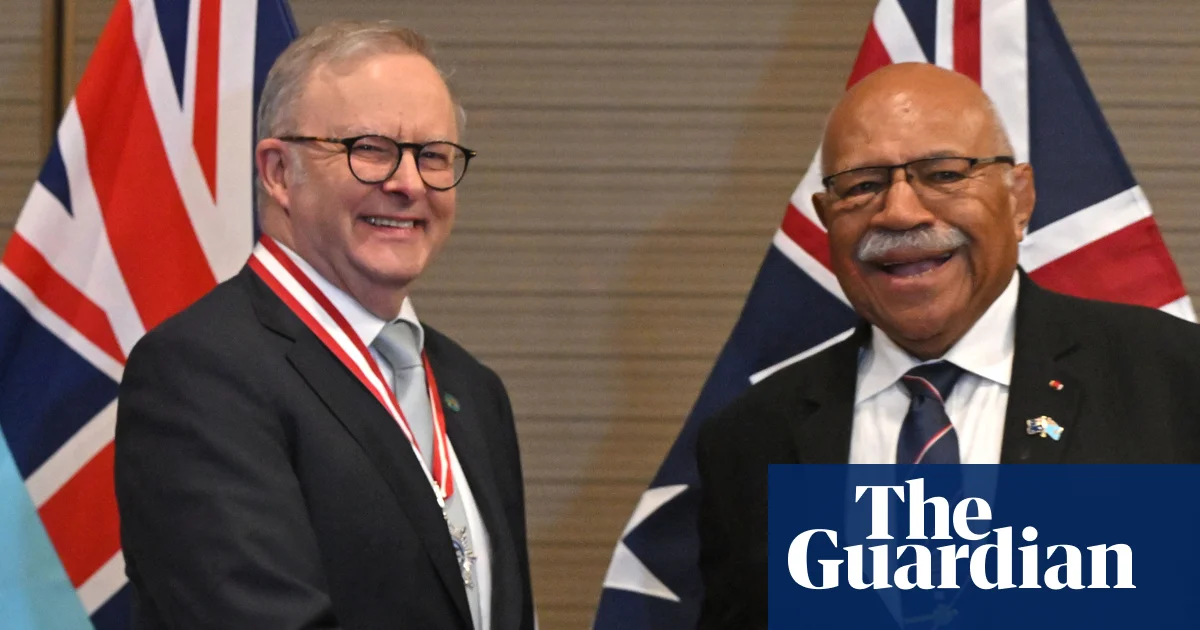
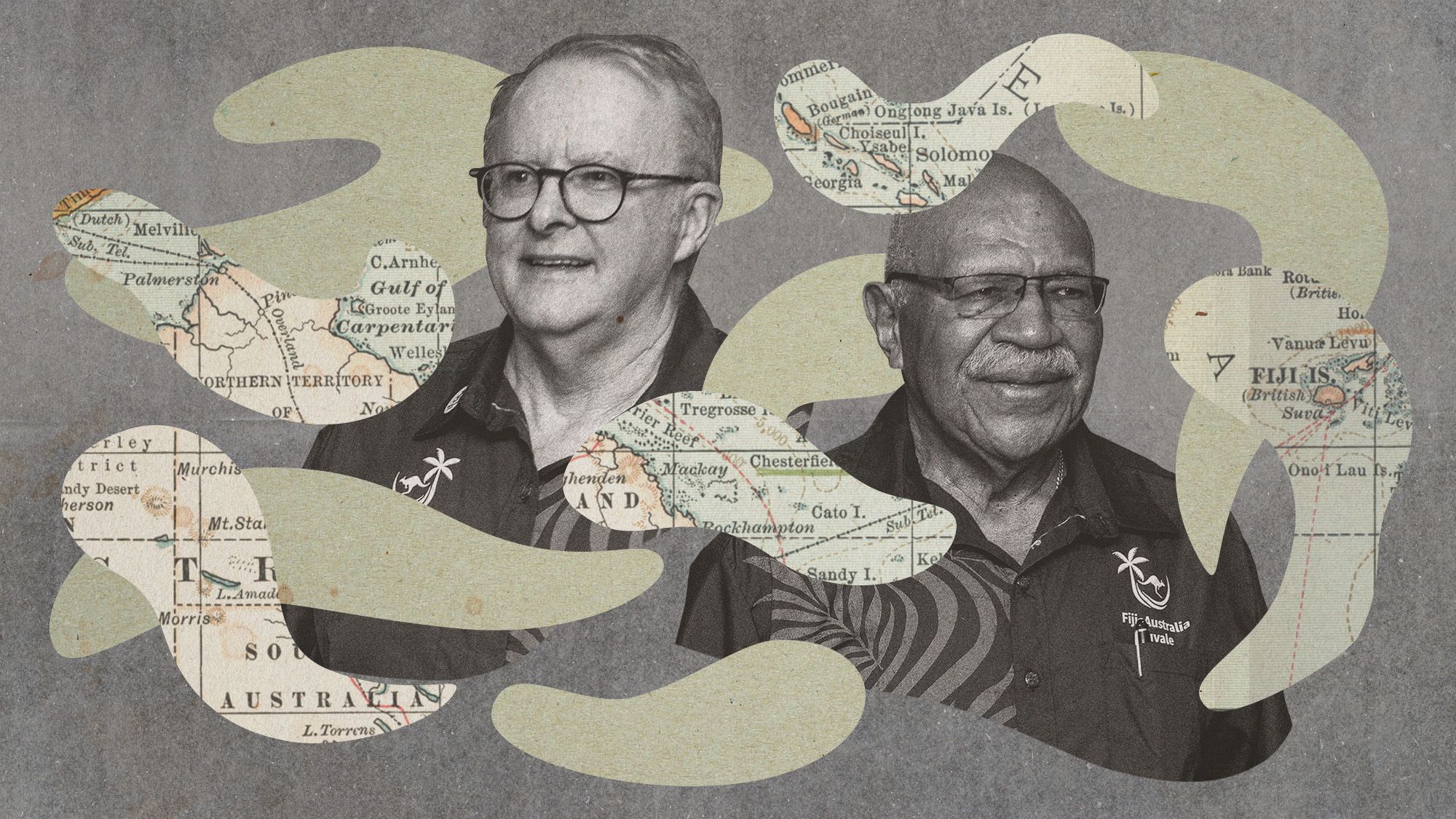
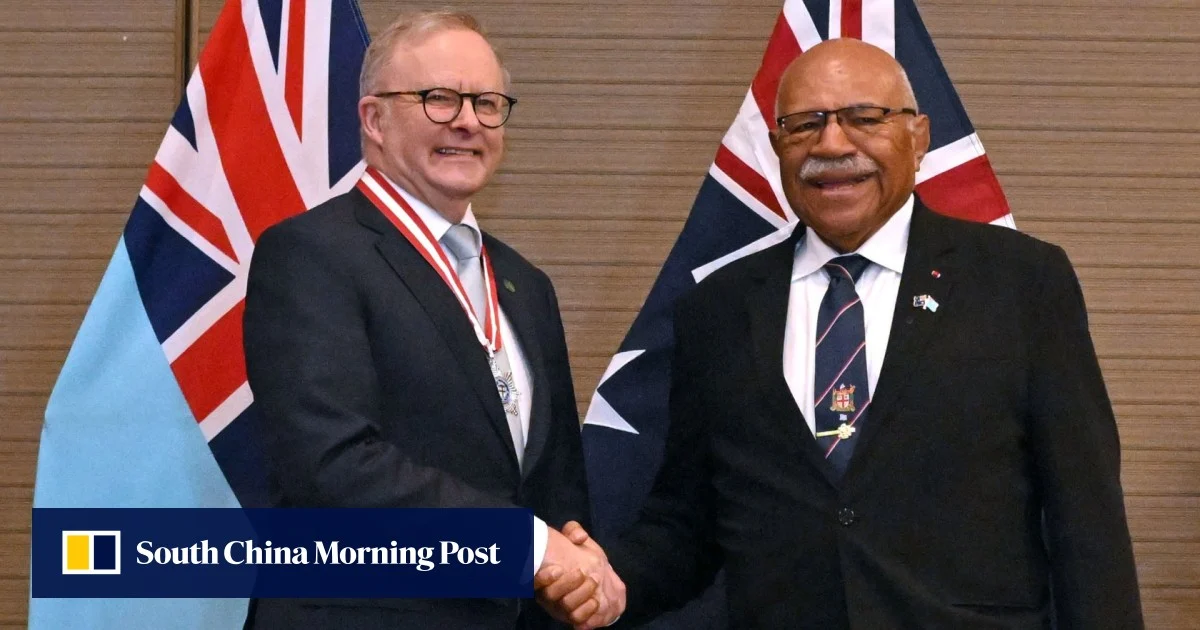
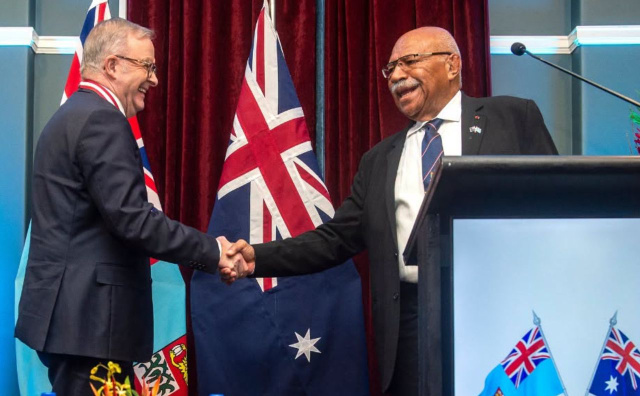
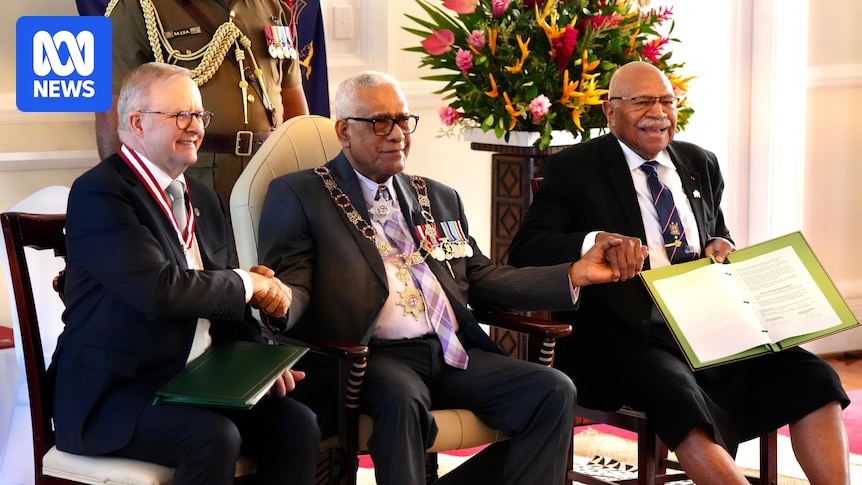
On 6 July 2026, Australia and Fiji signed the Vuvale Union and the Ocean of Peace Alliance, a mutual defence treaty ‘inspired by’ and ‘embedding’ the Declaration as ‘a cornerstone’ of both Australia and Fiji’s ‘national and regional policies and strategies’. There is talk of the deal being expanded to ‘effectively become a regional Blue Pacific Ocean of Peace defence alliance’ incorporating more Pacific states, including New Zealand.