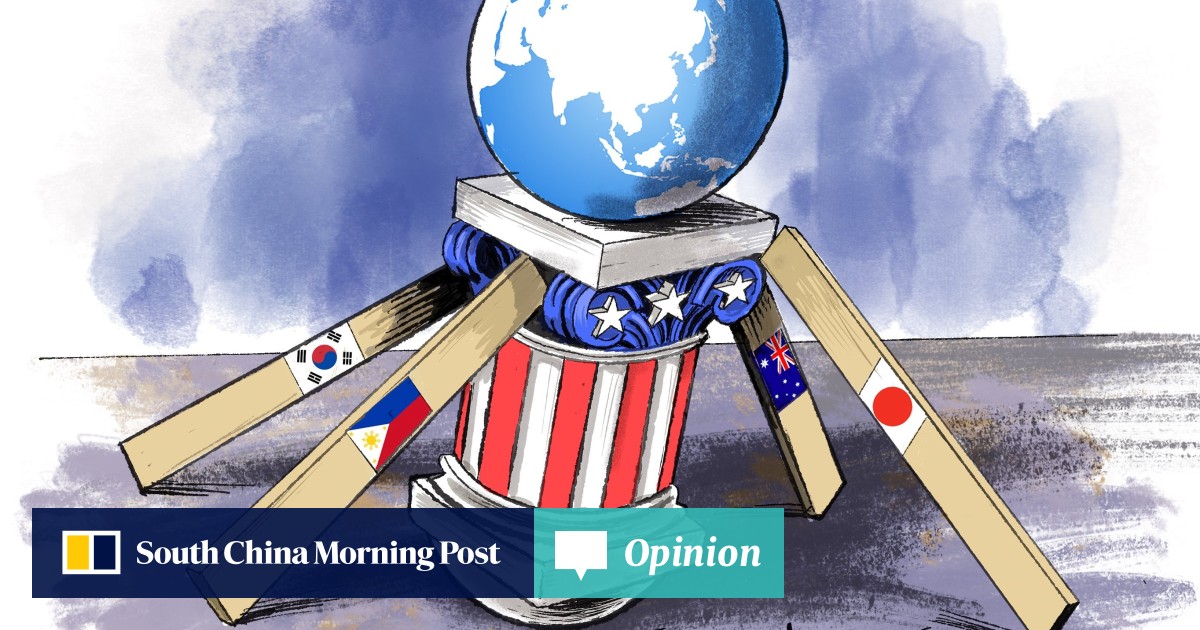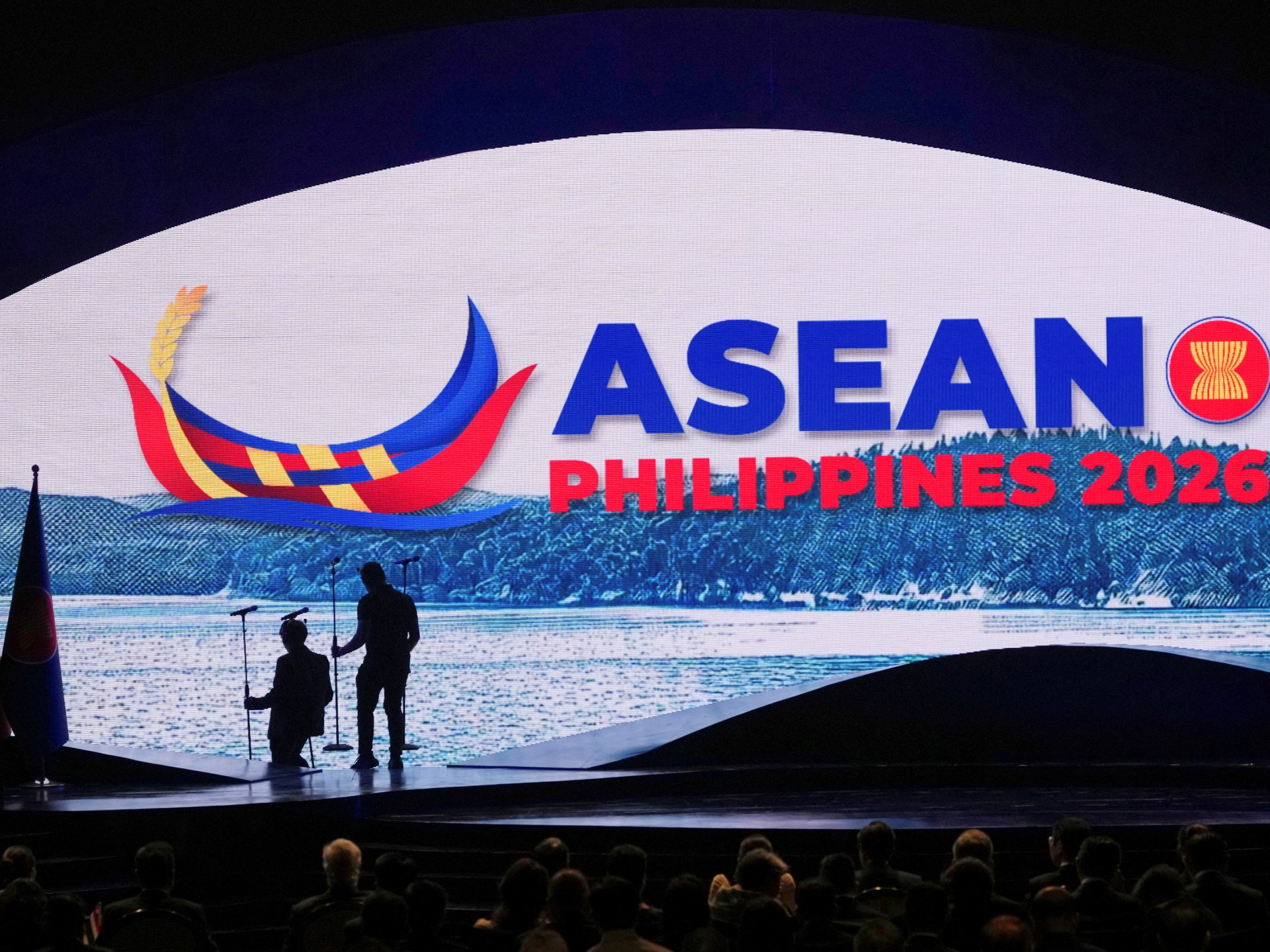
As China-U.S. tensions persist, will ASEAN remain a stage for competition between the two major powers? Or will the region become an actor that actively shapes the regional order by strengthening its own unity and institutional capacity? According to The State of Southeast Asia: 2026 Survey Report published by the ISEAS-Yusof Ishak Institute, as caution toward both the U.S. and China persists, the region is becoming increasingly aware of the need to bolster its collective autonomy by enhancing ASEAN’s resilience and unity. Japan needs to recognize its role in strengthening ASEAN’s autonomy as part of its own economic strategy.
Neither China nor the US: ASEAN’s Unstable Balance
It is true that in the 2026 edition, trust in China across ASEAN rose to 39.8 percent, surpassing distrust for the first time since the survey began. However, it is too early to conclude that ASEAN is siding with China. While China is widely seen as the most influential economic power in the region, more than half of respondents (55.4 percent) expressed concern about China’s expanding influence. As for the expansion of China’s political and strategic influence, 66.1 percent expressed concern. It is difficult to economically distance the region from China, but there is a strong sense of wariness in the political and security spheres across the region. This duality is the essence of how ASEAN citizens currently view China.