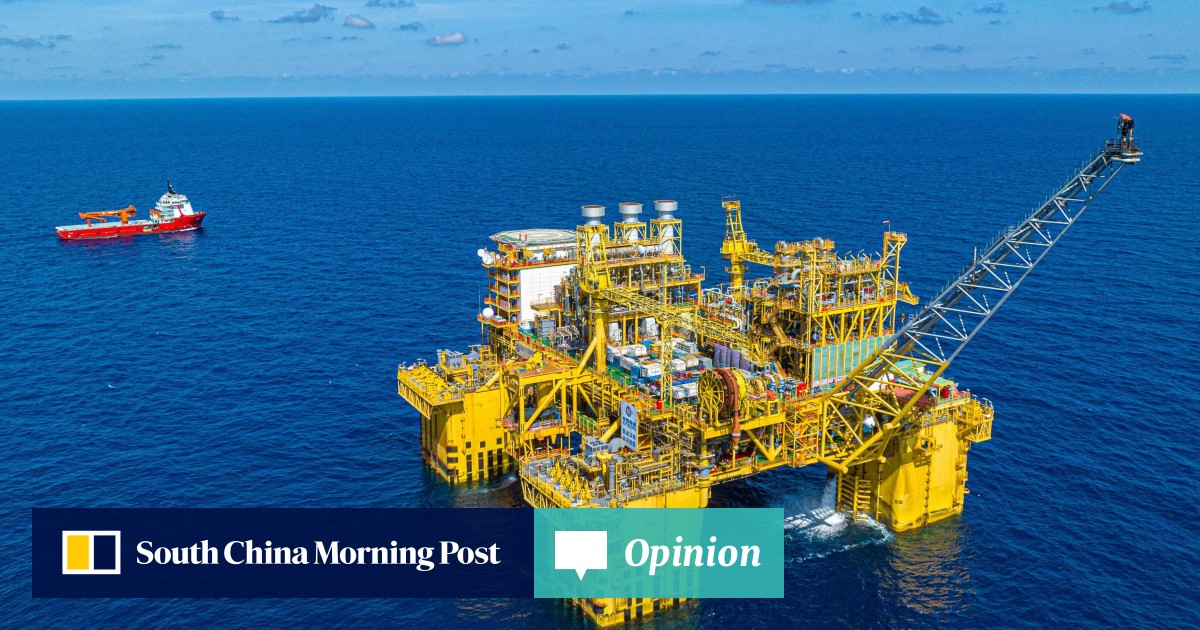
The 2026 global energy shock triggered by turmoil in the Middle East has confronted South China Sea littoral countries with an escalating energy security crisis. To weather this storm, Southeast Asian countries like the Philippines are considering accelerated domestic oil and gas exploitation. But states must be careful not to sacrifice their long-term strategic interests when pursuing joint development initiatives with China.
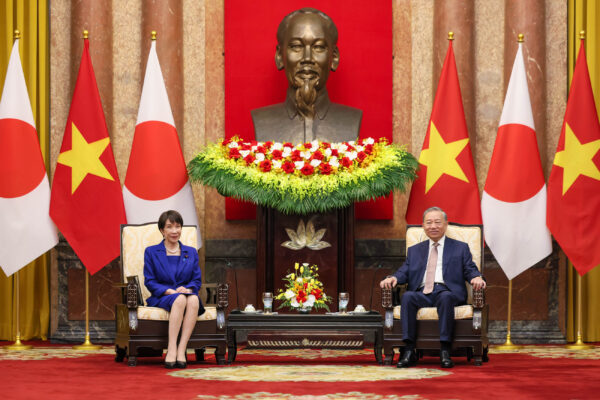
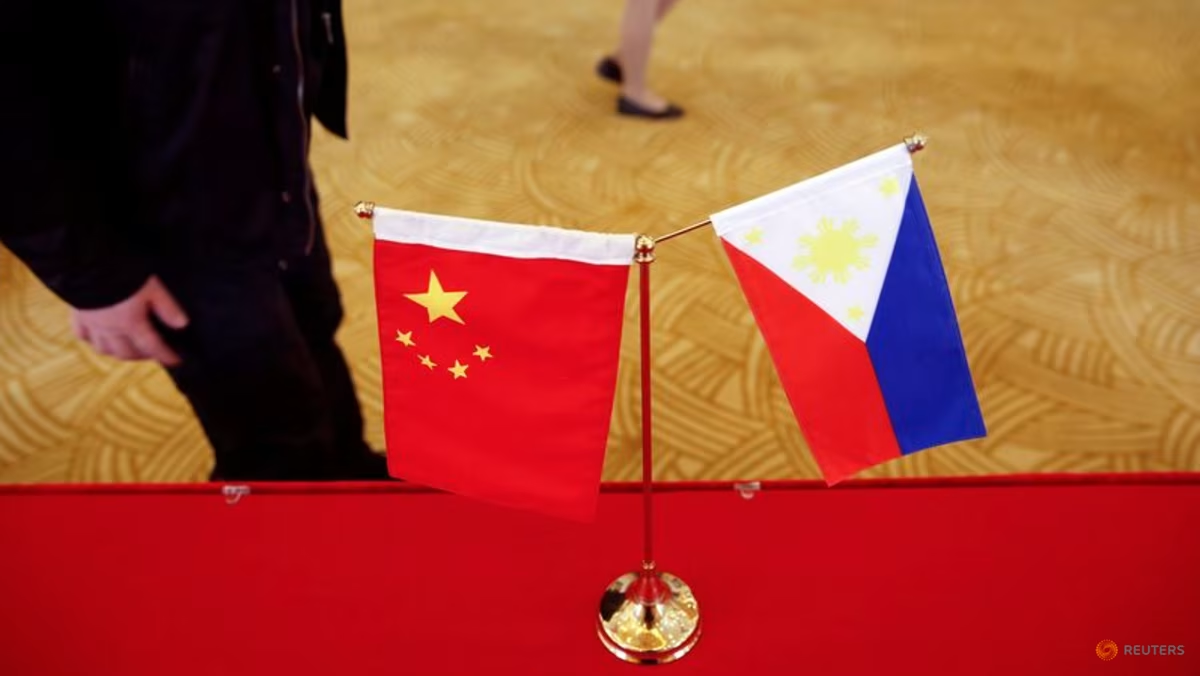
The energy shock has handed China a strategic opportunity to revive its long-standing proposal of ‘setting aside disputes and pursuing joint development’ in the South China Sea. In April, the Philippines suggested that it may resume joint oil exploration with China in the South China Sea amid growing energy security concerns. While some Philippine senators back the move, critics like retired Supreme Court associate justice Antonio Carpio warn that joint oil cooperation could be a ‘trap’ for the Philippines.
China’s ‘joint development’ approach was first proposed by former Chinese leader Deng Xiaoping in the late 1970s and it has adhered to this strategy for over 40 years. The approach is built upon the premise that ‘the sovereignty of the territories concerned belongs to China’. During negotiations for a Code of Conduct in the South China Sea, Beijing even sought to insert a provision requiring that coastal states stop cooperating with third-country energy companies in ‘disputed’ waters.