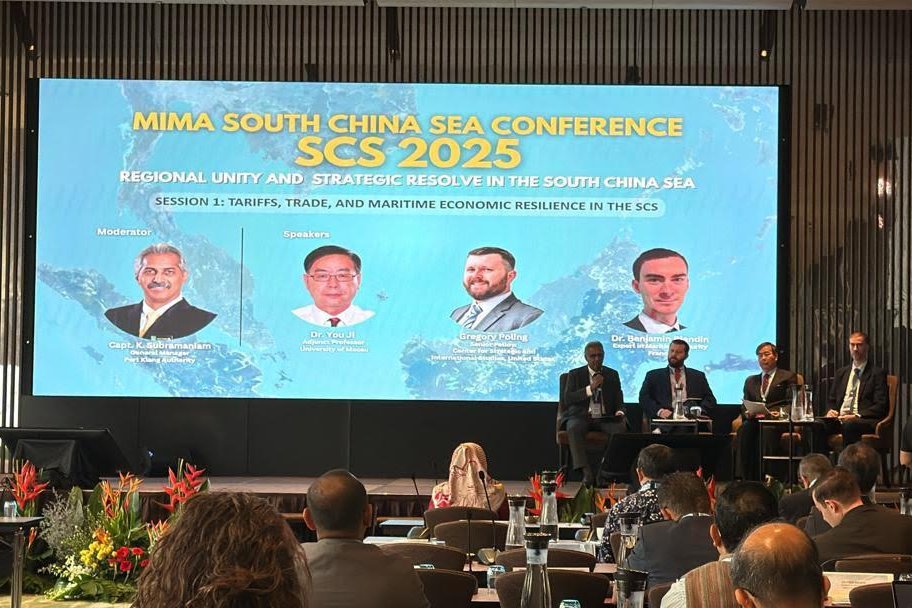
WASHINGTON, Nov. 27 (UPI) -- A wave of maritime conferences across Southeast Asia and China this fall suggests a subtle, but notable, shift in how regional governments are approaching the South China Sea.
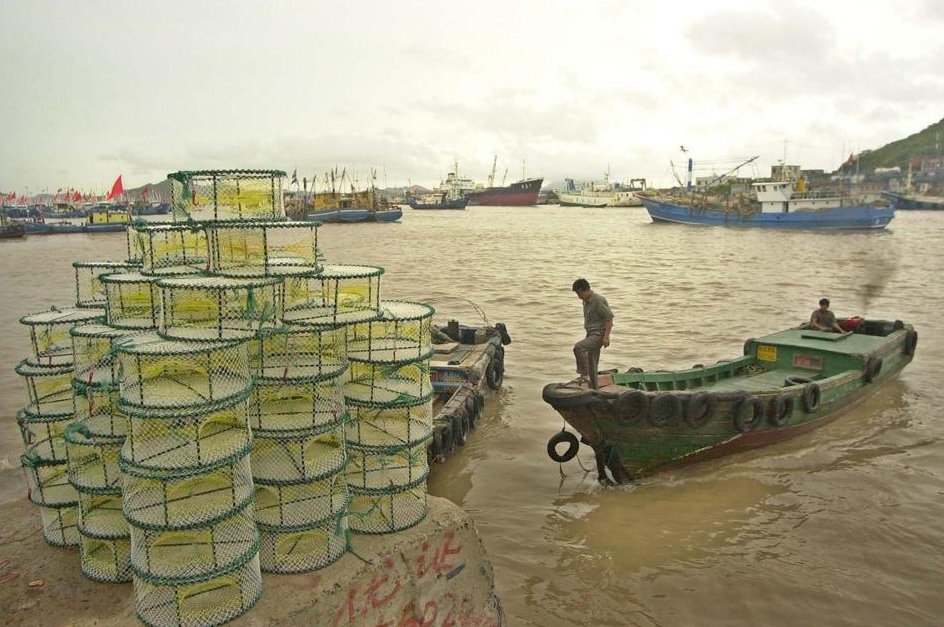
Long defined by sovereignty disputes, military build-ups and legal wrangling, the contested waters are now being framed as an environmental emergency -- with collapsing fish stocks, bleaching reefs and rising climate threats pressing states toward new dialogue.
In early November, the Philippines hosted the Manila Dialogue on the South China Sea, a three-day forum that brought together diplomats, military officers, academics and policymakers to discuss crisis-prevention, fisheries enforcement and confidence-building -- topics that only recently entered the mainstream of official talks.
The discussions followed the 17th South China Sea International Conference in Da Nang, Vietnam, held just two days earlier. Organized by the Diplomatic Academy of Vietnam under the theme "Unity in Uncertainties," the gathering drew more than 300 participants, including legal scholars, naval strategists, business leaders and environmental experts.
Their focus: how to shift from disputes and deterrence toward cooperation on fisheries, environmental protection, marine science, and search-and-rescue protocols.