China's bid to position itself as a global ocean steward is entering a critical test -- not in conference halls or treaty negotiations, but at sea.
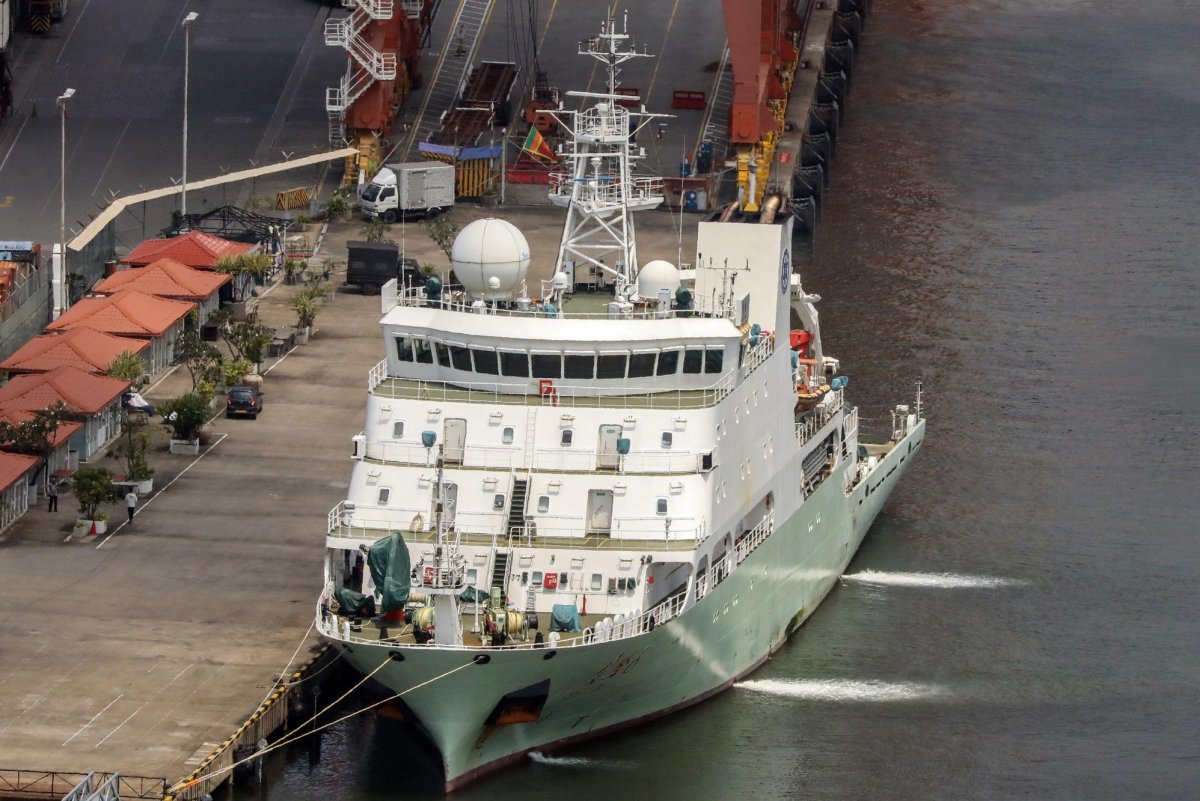
Even as Beijing campaigns to host the secretariat of the newly enacted High Seas Treaty, a Chinese deep-sea research vessel is once again raising questions about whether China's actions match its rhetoric. The Tan Suo Er Hao, one of China's most advanced scientific platforms, appears to have conducted survey activity inside the Philippines' exclusive economic zone (EEZ) in recent days without publicly confirmed consent -- a move that cuts to the heart of competing narratives about science, sovereignty and trust.
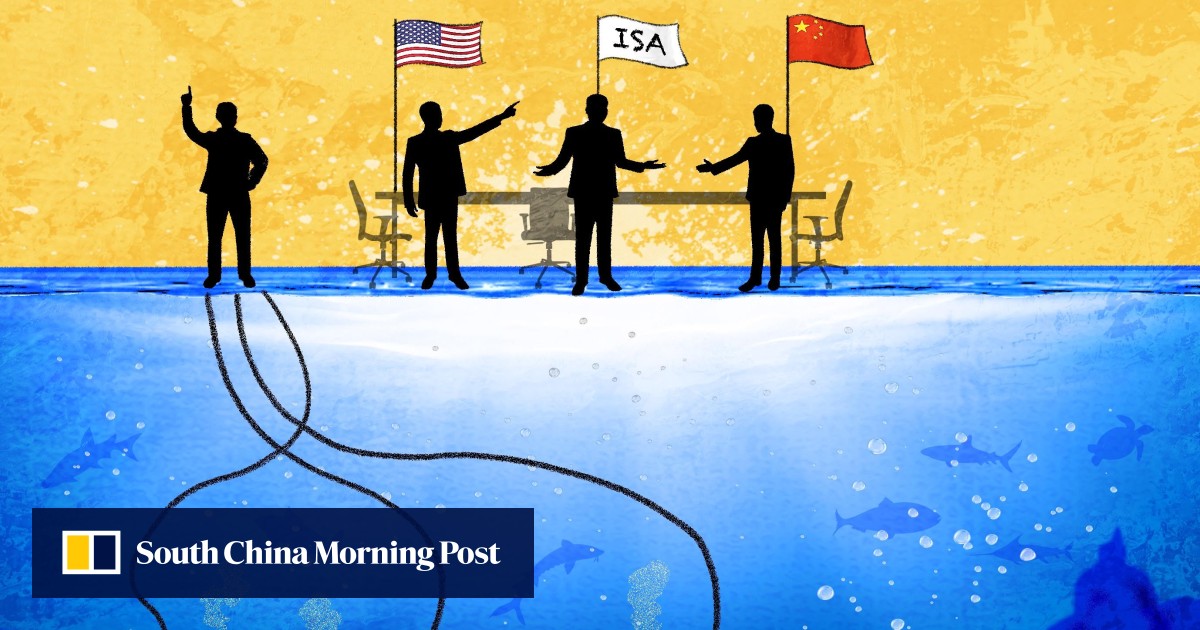
The timing is striking. Since the High Seas Treaty, formally known as the Biodiversity Beyond National Jurisdiction (BBNJ) agreement, entered into force in January, China has stepped forward as a leading contender to host its secretariat. Officials and policy advisers have framed the bid as evidence of Beijing's growing commitment to multilateral ocean governance, marine conservation and scientific cooperation.
Yet developments in the South China Sea and its approaches tell a more complicated story.
Open-source maritime tracking data show the research vessel Tan Suo Er Hao departed Sanya last month and sailed east toward the Philippine Rise, a resource-rich zone within the Philippines' exclusive economic area. From March 21 to April 1, it operated along the margins before transiting the Luzon Strait and loitering about 50 nautical miles off the Batanes Islands.