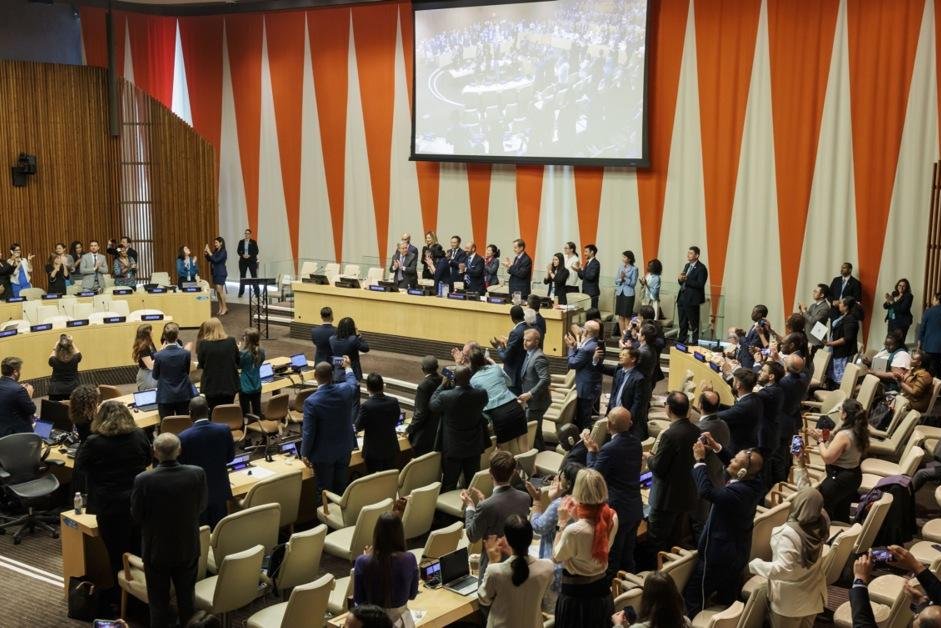
April 2 (UPI) -- Delegates were gathered in the busy corridors at United Nations headquarters in New York this week for a pivotal round of talks to implement the High Seas Treaty, as a late-stage bid by China to host the agreement's secretariat sharpens competition over who will shape the rules governing nearly half the planet.
The preparatory commission's third session marks a pivot from diplomacy to delivery after the treaty entered into force in January, with negotiators turning to the institutional framework needed to guide cooperation, enforcement and science across the high seas.
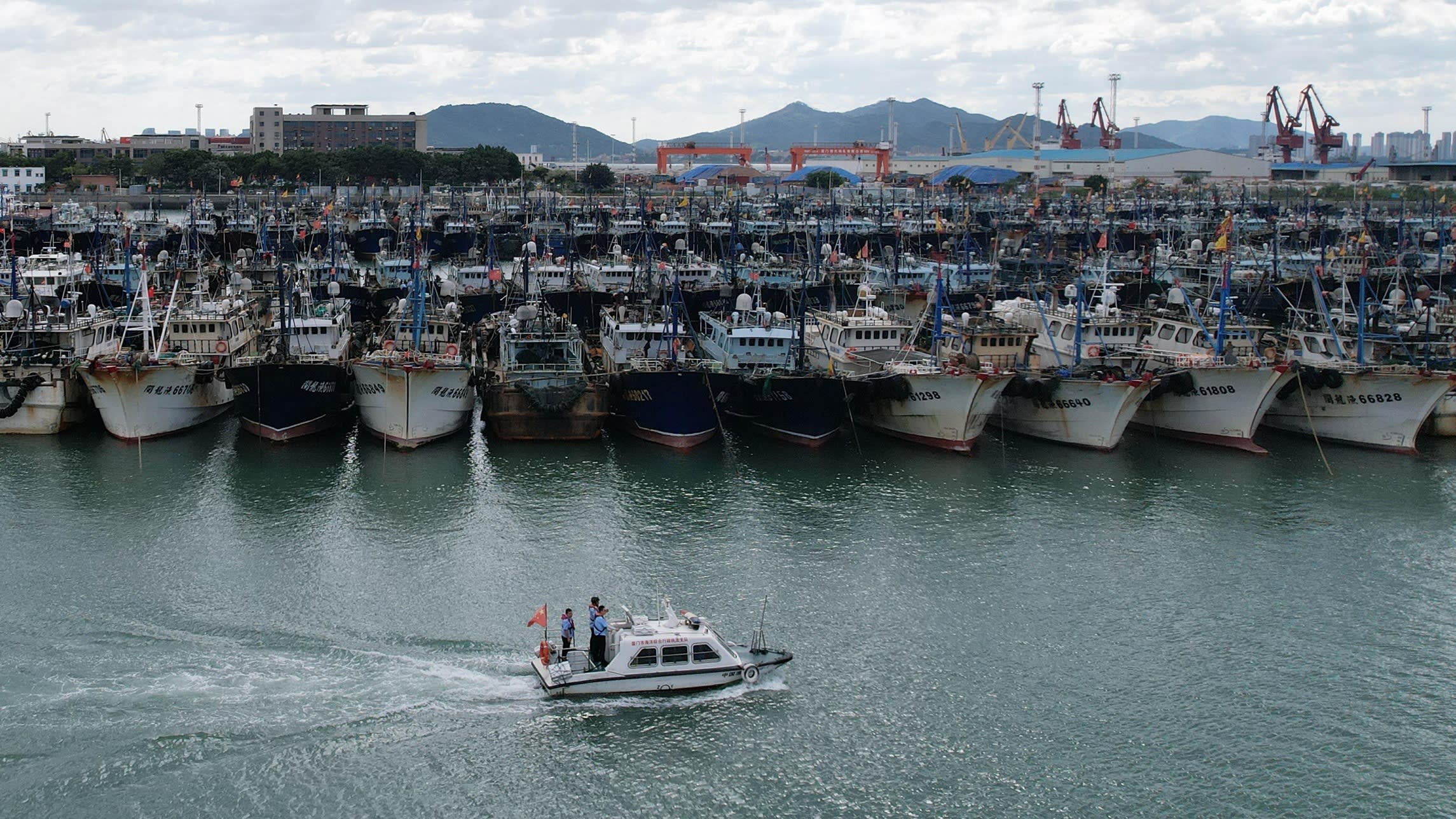
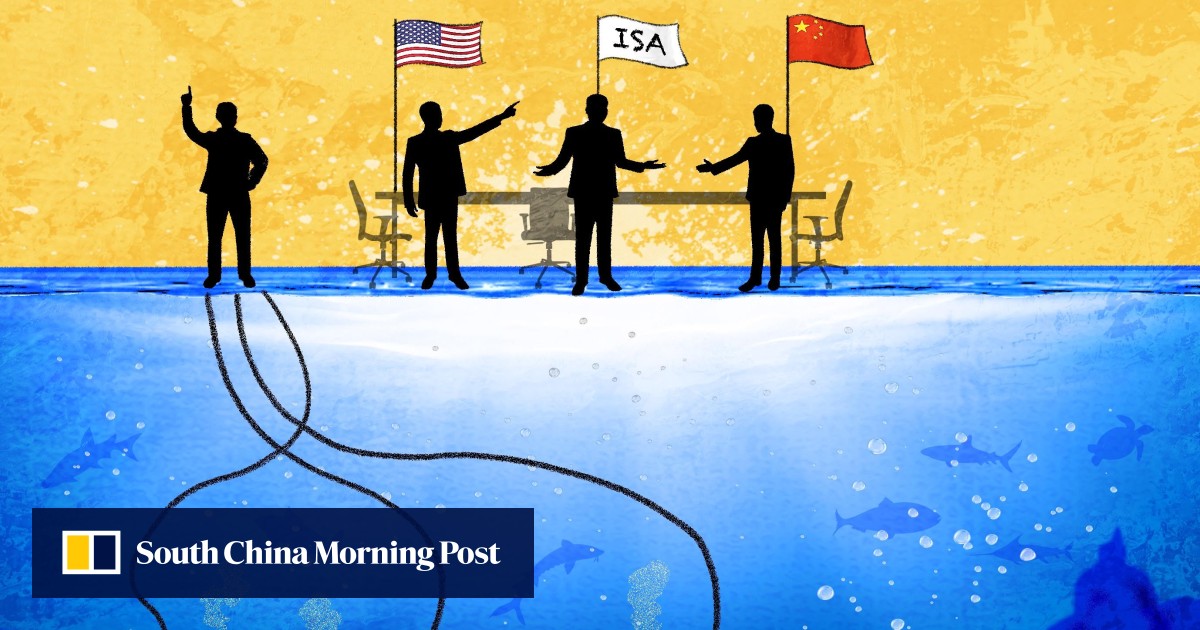
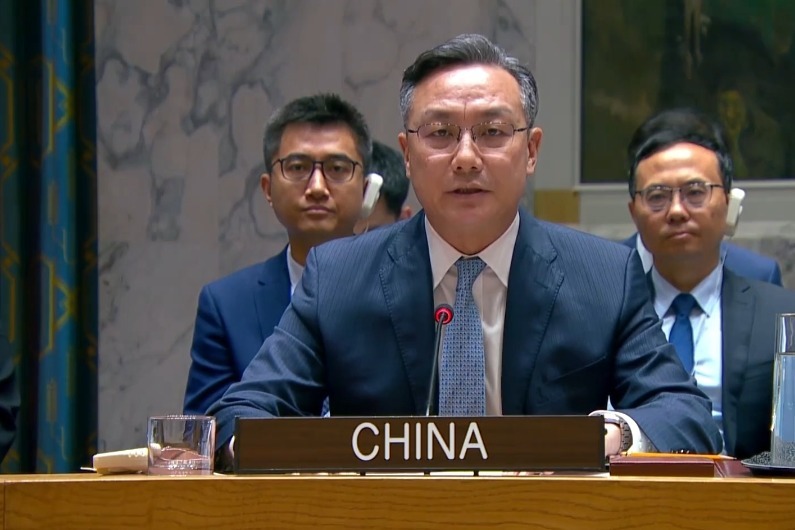
At the center of the debate is where to locate the treaty's secretariat -- a once-technical decision that has taken on geopolitical weight since China's late bid to host it in Xiamen, joining Chile and Belgium and drawing close scrutiny from Southeast Asian nations over whether stewardship of the global commons can be separated from ongoing tensions in the South China Sea.
For China, whose global fishing fleet, seabed interests and blue economy ambitions are deeply tied to how the high seas are regulated, the move signals a clear intent to help shape the emerging architecture of ocean governance, elevating what was once a technical discussion into a strategic contest with global implications.