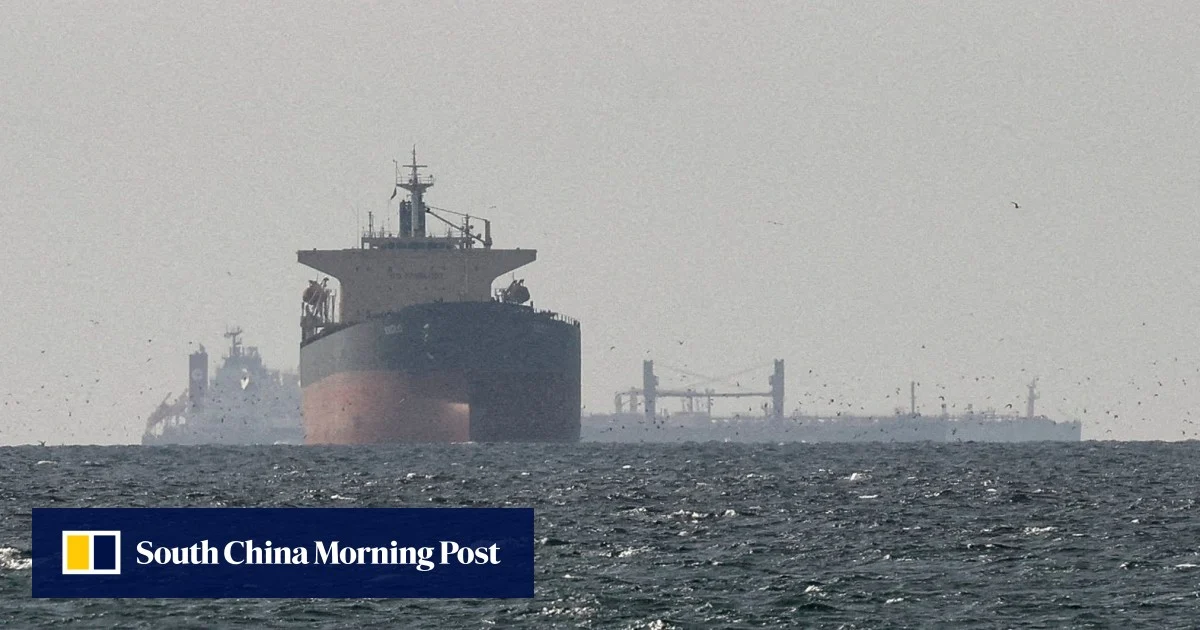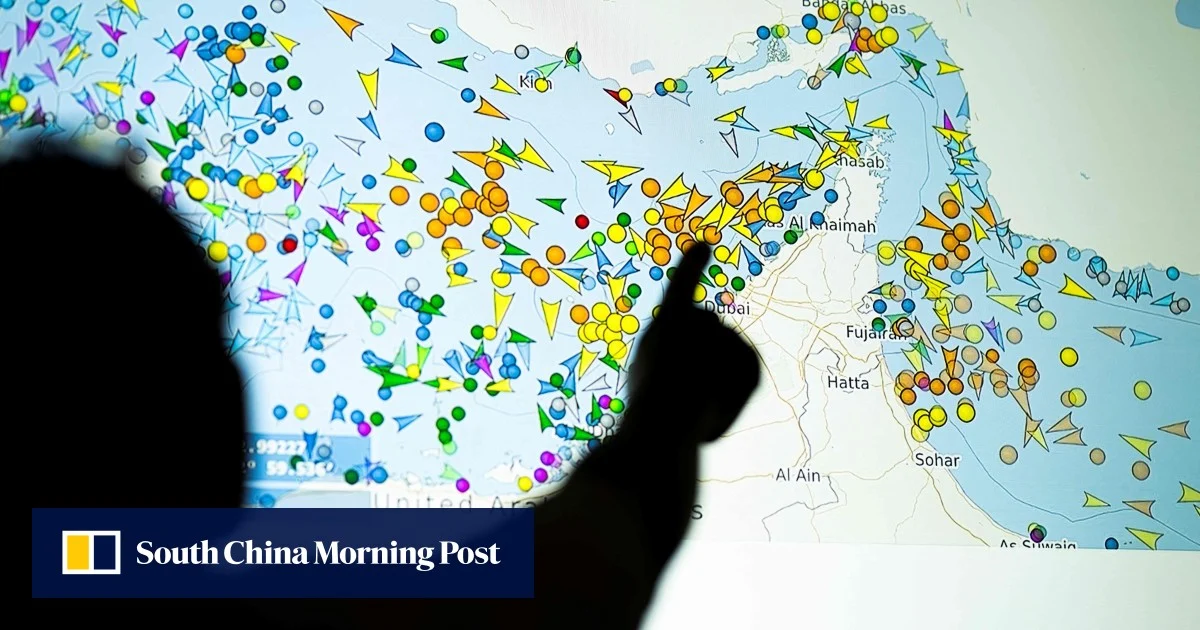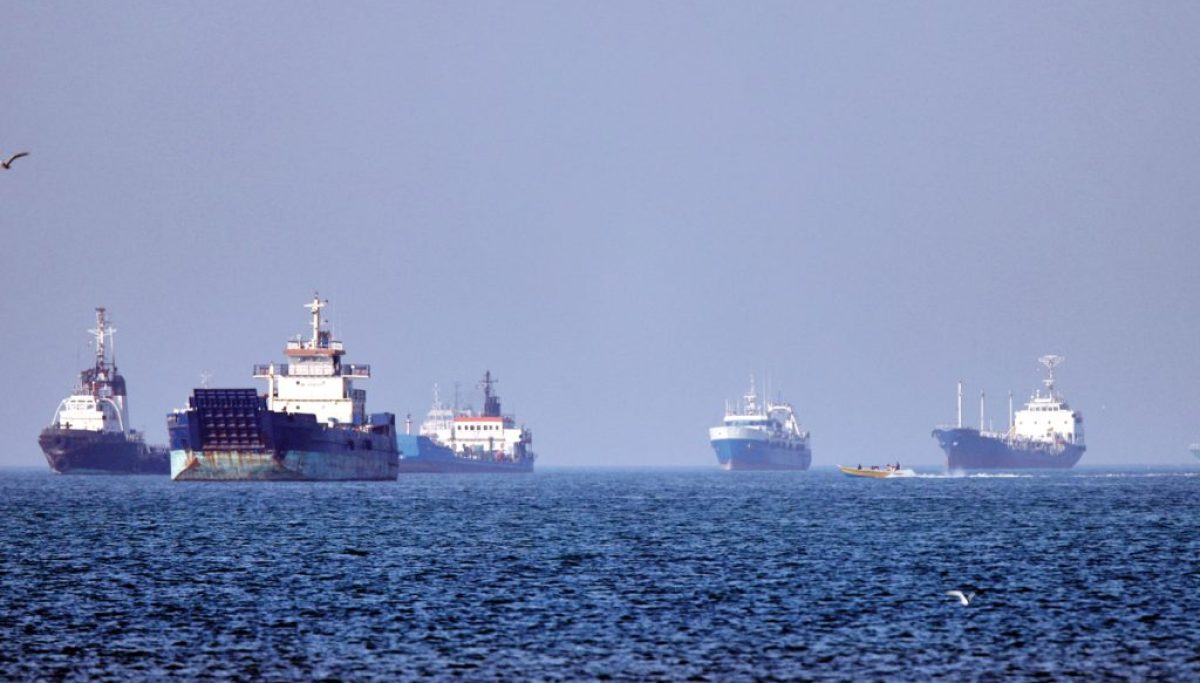
As conflict in the Middle East rattles global energy markets, energy security is again climbing the strategic agenda in Beijing. China, the world's largest importer of oil and gas, remains heavily dependent on distant supply routes that pass through some of the world's most volatile choke points.
Could the answer be in the South China Sea? If control of the South China Sea can secure an energy shipping route for China, or guarantee access to large quantities of hydrocarbon resources on the seabed, it would provide a key imperative for Beijing to realize its claims in the "nine-dash line." However, such benefits are more limited upon closer examination.
China's energy lifeline
The South China Sea is certainly a vital link in China's energy supply chain: it carries about 80% of China's crude oil imports (nine million barrels out of the 11.3 million barrels imported per day in 2023), or nearly 60% of its total oil supply, given its relatively small domestic production. China also imports about 40% of the natural gas it uses, including about 25% imported as liquified natural gas shipped through the South China Sea. With limited natural reserves domestically, China will continue to need hydrocarbon imports for its aviation, military, and industrial purposes.