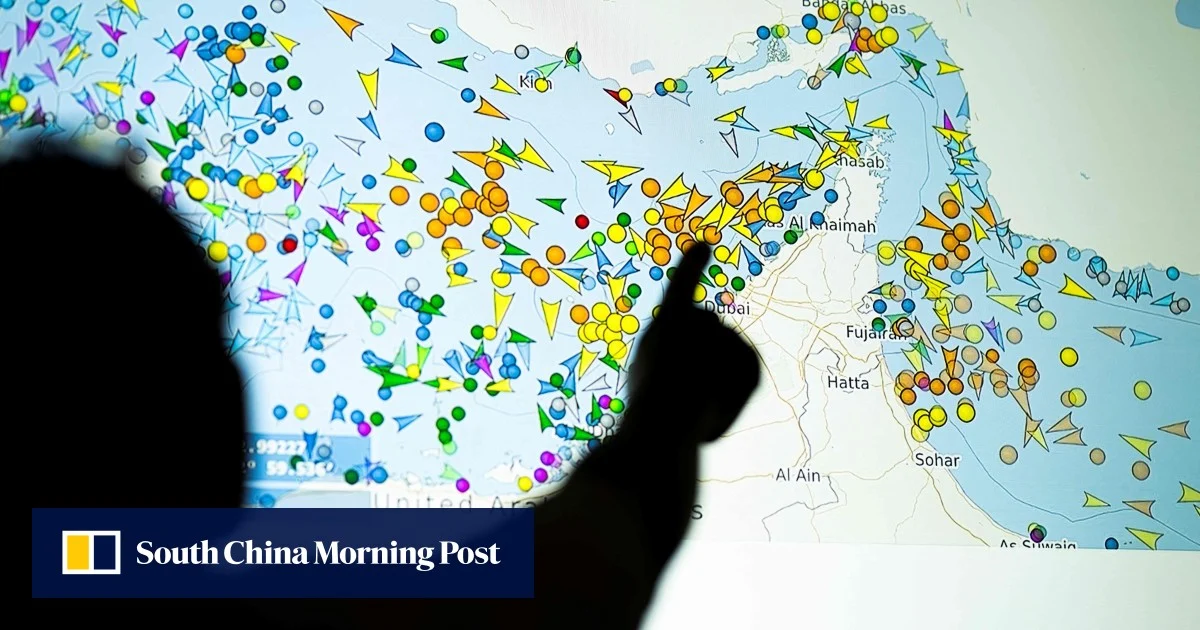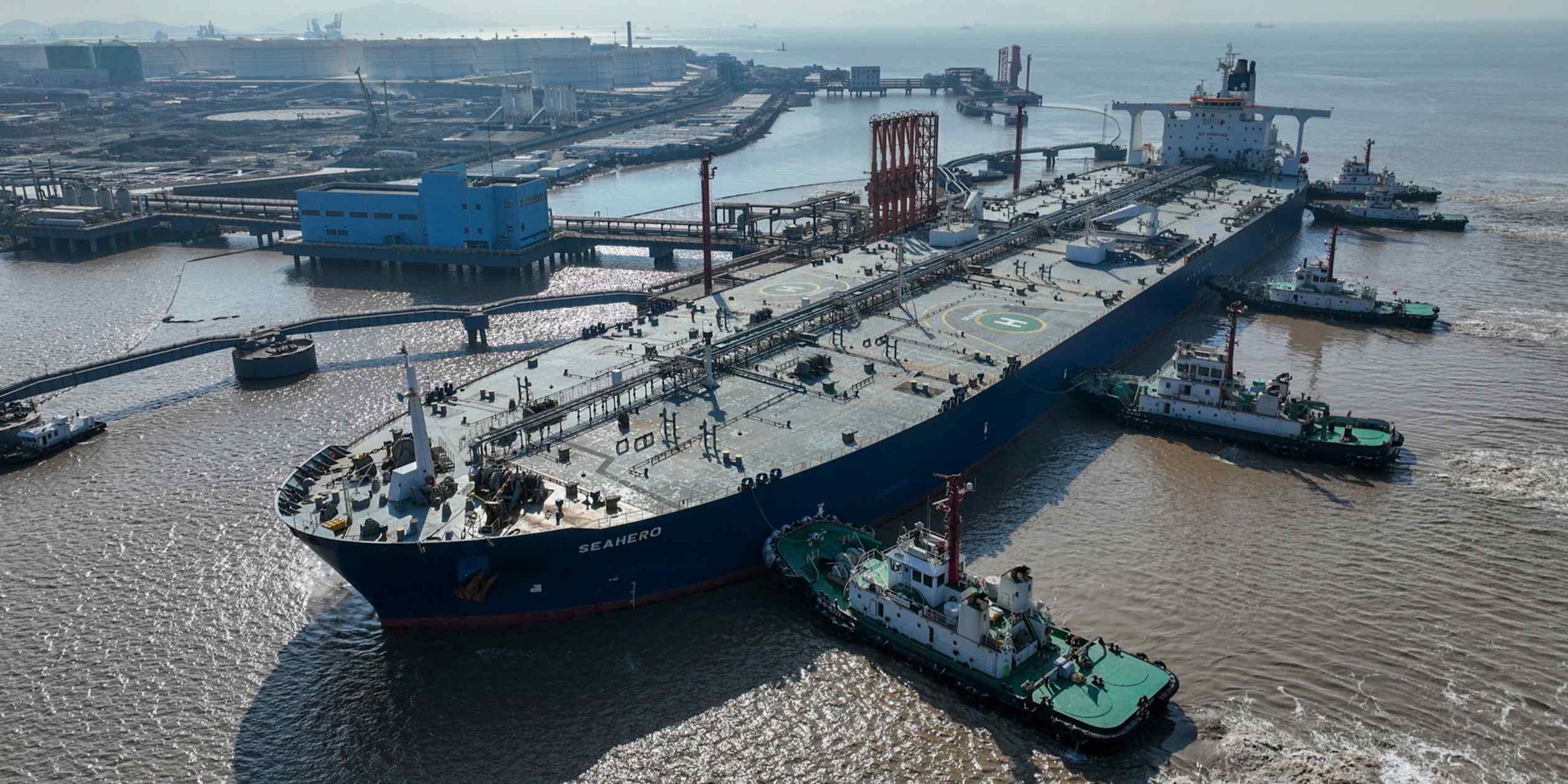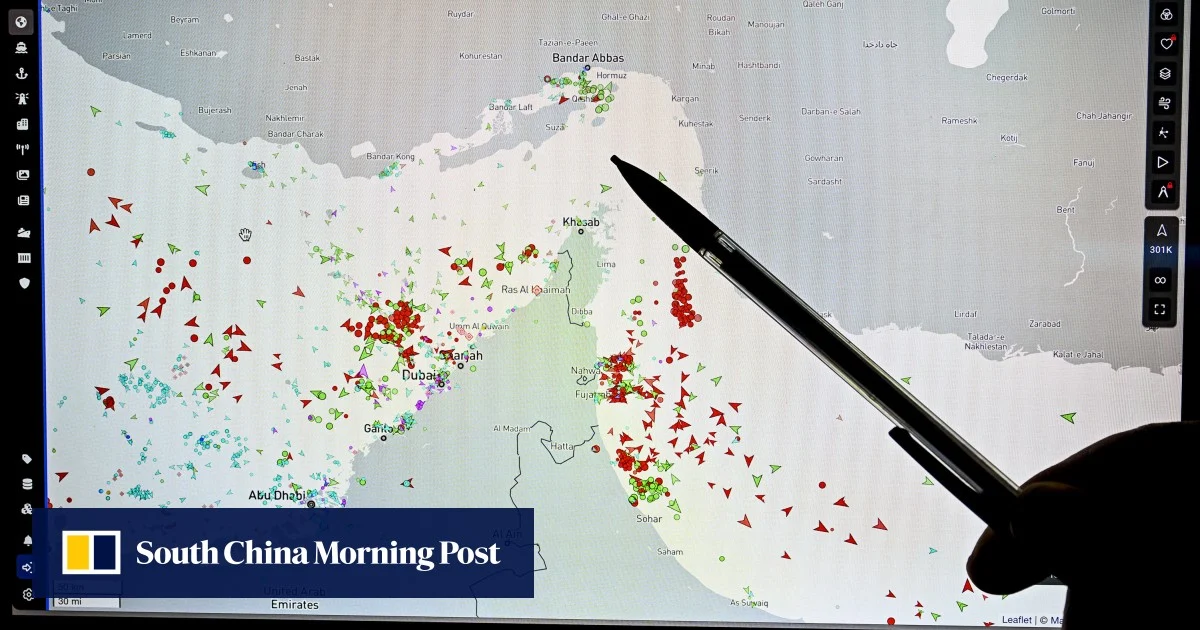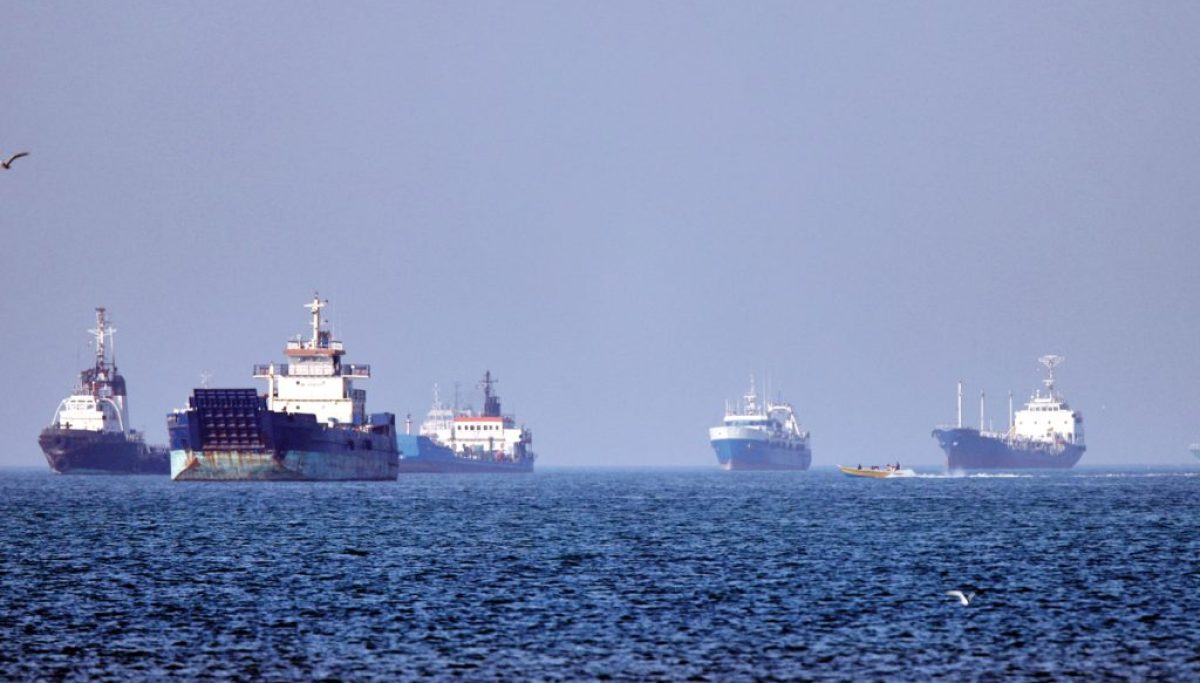
Despite sustained efforts to prioritize energy security across successive policy cycles, China remains exposed to external supply chains it does not control. The core problem is not simply import dependence, but reliance on maritime transit routes – particularly through the Strait of Hormuz – whose security ultimately lies beyond Beijing’s authority. The escalation of the Israel-U.S. war with Iran and the resulting disruption of traffic through Hormuz has transformed a long-recognized strategic risk into an immediate constraint, revealing the limits of China’s ability to ensure stable energy access under conditions of geopolitical contestation.
More fundamentally, the crisis highlights a deeper contradiction embedded in China’s energy strategy. While Beijing has sought to diversify suppliers, expand storage capacity, and build alternative transport corridors, it remains dependent on a global energy system structured around maritime openness and secured by actors with whom it is in strategic competition. This tension – between expanding material capabilities and limited control over the security environment in which those capabilities operate – defines the outer boundary of China’s energy security.