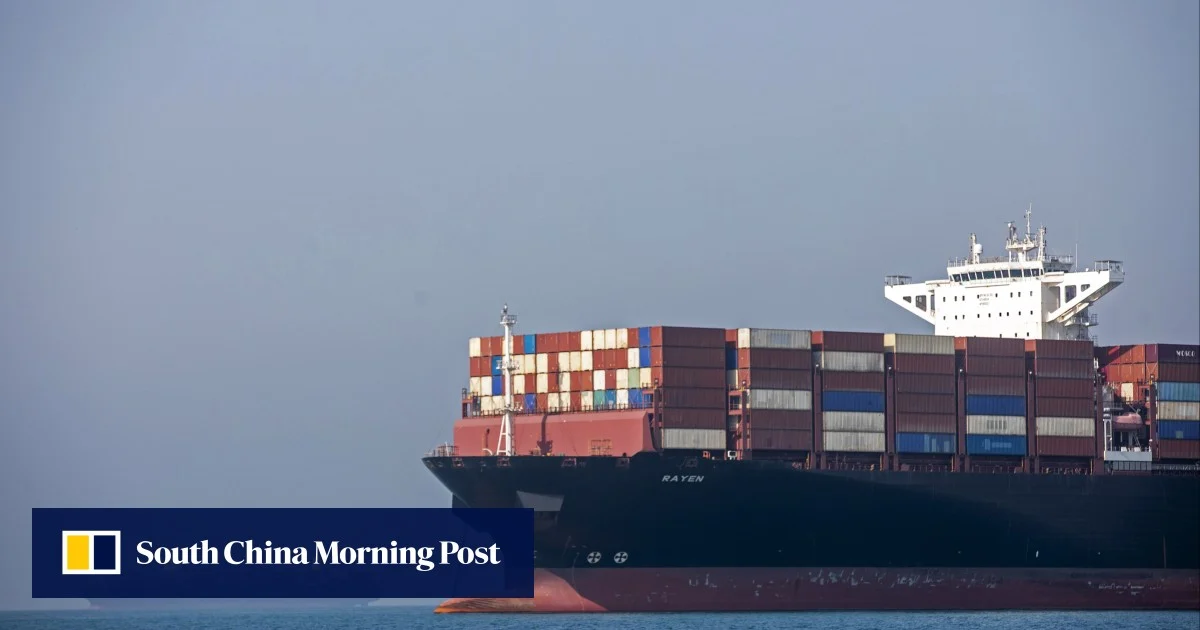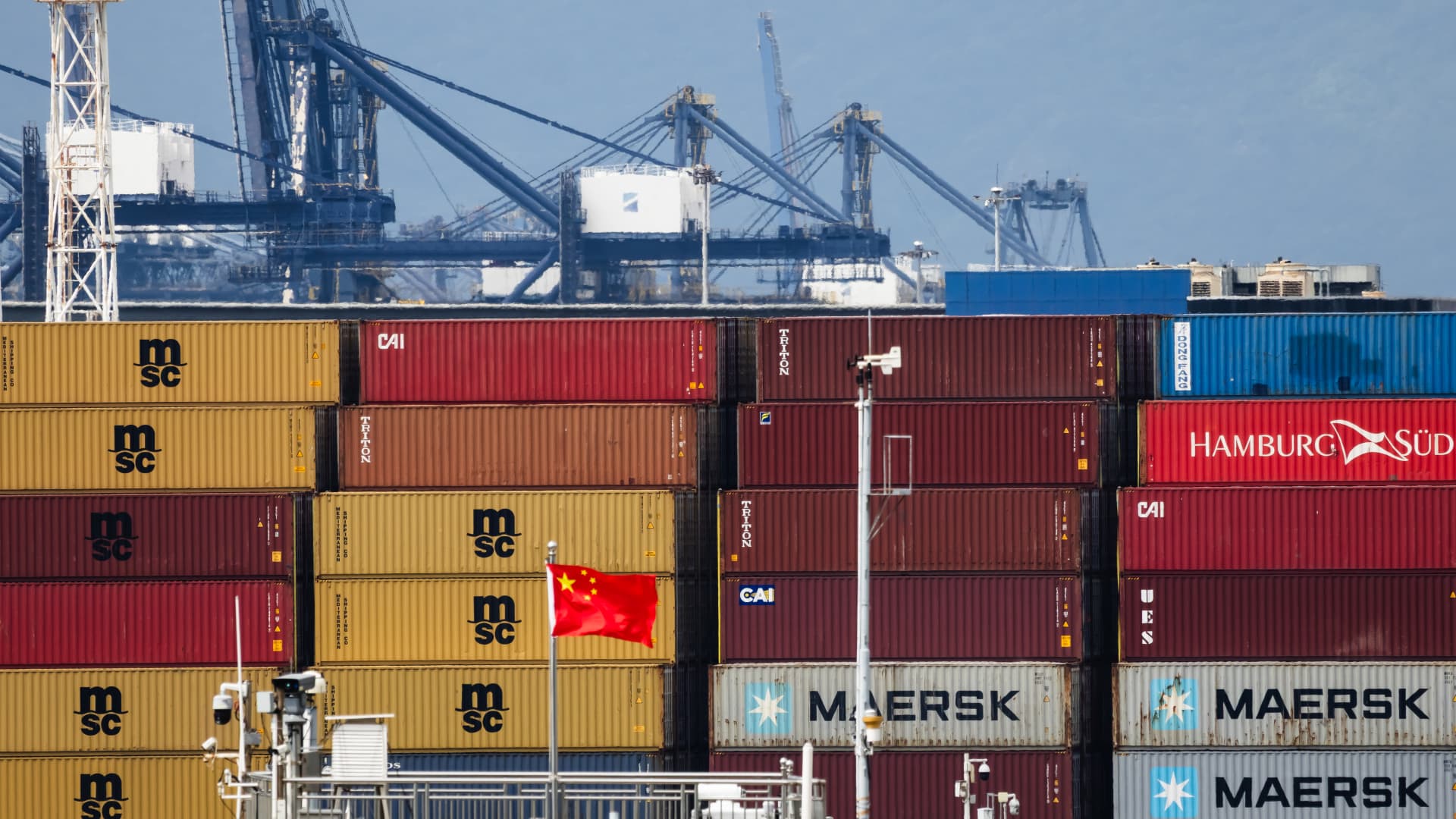
Chinese exporters spent the past year scrambling to diversify away from the U.S., moving supply chains overseas and targeting new markets, including the Middle East, as punishing tariffs upended their business models.
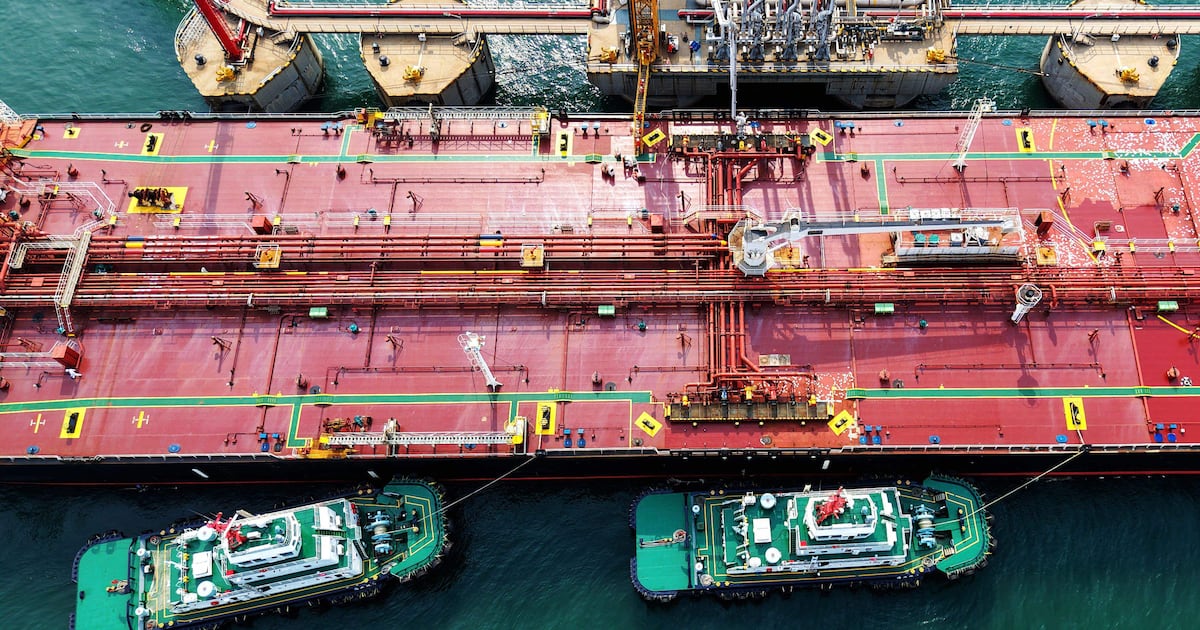
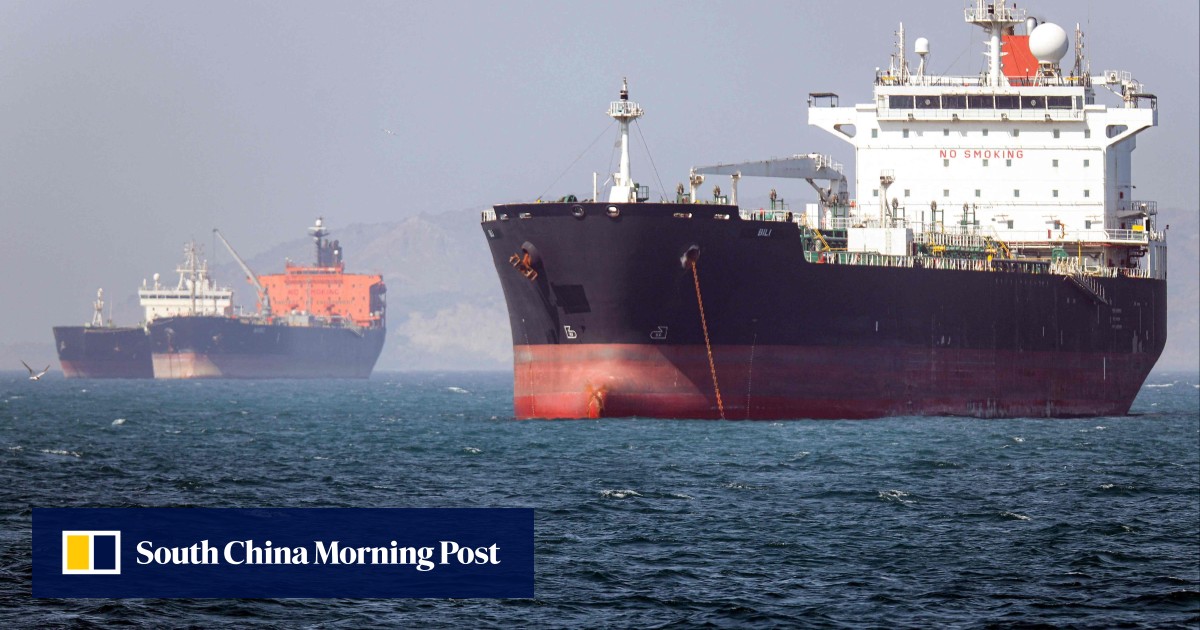
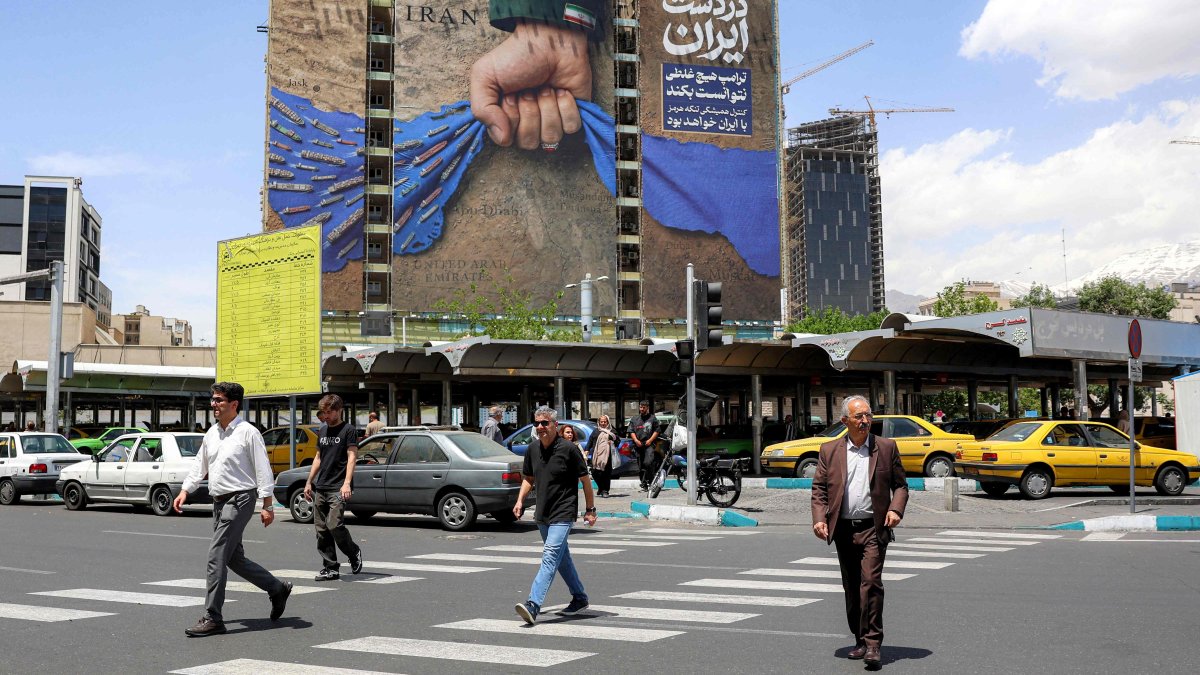
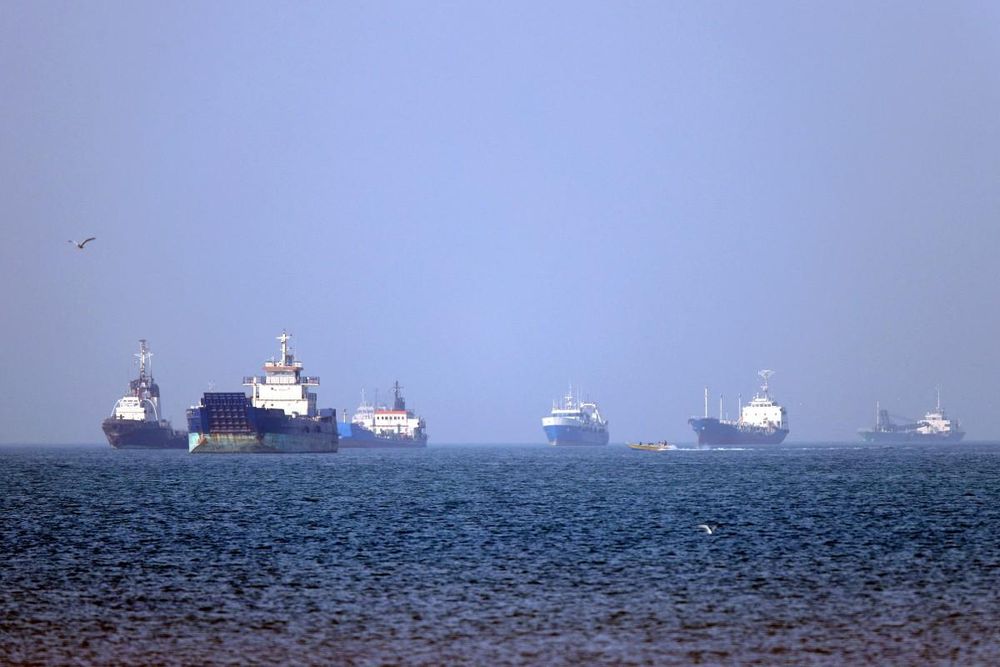
Now the Iran war has heaped fresh pressure on those businesses, choking critical shipping lanes, triggering a historic energy shock, and threatening to crimp global demand for Chinese goods across the board.
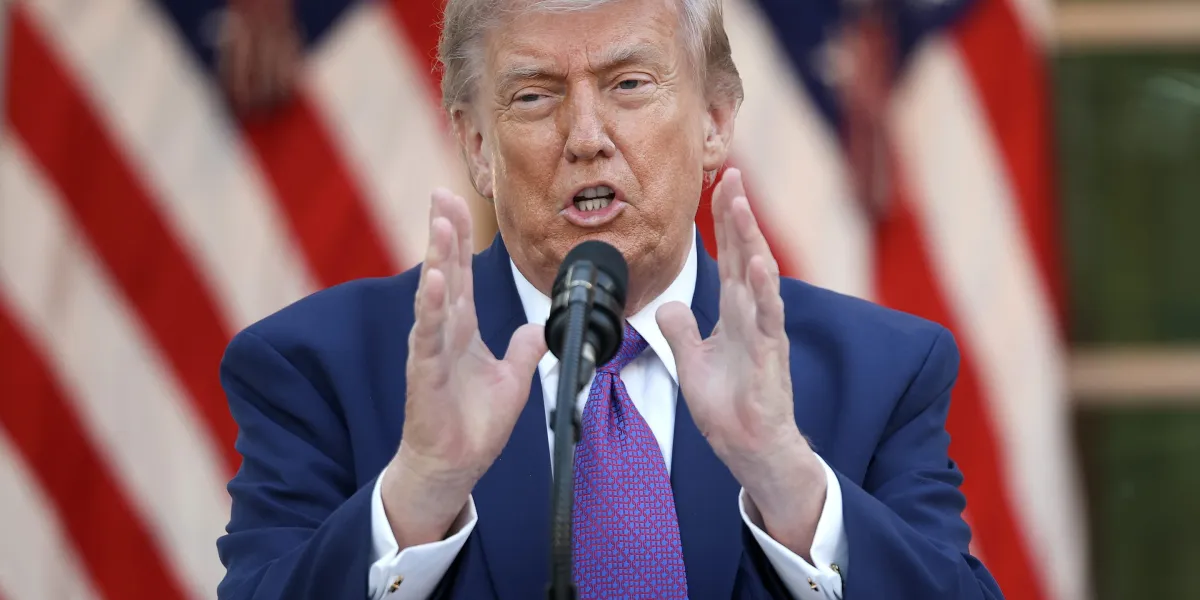
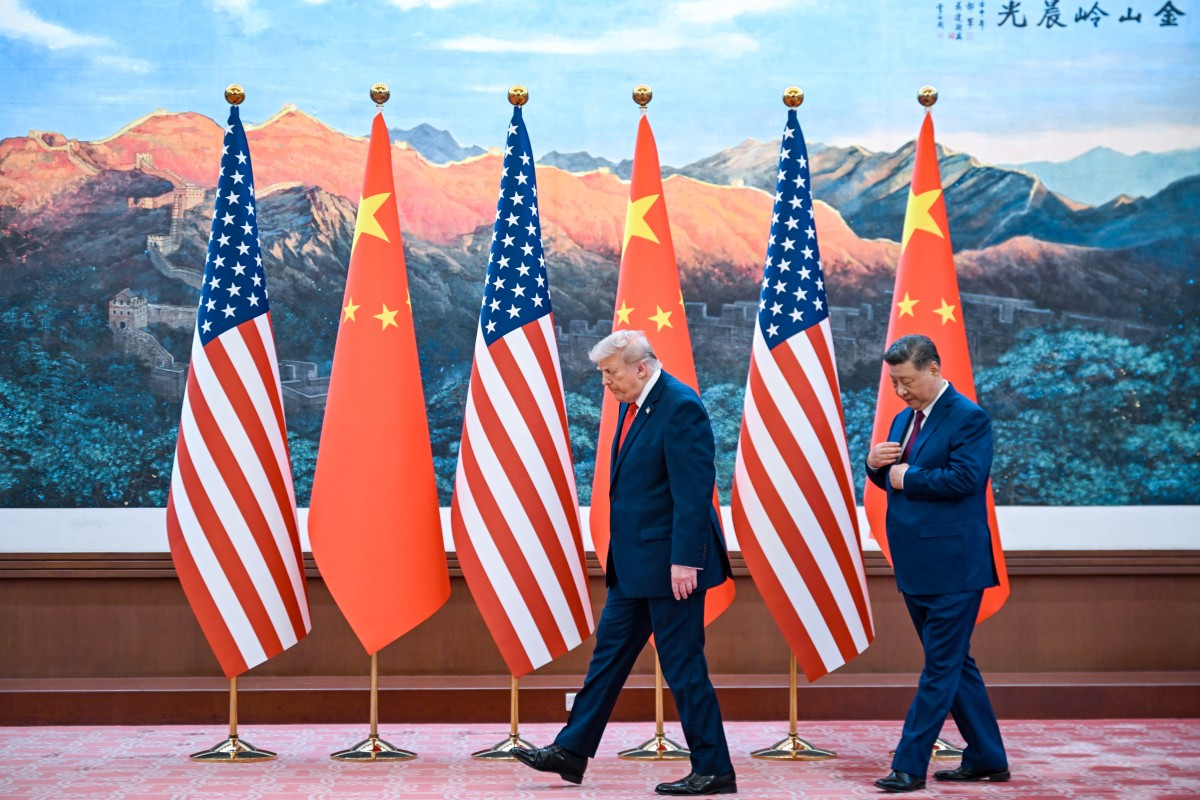
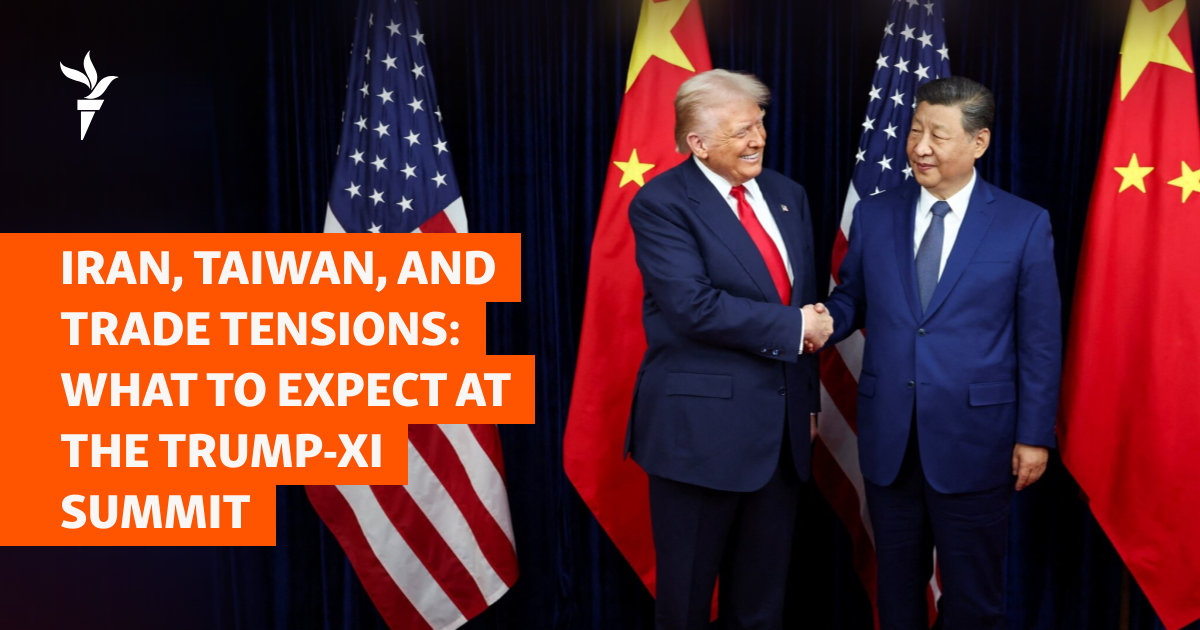
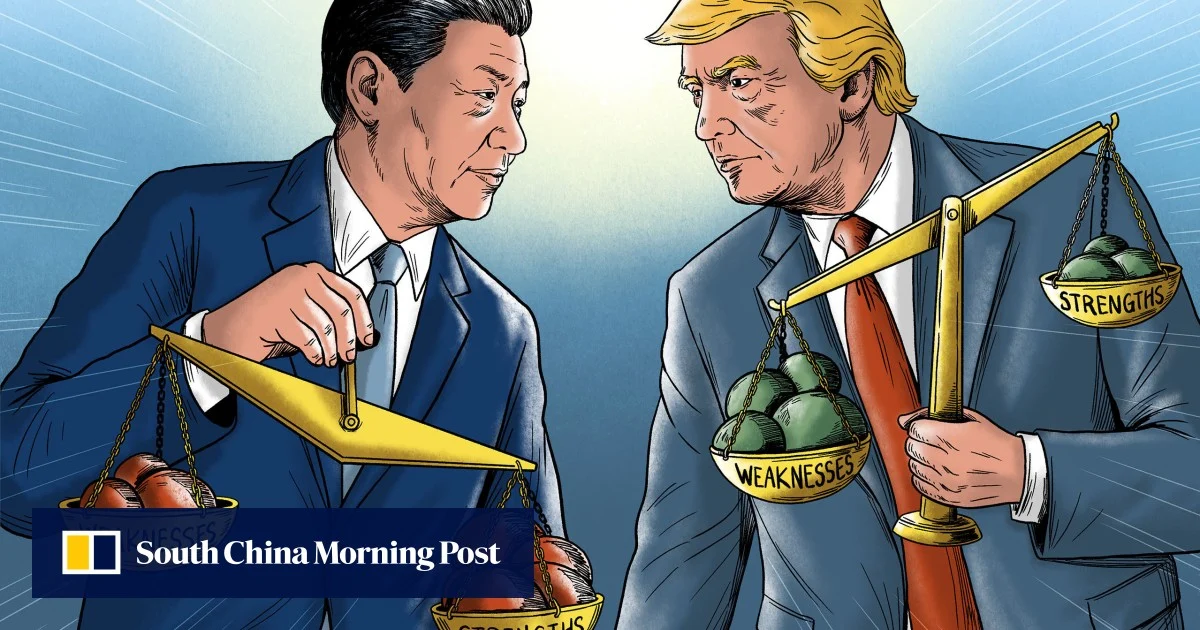
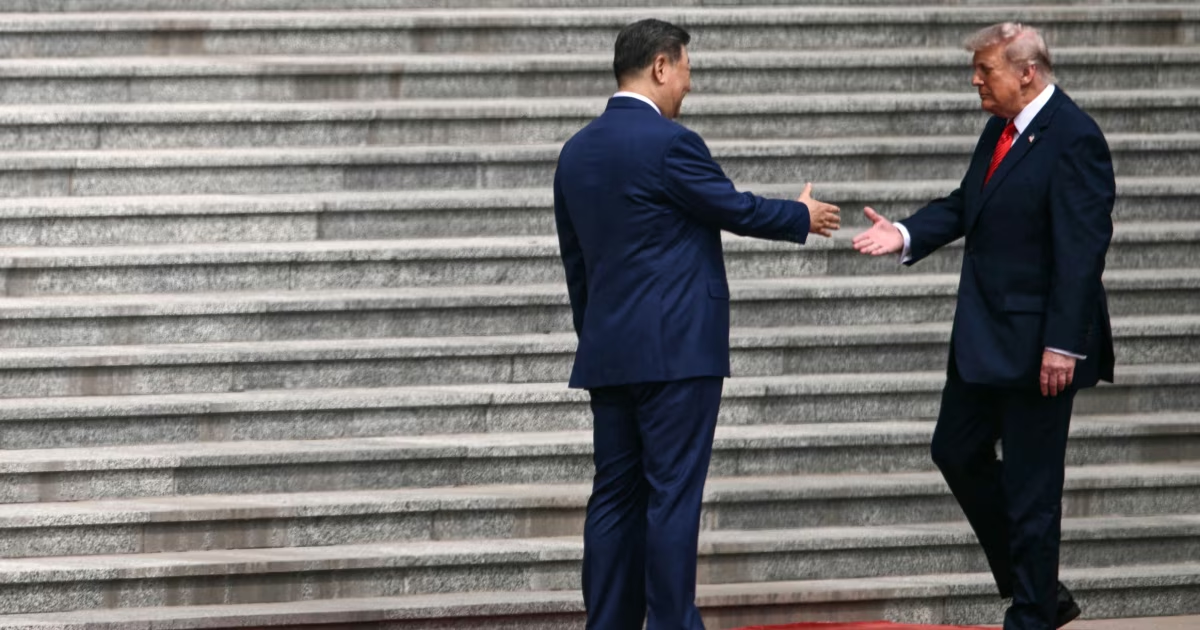
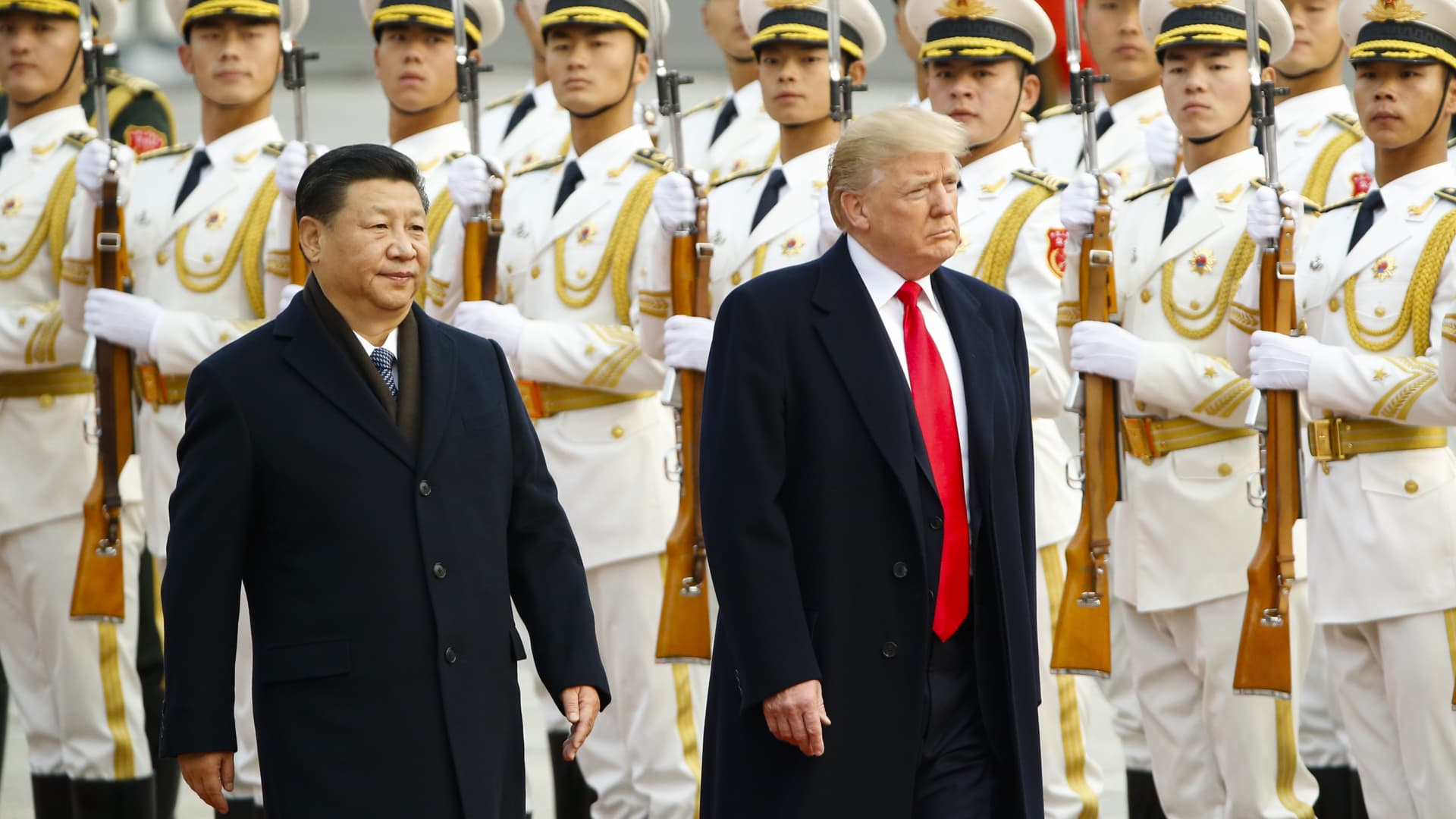
As U.S. President Donald Trump and his Chinese counterpart Xi Jinping prepare to talk business and politics later this week, exporters appear less concerned about tariffs and more about hostilities in the Middle East.
“They all want the war to stop,” said Wang Dan, China director at Eurasia Group, who has been speaking with exporters across the country. Many of them barely mentioned tariffs when asked about their expectations from the summit, she added.
“The focus is now on the duration of the Iran war, as they are worried about orders from overseas markets,” Wang said. Some businesses have already drawn up contingency plans to downsize in the second half of the year if the conflict drags on, Wang said.