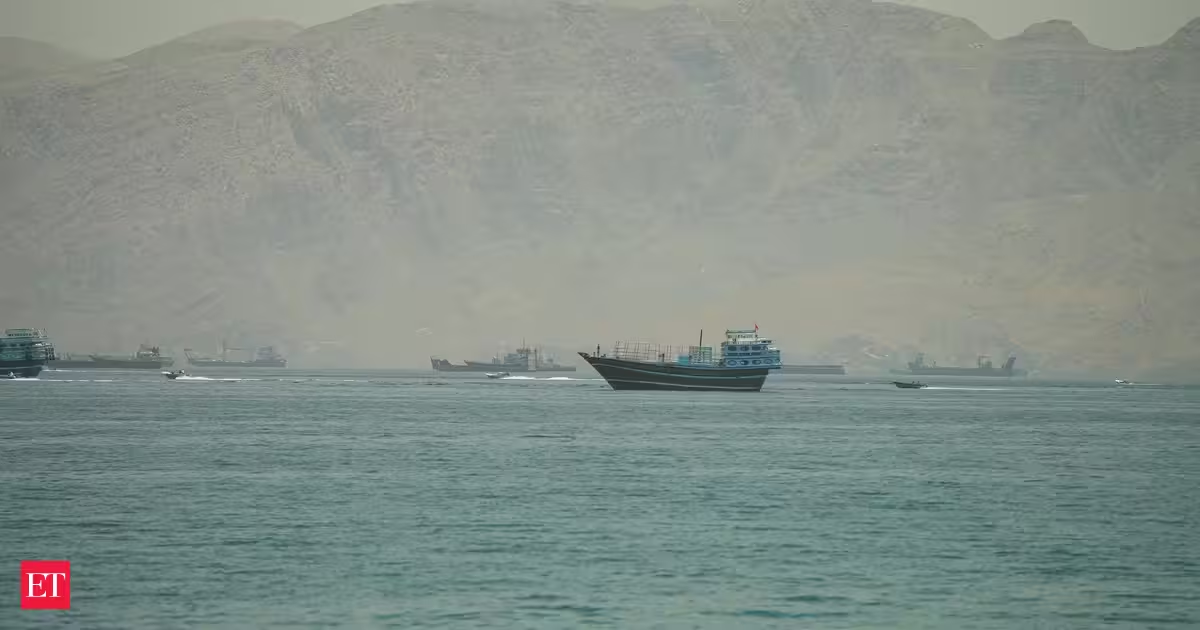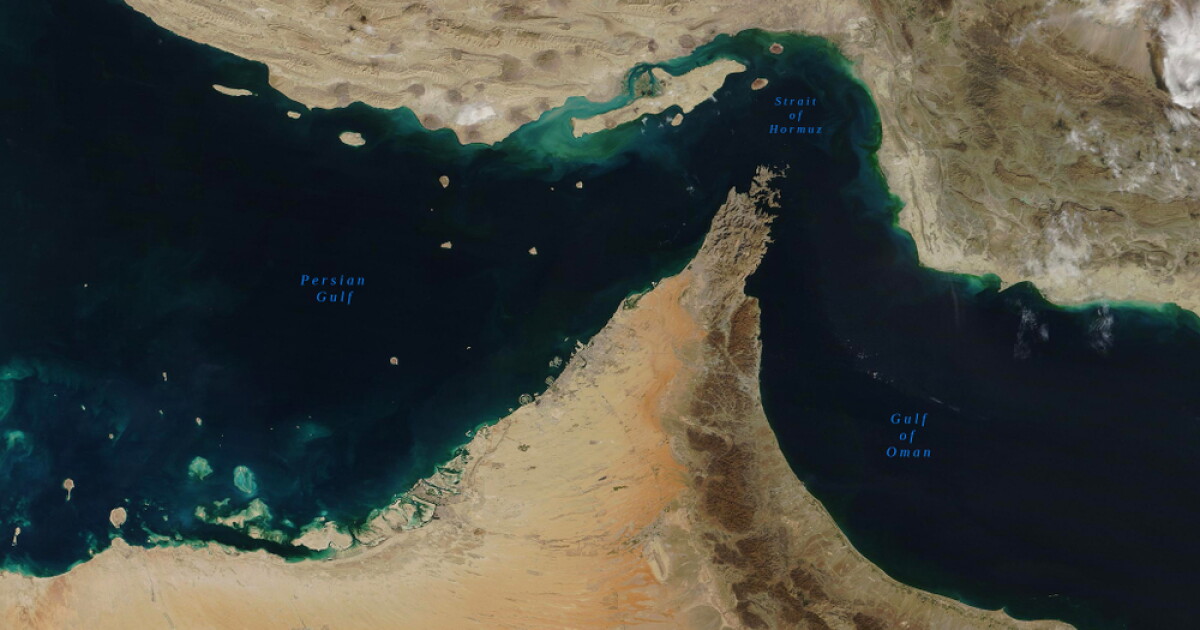
Oil markets fell sharply on news this week that, once again, a peace agreement between the US and Iran could be imminent. But that optimistic market response belies the impending reality that just a few more weeks of the status quo, with all but a handful of tankers prevented from crossing the Strait of Hormuz, will push the current crisis into a whole new phase — one marked by widespread economic pain and accelerated market contraction. As peak consumption season in the Northern Hemisphere begins in June, crude and products inventories will fall at a faster rate in this scenario, likely driving oil prices sharply higher — stoking rapid, further demand losses in poorer import-dependent countries. Entire industrial sectors could also slow to a crawl as a result, hastening a downward economic spiral even if demand losses cause prices to cool. Because of the near-closure of the Hormuz, global markets were deprived of 920 million barrels of crude oil and other liquids supplies over March and April, or roughly 15 million barrels per day, according to Energy Intelligence's calculations, based on data from shipping analytics firm Kpler. Withdrawals of crude and products from storage filled the bulk of the gap, with demand shrinkage covering the rest. But if the strait's closure to most non-Iranian flows runs into peak summer consumption, the draw on inventories will balloon. The world may need to drain some 160 million-200 million bbl of crude and products from tanks starting this month, Energy Intelligence calculates, and that need could grow in June. Two consecutive months of such massive draws would likely propel prices to record highs, further eroding global demand.
Oil Markets, Global Economy Nearing Dangerous Tipping Point
A few more weeks of the status quo, where most tankers are prevented from crossing the Strait of Hormuz, will push the current crisis into a whole new phase.
274 words~1 min read