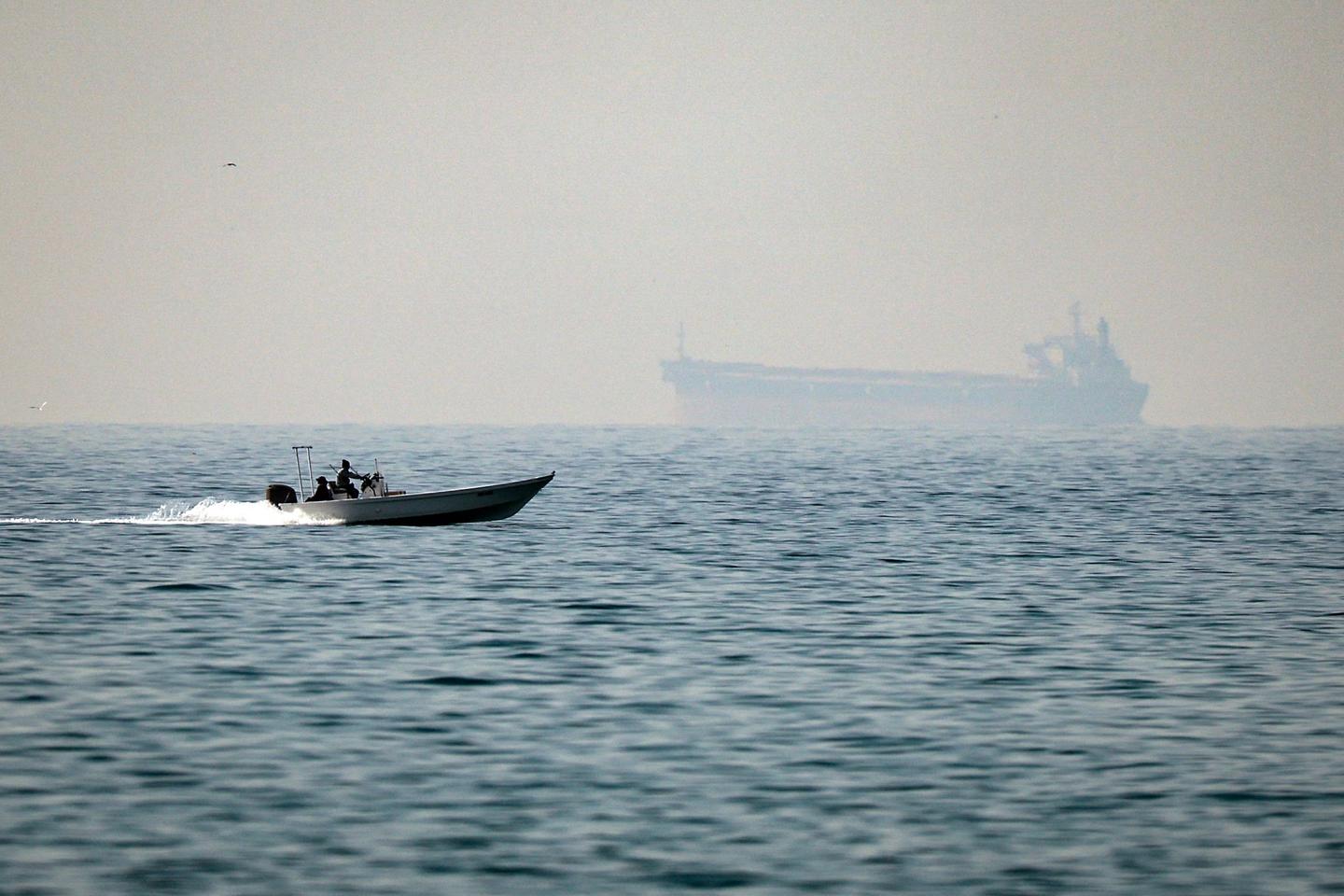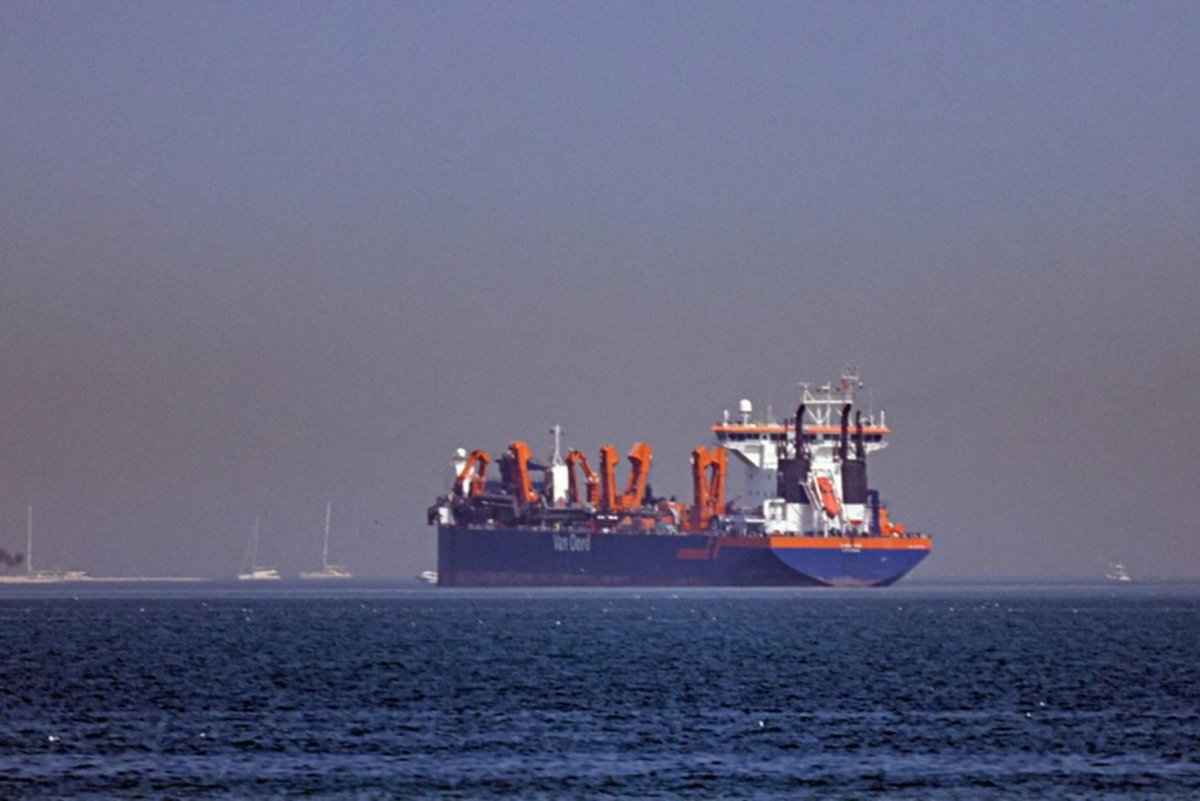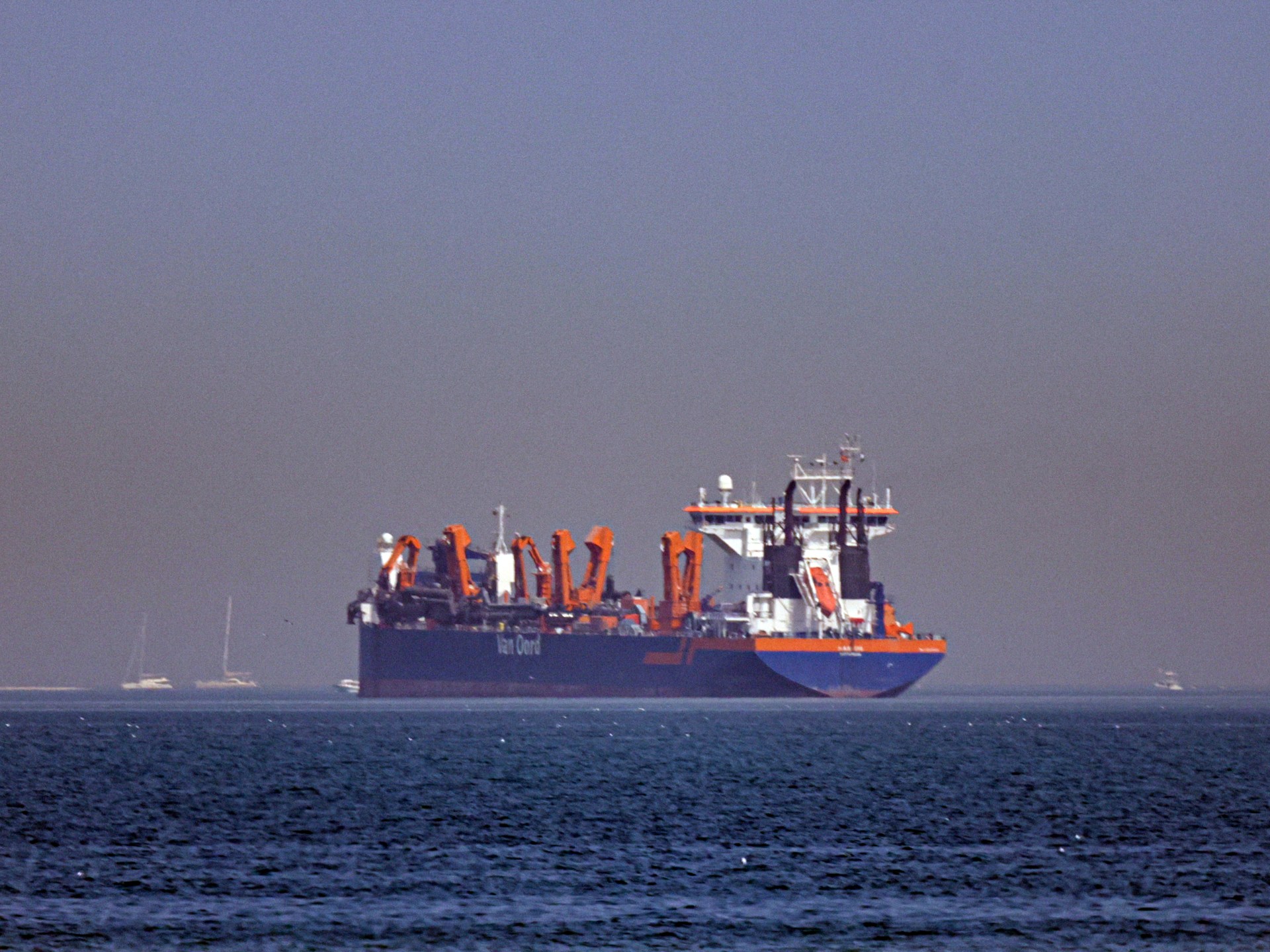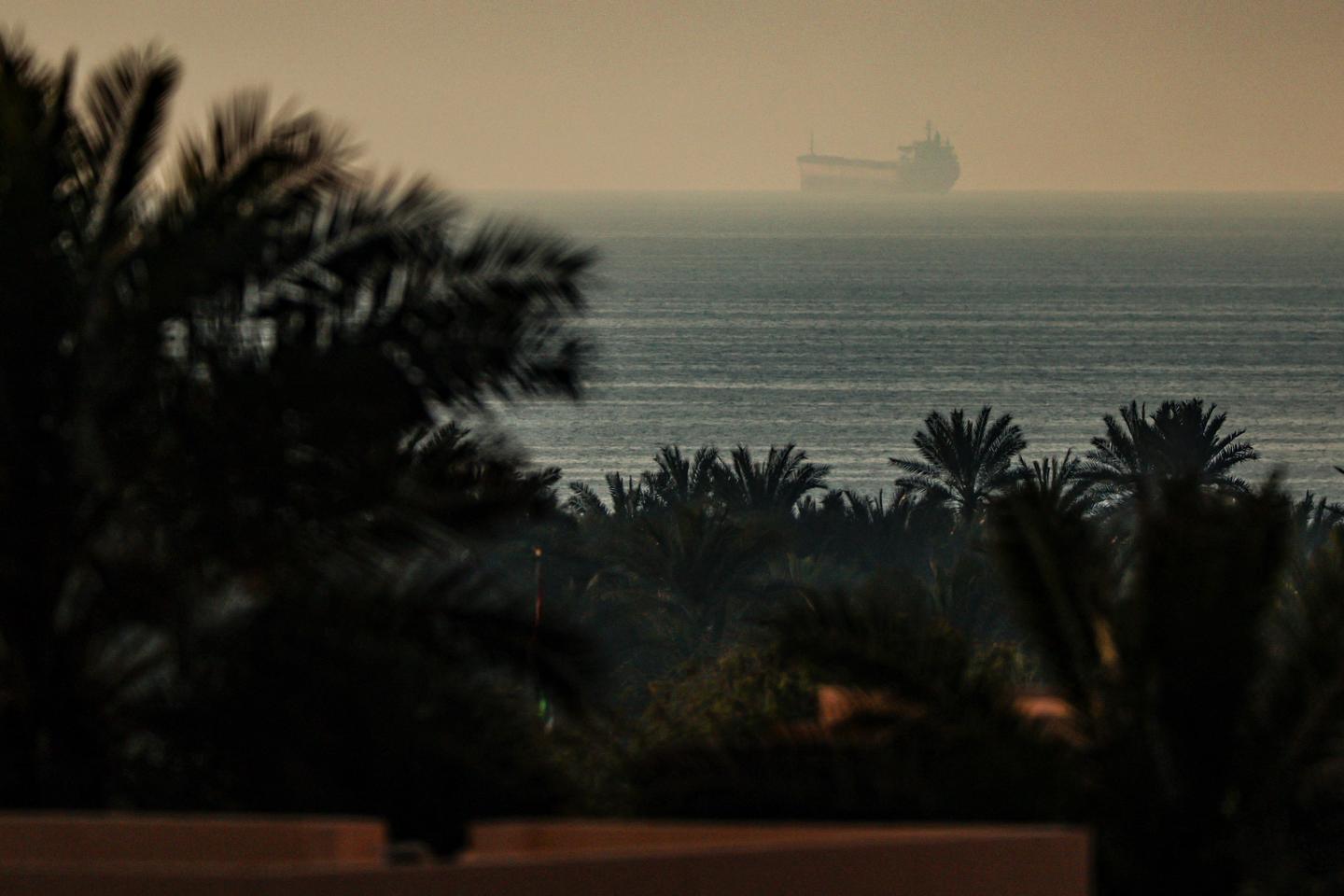
An oil tanker sails in the waters of the Strait of Hormuz, seen from the city of Al-Jeer, United Arab Emirates, on February 25, 2026. FADEL SENNA/AFP
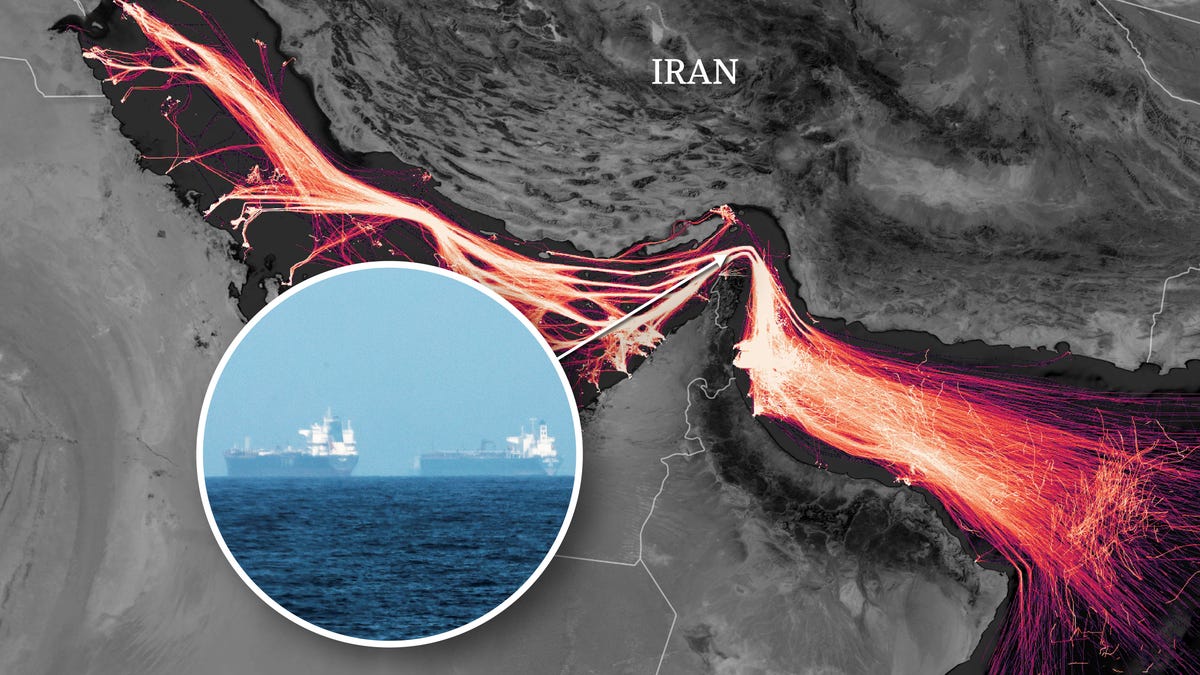
With the closure of the Strait of Hormuz and the bombings in Iran carried out by Israel and the United States on Saturday, February 28, the prospect of an oil shock threatening the global economy has resurfaced. On Friday, even before the strikes, oil prices had already climbed to a six-month high, reaching $73 (€62) per barrel of Brent, the European benchmark.
According to forecasts by Bloomberg, published on February 11, "the economic damage from $100-plus oil is likely to be smaller than during past oil shocks," including for the US, the world's second-largest energy consumer after China. "Shale turned America from a major importer during the Iraq War era into an exporter," Bloomberg noted. "That shift will cushion growth when crude prices spike, meaning the impact will be close to neutral for the US."
The consequences, however, will depend on the scale and duration of the conflict. During the 12 days of Israeli airstrikes in Iran in June 2025, the price per barrel increased by 20% to reach $79. According to Bloomberg, in the worst-case scenario of a prolonged blockade of the Strait of Hormuz, the barrel could surpass the $108 mark, compared to $60 at the beginning of January. This remains far from the tripling of prices seen between August 1973 and January 1974 during the first oil shock.