The geopolitical and economic implications of the 2026 Iran war and the Strait of Hormuz crisis may last for decades. Asian countries are bearing high costs in their energy supplies, financial capacity and security because of a war they didn’t choose. The rules-based international order has failed as a framework capable of constraining the erratic behaviour of great powers — from imposing unlawful tariffs to waging wars without regard for the repercussions for allies.
Asian states must grapple with emerging doubts about the reliability of US economic and security guarantees amid the fallout of the US–Israel intervention in Iran that has severely disrupted global energy supply chains.
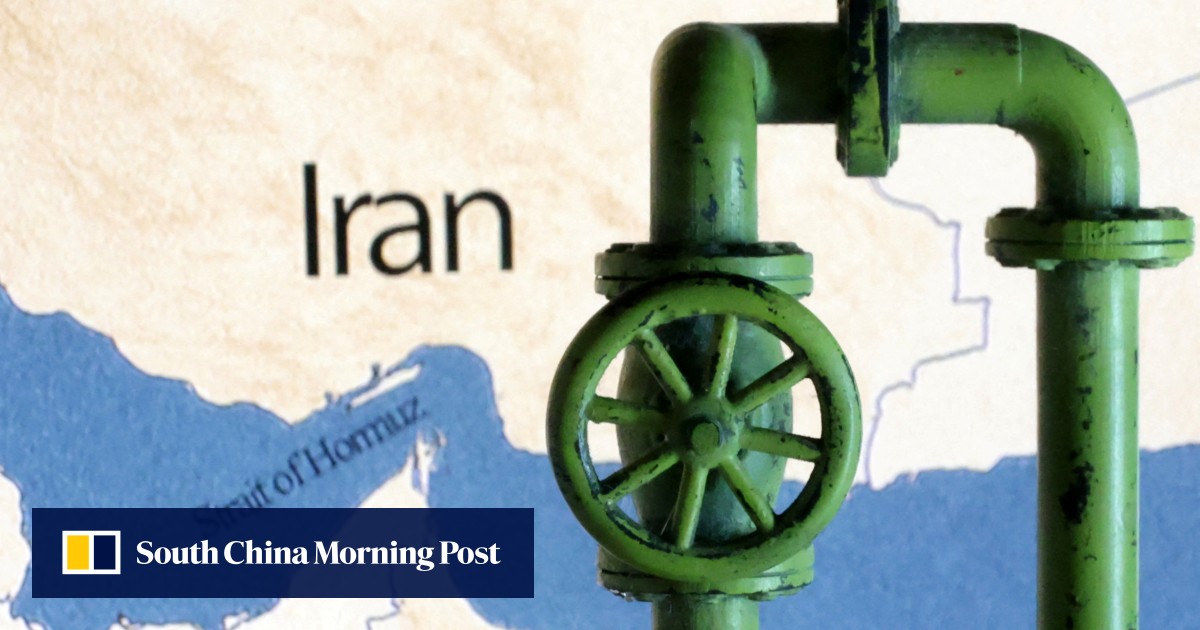
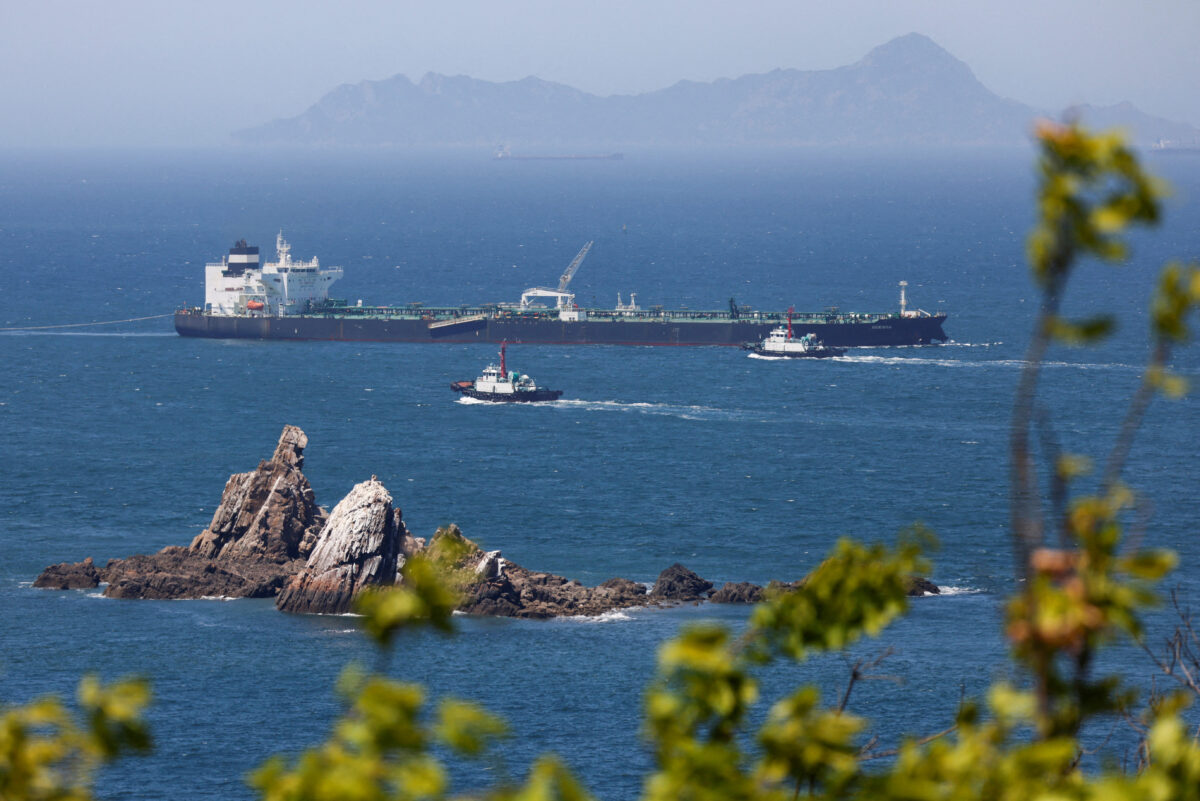
Around 80 per cent of crude oil and oil products and 90 per cent of liquefied natural gas (LNG) that transit the Strait of Hormuz head to Asian markets. The dilemma of over-reliance on energy imports from the Middle East is most acute in East and South Asia. Japan and South Korea source about 87 and 81 per cent of their respective energy from fossil fuel imports, of which 93 and 70.7 per cent of their oil imports transit the Strait under peacetime conditions.
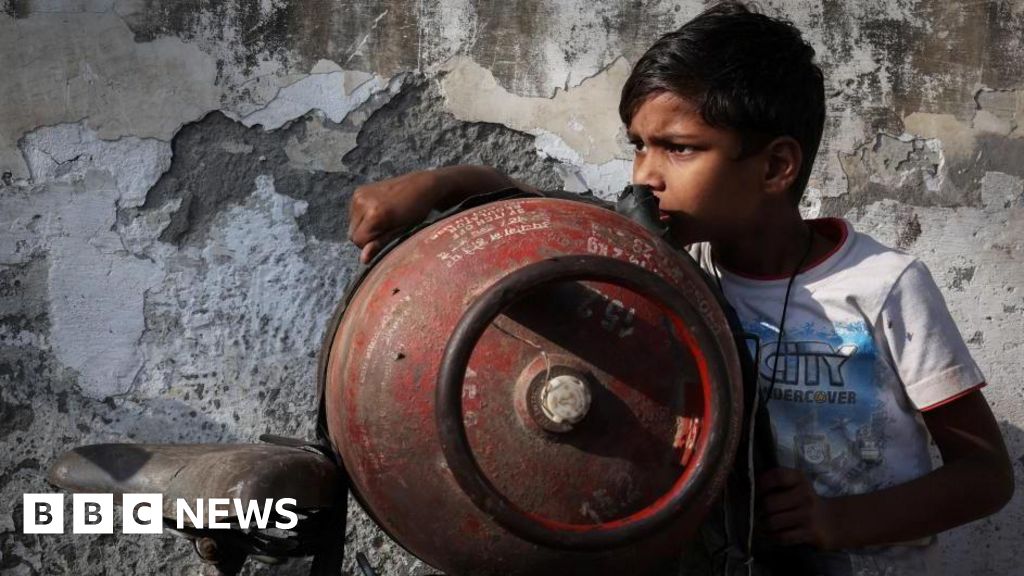
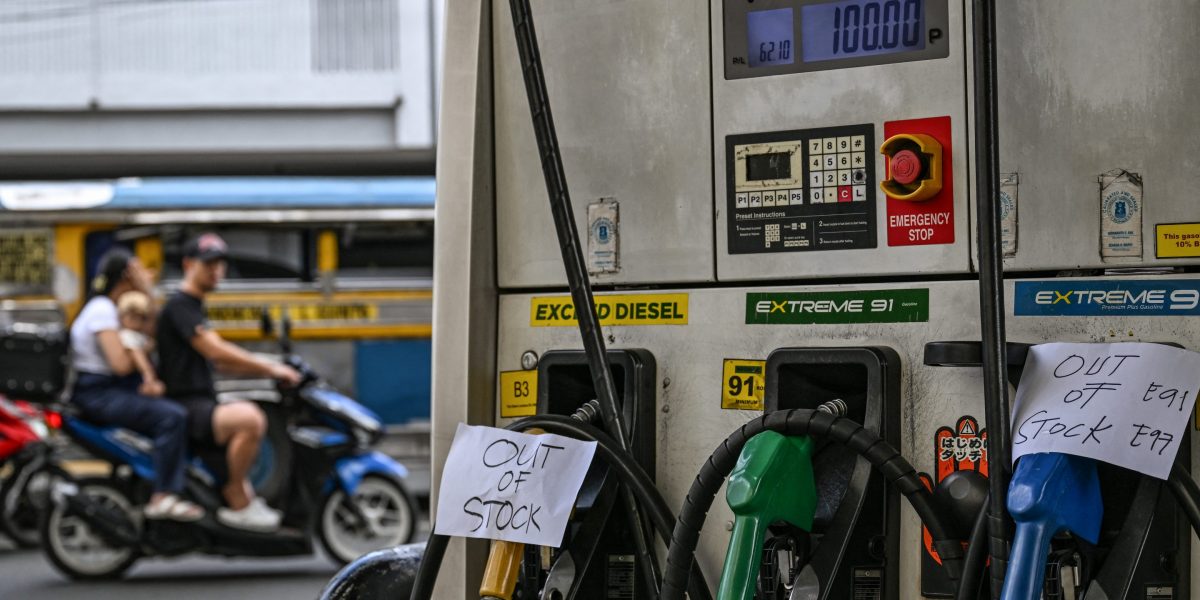
While energy price spikes expose a structural problem for East Asia, South Asia is facing a crisis of both supply and storage.