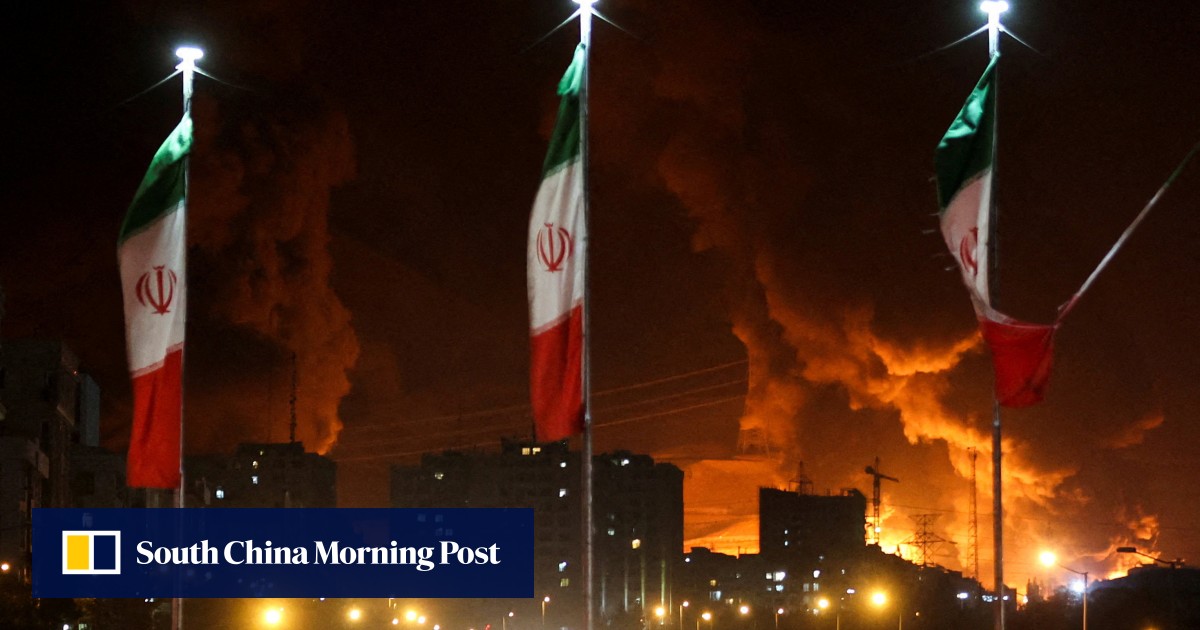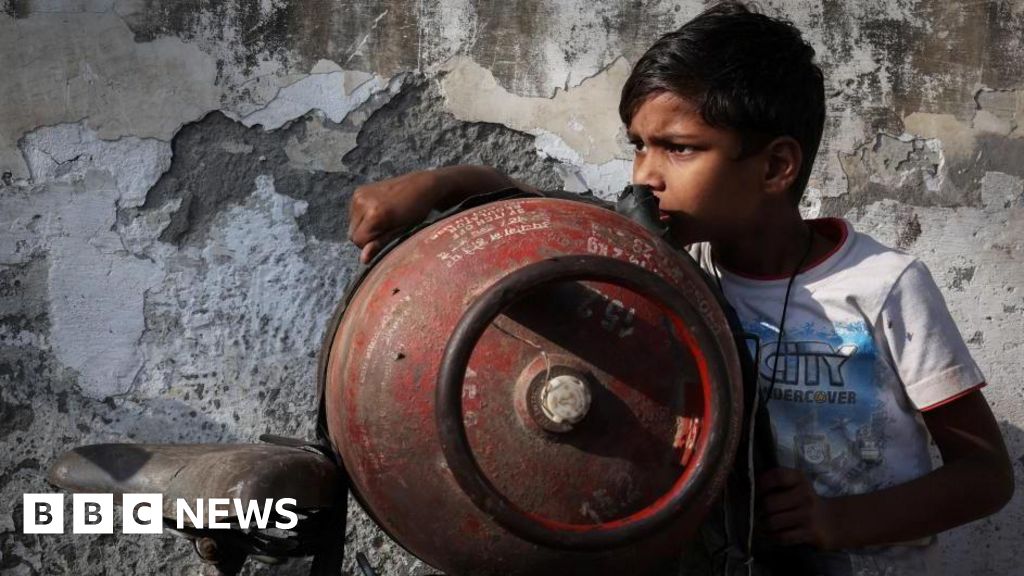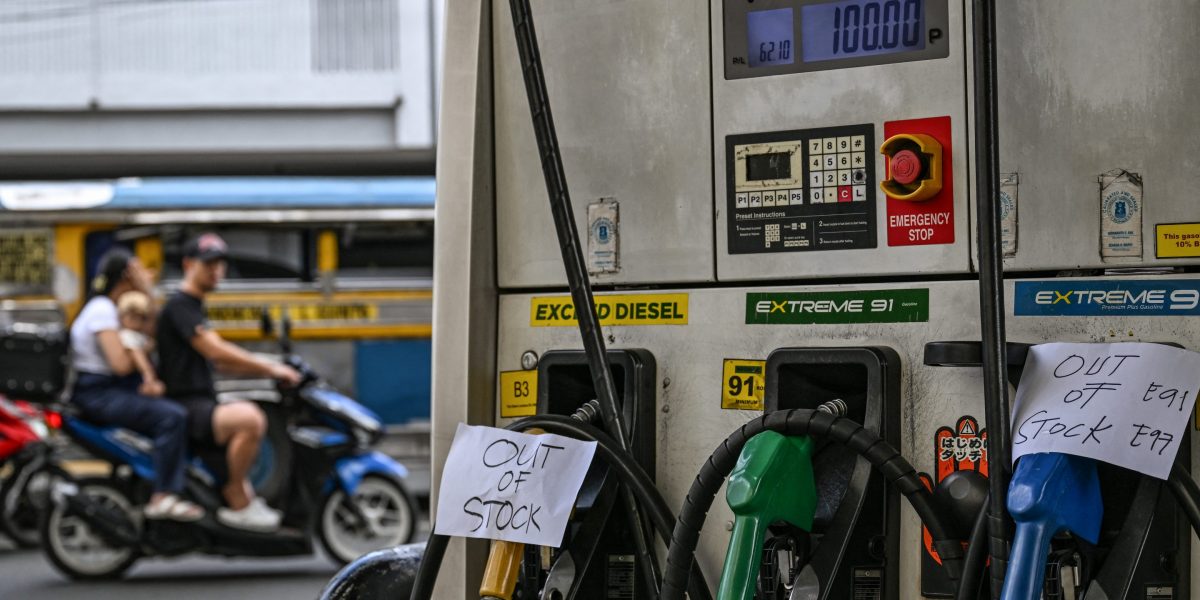
As the Iran war enters its fourth week, much of its cost is being borne by countries that had nothing to do with starting it.
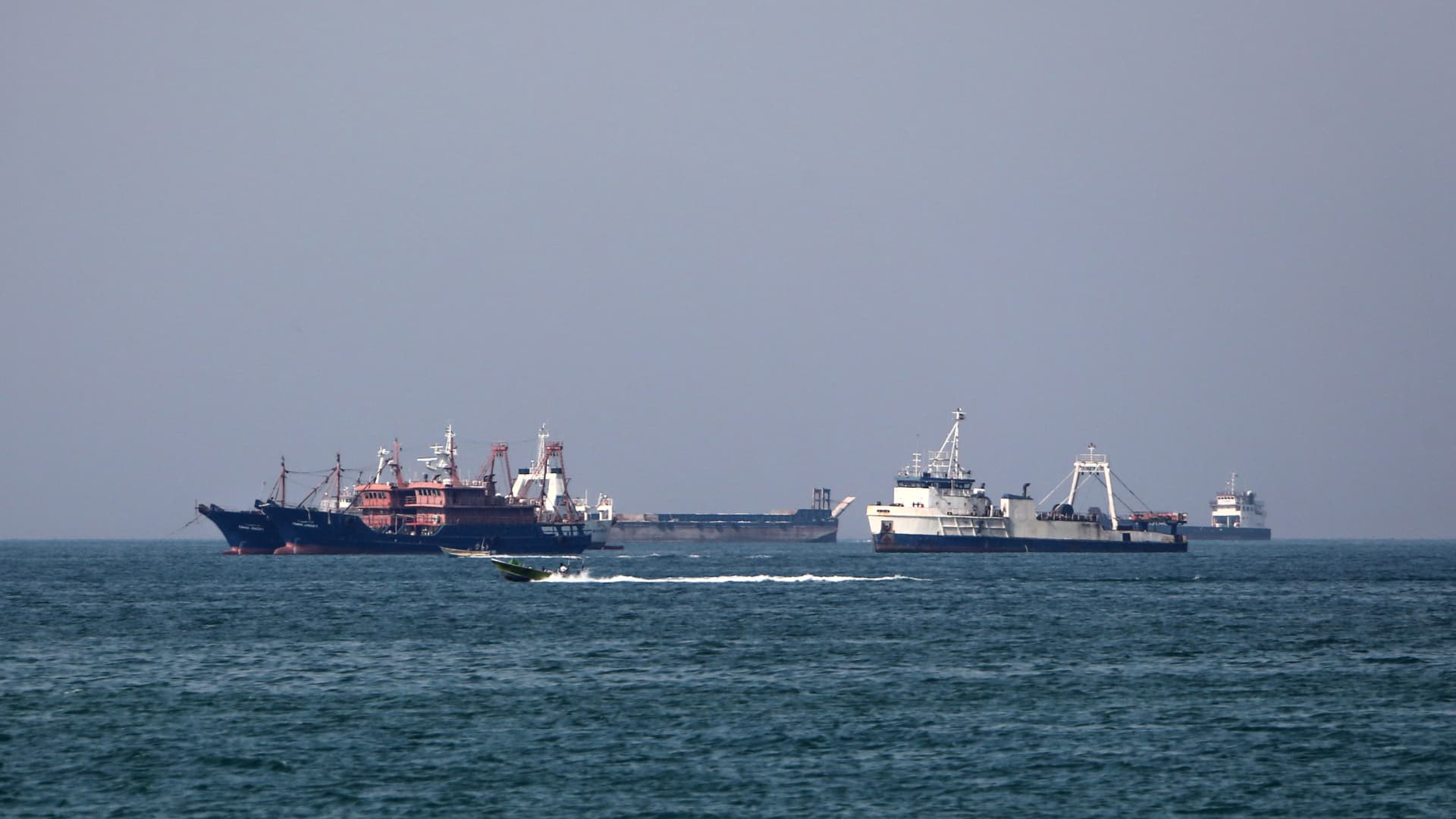
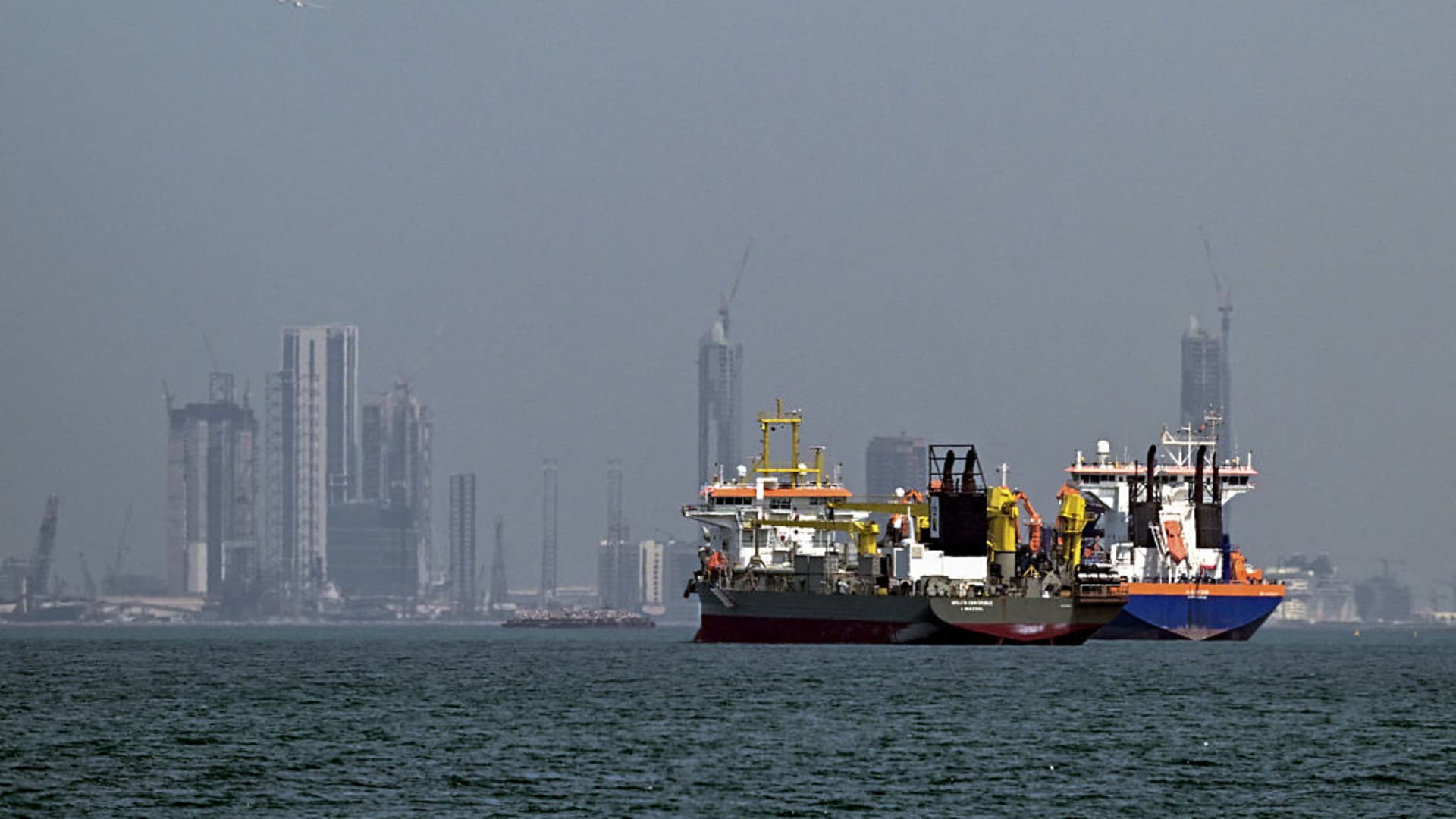
Iran closed the Strait of Hormuz soon after the U.S. and Israel launched their strikes on the country, choking the maritime artery through which nearly all of the Persian Gulf’s oil and natural gas flow. The closure has strangled shipments from major energy exporters—Qatar, Saudi Arabia, and the United Arab Emirates—and poses an existential threat to Asia, a region that relies on imported energy.
“Asia is at the heart of this drama, in that it is the chief area…of collateral damage,” said Columbia University historian Adam Tooze at the Jefferies Asia Forum in Hong Kong this week.
The Iran war threatens to become an inflationary shock targeted at the world’s growth engine. For three decades, governments turned to rate cuts and looser fiscal policy when faced with a crisis. This time, those tools may no longer work.
Fiscal and monetary policy was already loosening across much of the world economy. “Coming into the current crisis with Iran…it was pretty obvious, whether Japan, whether Europe, whether the United States, whether the UK, that we were very much in an inflationary boom,” Louis-Vincent Gave, CEO of Gavekal Research, told conference attendees.