https://arab.news/8xtr9
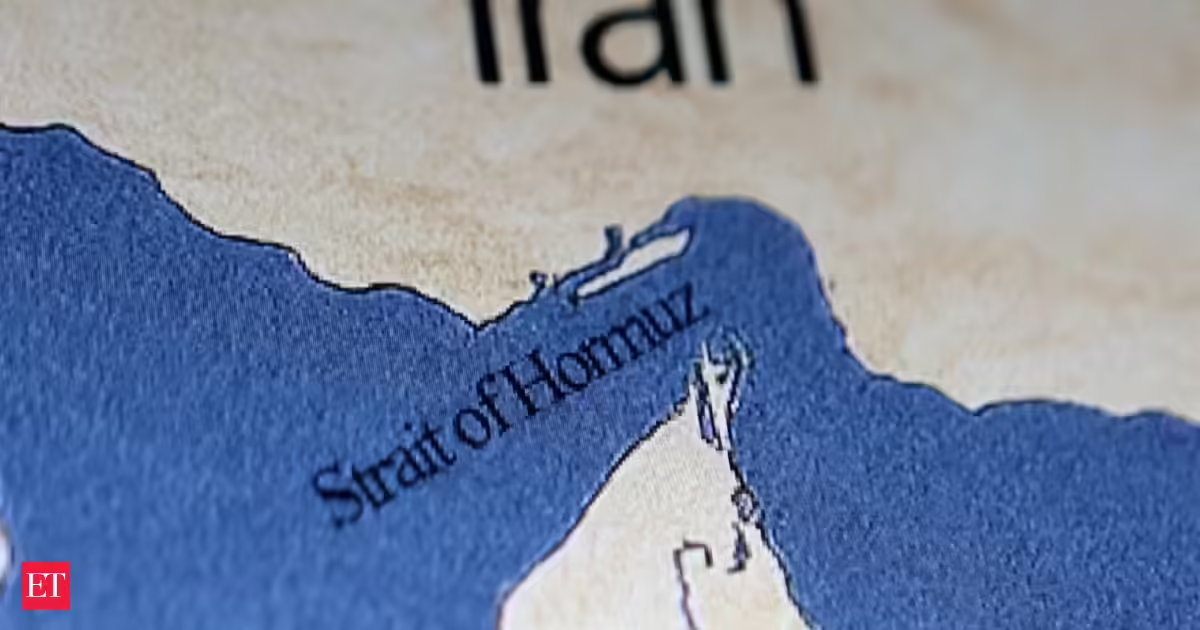
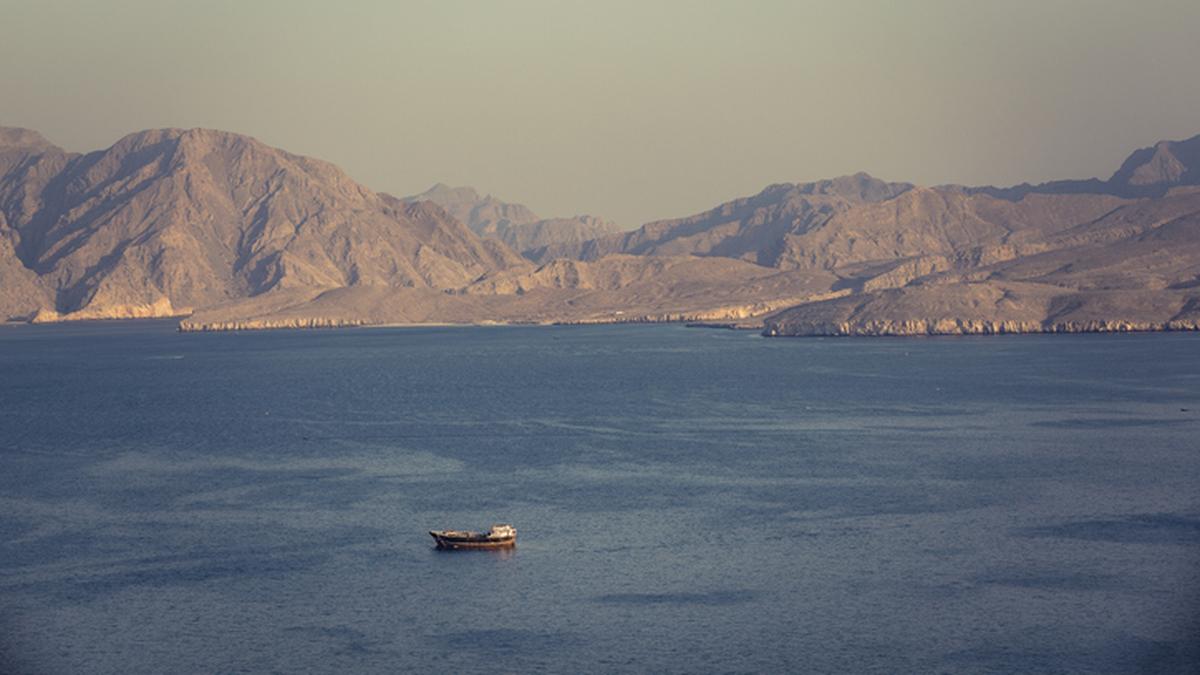
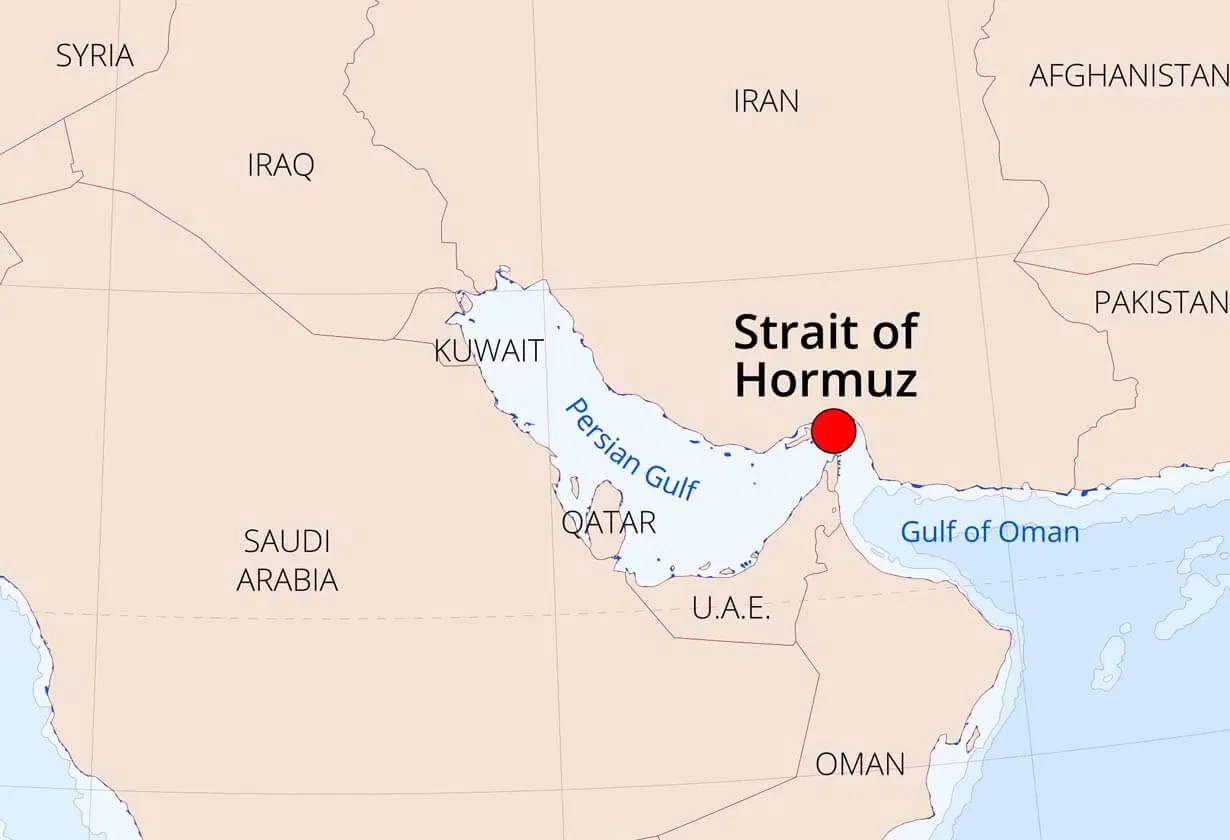
The Strait of Hormuz, a 39 km-wide waterway flanked by Iran to the north and Oman and the UAE to the south, is a passage through which one-fifth of the world’s oil flows each day. For decades, it has been a strategic chokepoint, considered a critical vulnerability in global energy security.
On Feb. 28, this vulnerability was laid bare when Iran’s Islamic Revolutionary Guard Corps issued a stark warning in the wake of US and Israeli strikes on Iranian nuclear facilities and the assassination of Supreme Leader Ali Khamenei. It said no vessels would be allowed to pass. Within days, tanker traffic plummeted by nearly 90 percent, oil prices spiked and the US navy swiftly mobilized to escort commercial ships through one of the world’s most perilous maritime corridors.
For the first time in history, the Strait of Hormuz was effectively closed. What followed was a permanent shift in the rules of global energy security, rewriting how energy is secured and traded in real time.
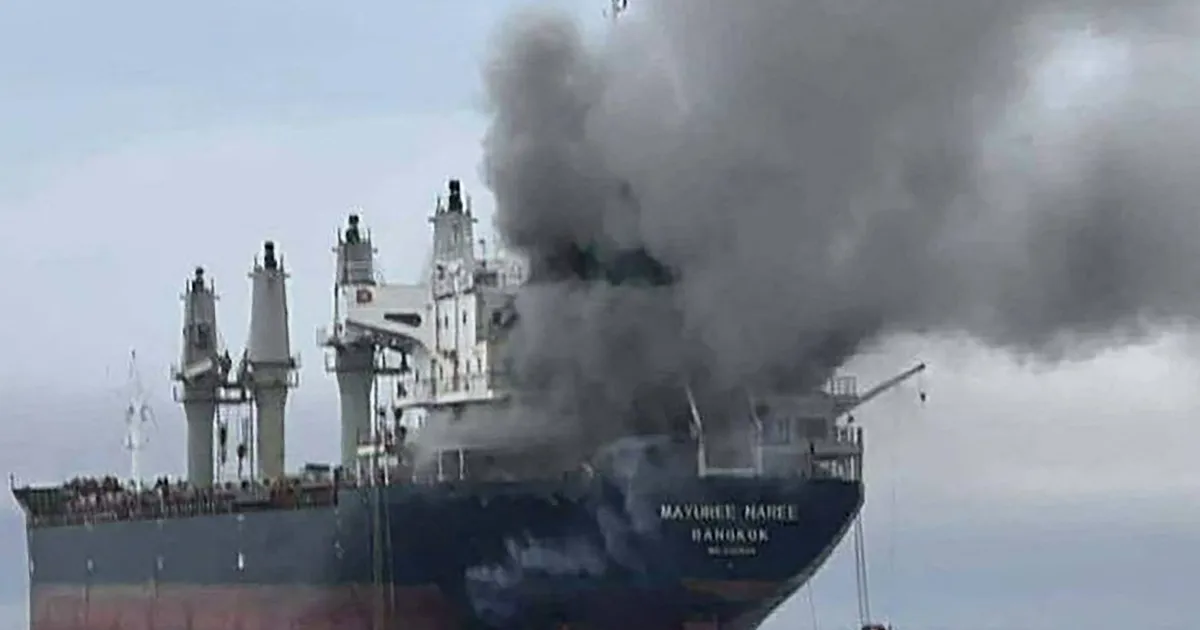
The most consequential lesson of the closure is financial. Iran did not mine the strait, nor did it deploy a naval armada. However, it struck three tankers in the vicinity of the passage and the insurance market did the rest. War-risk premiums for transits through the strait had already doubled before this, rising from 0.125 percent of ship value to between 0.2 percent and 0.4 percent, adding about $250,000 to each supertanker voyage.