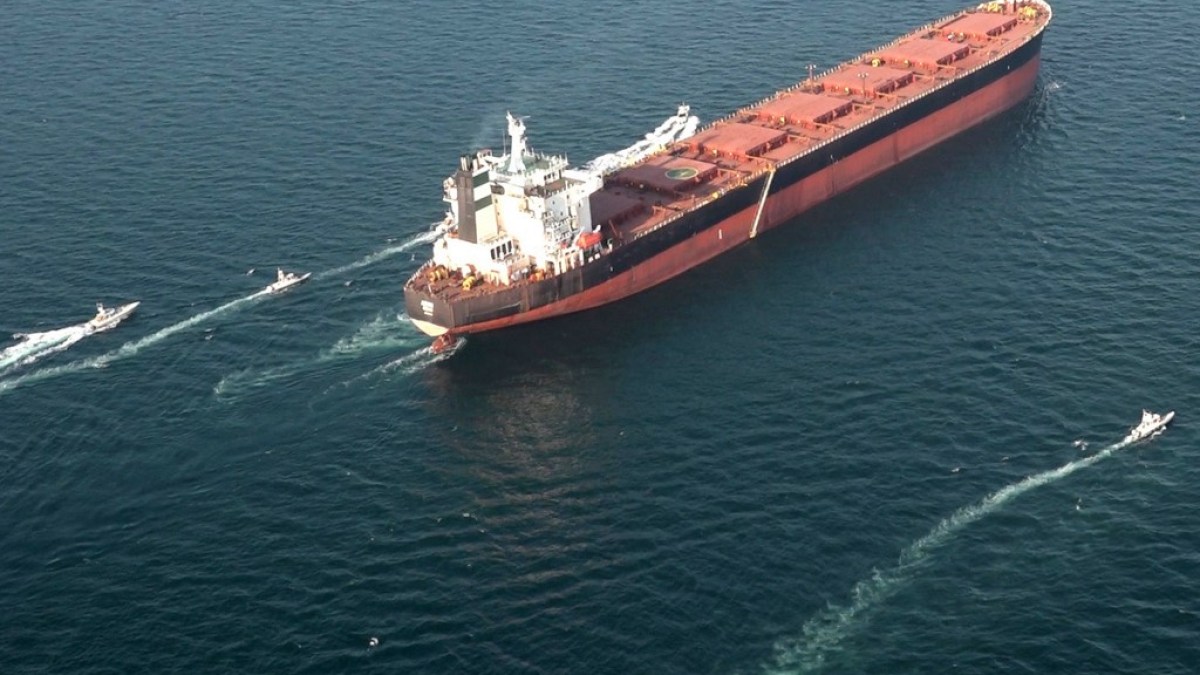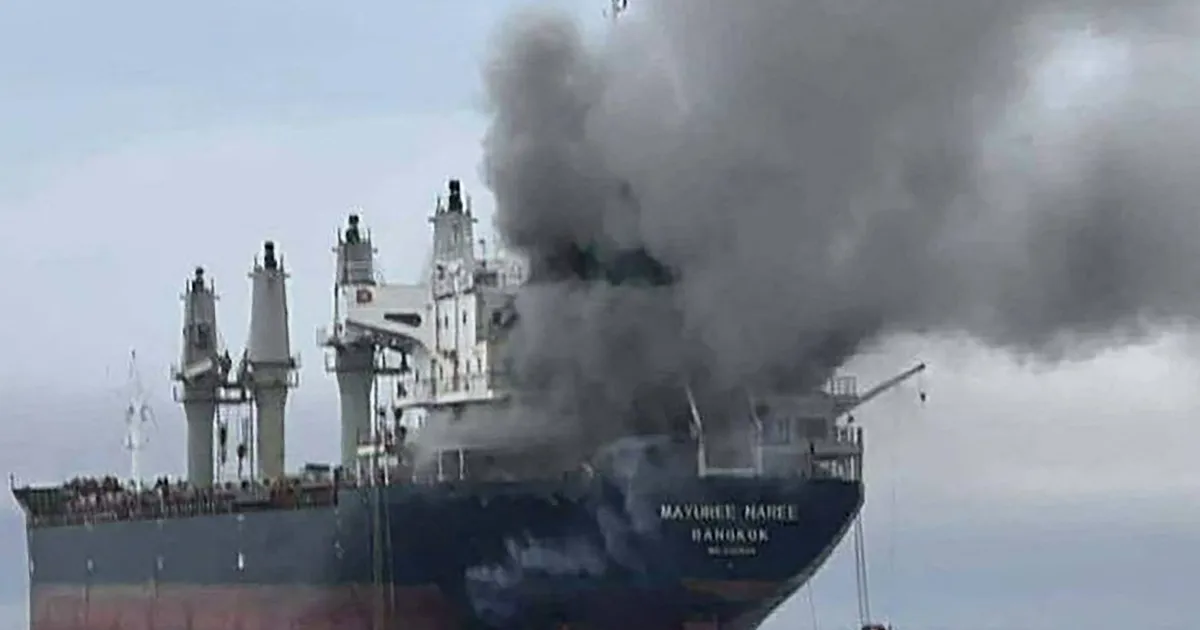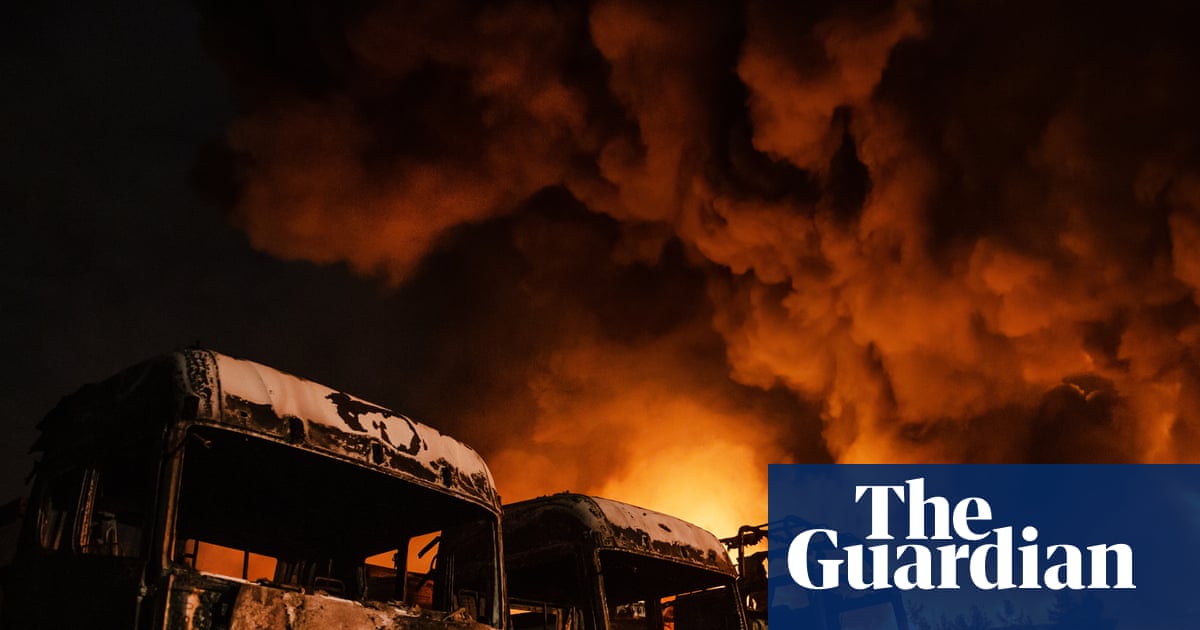
The Tehran regime has weaponised geography in retaliation for the attacks by the US and Israel
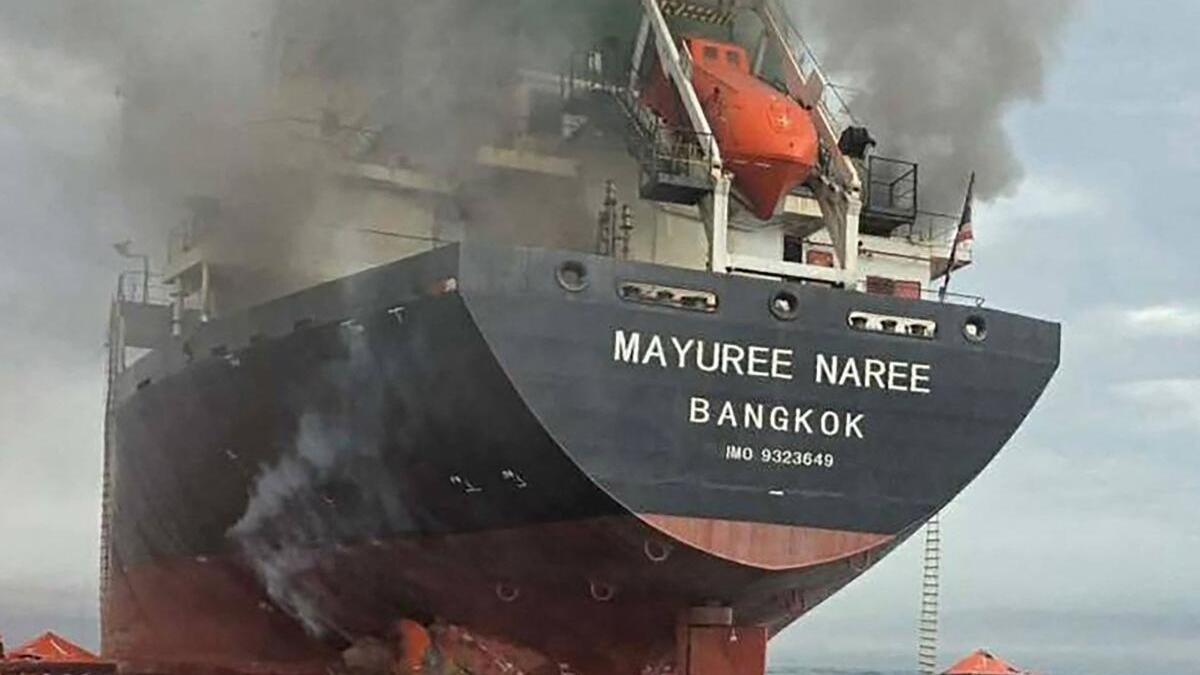
Global oil markets have recorded some of the biggest price swings in history this week after the US-Israeli war with Iran throttled the flow of Middle Eastern crude through the strait of Hormuz.
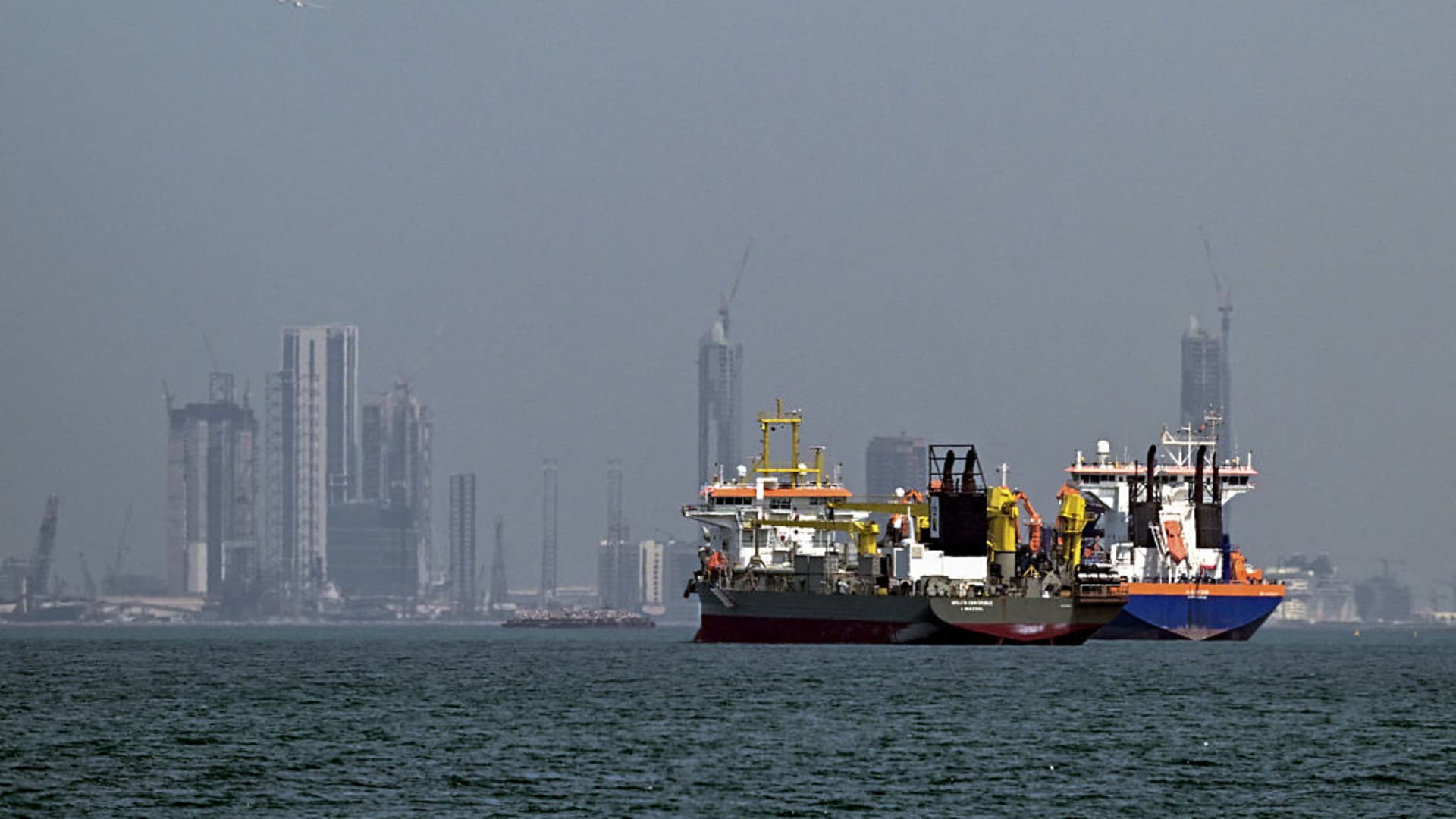
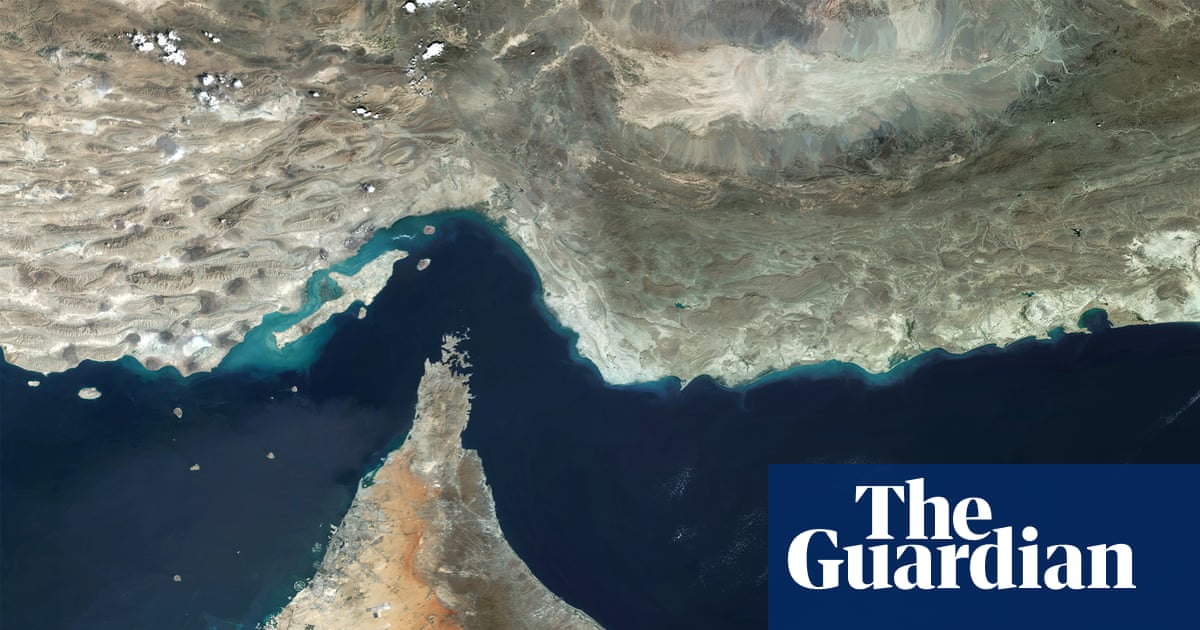
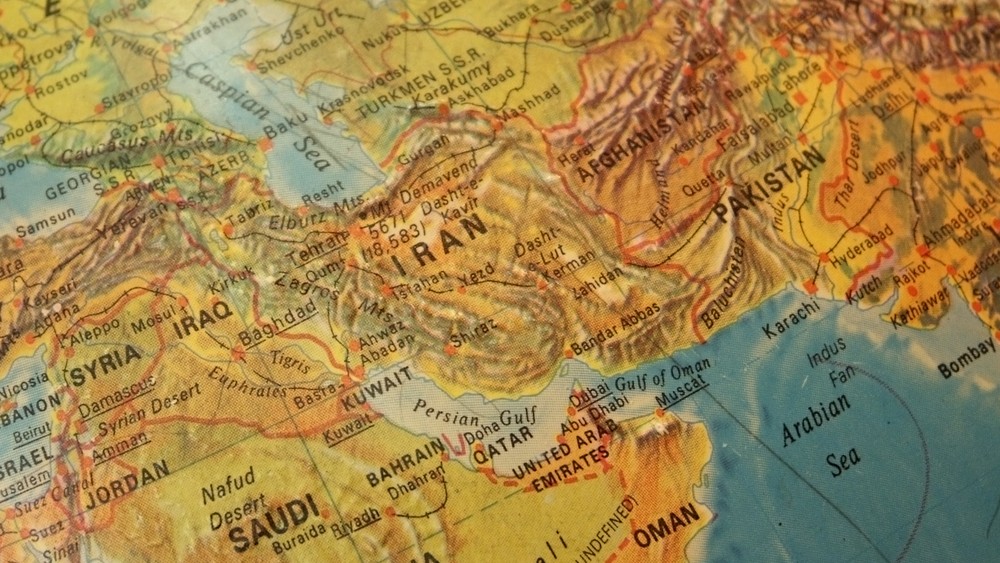
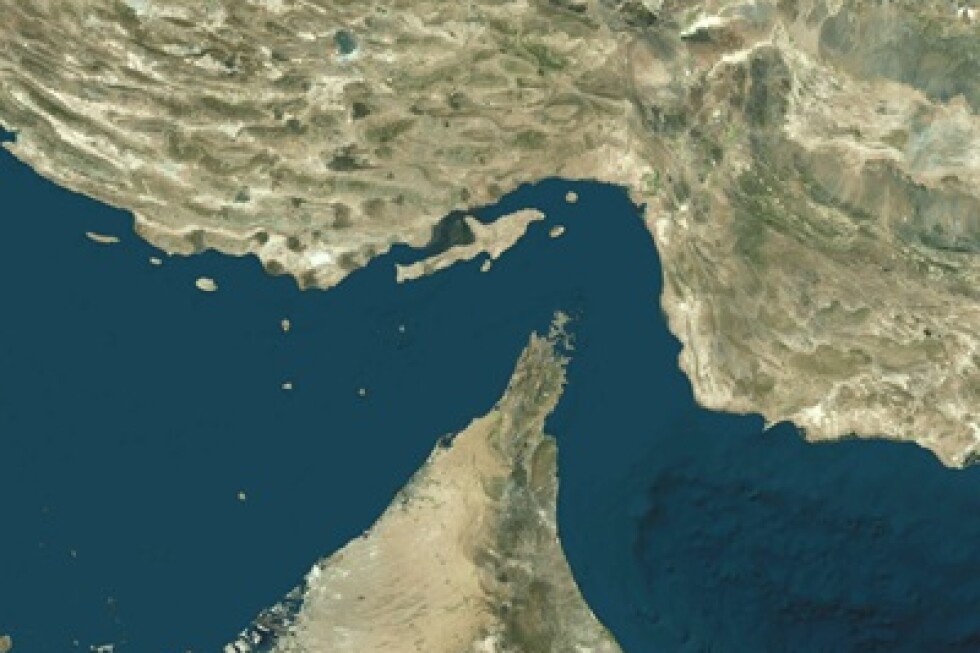
The narrow waterway south of Iran is one of the world’s most important trade arteries, through which a fifth of global oil and seaborne gas is shipped from production facilities and refineries in the Gulf to buyers around the world.
The strait carries just over 20m barrels of oil a day, making it the busiest oil route after the strait of Malacca between Malaysia and Indonesia. It is also the most important trade route for cargoes of liquified natural gas (LNG), shipped on super-chilled tankers.
But unlike the Malacca corridor – which carries roughly 23.2m barrels a day to buyers in China, Japan and South Korea – the Hormuz strait is far more difficult to circumvent, making it the biggest chokepoint in the global energy system.