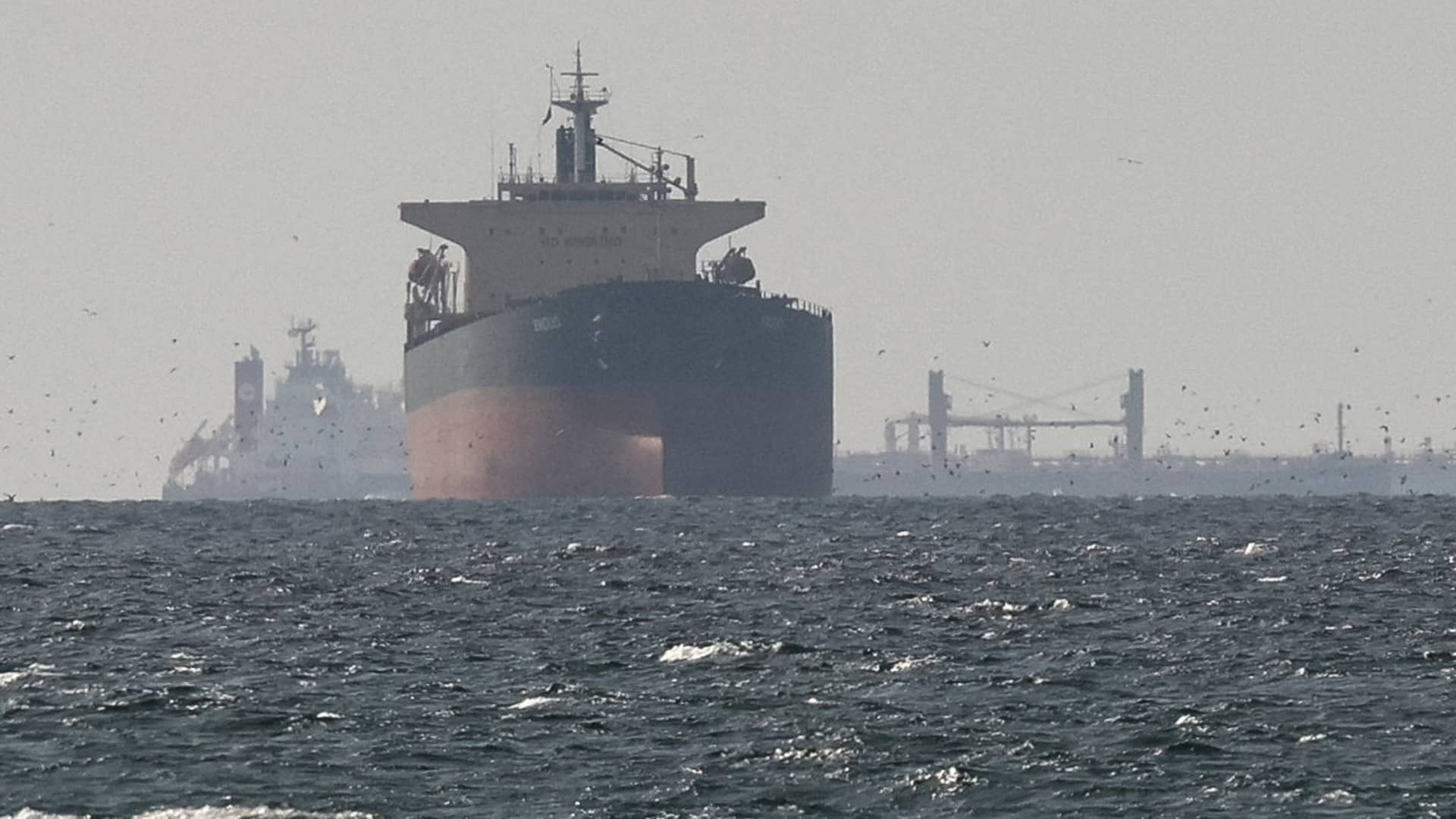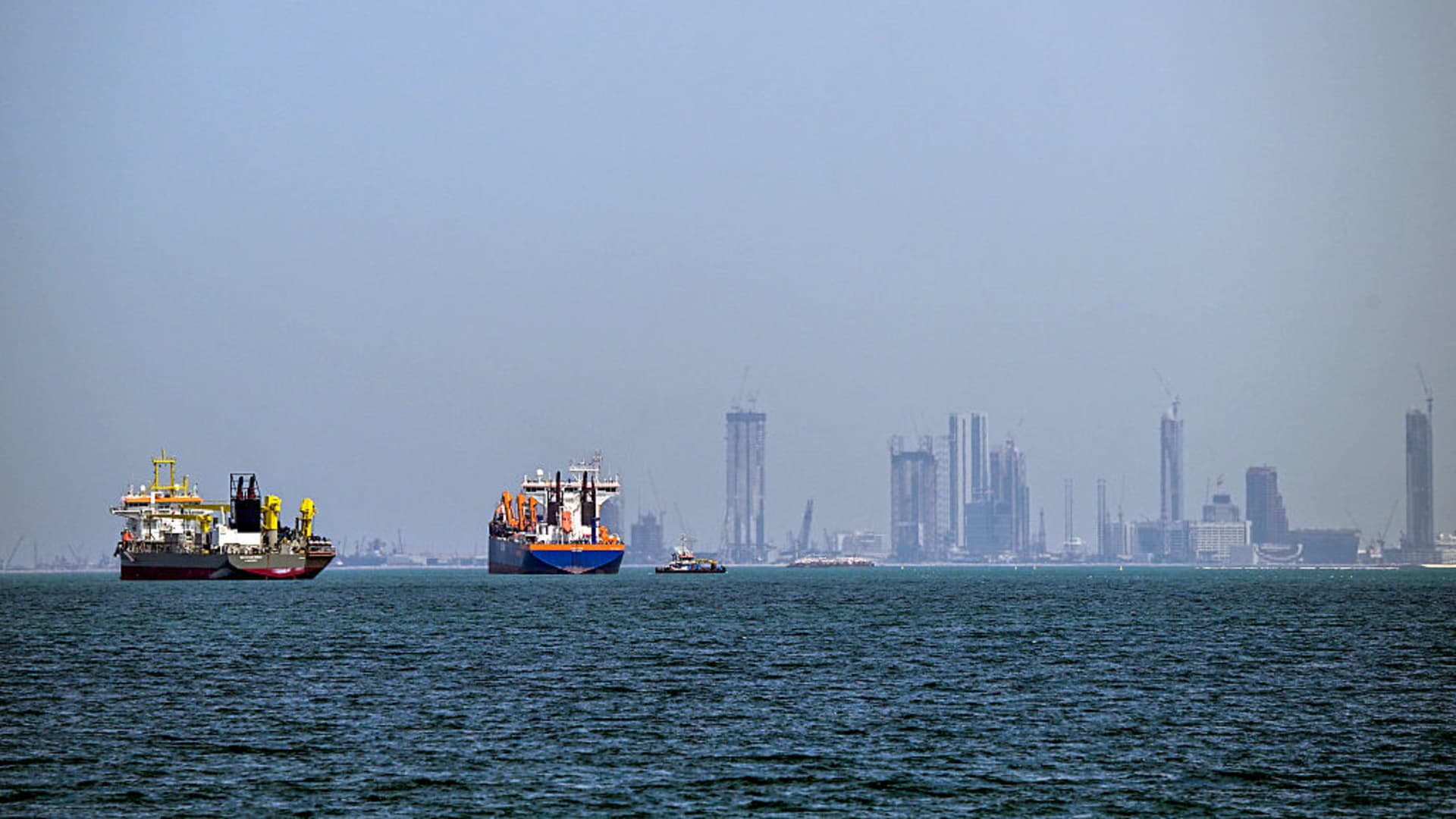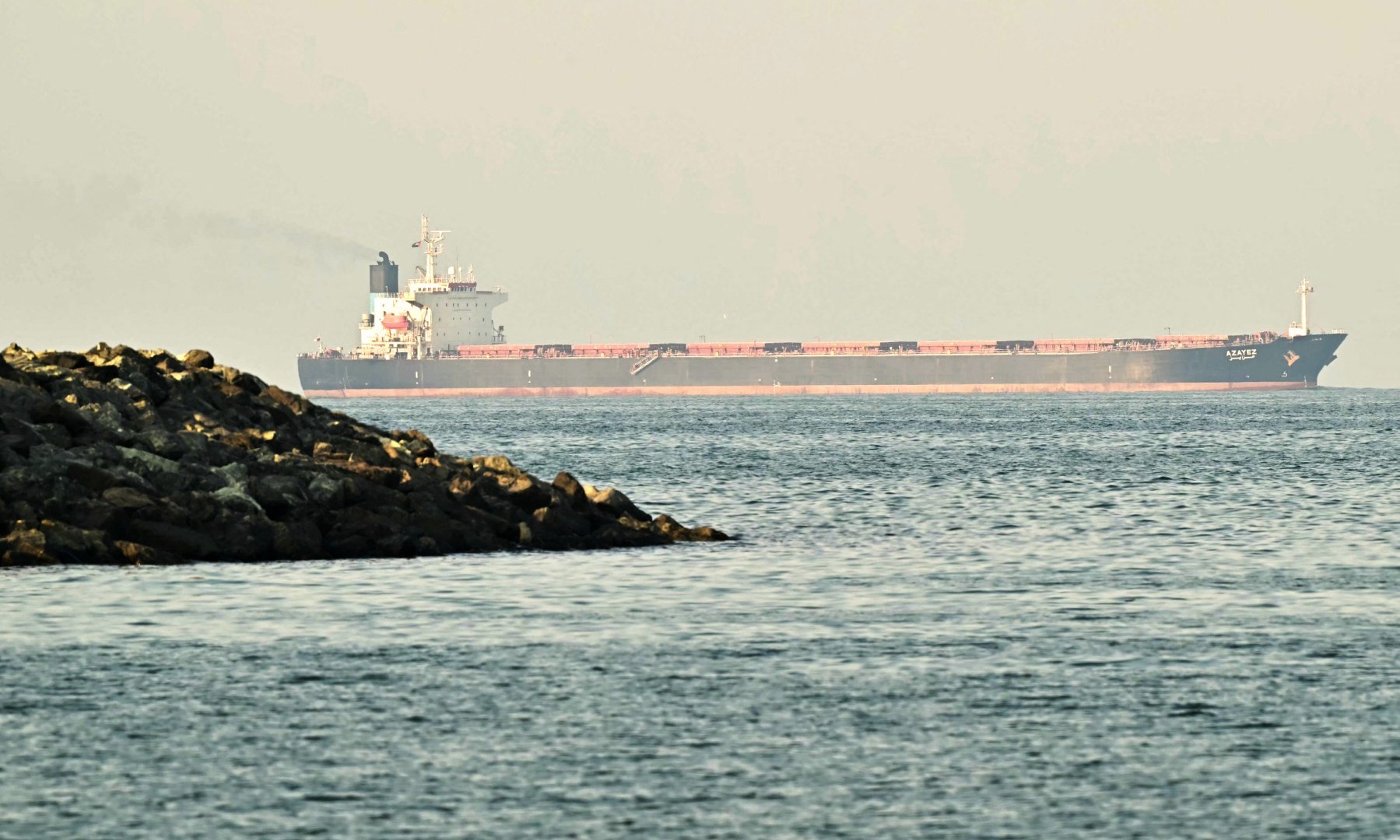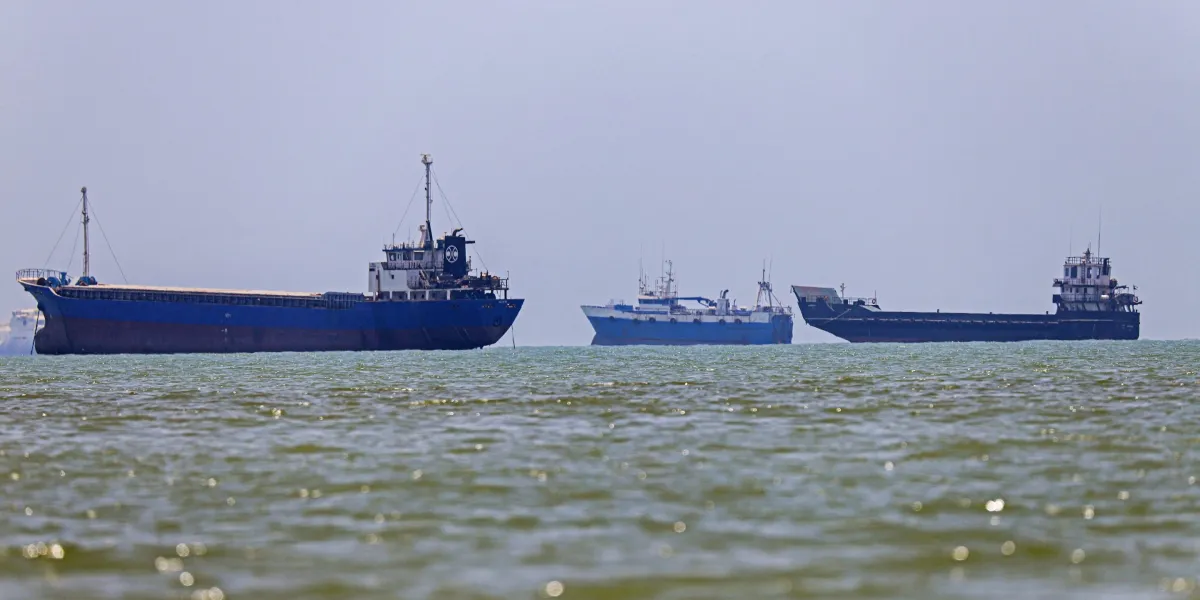
Many of the vessels willing to make the crossing are taking an alternative route through Iranian waters
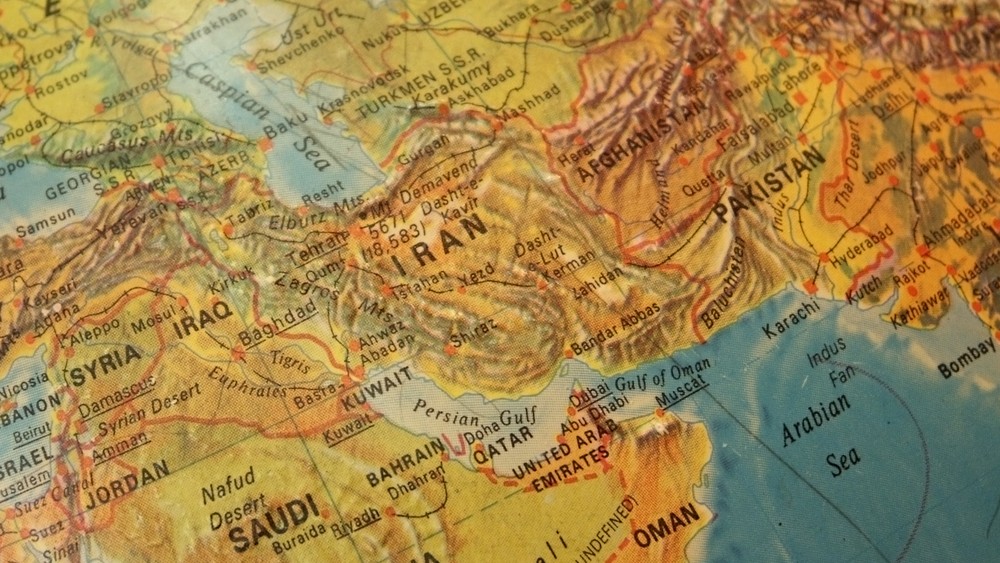
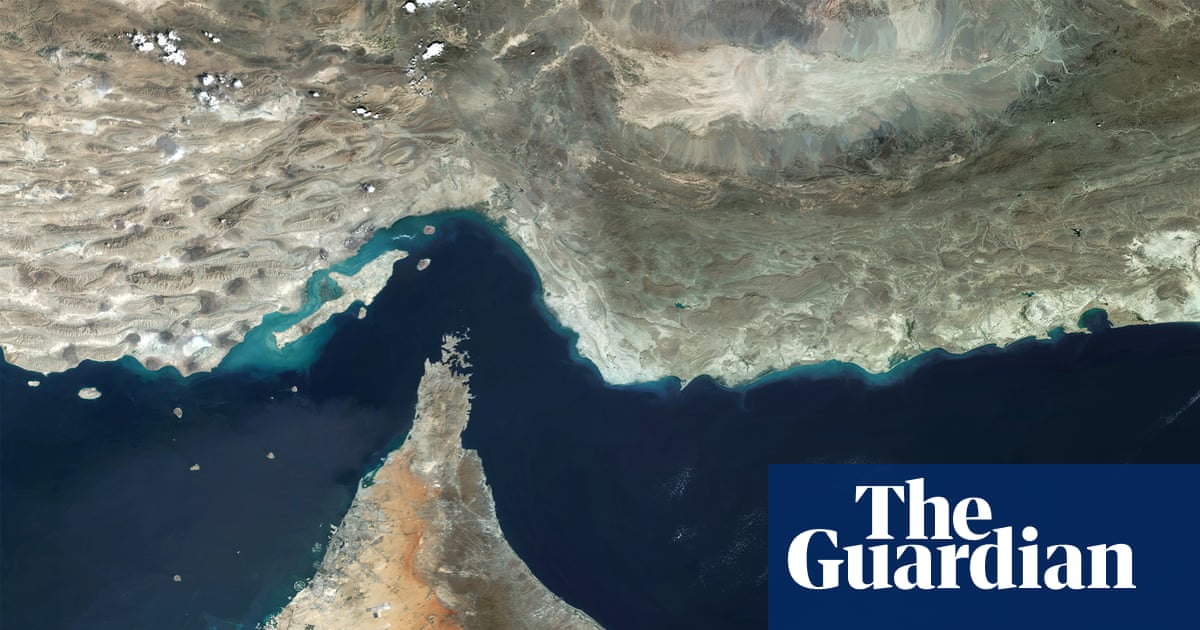
Threats to shipping have effectively closed the strait of Hormuz since the US-Israel war on Iran began four weeks ago – upending global oil and gas supplies and sending energy prices soaring.
In normal times, tankers carry about a fifth of the world’s oil and gas supplies through the narrow channel and on to the rest of the world, while about a third of the global fertilisers necessary for half of the world’s food production pass through in dry bulk vessels.
Before the conflict, 138 ships a day were transiting the waterway on average, according to the Joint Maritime Information Center. That is about the number estimated to have made the journey in the whole month of March, according to Lloyd’s List Intelligence, after 100 exited the Gulf and 40 entered.
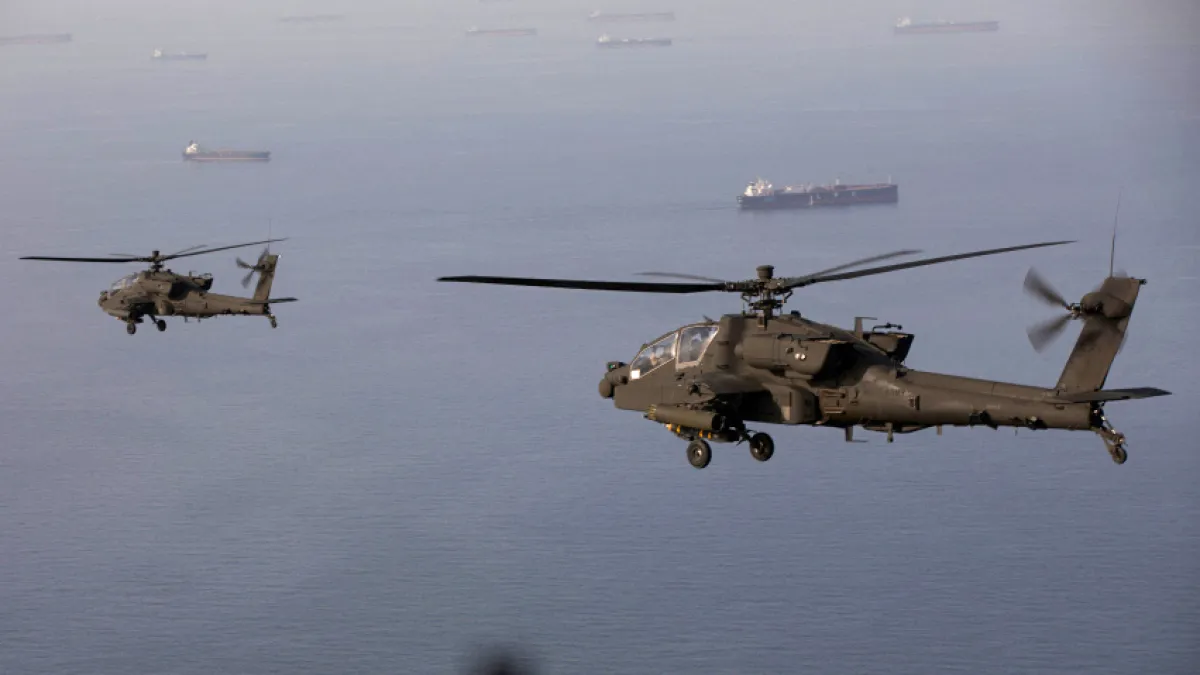
More than 20 ships have been attacked across the region during the conflict, according to analysts from Lloyd’s List, including near-misses and those that have sustained minor damage, leading to the deaths of several crew members.