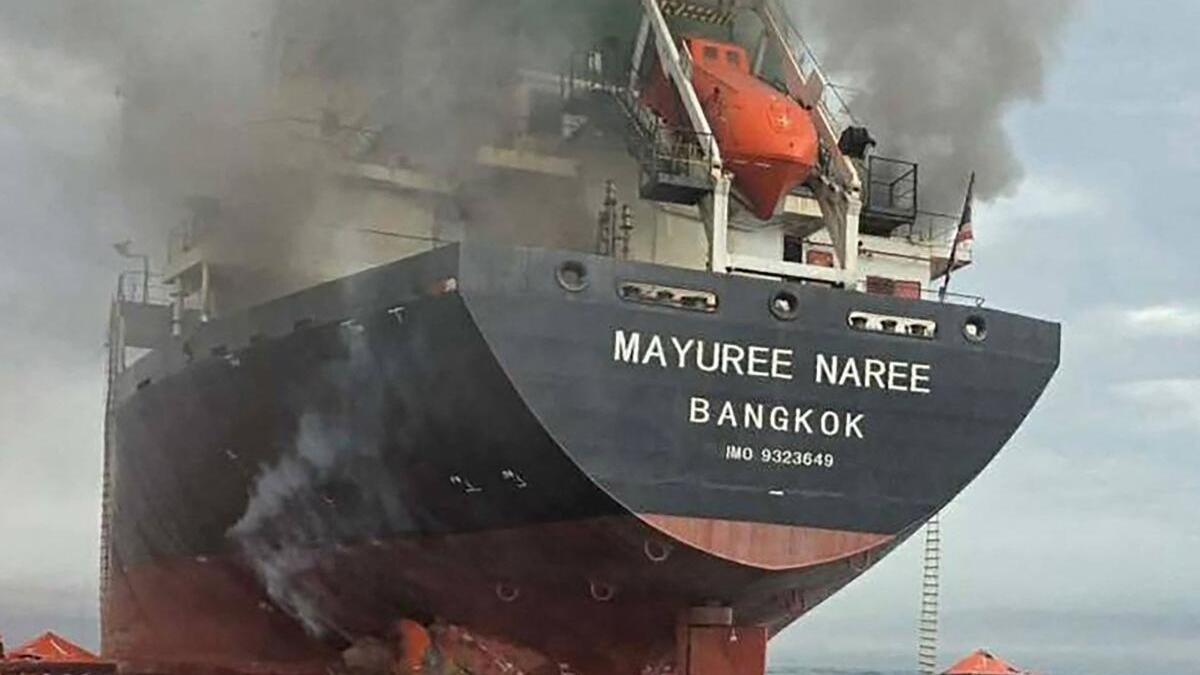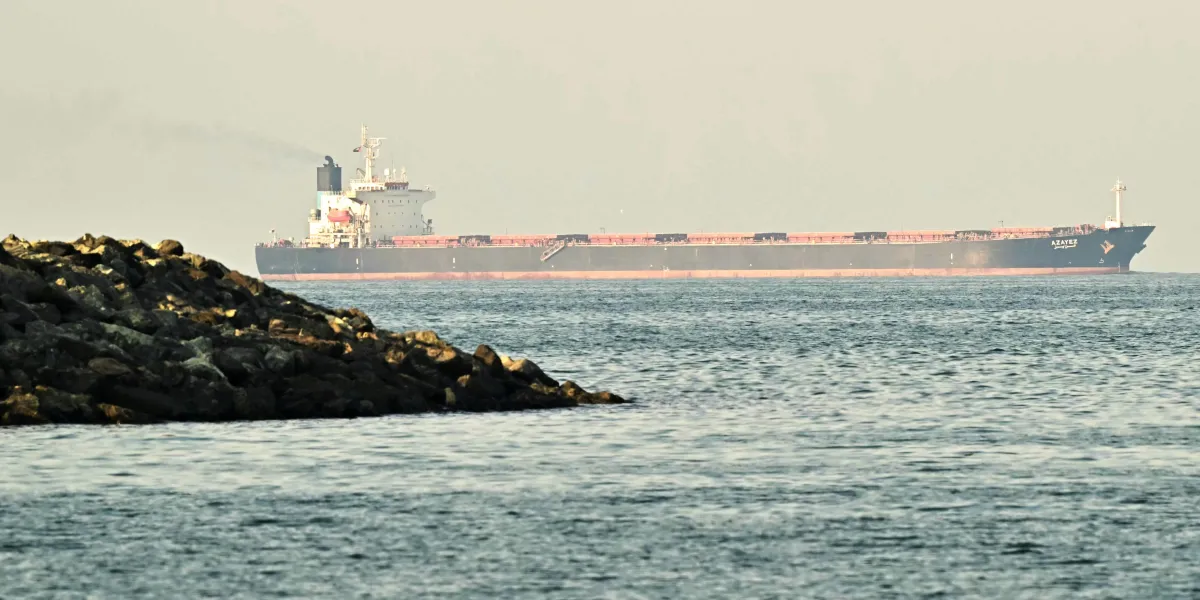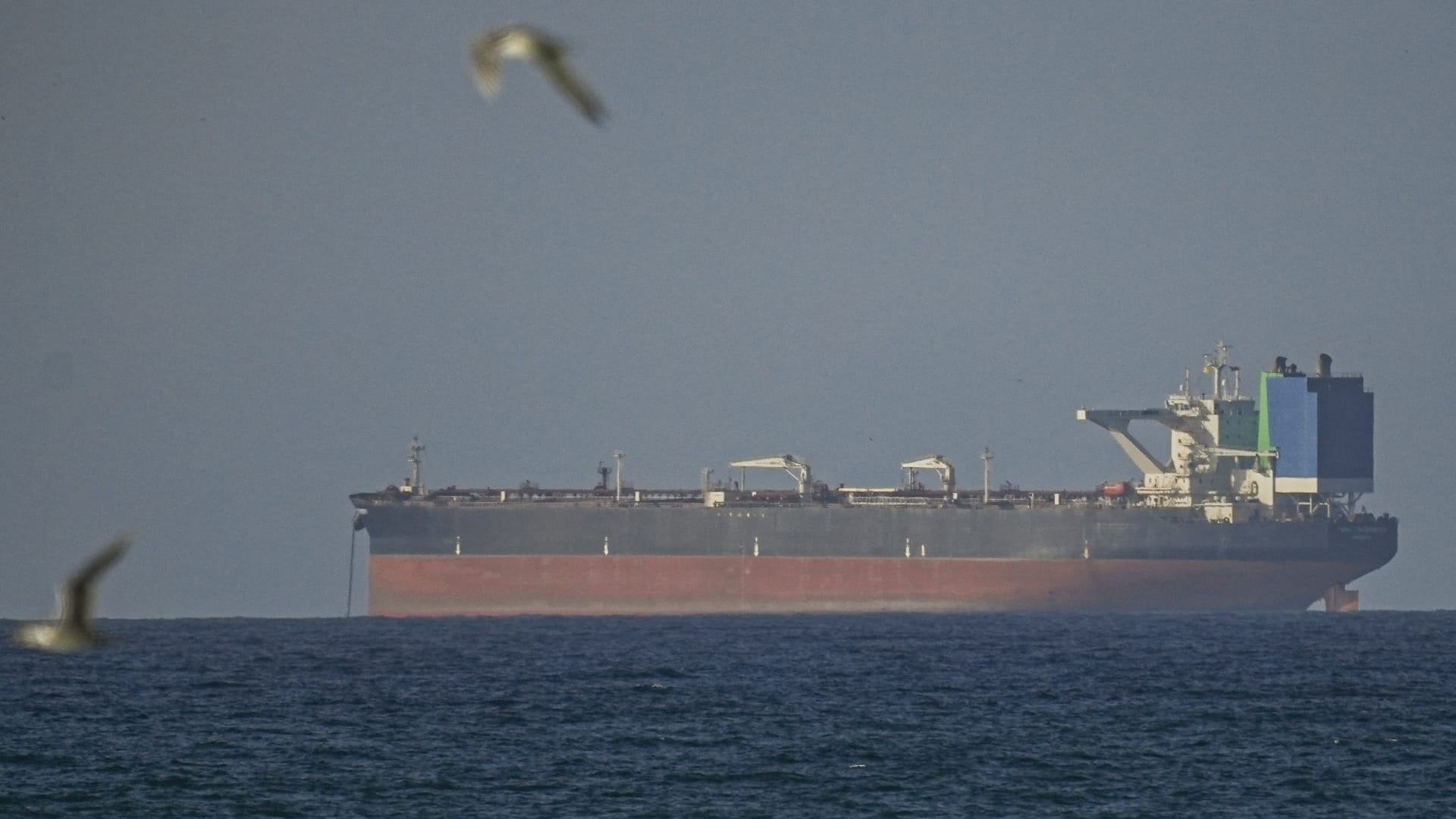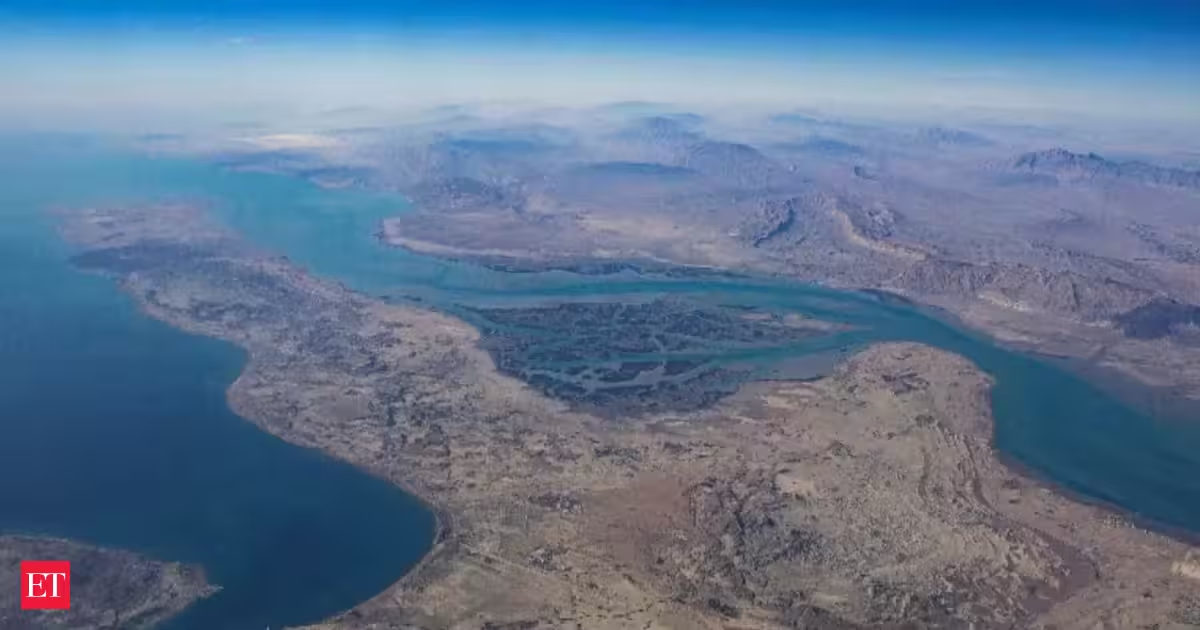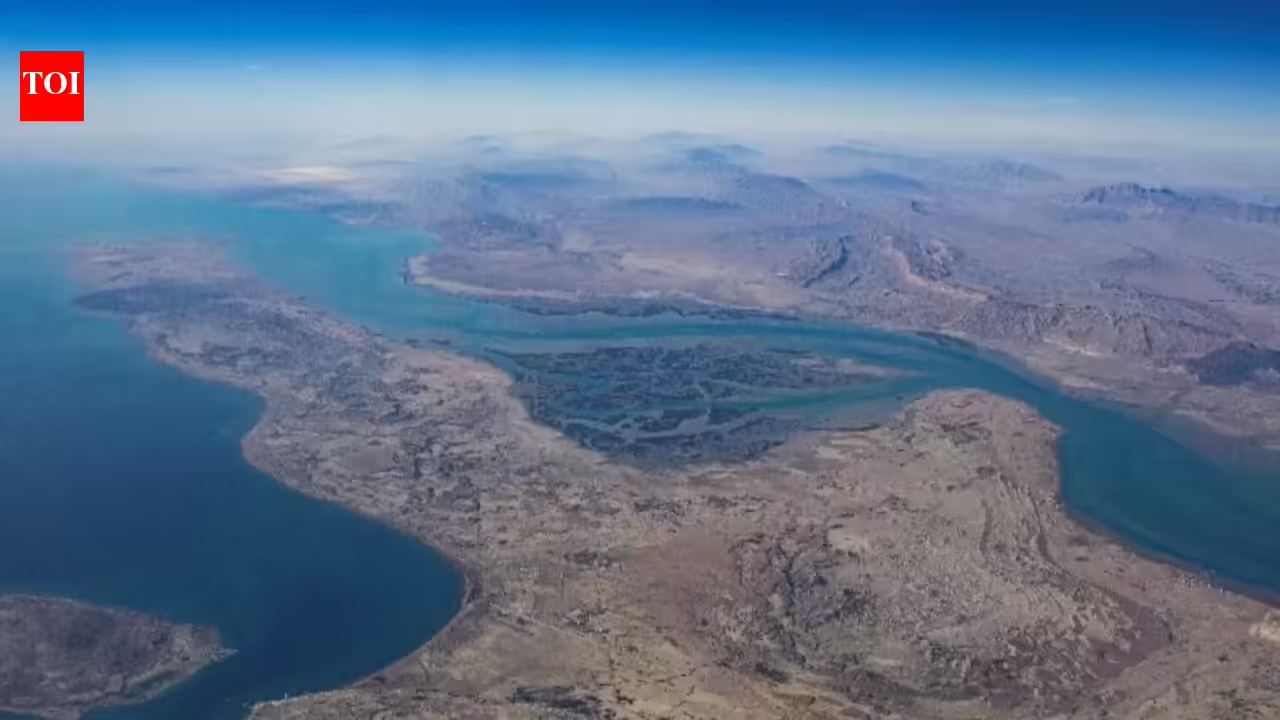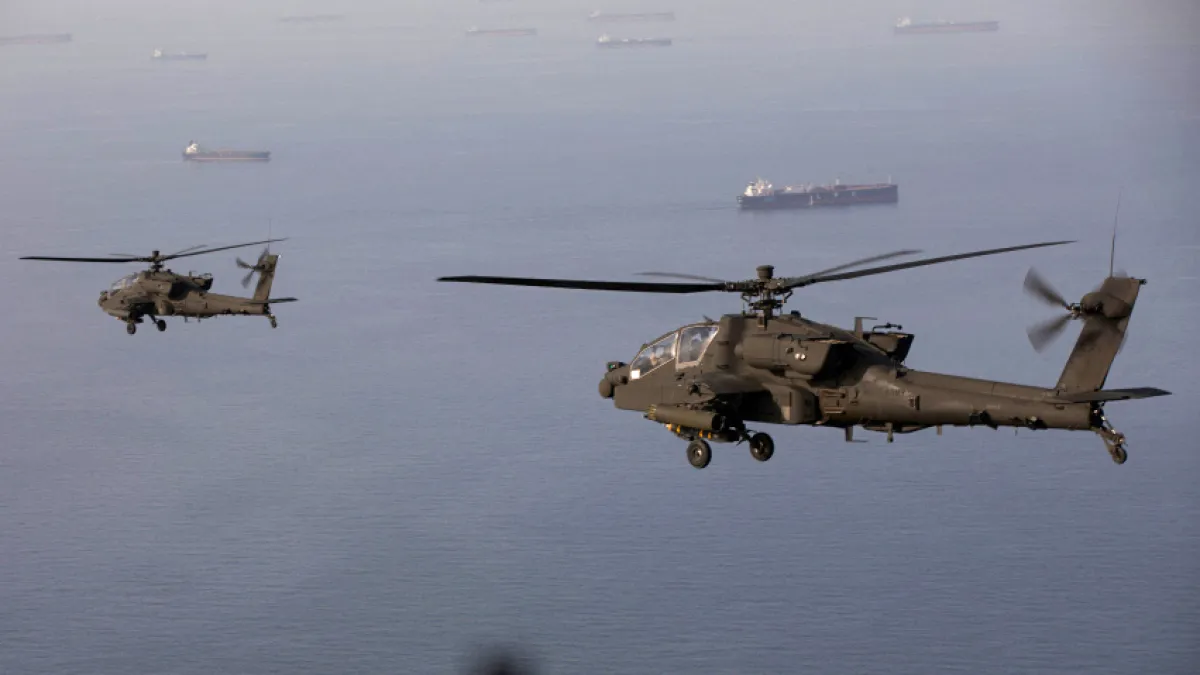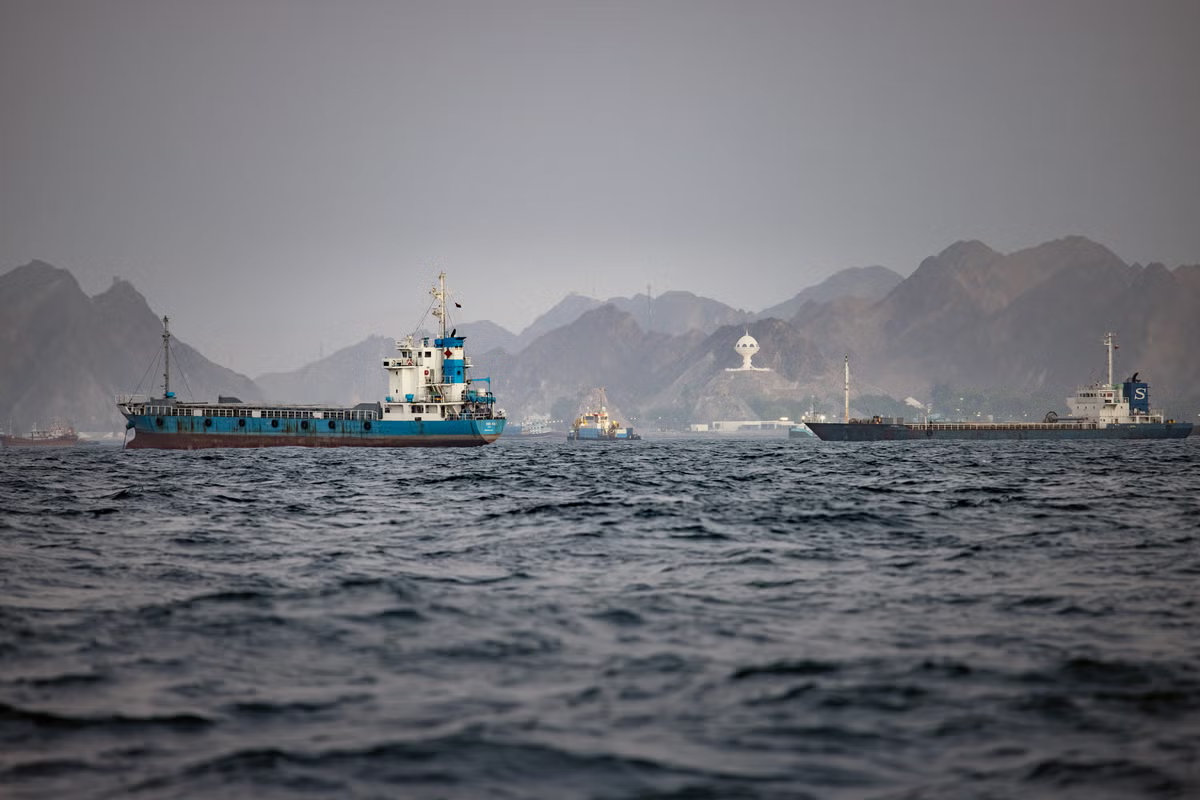
This morning, three vessels were struck attempting to transit the Strait of Hormuz. The Strait is effectively closed. Since the beginning of the conflict involving the United States, Israel and Iran on Feb. 28, 2026, oil tanker traffic through the world’s most critical oil shipping choke point has collapsed, dropping by more than 90%.
Iran has threatened to destroy any ships, including oil tankers, that pass through the strait from the oil depots of the Persian Gulf to the Arabian Sea and the rest of the world. Companies that insure ships against the risks of traveling in war zones are deciding whether to issue coverage on an individual-ship basis. The international body that sets many shipping regulations has told ships’ crews that they have the right to refuse to sail into the area.
As of March 6, more than 400 tankers were stranded in the Persian Gulf, without permission from their owners to move.
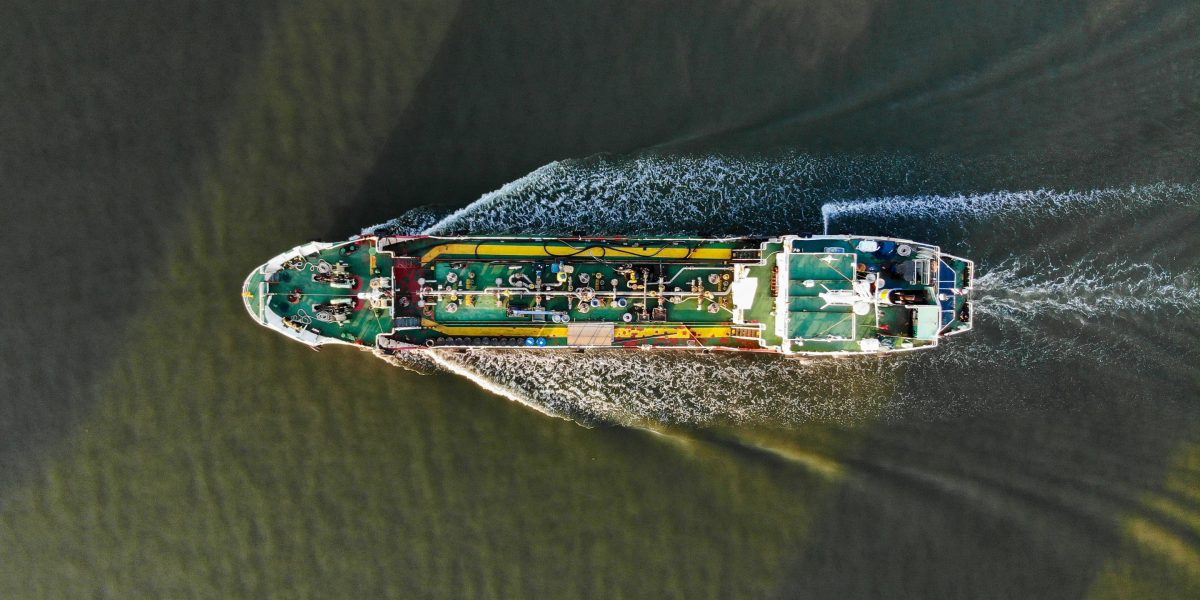
But some vessels are still transiting the strait. Most of the ships still moving are those that operate outside the rules.
In maritime circles, these vessels are called the “shadow fleet.” They are vessels that ignore international restrictions on trade with certain countries, violate anti-pollution regulations, smuggle unauthorized goods or don’t want their cargo or activities too closely monitored.