https://arab.news/mwpbf
Three weeks into the campaign of US and Israeli airstrikes against Iran and attention has shifted to the Strait of Hormuz and the closure of this vital waterway.
The Strait of Hormuz is 39 km wide at its narrowest point, but this does not fully capture how constrained transit is. The designated shipping lanes are only about 3.7 km wide in each direction. Through these waters pass about 20 percent of global oil consumption and roughly one-third of all seaborne oil trade, much of it destined for Asian markets, particularly China, Japan and South Korea.
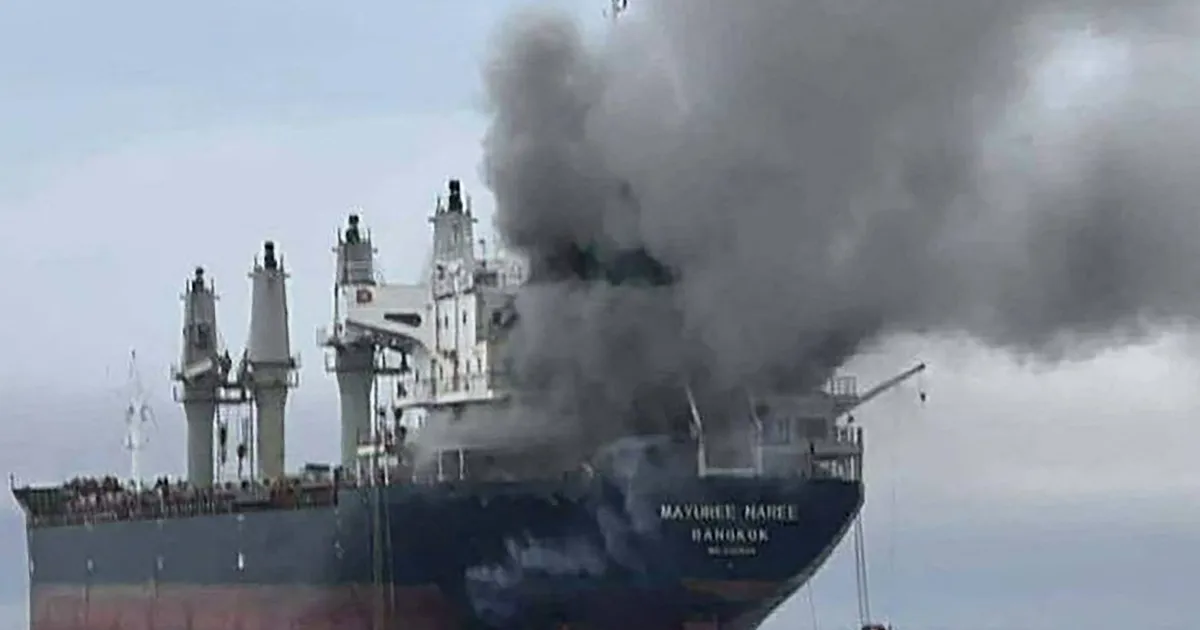
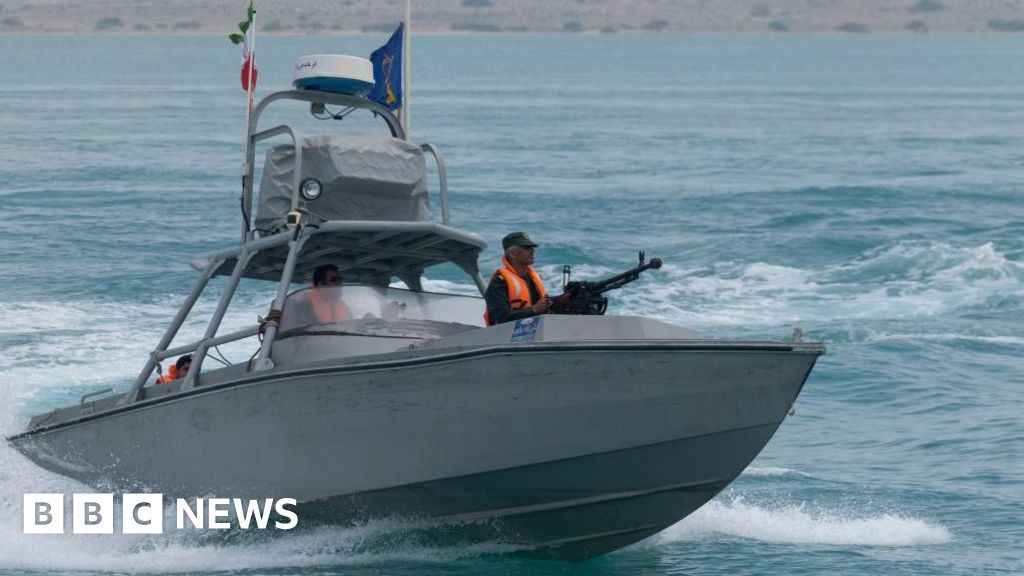
Given the strait’s proximity to Iran, shipping is especially vulnerable to disruption. Even before the current fighting, Tehran repeatedly demonstrated its willingness to target international shipping, including through harassment, seizure and attacks on vessels in the strait when it suited its agenda. Although the White House has suggested it was surprised by Iran’s current closure of the strait, such a development has long been considered a plausible contingency by the policy community.
The US administration’s response to the crisis has been inconsistent. At various points, it has stated that Iran could not close the strait, expressed surprise that it had done so, called on European allies and other nations to assist in reopening it, and later suggested that such assistance was unnecessary. This lack of coherence in messaging has only added to the uncertainty in an already volatile situation.