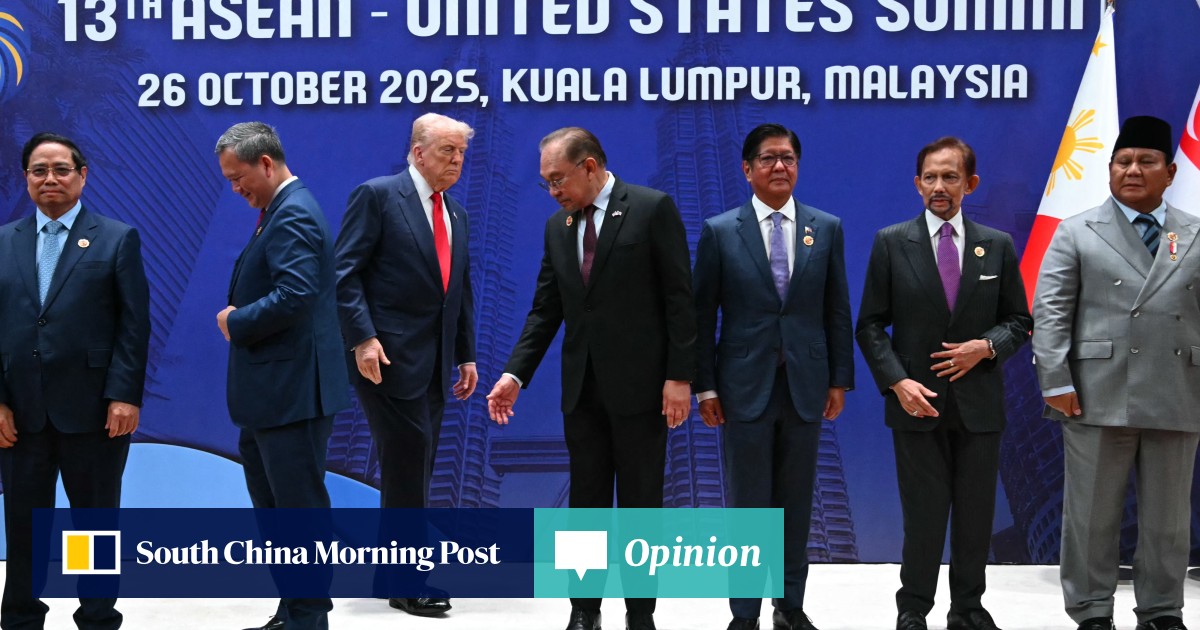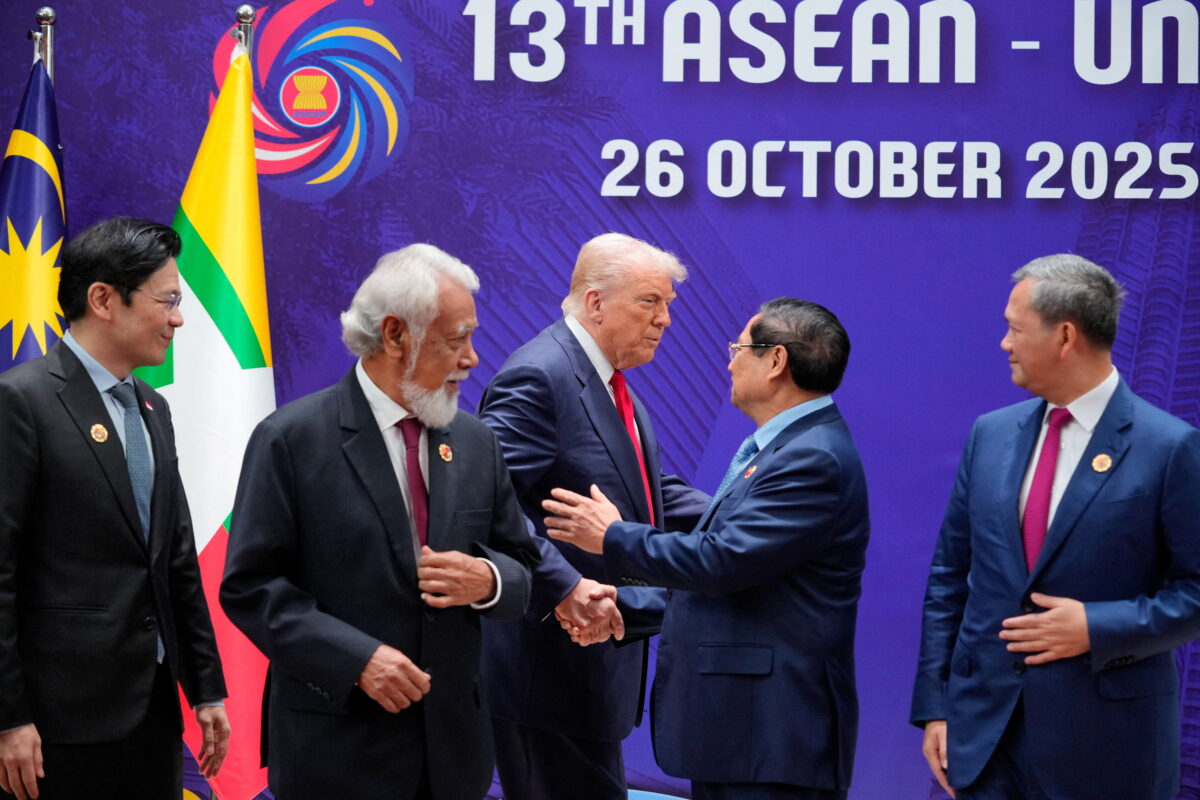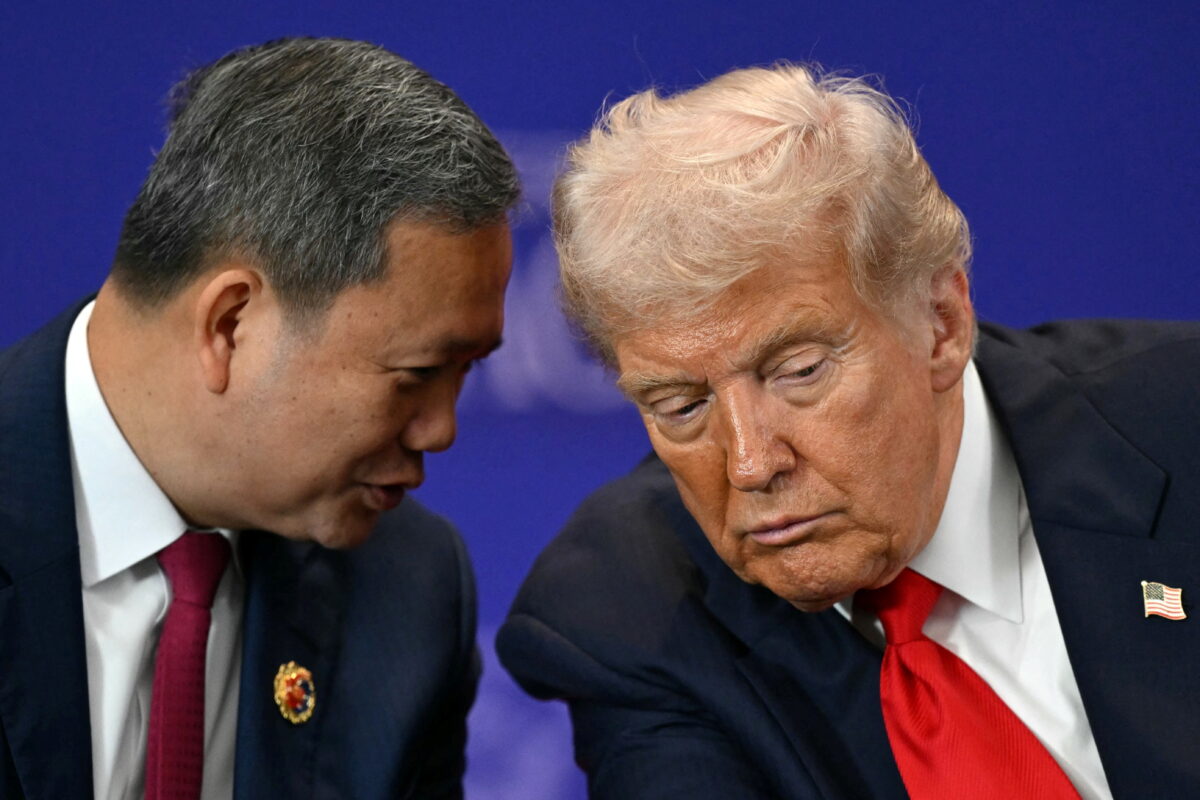
For years, the United States took comfort in the assumption that Southeast Asia may trade with China but still looks to the United States for balance and security reassurance. That assumption is becoming harder to sustain. The ISEAS–Yusof Ishak Institute’s 2026 survey of roughly 2000 Southeast Asian policy elite show that the region is increasingly anxious about Washington’s unreliability.
Surveys like this are better read as barometers than verdicts — they are not the full picture of a region as diverse as Southeast Asia and do not define an irreversible trajectory. Year-to-year volatility in the survey’s findings — trust swinging with changes in administration — suggests it captures shifting elite sentiment rather than durable strategic realignment. But elite perceptions shape policy and the directional signal across multiple years is hard to dismiss.
The confidence of Southeast Asian policymakers in the United States has been eroding for several years. Annual surveys since 2019 show that trust in US leadership fell sharply during President Donald Trump’s first term, recovering briefly at the start of former president Joe Biden’s administration in 2021 and 2022, before sliding again in 2023.