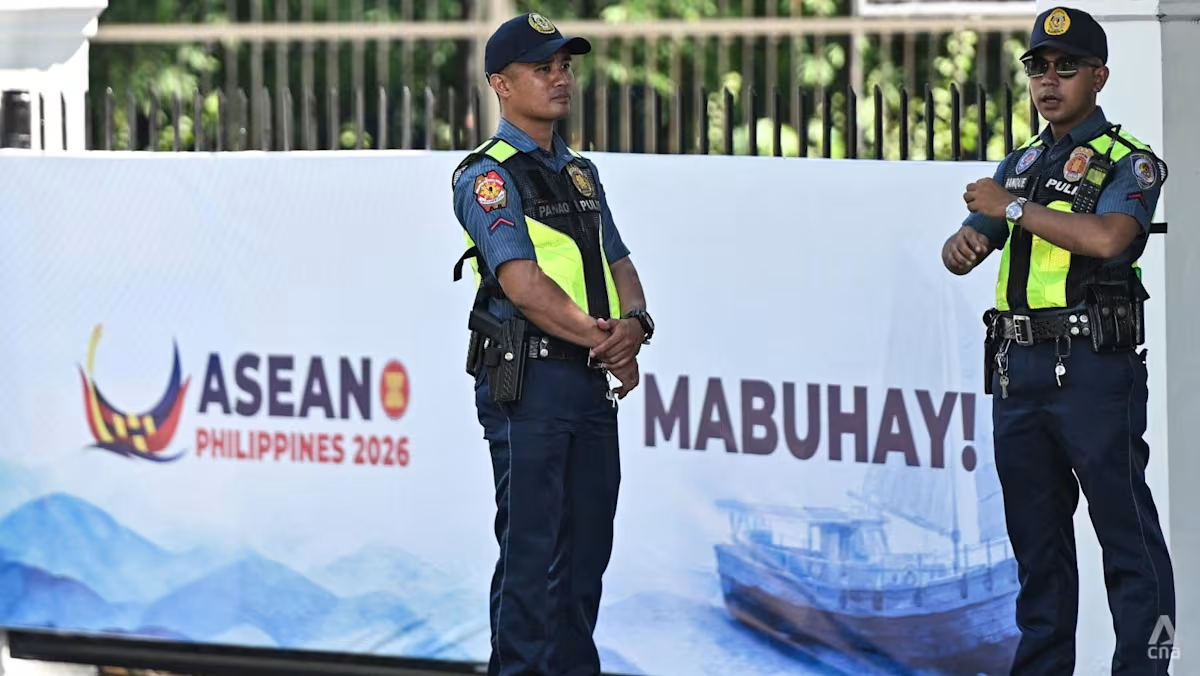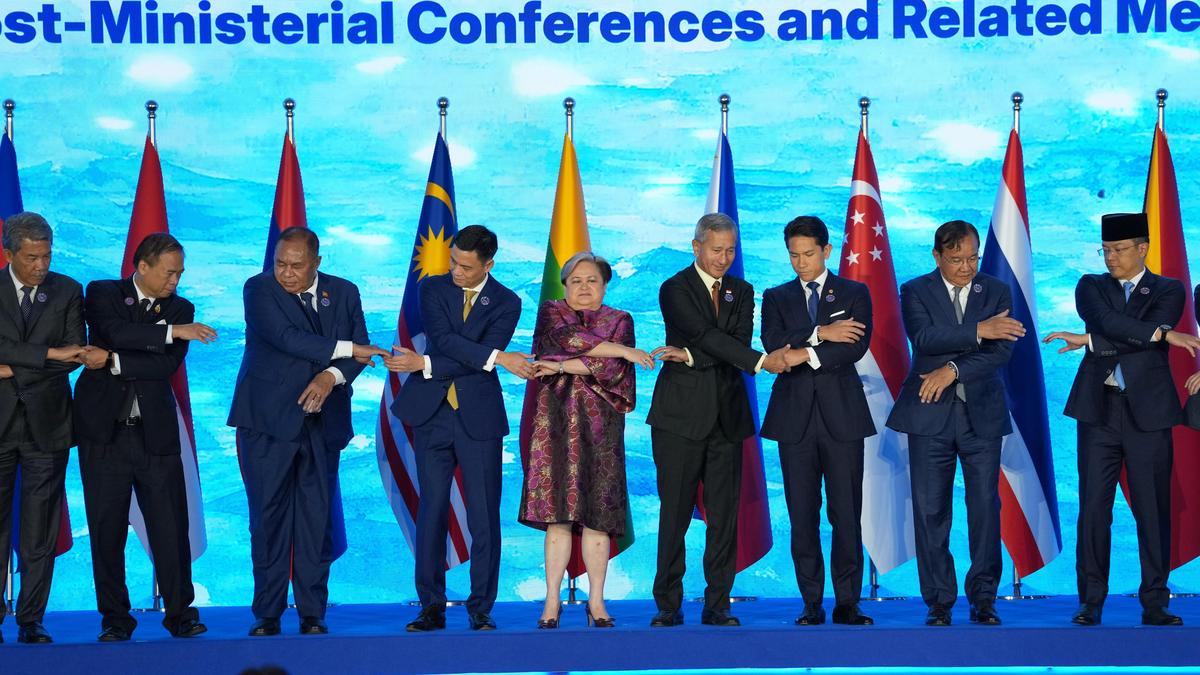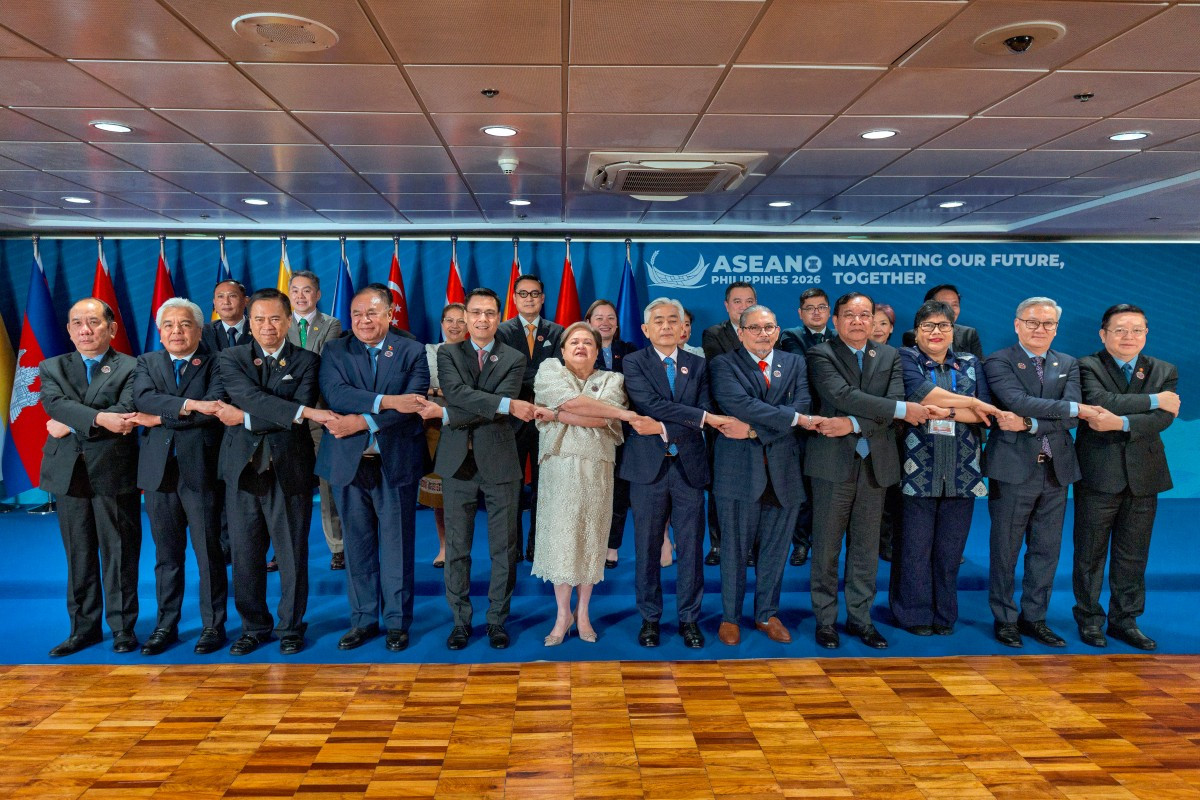
The Association of Southeast Asian Nations can serve as a "strategic shock absorber" in an era of intensifying global tensions, with the foreign ministers gathering in Manila this week expected to navigate widening geopolitical rivalry, according to analysts.
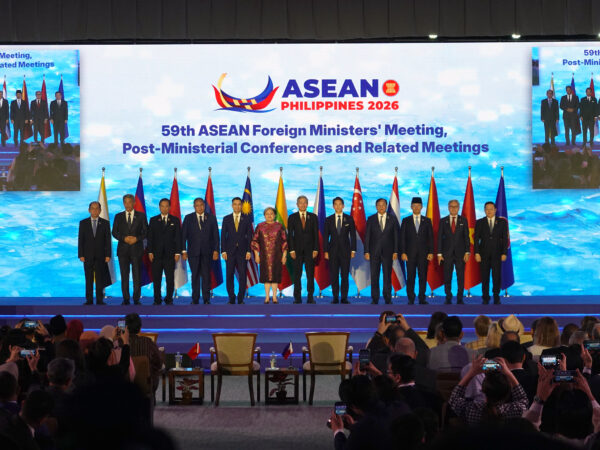
The 59th ASEAN Foreign Ministers' Meeting, from Monday to Friday, is being conducted against the backdrop of the escalating Middle East crisis, major power rivalry, and the South China Sea issue.
At the same time, ASEAN is dealing with intra-regional challenges such as how to advance the five-point consensus to resolve the situation in Myanmar and the Thailand-Cambodia border crisis.
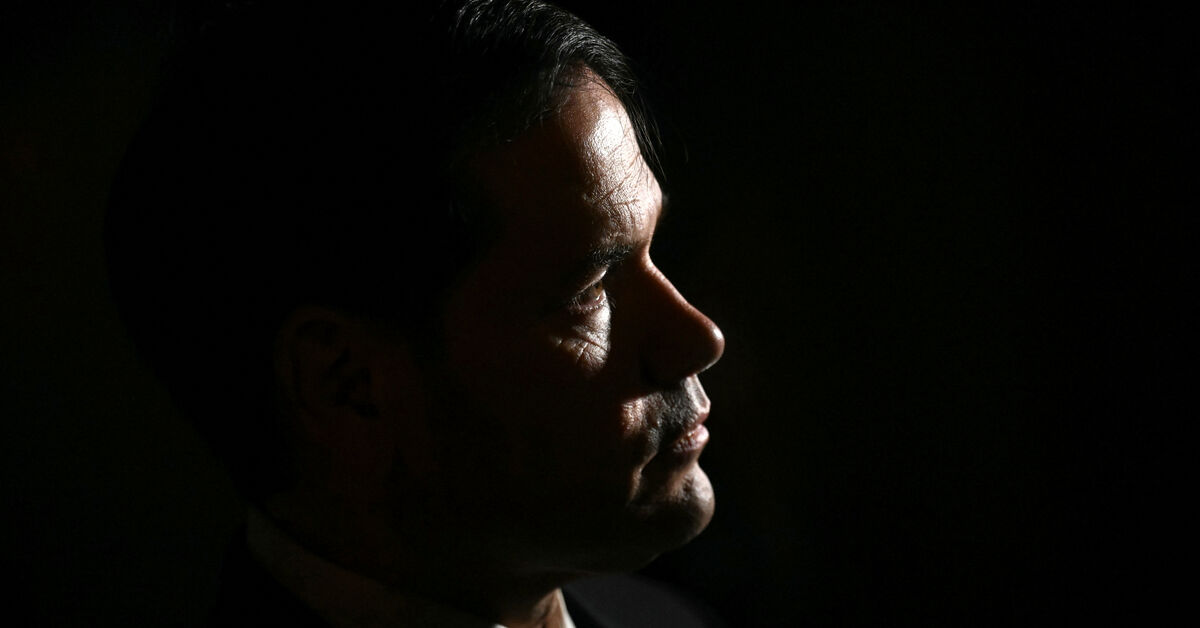
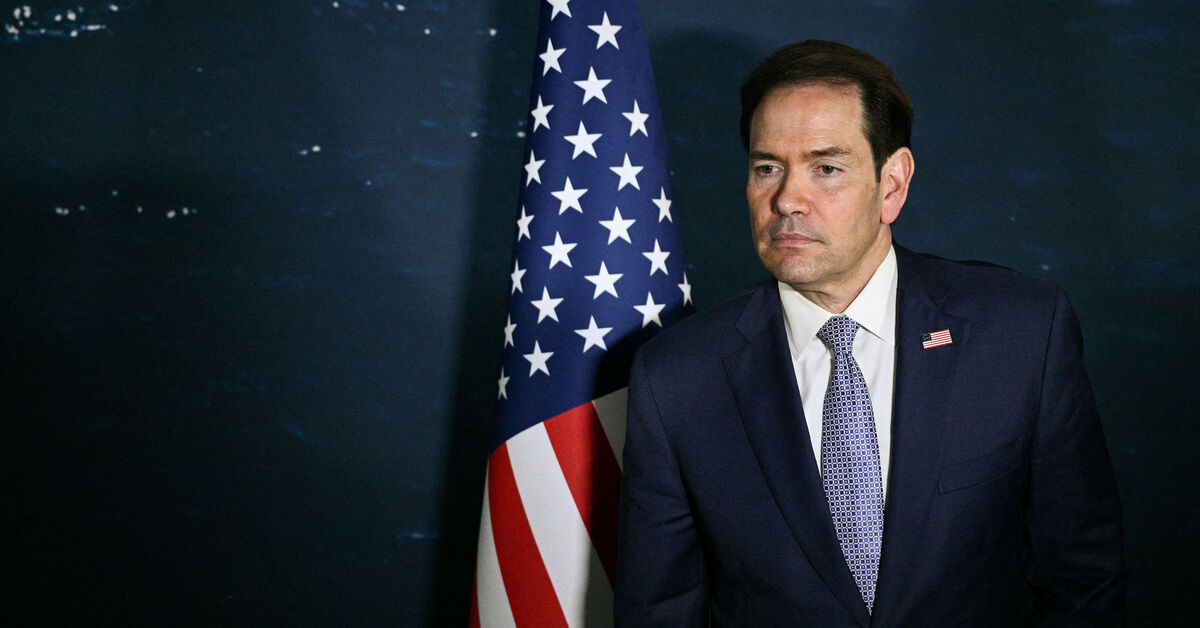
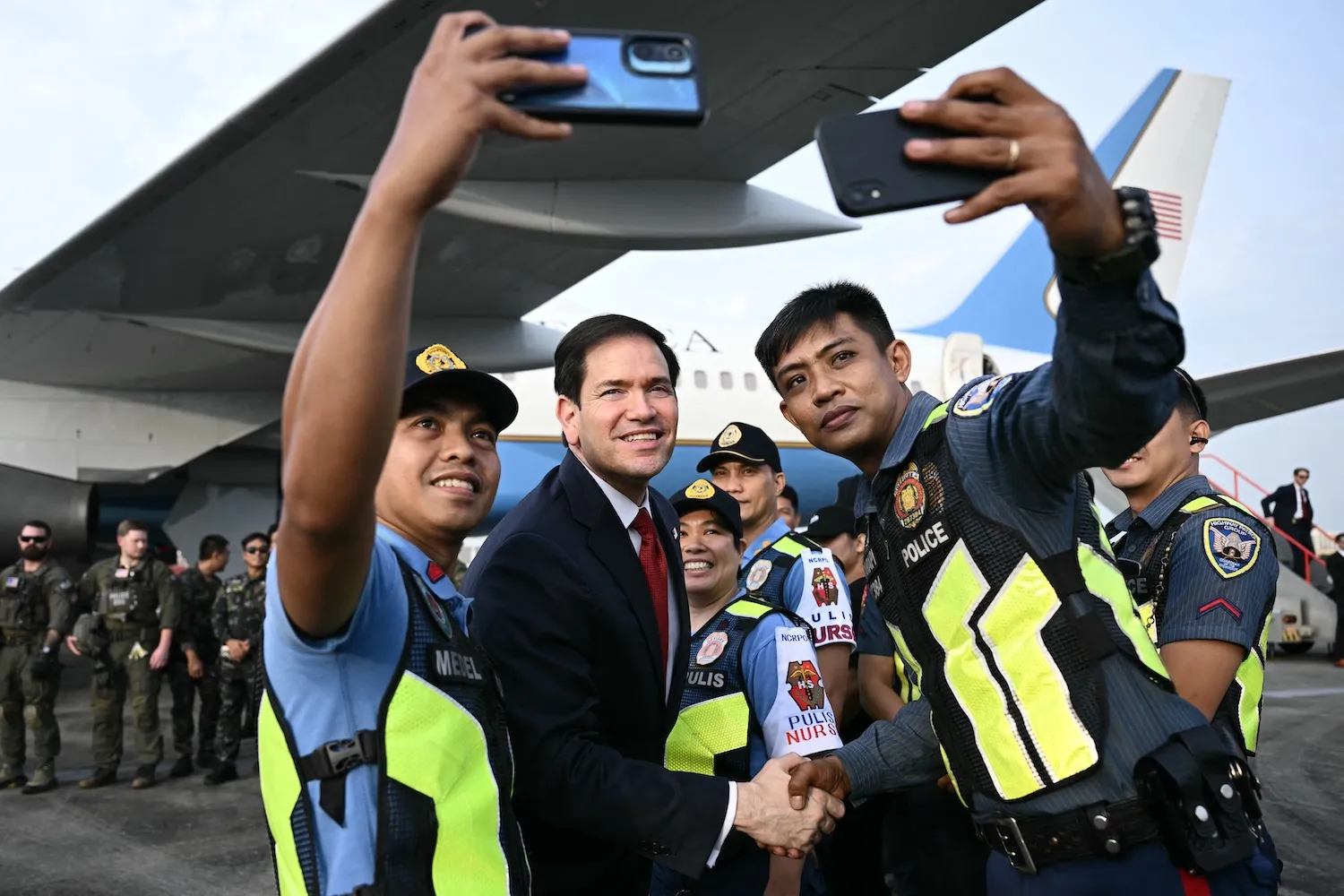
Secretary of Foreign Affairs of the Philippines Maria Theresa Lazaro is this year's rotating chair of the foreign ministers' meeting. The series of meetings will also include diplomats from ASEAN's dialogue partners, including China's Foreign Minister Wang Yi, Russia's Foreign Minister Sergey Lavrov, and US Secretary of State Marco Rubio.
"My expectation is not that ASEAN will suddenly solve its most difficult disputes, but that it will produce concrete diplomatic movement rather than another carefully polished communique," said Anna Malindog-Uy, vice-president of the Asian Century Philippines Strategic Studies Institute, a Manila-based think tank.