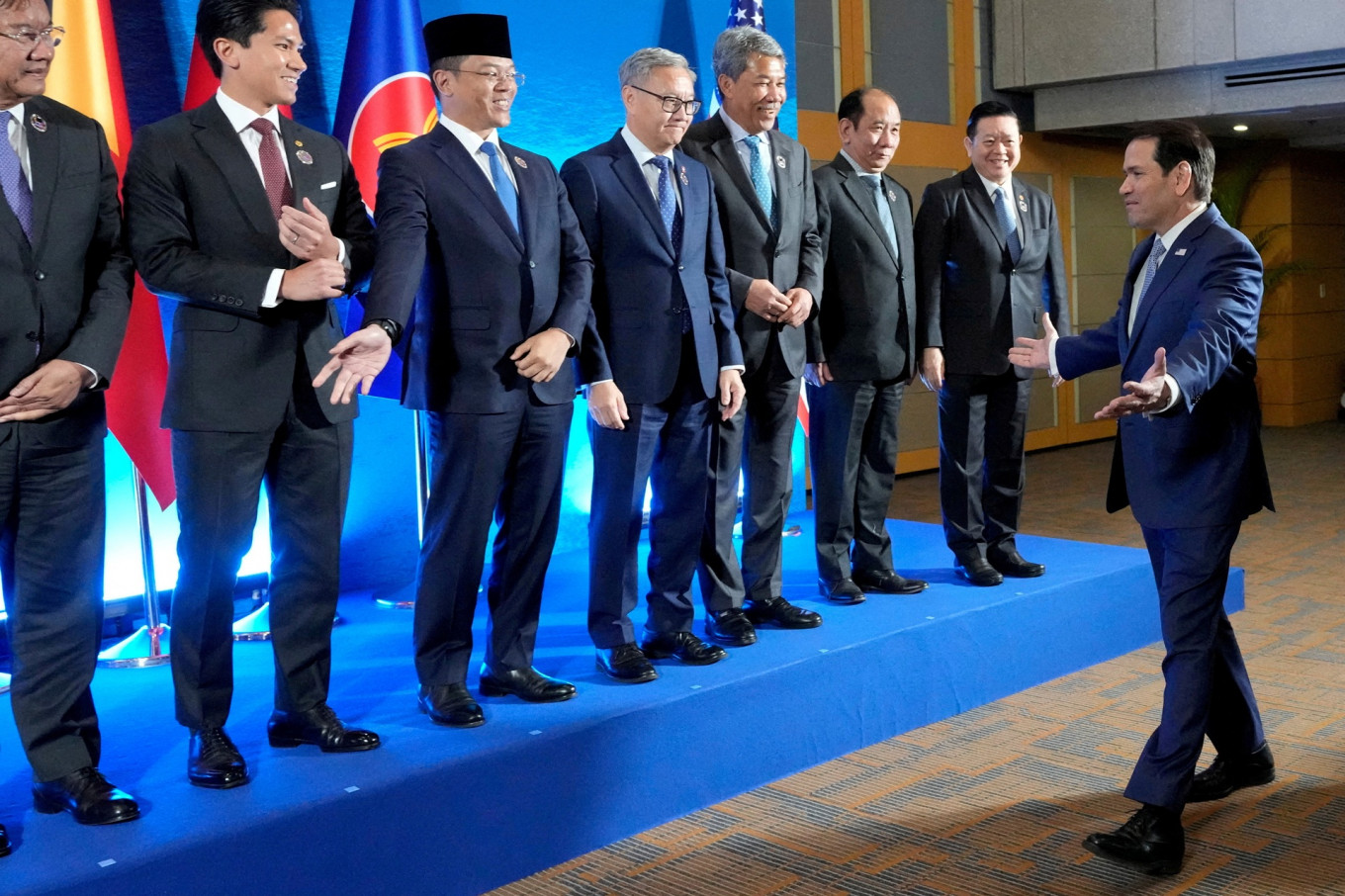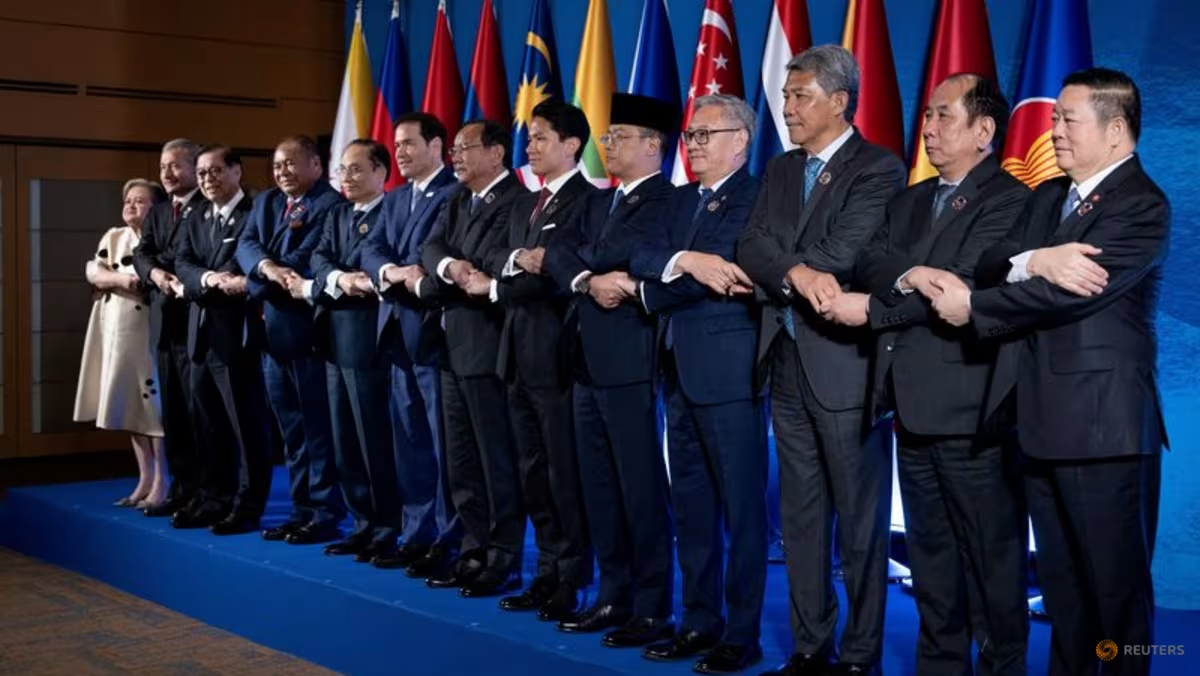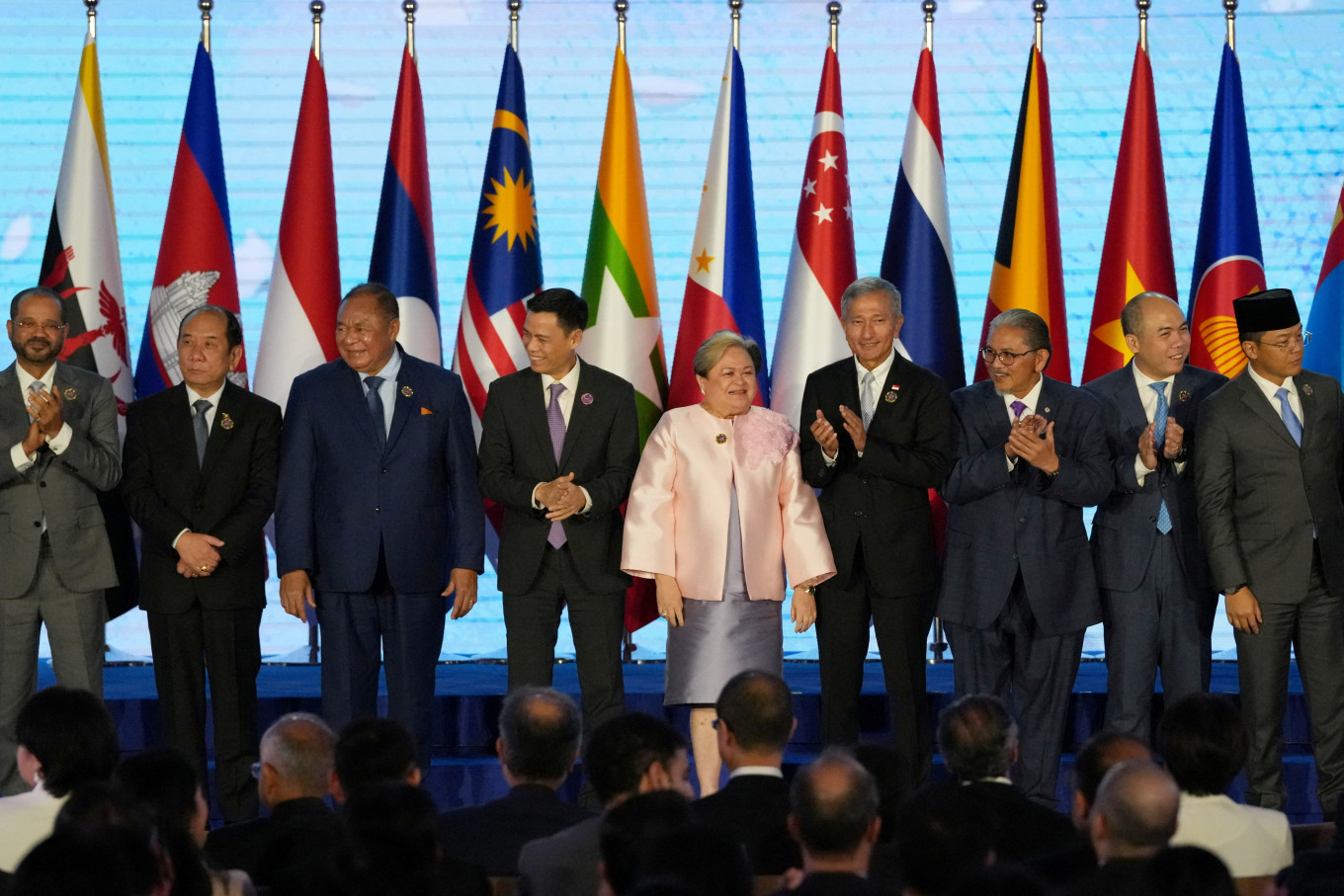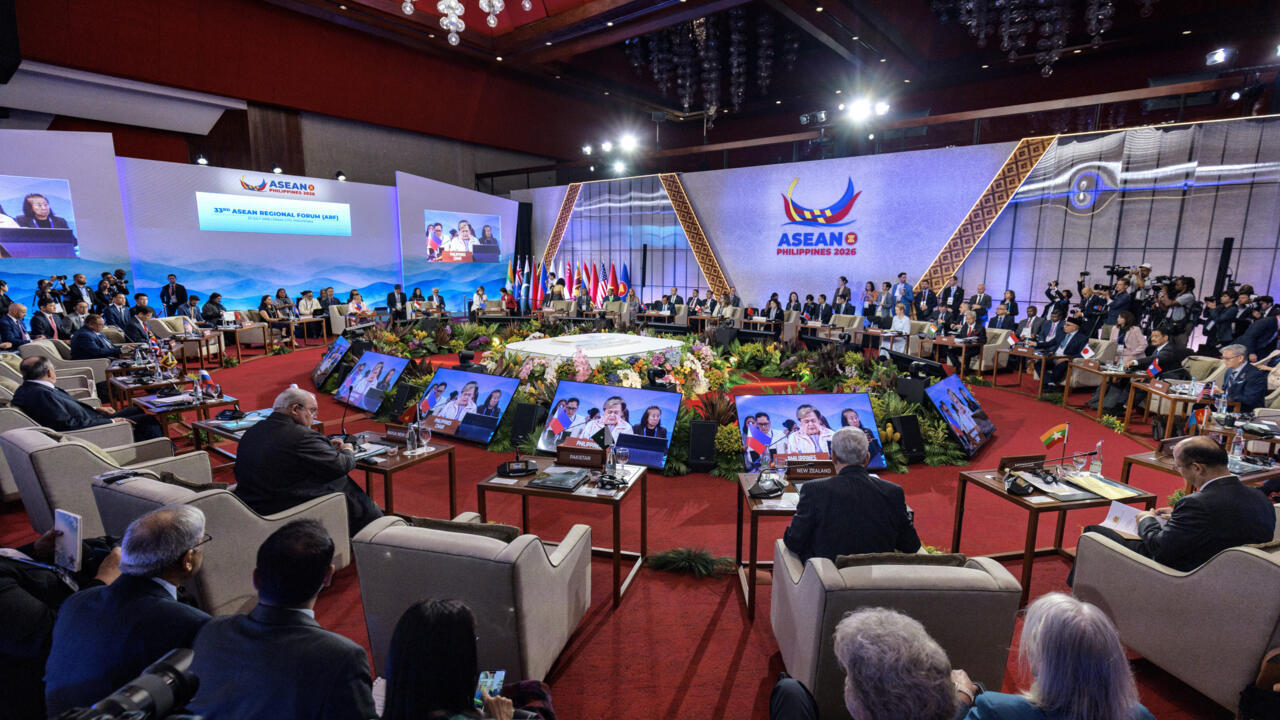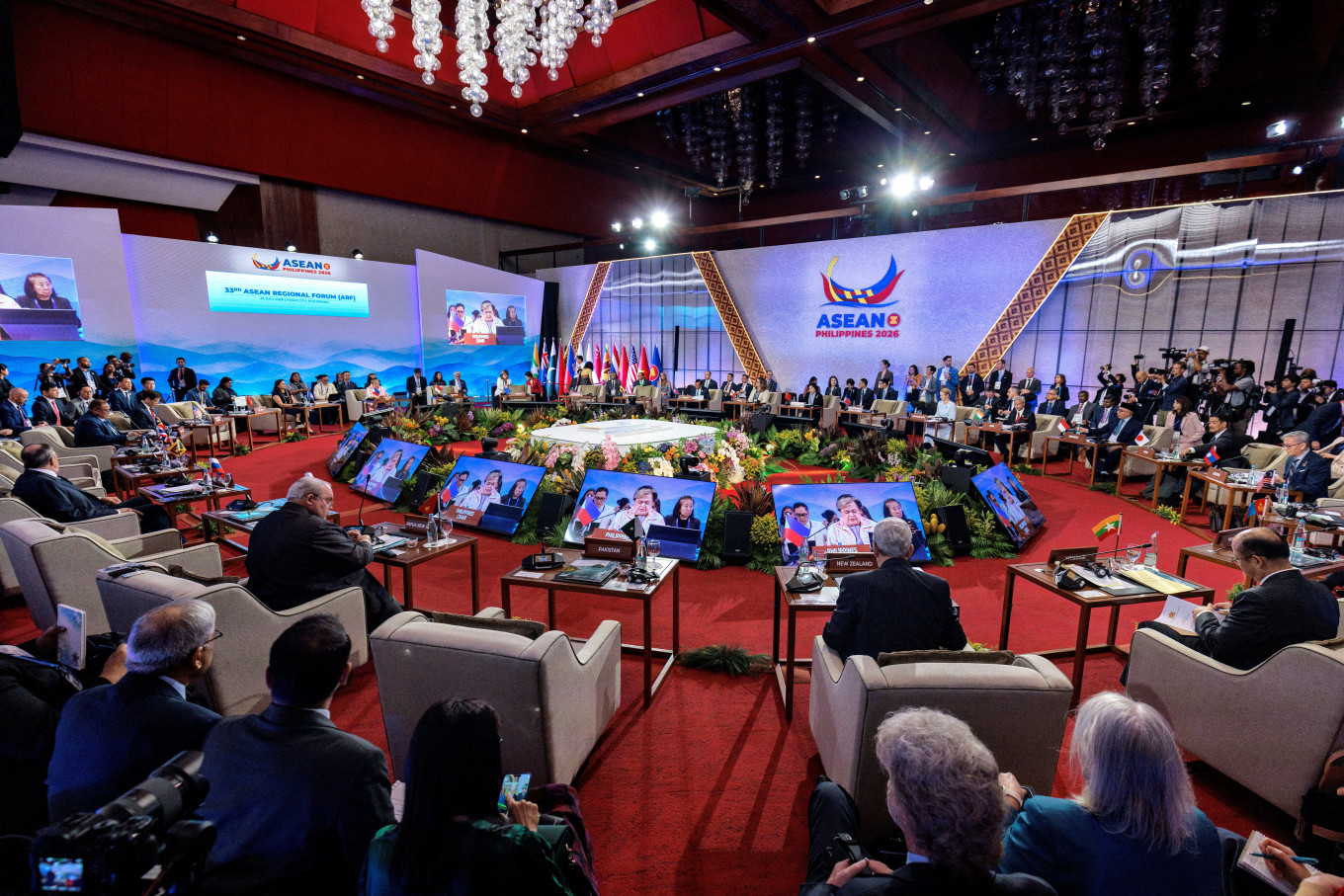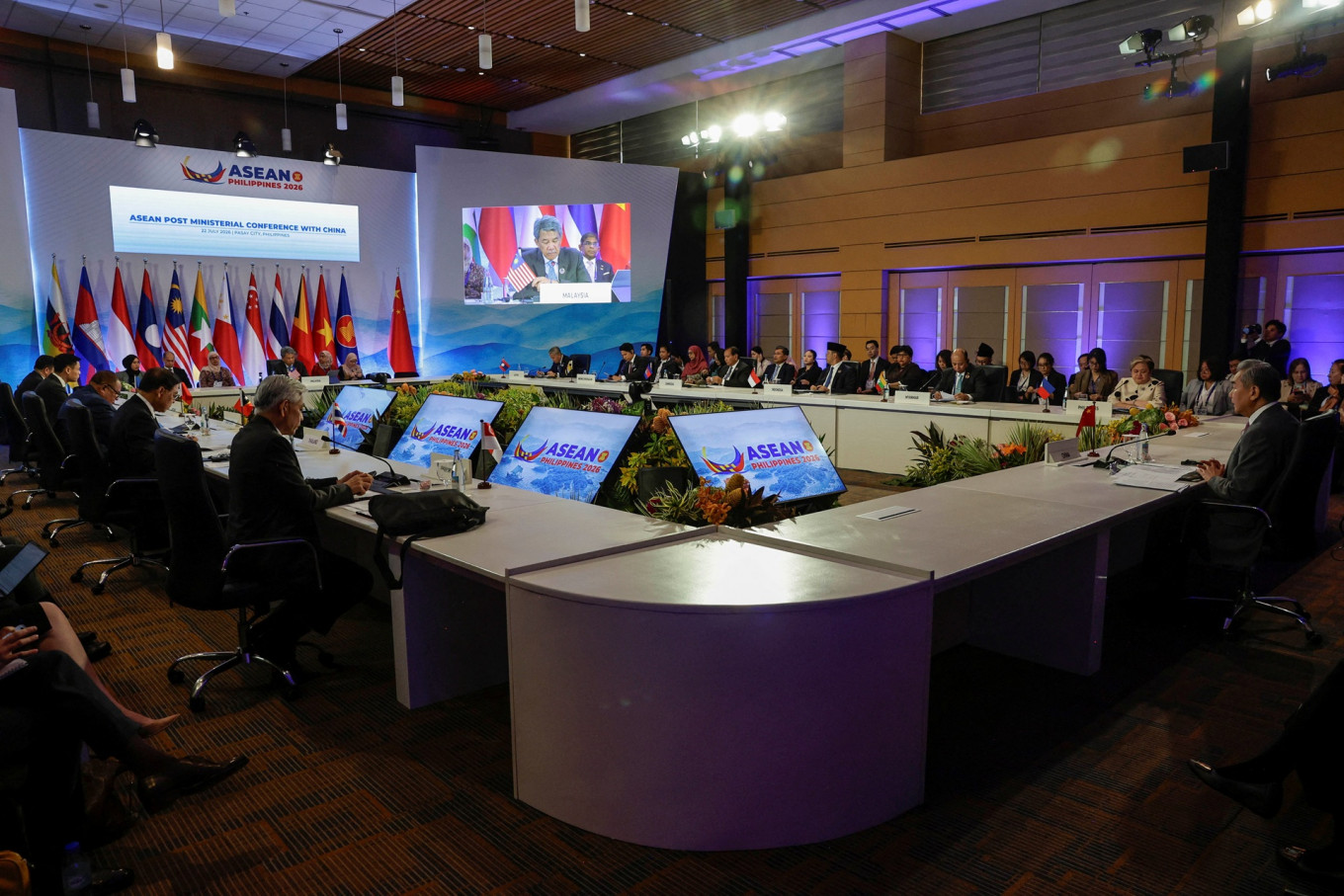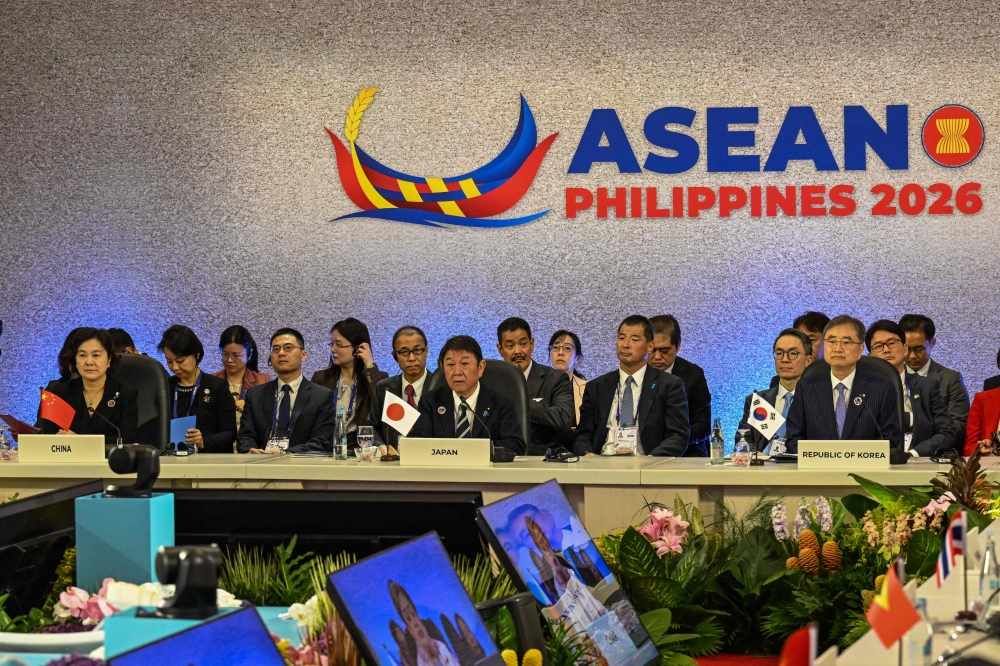
ASEAN foreign ministers wrapped up last week's talks in Manila with fresh pledges to tackle long-running regional flashpoints — from South China Sea tensions to Myanmar's crisis.
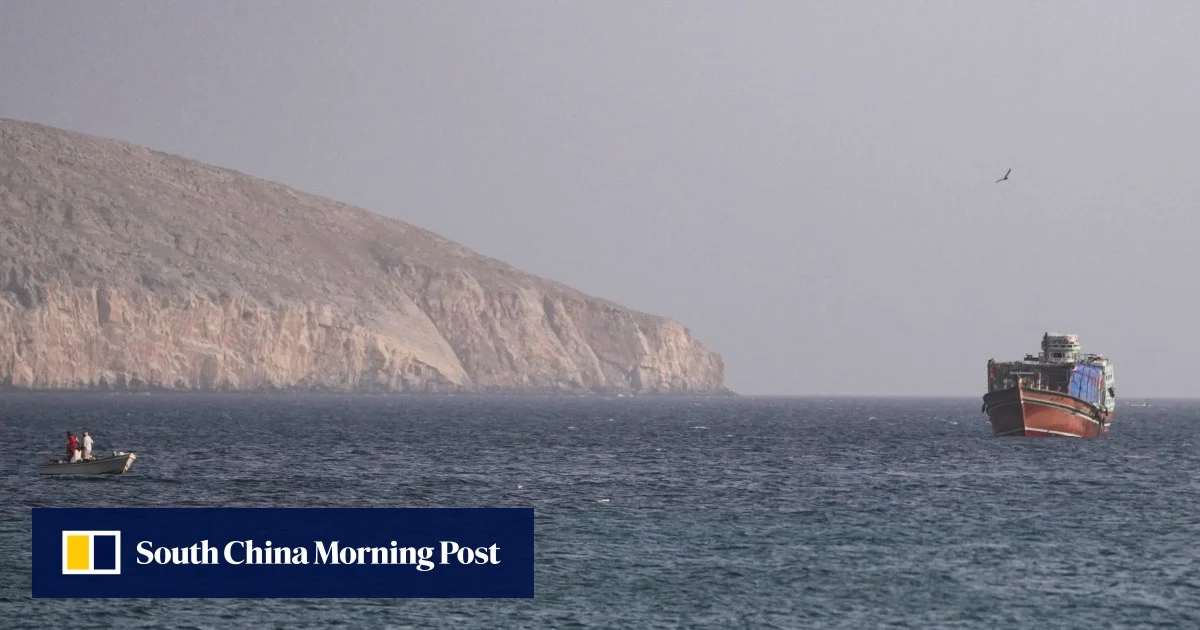
But the agenda was eclipsed by the escalating conflict in the Middle East, which threatens to squeeze Southeast Asia's energy-dependent economies.
The joint communique from the 59th ASEAN Foreign Ministers' Meeting acknowledged that the war has affected ASEAN's "stability in energy, food, and our peoples' well-being".
Peter TC Chang, former deputy director of the Institute of China Studies at the University of Malaya in Kuala Lumpur, cited this communique to show how the Middle East crisis has prompted ASEAN to adapt its consensus-driven diplomacy to a rapidly evolving global security environment.
He said that ASEAN's diplomatic role remains "necessarily limited", but ASEAN can serve as a collective voice for Southeast Asia's interests on issues affecting global stability and to provide a neutral platform where major powers can engage through dialogue on the sidelines of ASEAN-led meetings.