Editorial
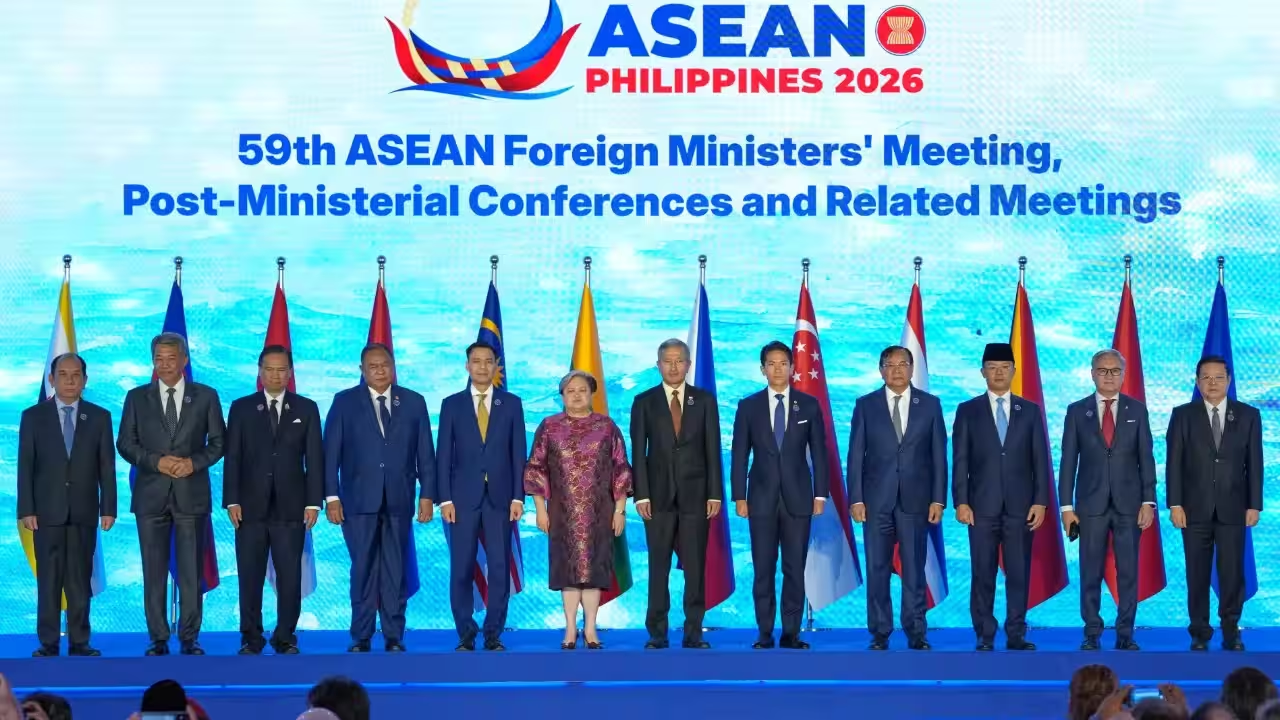
The joint comminuque resulting from last week's AMM made clear that ASEAN foreign ministers are fully cognizant of the region's parallels with the Mideast conflict, not least the issues pertaining to the vital South China Sea and its own pariah state, Myanmar.
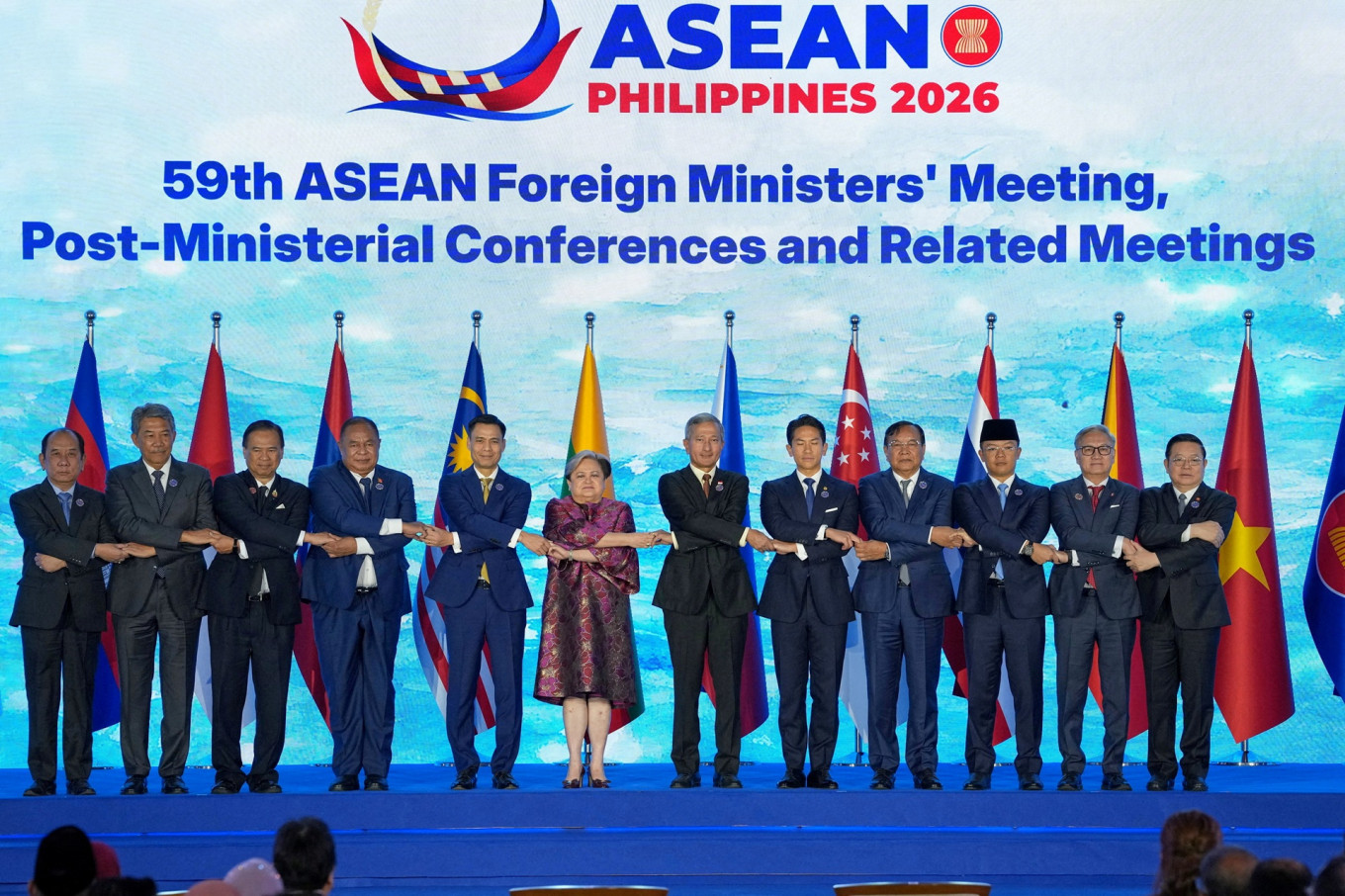
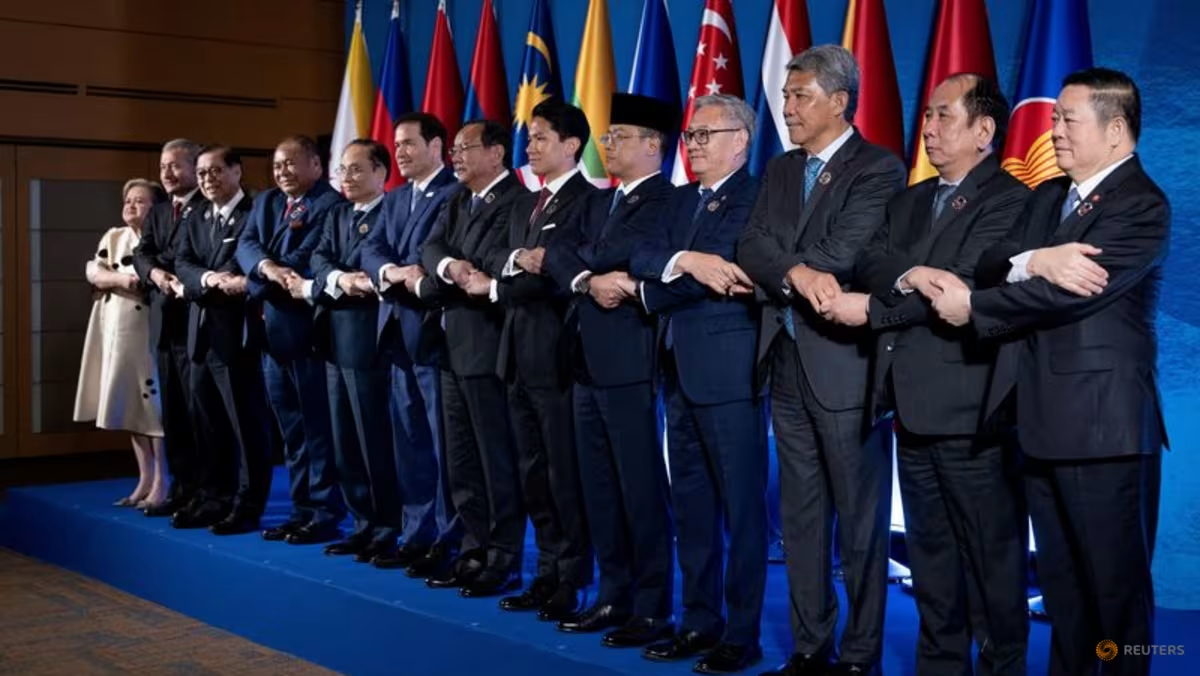
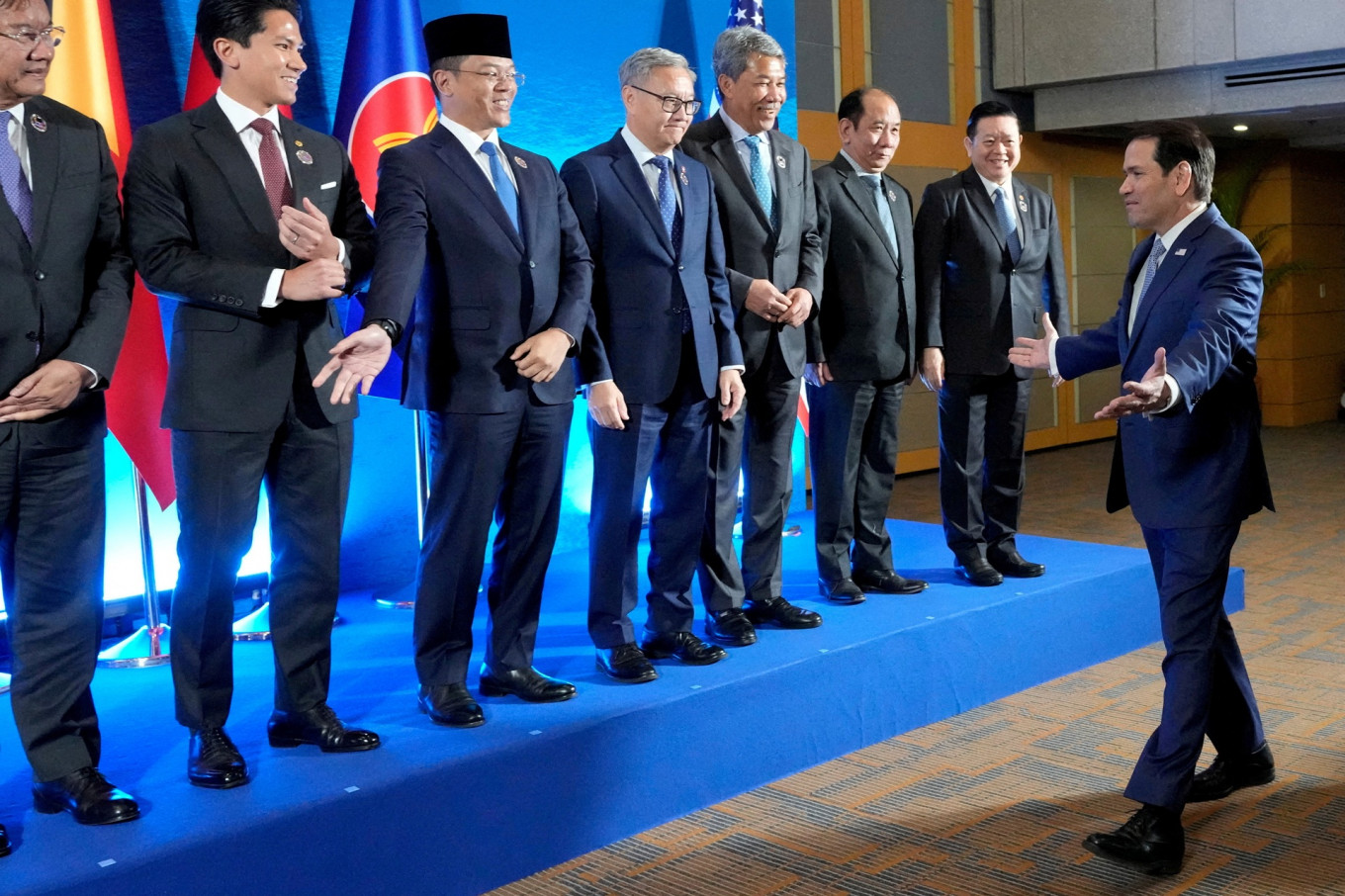
ASEAN foreign ministers (from left) Prak Sokhonn of Cambodia, Prince Abdul Maseen Bolkiah of Brunei, Sugiono of Indonesia, Thongsavanh Phomvihane of Laos, Mohamad Hasan of Malaysia and Hau Khan Sum of Myanmar, along with ASEAN Secretary-General Kao Kim Hourn, react as United States Secretary of State Marco Rubio (right) he arrives for a group photo during the ASEAN Post-Ministerial Conference with the US on July 22, 2026, on the sidelines of the ASEAN Foreign Ministers' Meeting (AMM) in Manila. (Reuters/Pool/Aaron Favila)
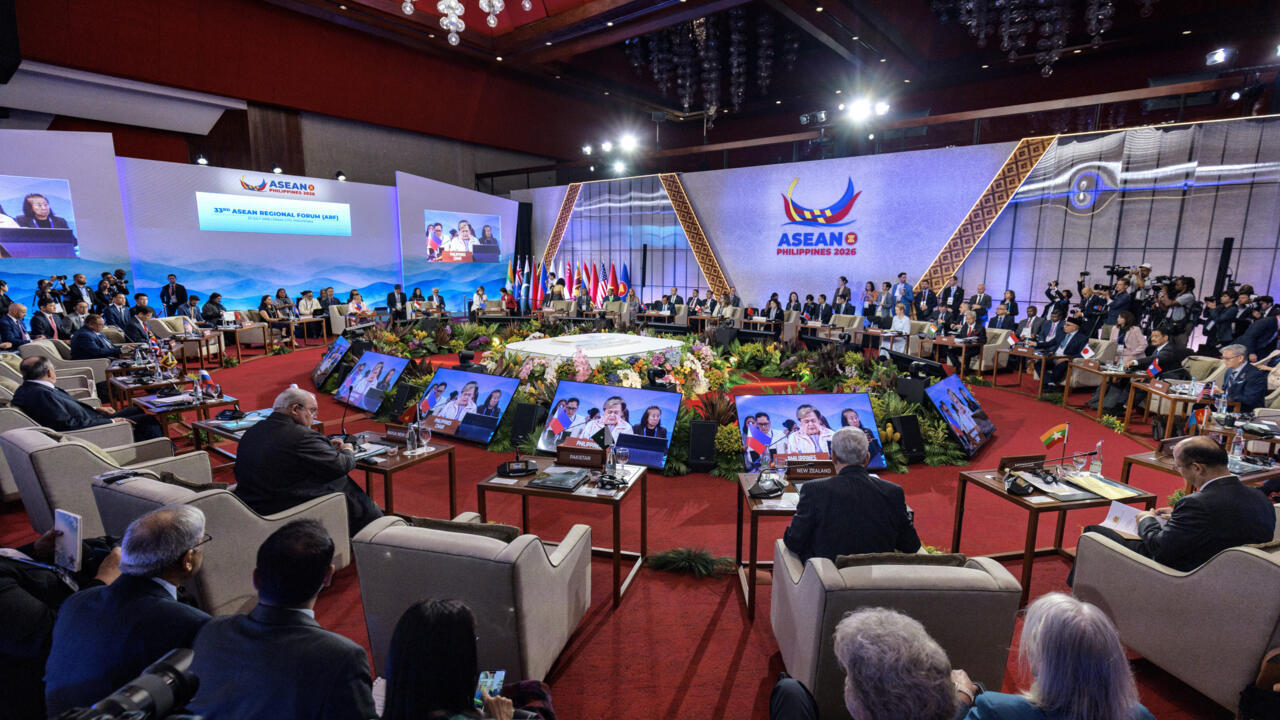
ASEAN almost seemed to be prophesying its own destiny last week when its foreign ministers' meeting (AMM) in Manila focused predominantly on the United States-Israeli war on Iran, followed by the escalating military tension in the South China Sea. What is happening in the Middle East could one day happen in this region, too.The war weighed heavily on the bloc for two reasons: Its economies depend heavily on Middle East energy, and the region’s contested waters carry a similar potential for global upheaval if they are mismanaged.