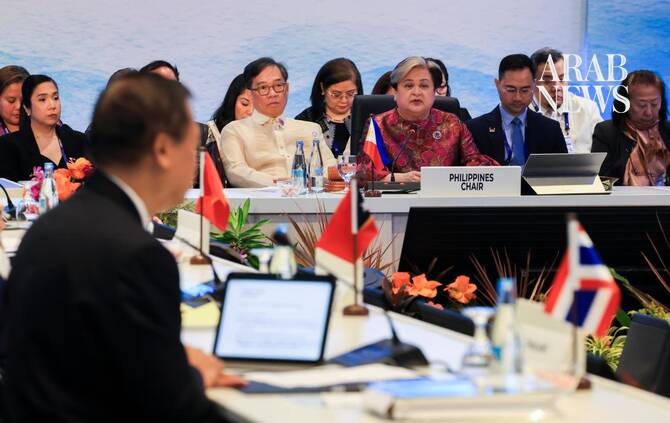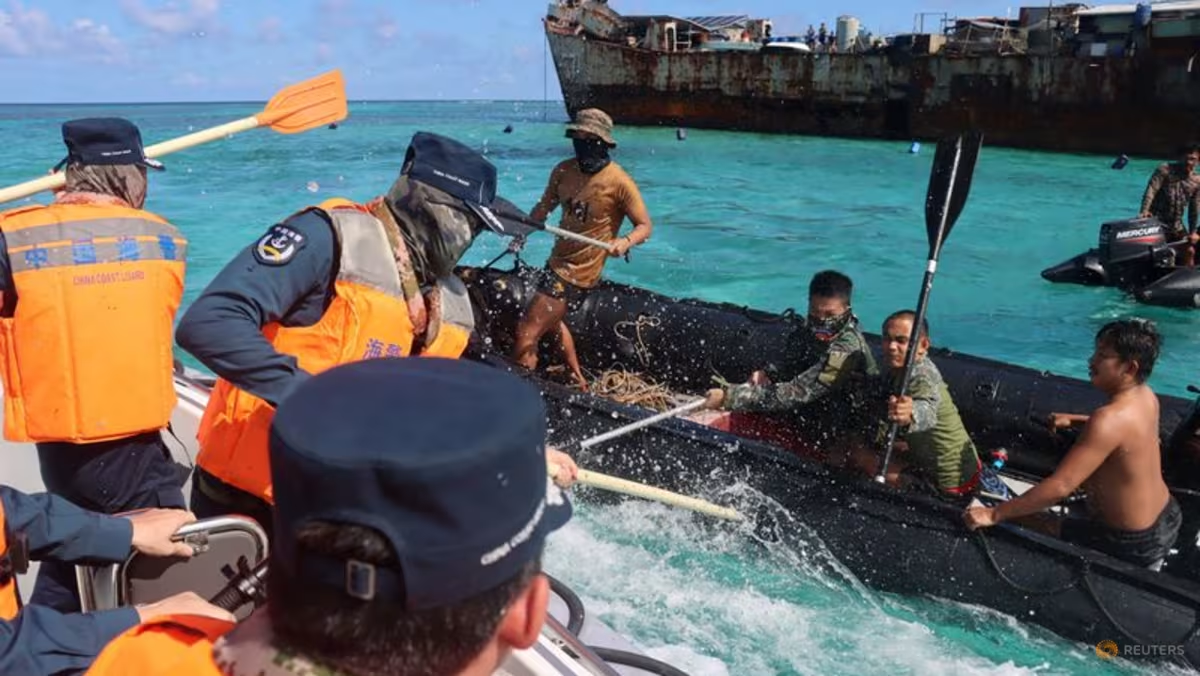
Rising tensions and a spike in close calls in the South China Sea are reinforcing the urgency of finalising a long-delayed code of conduct between the Association of Southeast Asian Nations (ASEAN) and China to prevent future confrontations, said analysts.The renewed focus follows a confrontation between the Philippines and China in the disputed waterway on Monday (Jul 20), with both sides accusing each other of escalating tensions.Philippine officials said one of their navy personnel was struck in the head during the encounter, while Beijing accused Manila of provoking the incident. The clash near the Second Thomas Shoal has prompted both countries to summon each other's ambassadors. PREVENTING FUTURE FLASHPOINTSForeign policy and security analyst Lucio Blanco Pitlo III said the Philippines, this year's ASEAN chair, is seeking broader regional support to expedite negotiations on the code of conduct.
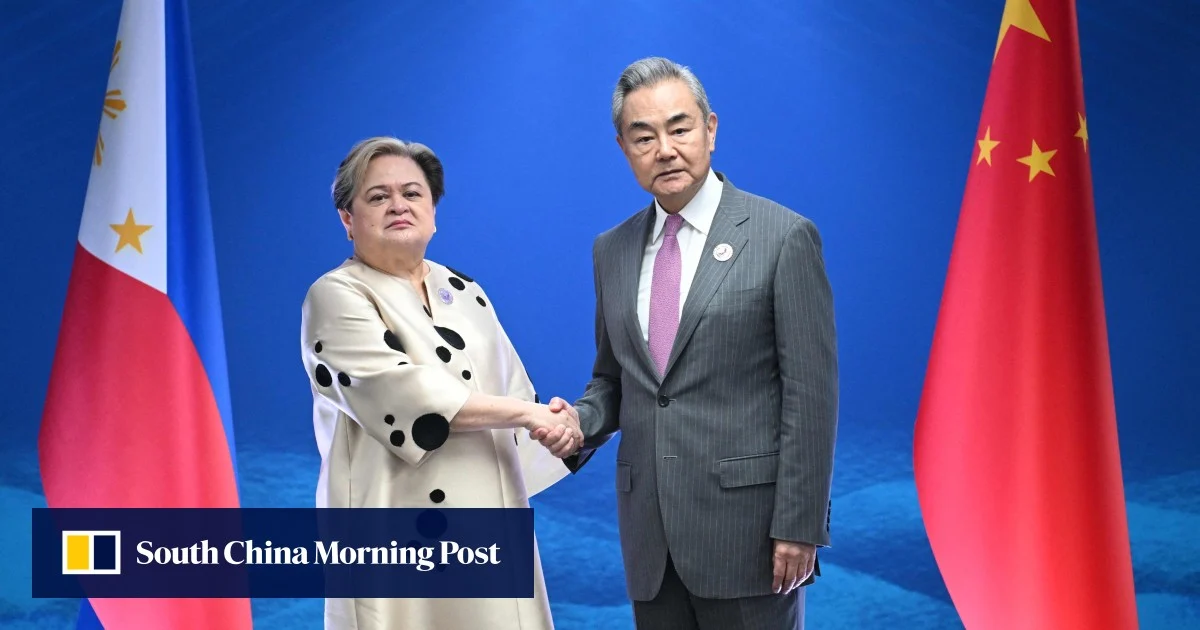
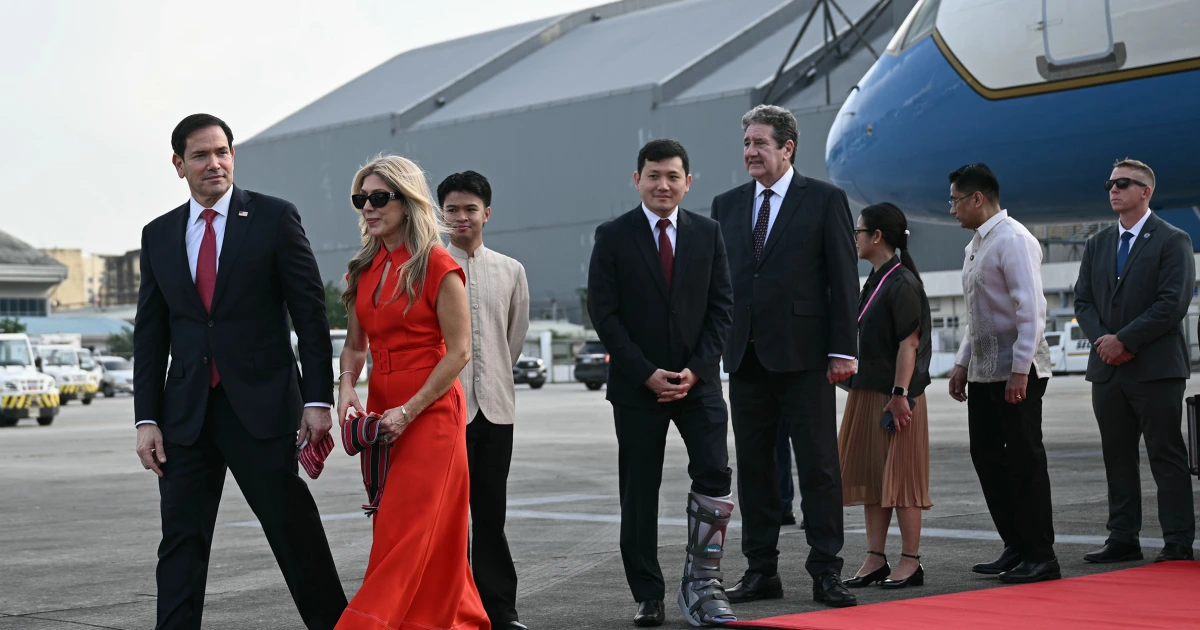
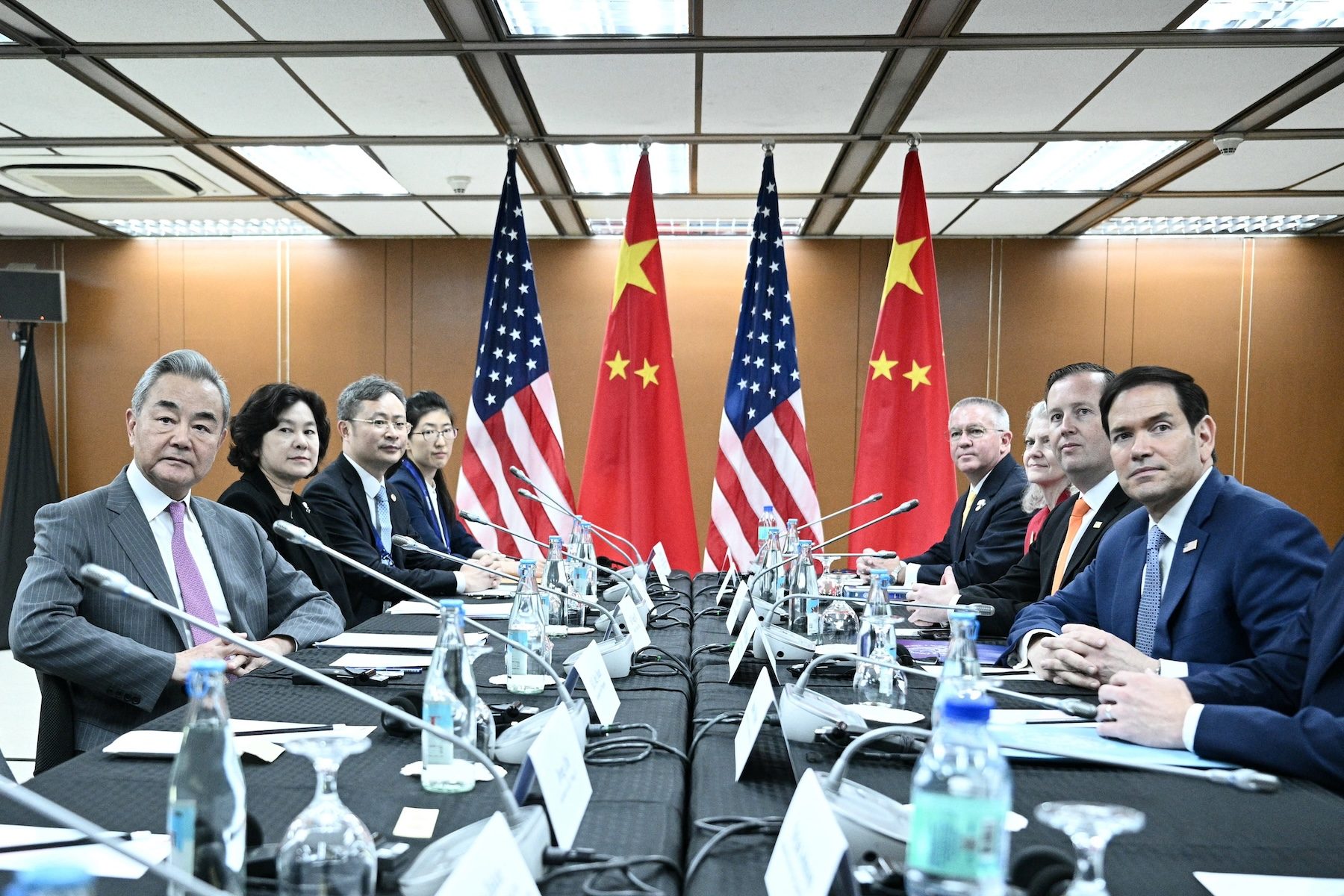
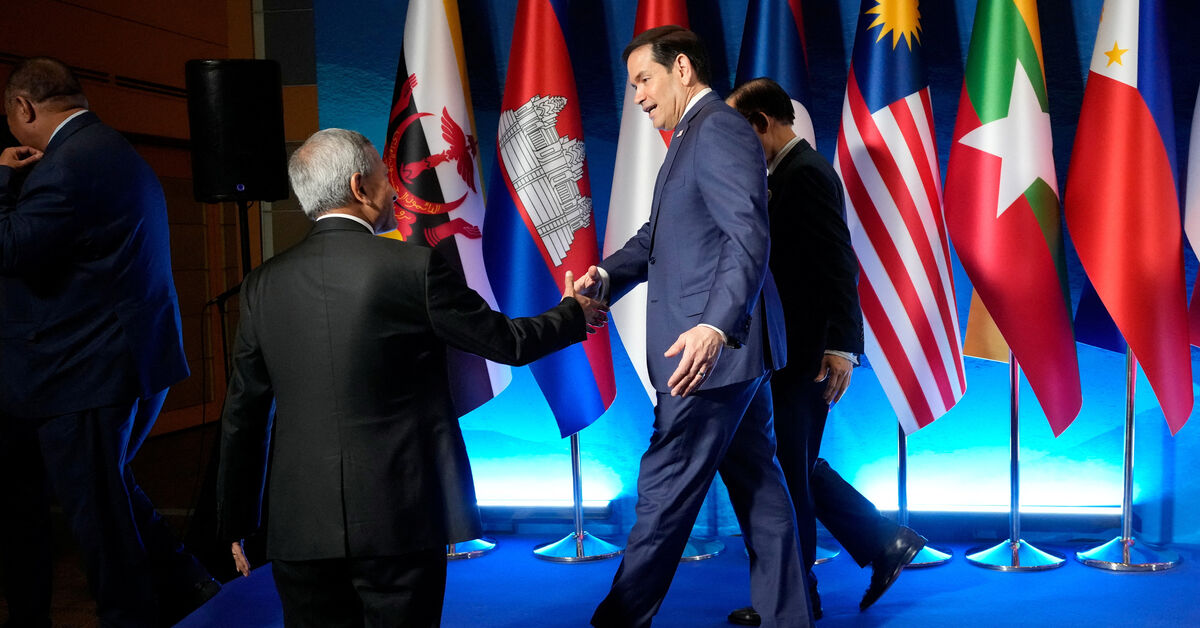
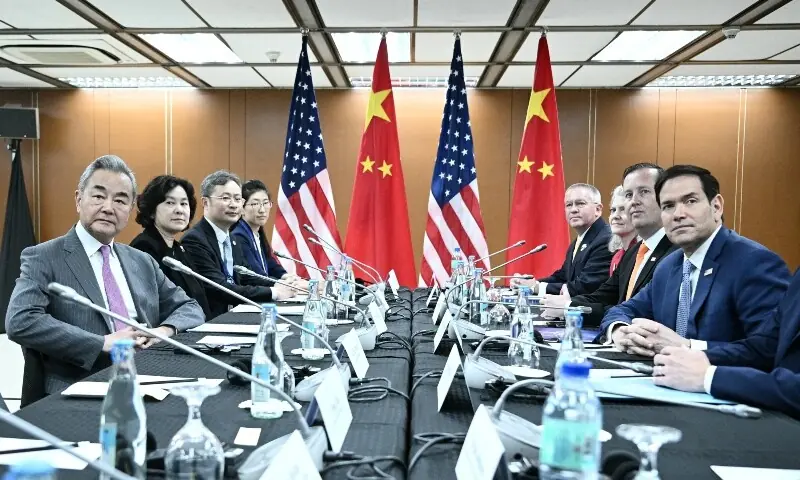
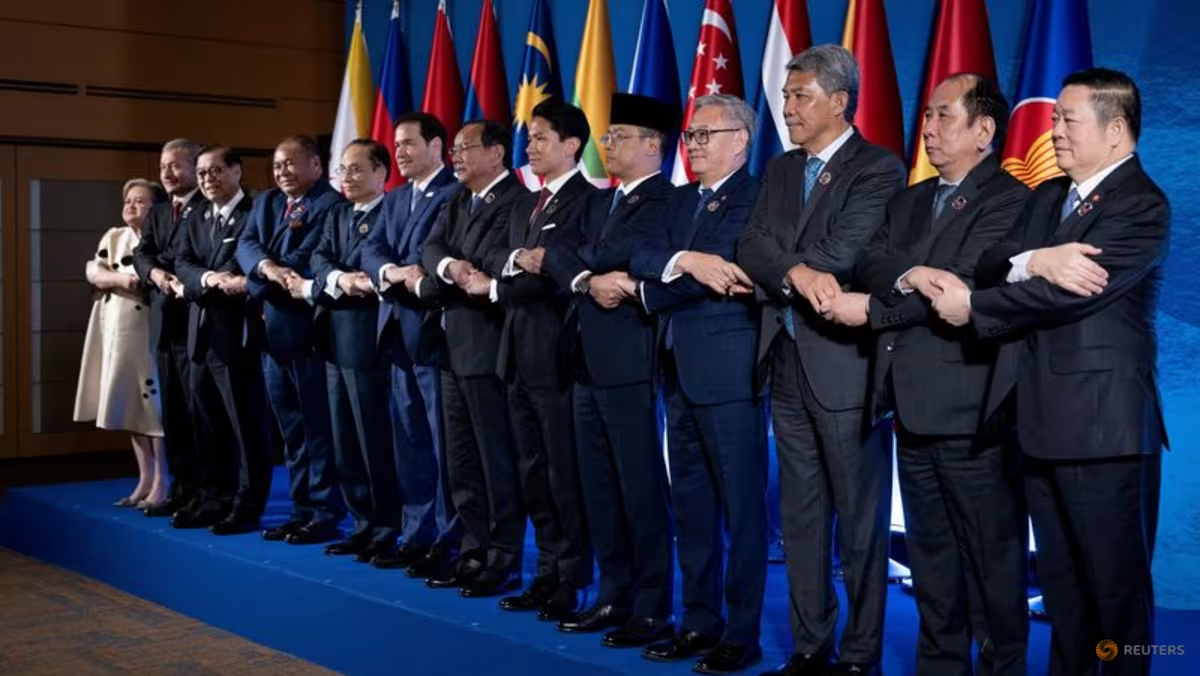
He added that other coastal states also share an interest in upholding a rules-based order at sea and preventing future incidents.“We have seen in recent times a surge in close calls, run-ins and posturing, and this kind of dynamic is very risky,” Pitlo, president of the Philippine Association for Chinese Studies, told CNA’s Asia Tonight.“The stakes are high should an accident occur, and so I think this is one impetus driving the negotiations to conclude the code of conduct.”The latest confrontation came just a week after the Philippines marked the 10th anniversary of the landmark South China Sea arbitral ruling in its favour.Manila has long viewed the ruling as a peaceful and legal avenue for resolving – or at least narrowing – disputes in the South China Sea, said Pitlo, who is also a research fellow at Manila-based think-tank Asia-Pacific Pathways to Progress Foundation.But he stressed that the proposed code of conduct – which aims to establish rules between ASEAN and China to prevent maritime incidents from escalating into crises – would serve “a general shared interest of all”.“It's very important that (Manila and Beijing) continue to talk,” he said. “Because their volatile relations affect not only the security aspect, but also, regrettably, parts of people-to-people exchanges and economics between the two sides.”Pitlo said sustained engagement provides an opportunity “to arrest a downward spiral in the relations, stabilise the volatile South China Sea issue, and at least prevent untoward encounters from reaching a diplomatic crisis”.US-CHINA ENGAGEMENT CONTINUESThe latest flashpoint has cast a shadow over this week’s ASEAN Foreign Ministers' Meeting in Manila, which is also being attended by United States Secretary of State Marco Rubio and Chinese Foreign Minister Wang Yi.The US on Monday condemned China’s “dangerous and aggressive actions” in the South China Sea following the clash with the Philippine Navy.Despite the incident, analysts believe Washington and Beijing will seek to manage their differences without allowing them to derail broader efforts to stabilise ties.On Wednesday, Rubio will meet Wang on the sidelines of the ASEAN gathering.The meeting reflects both sides' intent to keep high-level communication on track despite disagreements, said Lim Tai Wei, a professor at Soka University.“It is an opportune moment where the top diplomats of the two superpowers are in the same place at the same time,” he said, adding that the meeting continues the momentum set when US President Donald Trump and his Chinese counterpart Xi Jinping met in Beijing in May.“There appears to be a reset and stabilisation of the relationship between the two superpowers,” Lim told CNA's East Asia Tonight.“We are quite likely to see this kind of interaction continue, and for these interactions to continue, positive optics must be maintained.”