Southeast Asia’s nuclear push locks countries into long-term strategic alignments, reshaping regional autonomy as major powers compete for influence.
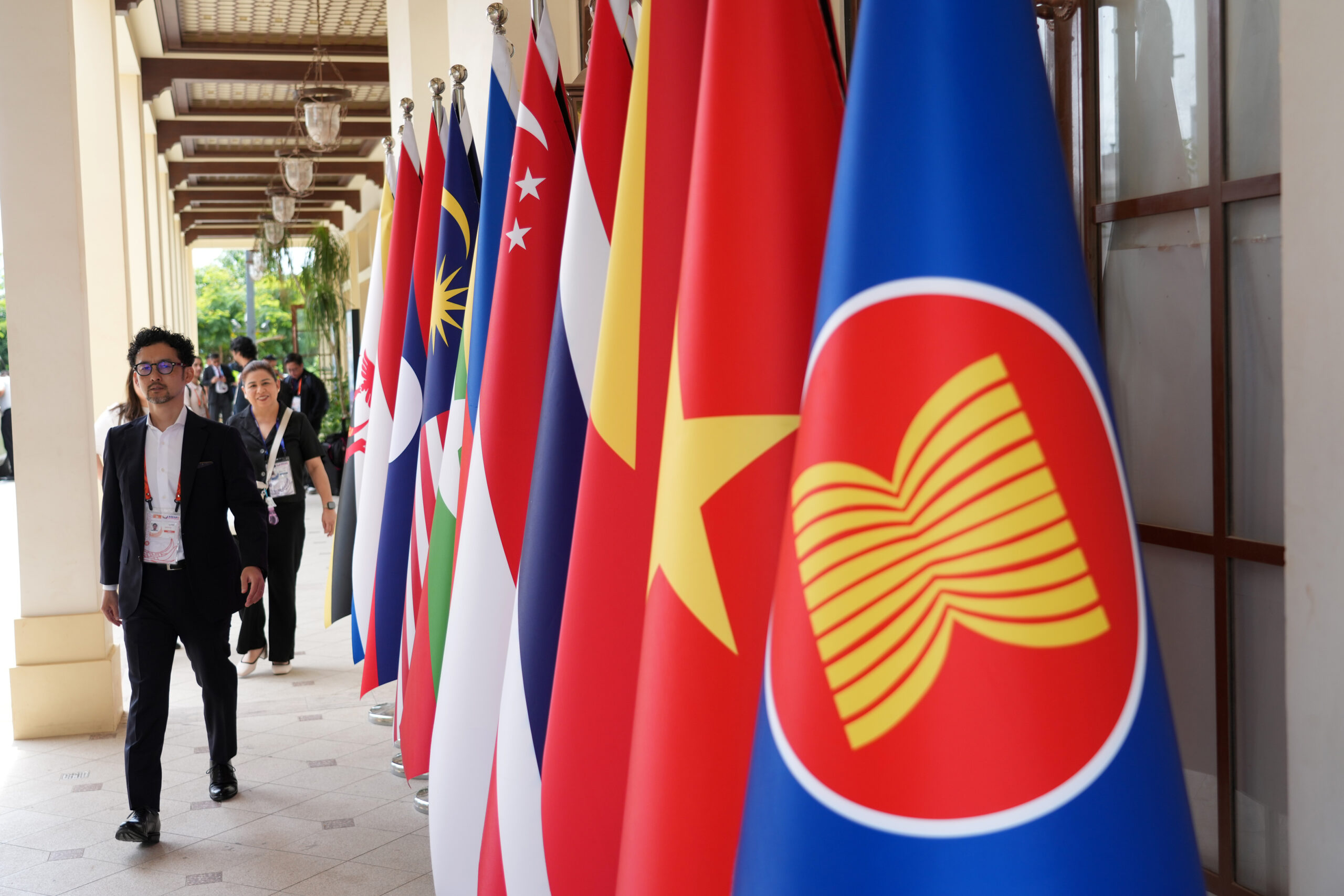
ASEAN nations expands its nuclear power due to rising demands.
Southeast Asia’s nuclear push locks countries into long-term strategic alignments, reshaping regional autonomy as major powers compete for influence.
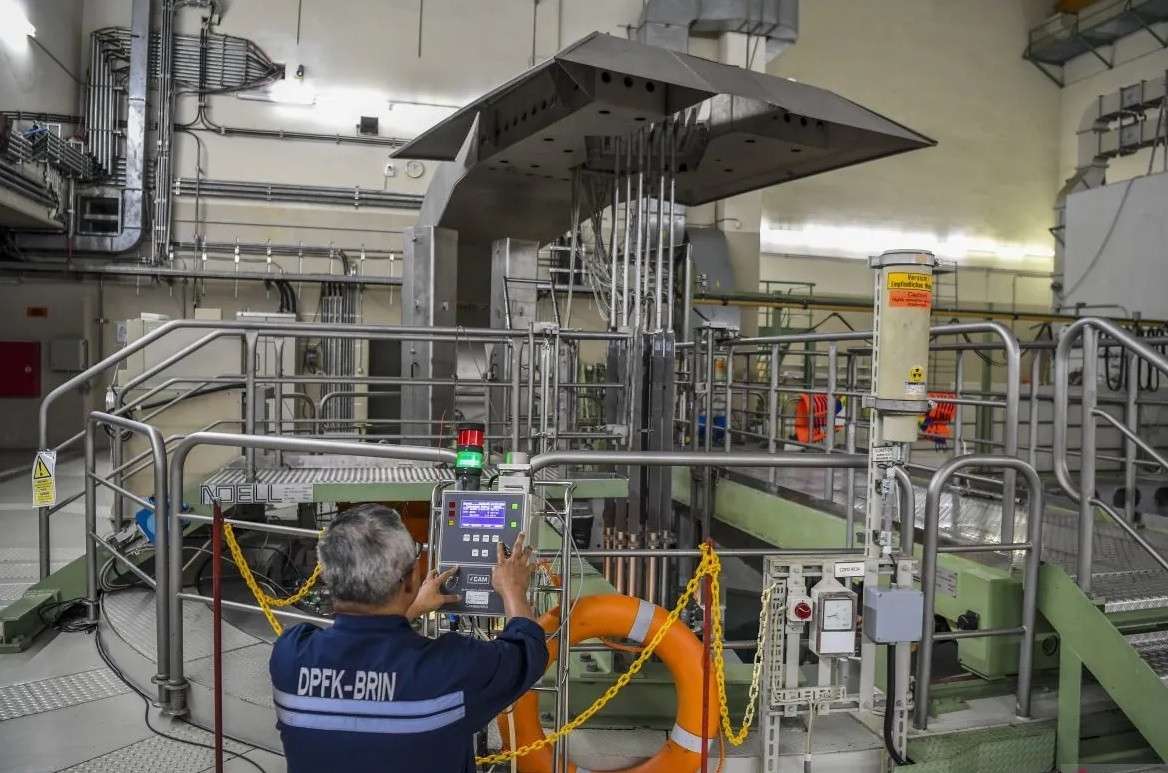
Southeast Asia is quietly entering a nuclear age. Driven by rising electricity demand, net‑zero commitments and concerns over fossil‑fuel volatility, more than half of ASEAN members are now revisiting nuclear power. Vietnam, Indonesia and the Philippines are moving fastest, targeting operational reactors in the early 2030s. Malaysia and Thailand are exploring longer horizons, while others signal interest without timelines.
This renewed momentum is shaped by global shifts: the rise of small modular reactors (SMRs), nuclear energy’s inclusion in green taxonomies, the World Bank’s openness to nuclear financing, and geopolitical disruptions to fossil‑fuel supply chains. But nuclear energy is not just a technical or climate decision. It is a long‑term geopolitical commitment that will shape Southeast Asia’s strategic landscape for decades.