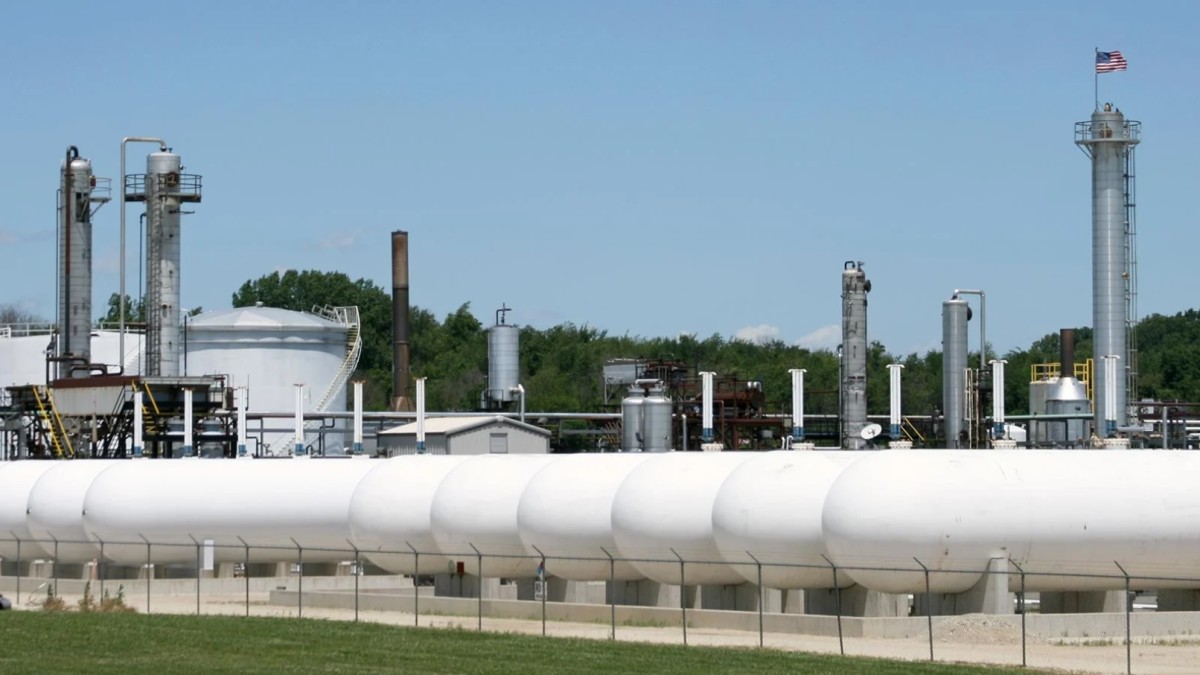
Southeast Asia is entering a defining phase of its energy journey. Recent geopolitical events have made the stakes of this transition painfully clear.The rising tensions around the Strait of Hormuz following the conflict in the Middle East sent Brent crude past US$100 a barrel and caused Asian LNG spot prices to double.
Indonesia is better positioned than many of its neighbors thanks to abundant domestic coal. But the country is far from insulated: a quarter of its crude oil imports and 30 percent of its LPG come from the Middle East, two Pertamina vessels remain stuck in the Strait and Jakarta has been working to redirect crude supply from the United States.
With fuel subsidies budgeted on the assumption of $70 per barrel oil, the fiscal pressure is mounting fast. What was once a long-term policy debate is now an urgent fiscal and energy security challenge.
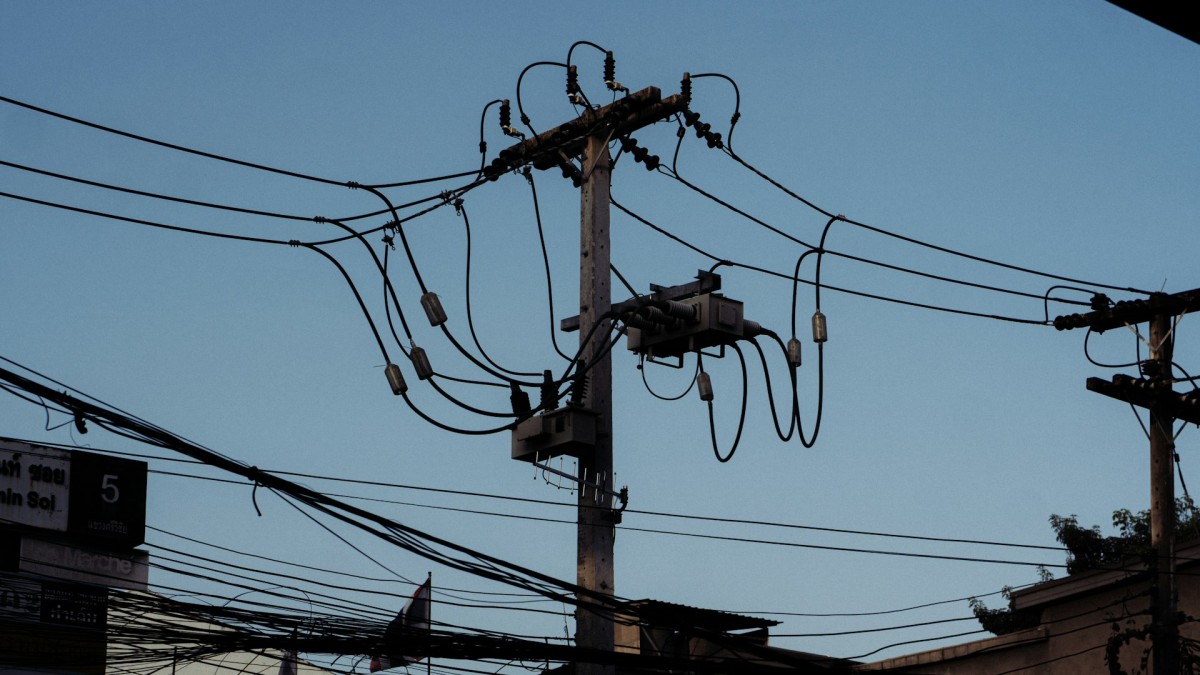
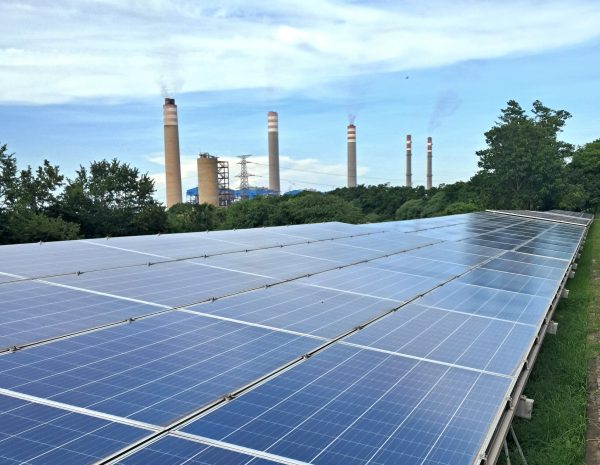
Even before this shock, the numbers were troubling. Regional electricity consumption surged by 24 percent between 2021 and 2025, but 70 percent to 80 percent of that new demand was met by coal and gas.
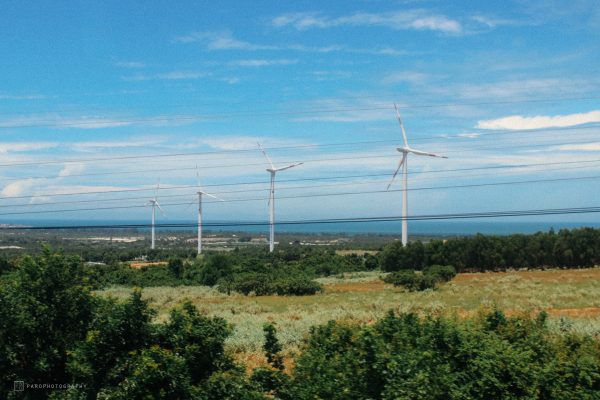
Renewable technologies have become cheaper and more accessible, but they are not seizing a larger share. The reason lies not just in economics, but in market structure.