Report
June 5, 2026 • 4:30 pm ET
Phillip Cornell
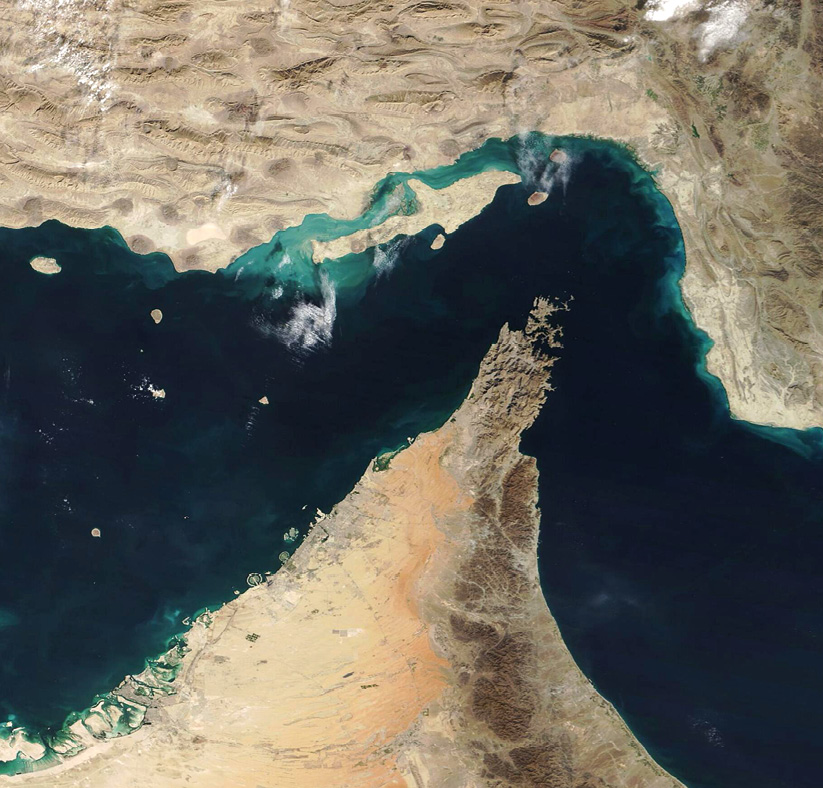
Disruption to traffic from the Gulf is one of the most studied energy security scenarios, and so the scale of exposure is generally well understood. Roughly 20 percent of global oil and a similar share of liquefied natural gas (LNG) trade pass through the strait, making it the most critical chokepoint in the global energy system. In addition, the vast majority of those flows are destined for Asia, with the International Energy Agency (IEA) noting that nearly 90 percent of oil and LNG moving through the strait ultimately serve Asian markets.
The concentration of that exposure shapes how the crisis is unfolding and what is to come. While global benchmarks such as Brent crude capture part of the story, the real impact for emerging markets lies in physical cargo availability, freight costs, insurance premiums, and substitution constraints. These factors interact with domestic vulnerabilities that vary across countries, such as import dependence, limited fiscal space, and power systems that rely on imported fuels.