When the Strait of Hormuz closed in March, ASEAN economies – like many in Asia – faced their biggest energy shock in a decade. Prices across oil products jumped and by late April, the region’s import bill had risen by an estimated $3.36 billion per month.
After another fragile ceasefire agreement has been reached, it is a good time to assess what the shock has revealed about ASEAN’s energy transition. The conflict did not derail the transition but exposed how vulnerable it remains to external disruption and how quickly governments can fall back on fossil fuels when energy security is threatened.
ASEAN is highly dependent on oil and gas imports. Transport draws on oil and gas for close to 90 percent of its energy supply, and oil and gas account for about 31 percent of electricity generation. Roughly 55 percent of ASEAN’s crude oil imports originate in the Middle East. When shipments halted, up to 28 percent of final oil consumption was at direct risk.
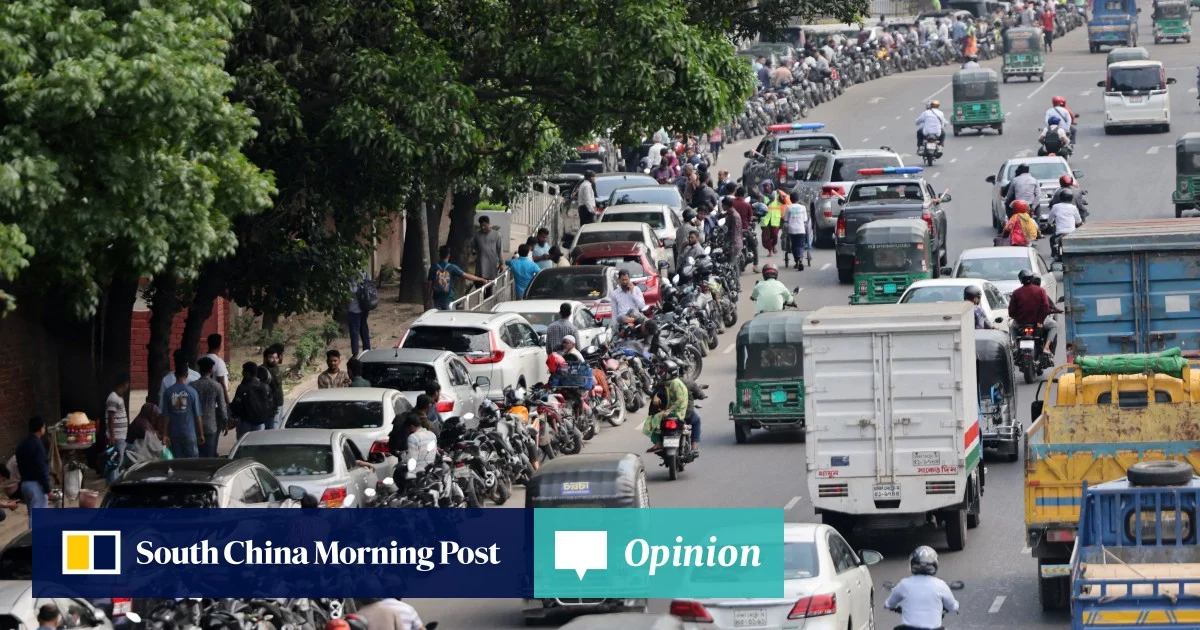
Across the bloc, the immediate response relied heavily on fiscal tools to help consumers. Indonesia controlled fuel prices through the state-owned Pertamina, and Malaysia subsidized petrol and diesel at set quantities per person. The Philippines combined subsidies for transport workers and tax cuts. Thailand used its Oil Fuel Fund and refineries to manage prices. Vietnam allowed flexible fuel pricing, imposed export restrictions and trimmed fuel taxes. Cambodia also cut fuel taxes and diversified imports toward Singapore and Malaysia. Laos managed shortages with emergency imports and rationing.