Academia
As global geopolitical architectures shift, the recent ASEAN-Russia Summit underscores how Southeast Asian nations are fiercely preserving their strategic autonomy to chart a self-determined path toward a multipolar world.
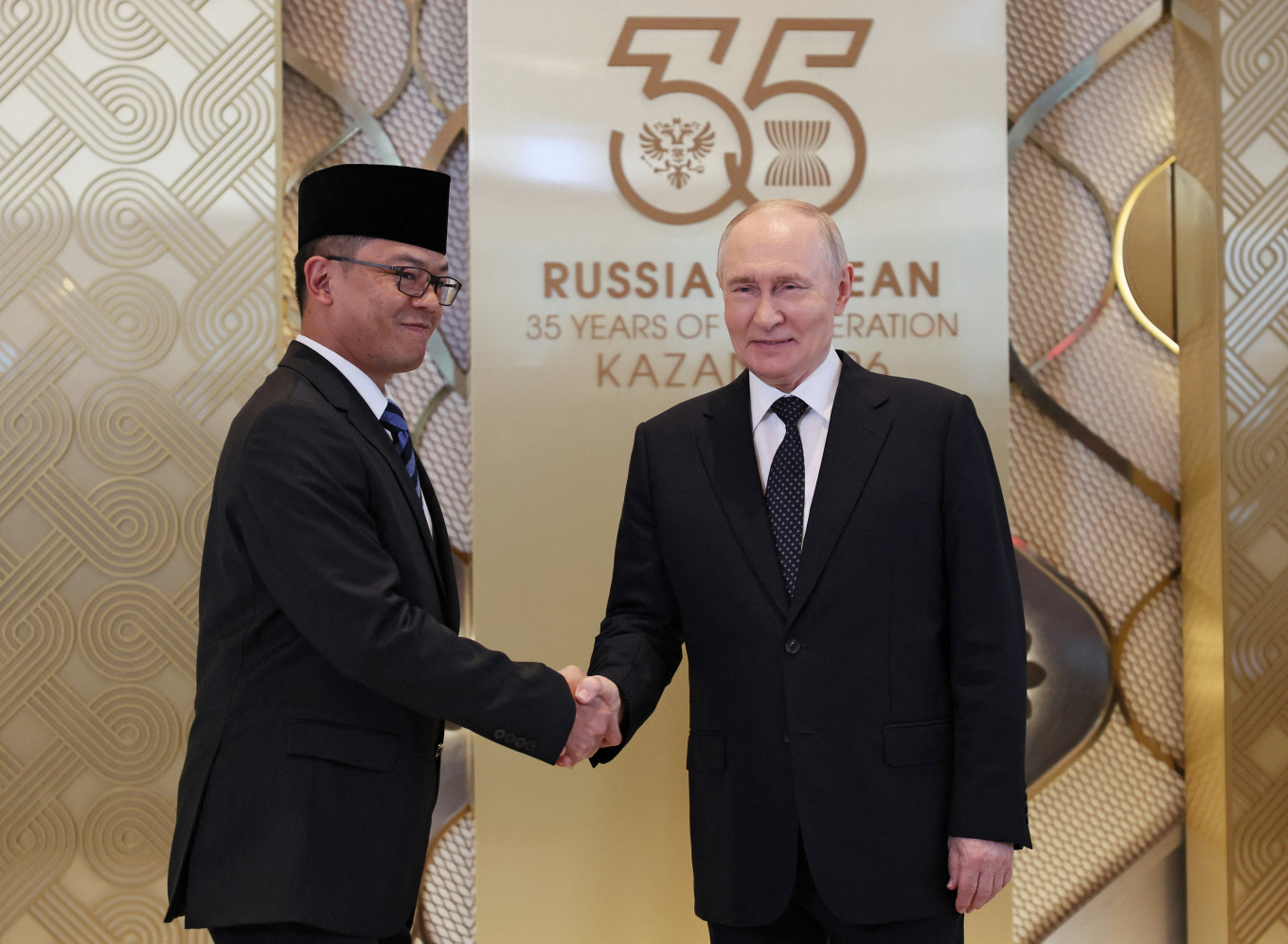
Russian President Vladimir Putin (right) shakes hands with Foreign Minister Sugiono during an official welcoming ceremony for the heads of delegations participating in the Russia-ASEAN Summit in Kazan, Russia, June 17, 2026. (Reuters/Anastasia Barashkova)
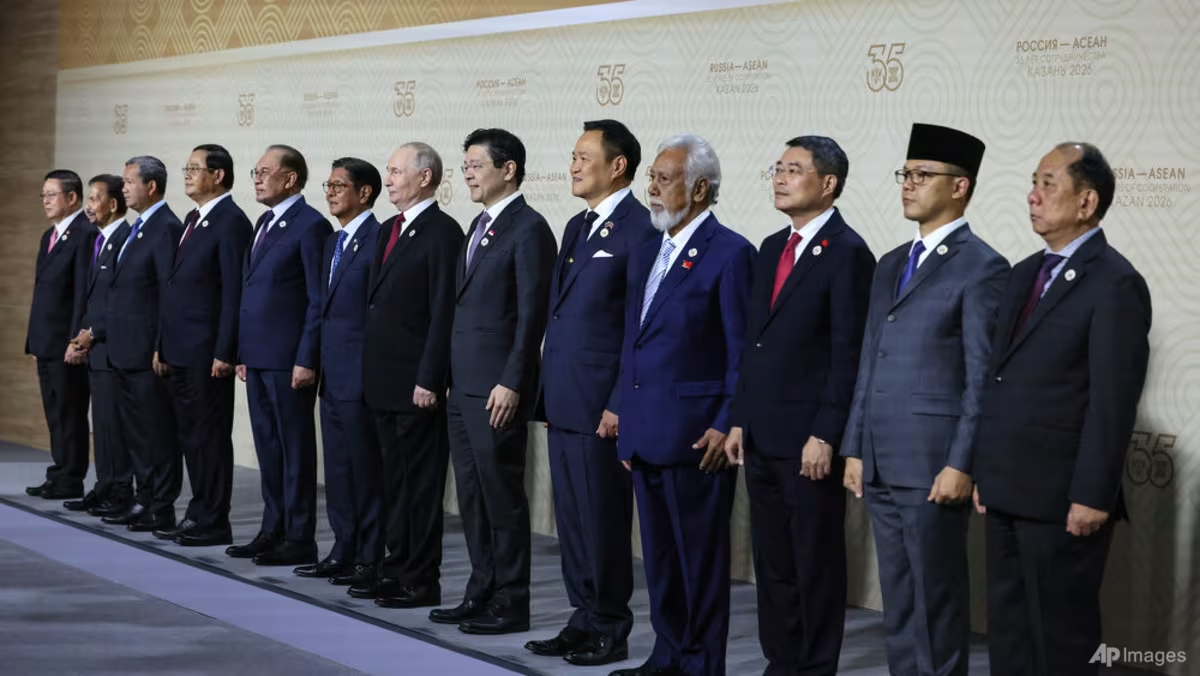
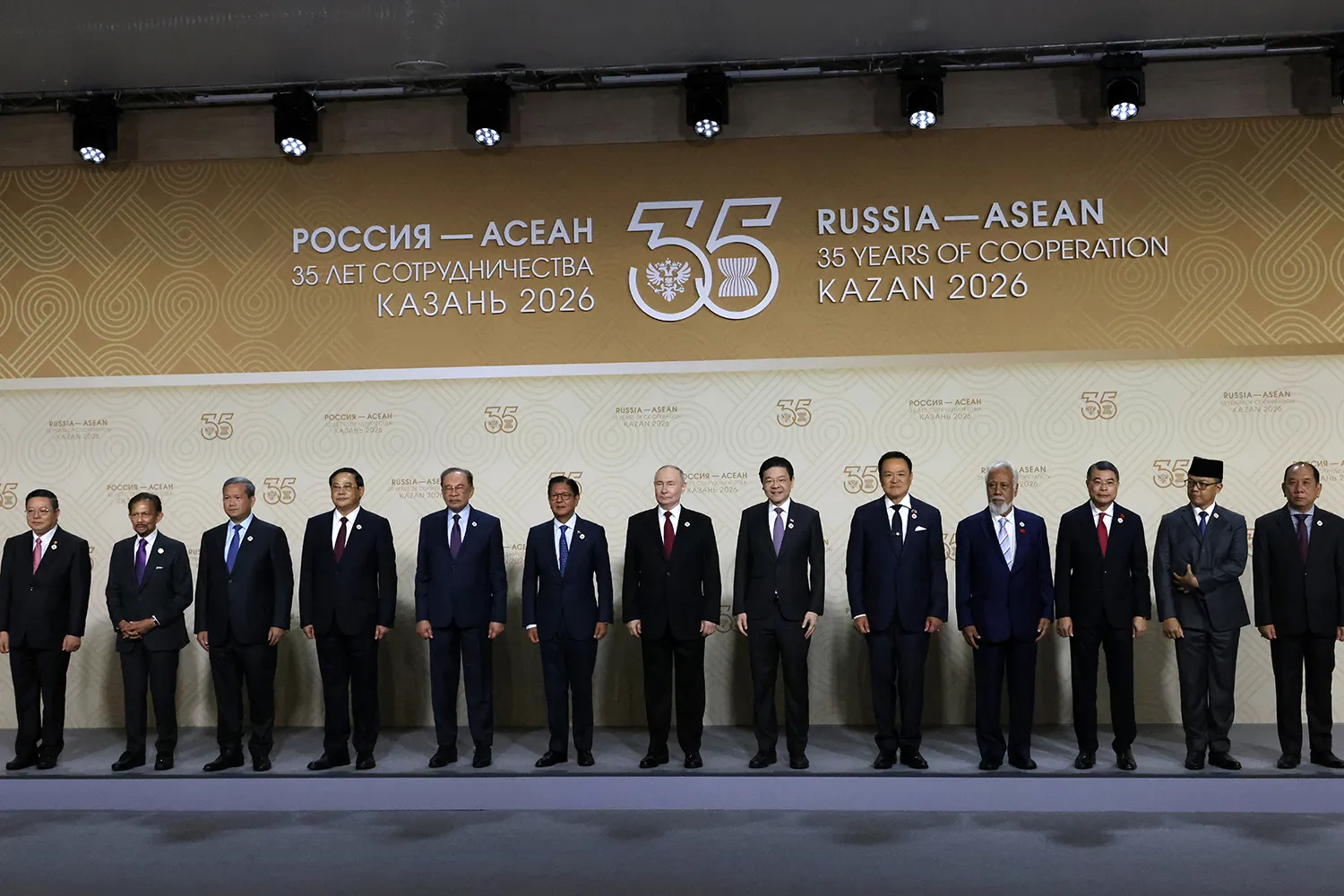
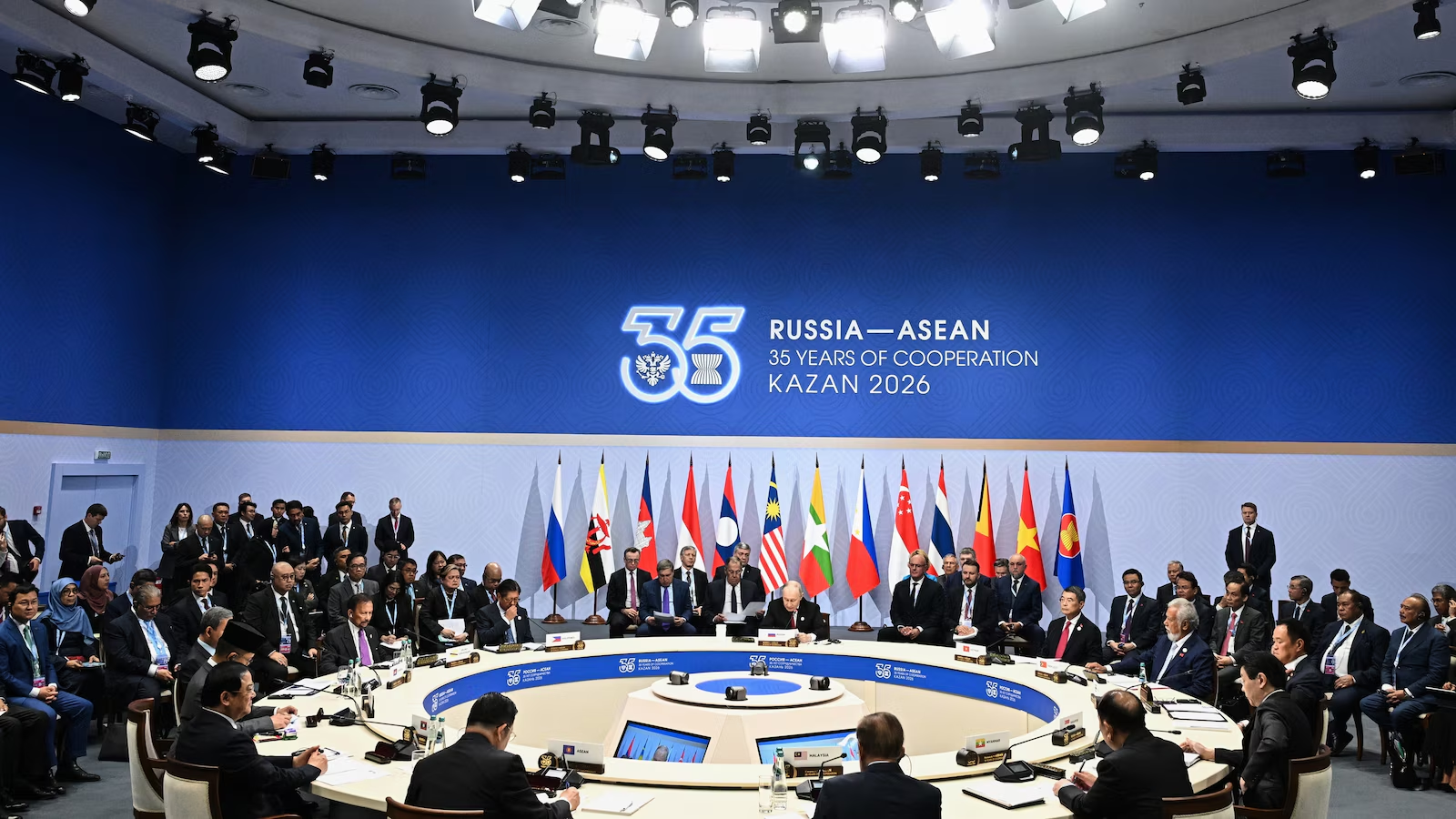
Against the backdrop of increasingly complex global challenges arising from geopolitical and geoeconomic shifts, where international law and the global security architecture are undergoing a profound crisis, ASEAN countries continue to demonstrate a remarkable capacity to preserve their strategic autonomy while their weight as one of the major centers of the emerging multipolar world steadily grows. The commemorative ASEAN-Russia Summit marking the 35th anniversary of our relations, held on June 17–18 in Kazan, became another compelling testament to it.One of the key outcomes of the summit was the Kazan Declaration that reaffirmed ASEAN and Russia’s common aspiration toward a just multipolar world, as well as our friendship, mutual trust and respect, guided by international law, including the United Nations Charter in its entirety. It underscored the unwavering support to ASEAN centrality and articulated the shared vision of a peaceful, stable and secure future of the wider Asia-Pacific, the Indian Ocean and Eurasia region.