Commentary
The significance of the ASEAN-Russia summit lies in the grouping's desire to preserve room for manoeuvre, says an ISEAS - Yusof Ishak Institute academic.
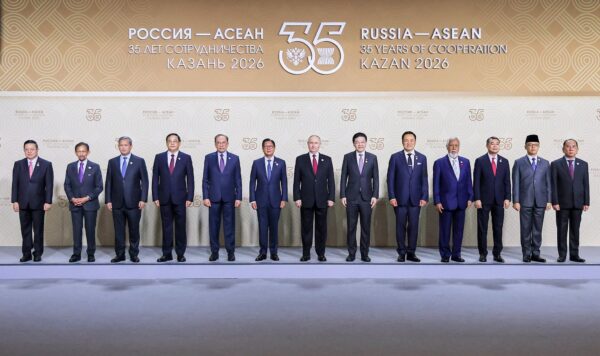
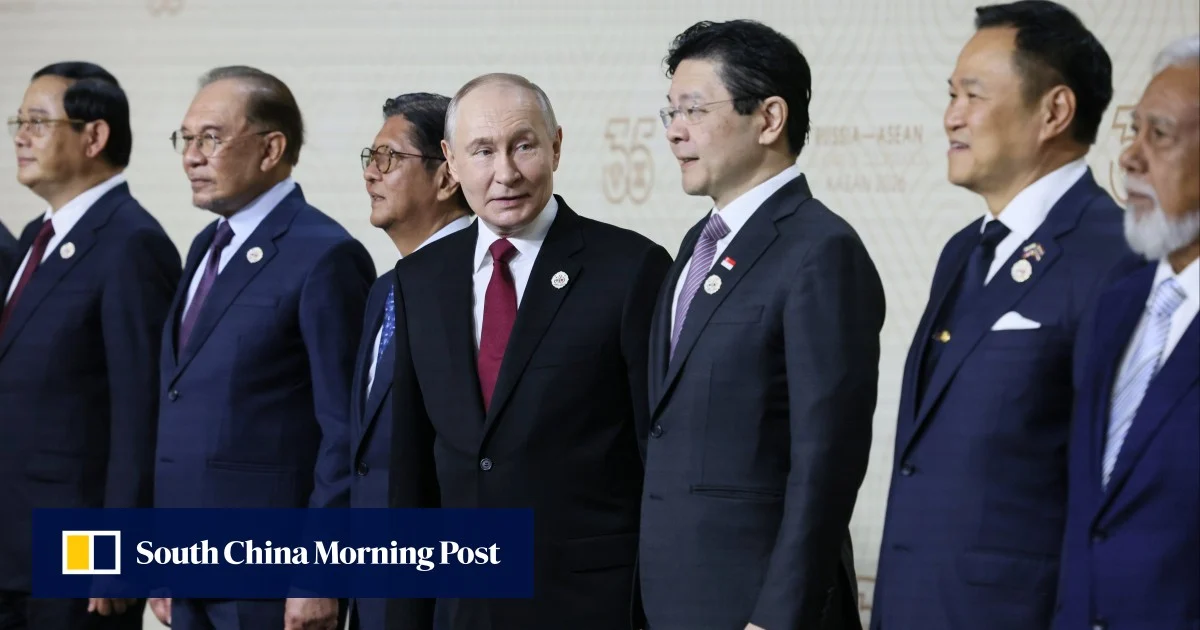
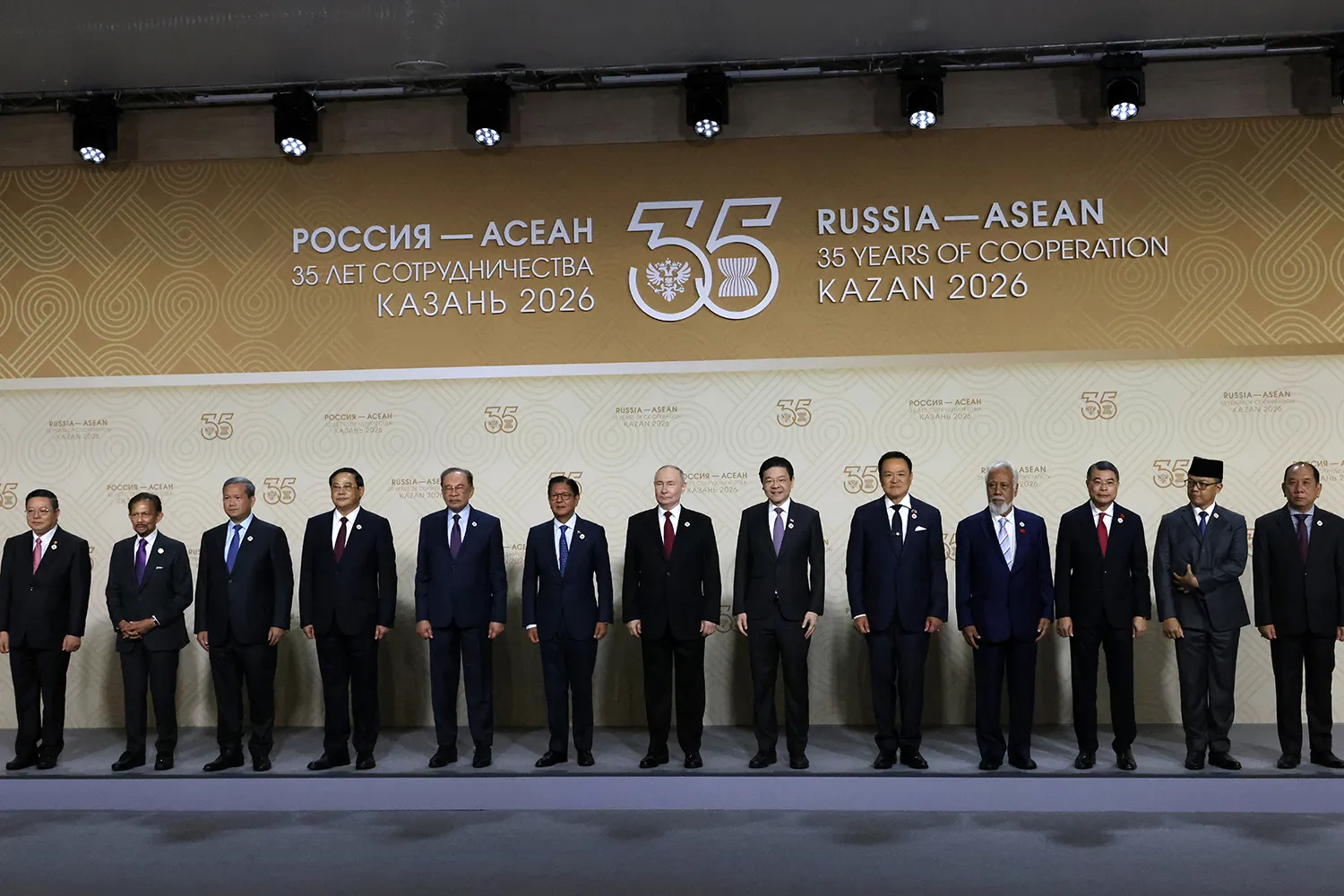
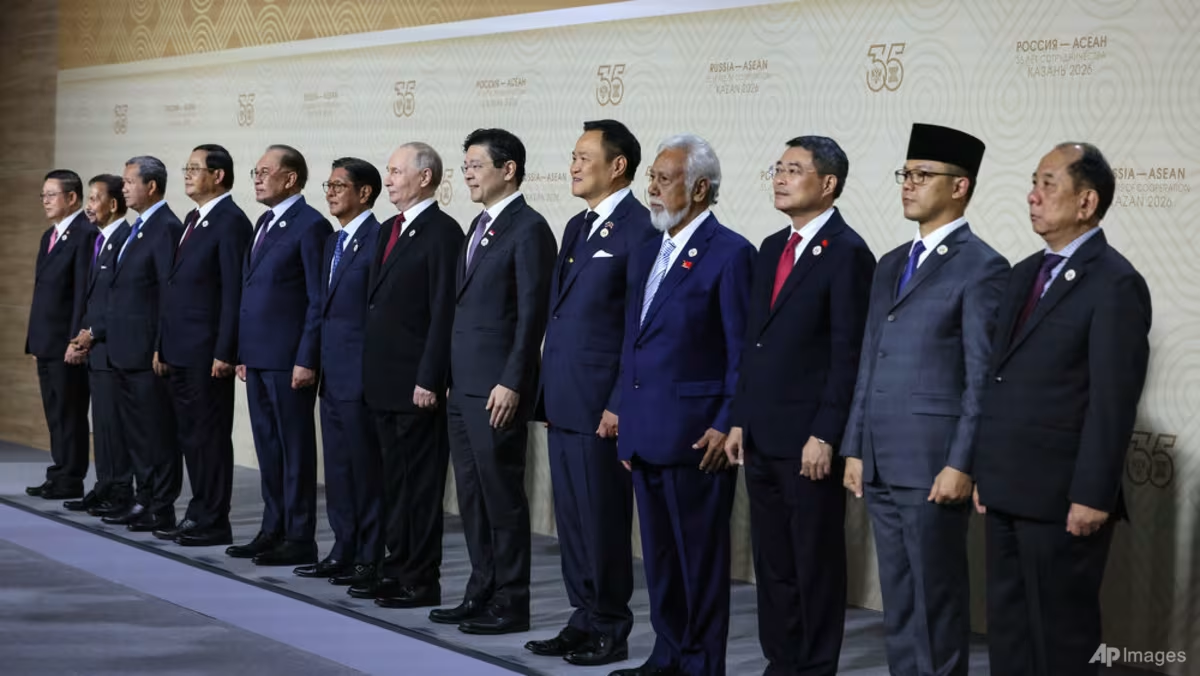
Officials pose for a photo on the sidelines of the Russia-ASEAN summit in Kazan, Russia, Jun 18, 2026. (Mikhail Metzel, Sputnik, Kremlin Pool Photo via AP)
24 Jun 2026 05:58AM
SINGAPORE: The images from the southwest Russian city of Kazan will be hard to dismiss as routine anniversary diplomacy. Nine ASEAN heads of state or government gathered with President Vladimir Putin from Jun 17 to Jun 18 for a high-level meeting, with only Indonesia and Myanmar represented below the leader level.The summit marks 35 years of ASEAN-Russia relations, but the strength of the turnout lends political significance to the occasion.Coming on the heels of the G7 summit, Kazan offers a revealing contrast in how different groupings are dealing with Russia. While the G7 emphasised pressure and accountability over Russia’s 2022 invasion of Ukraine, ASEAN is opting to keep channels open with a politically inconvenient partner. This is not a tilt towards Moscow, but a demonstration that Southeast Asia will set the terms of its own external relationships.This instinct has become more pronounced as the international environment grows less predictable. Uncertainty over US policy and disruptions to trade, energy and supply chains have strengthened ASEAN’s desire to diversify its list of partnerships. Russia may remain a secondary player in Southeast Asia, but closing another door makes little strategic sense at a time when the region needs more options, not fewer.