The robust demand for semiconductors and products related to artificial intelligence will remain the key growth driver for the East Asian and Southeast Asian regions, keeping their economies resilient even amid the economic fallout from an escalating Middle East conflict, a regional think tank said.
The regional GDP growth of the members of the Association of Southeast Asian Nations and three East Asian economies is expected to grow by 4.1 percent in 2026, while headline inflation is projected at 1.6 percent, the ASEAN+3 Macroeconomic Research Office said in its latest ASEAN+3 Regional Economic Outlook on July 27.
Growth in ASEAN is projected to ease to 4.8 percent in 2026, from 4.9 percent in 2025. The three East Asian economies — China, Japan, and South Korea — are expected to grow this year by 4.5 percent, 0.6 percent, and 3.1 percent, respectively.
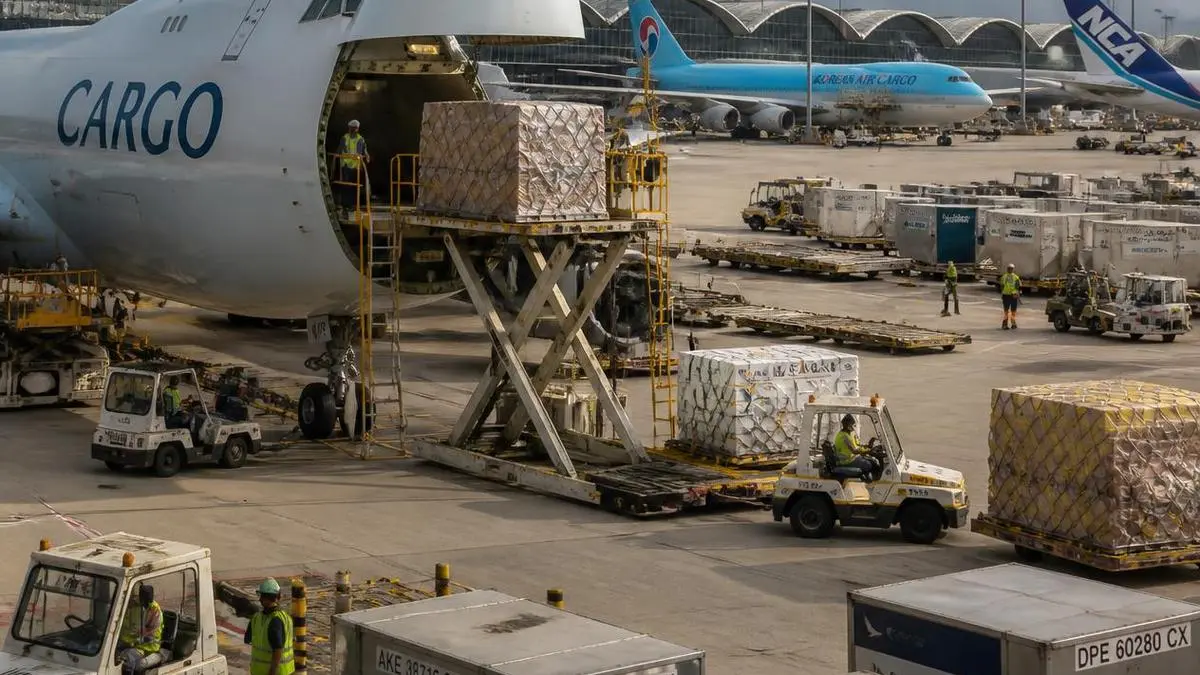
According to AREO, ASEAN+3 export growth accelerated to almost 20 percent in the first quarter, thanks mostly to exports of AI-enabling products. Capacity constraints linked to AI infrastructure investment have boosted global semiconductor sales.
"The drag from the Middle East conflict has been more contained than we anticipated," Allen Ng, AMRO's lead economist, said during a webinar.