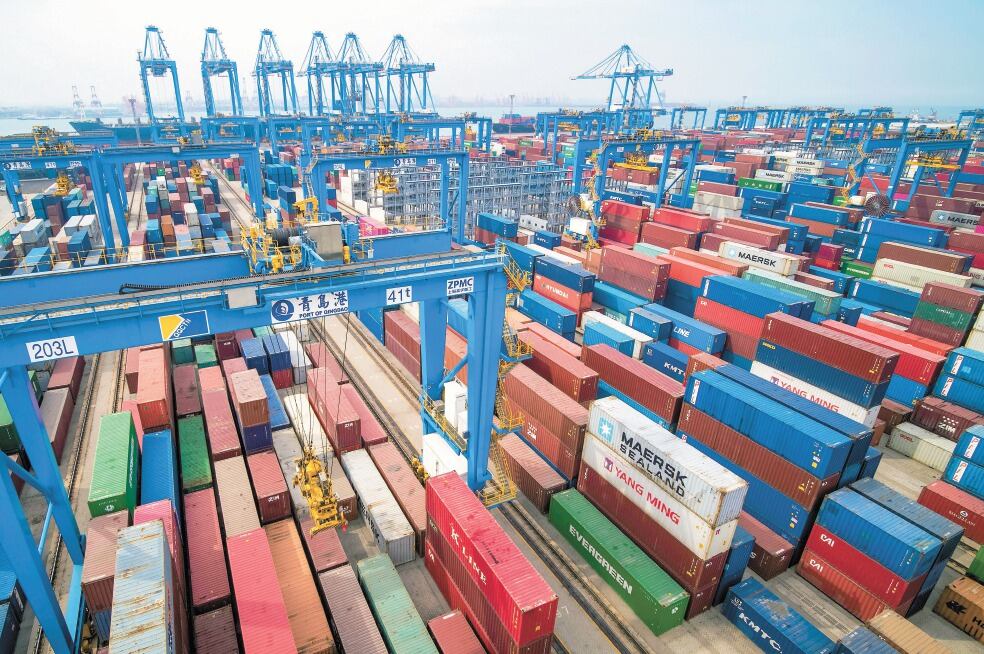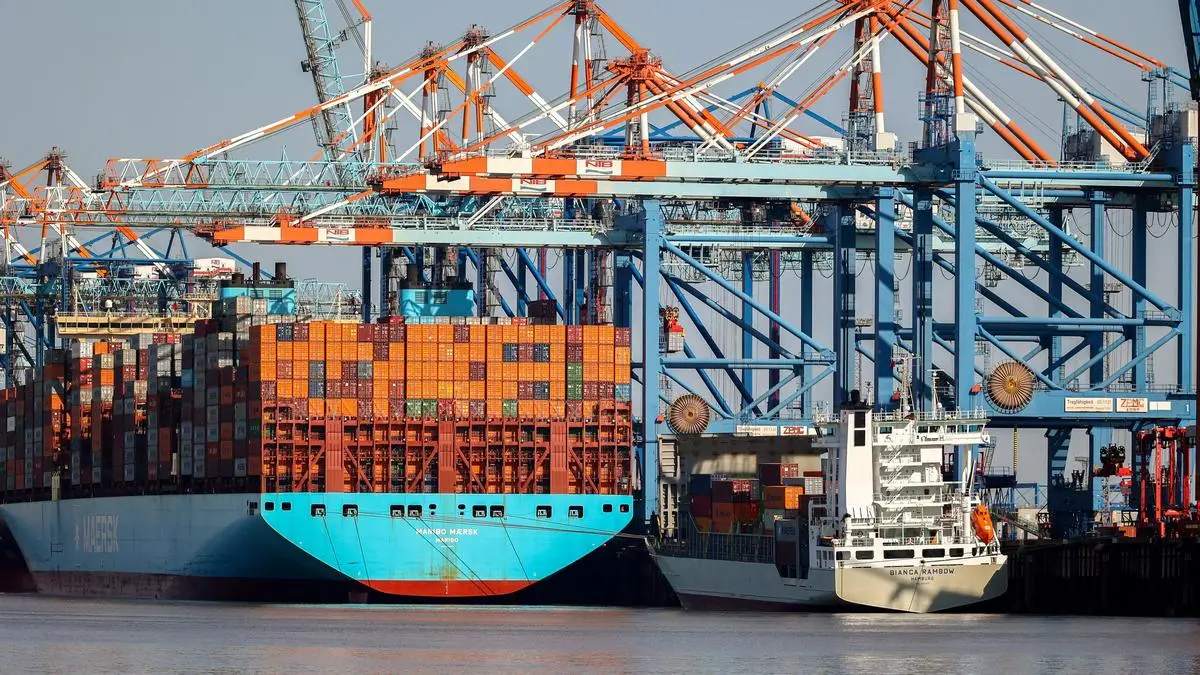
Asia emerged as the main engine of global trade growth, with exports rising 12.9 per cent and imports 14.6 per cent y-o-y
Global trade in goods grew faster than expected in the first quarter of 2026 despite the outbreak of the West Asia conflict, as booming trade in artificial intelligence (AI)-related electronic components offset the negative impact of the disruptions which began in the final month of the quarter, the World Trade Organisation (WTO) said on Friday.The WTO, however, cautioned that the full impact of the conflict, including the disruption of shipping through the Strait of Hormuz, would only become visible in second-quarter trade data, with much steeper contractions expected in trade flows involving the Middle East/West Asia.“The effects of the Strait of Hormuz disruption on world merchandise trade is expected to become visible primarily in data from April 2026 onward,” the report said.World merchandiseAccording to recent WTO/UNCTAD data, the seasonally adjusted volume of world merchandise trade rose 1.9 per cent in the first quarter of 2026 compared to the previous quarter and 3.2 per cent (exceeding the earlier forecast of 1.9 per cent).“Strong trade in electronic components related to AI outweighed the negative effects of the outbreak of war in the Middle East, including disrupted shipments of goods through the Strait of Hormuz and dampened GDP growth in net fuel-importing countries due to higher energy prices,” the report noted.WTO economists expect to see larger contractions in Middle East trade flows by the end of the year together with stronger growth in Asia and North America. “The global impact, meanwhile, will depend on whether it will be the AI boom or the Middle East conflict that predominates,” the report stated.Heavy tollThe conflict has already taken a heavy toll on Middle East/West Asia trade, it noted. The region’s merchandise export volumes fell 9.7 per cent y-o-y in the first quarter, while imports declined 11.9 per cent. WTO estimates based on available reporting country data also showed world crude oil imports from the Middle East/West Asia falling by around 45 per cent in March, with imports of liquefied natural gas (LNG) and fertilisers declining 52 per cent and 26 per cent, respectively.The WTO expects even larger contractions in the region’s trade during the second quarter as the disruption to shipping and energy supplies is more fully reflected in official statistics.Asia emerged as the main engine of global trade growth, with exports rising 12.9 per cent and imports 14.6 per cent y-o-y. The expansion was led by strong intra-regional trade in AI-related goods, with China, Singapore, South Korea, Thailand and Chinese Taipei recording particularly strong export growth.North America’s first quarter exports were up 7 per cent y-o-y. North American imports were down 10.7 per cent from the first quarter of 2025, which saw a surge of imports due to front loading ahead of expected tariff increases.Published on July 31, 2026