The numbers in Asia just keep getting bigger and bigger.
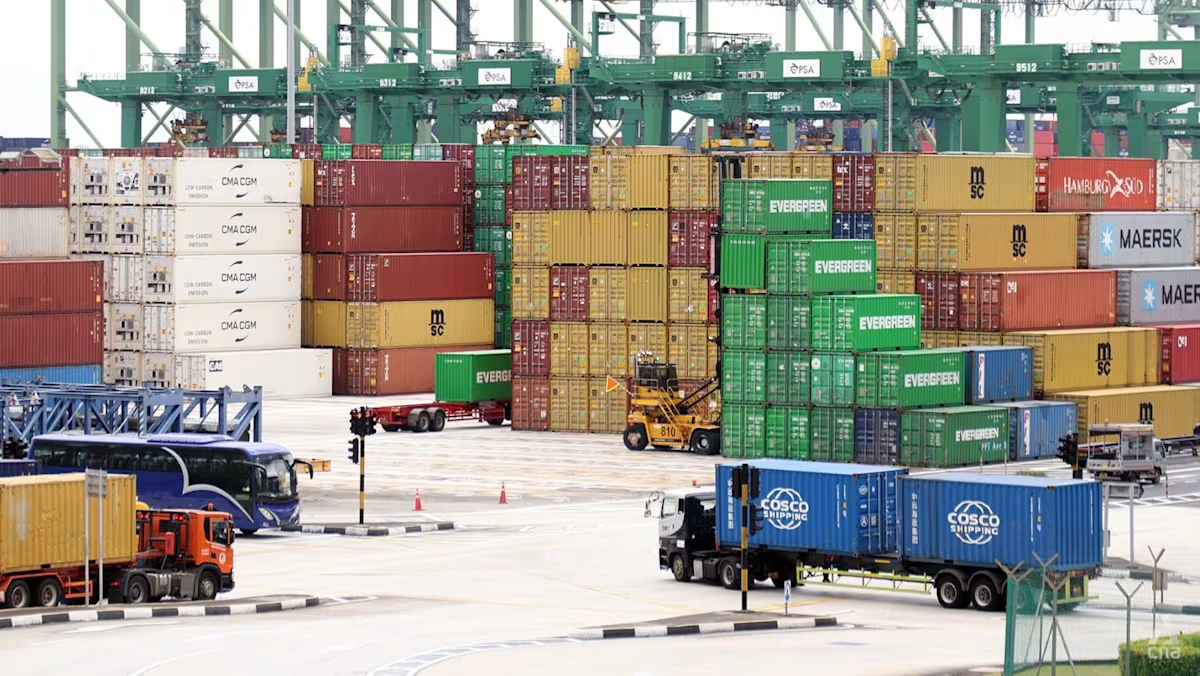
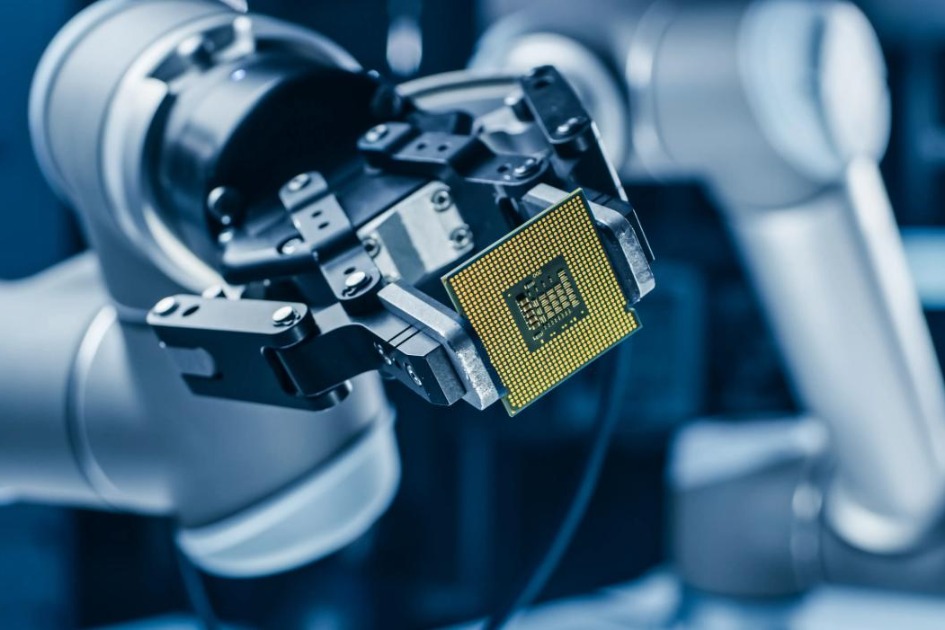
Taiwan is on track for its first year of double-digit GDP growth since 2010, thanks to surging demand for AI hardware exports. It’s not the only economy reporting surging growth and export numbers. Japan, Malaysia, Singapore and mainland China all reported over 20% growth in exports in July. Exports from South Korea, home to chipmaking giants SK Hynix and Samsung, surged by more than 60%. Second-quarter GDP growth also beat expectations in economies like Singapore, Hong Kong and Taiwan, thanks to electronics exports.
Equity markets, too, are experiencing the AI boom. Shares in both chipmaker ChangXin Memory Technologies and robot manufacturer Unitree surged more than 450% on their first days of trading, on July 27 and August 19 respectively. Japan’s Nikkei 225 and Thailand’s SET index are both up around 25% for the year; even after recent declines, South Korea’s KOSPI is almost 60% higher year-to-date.
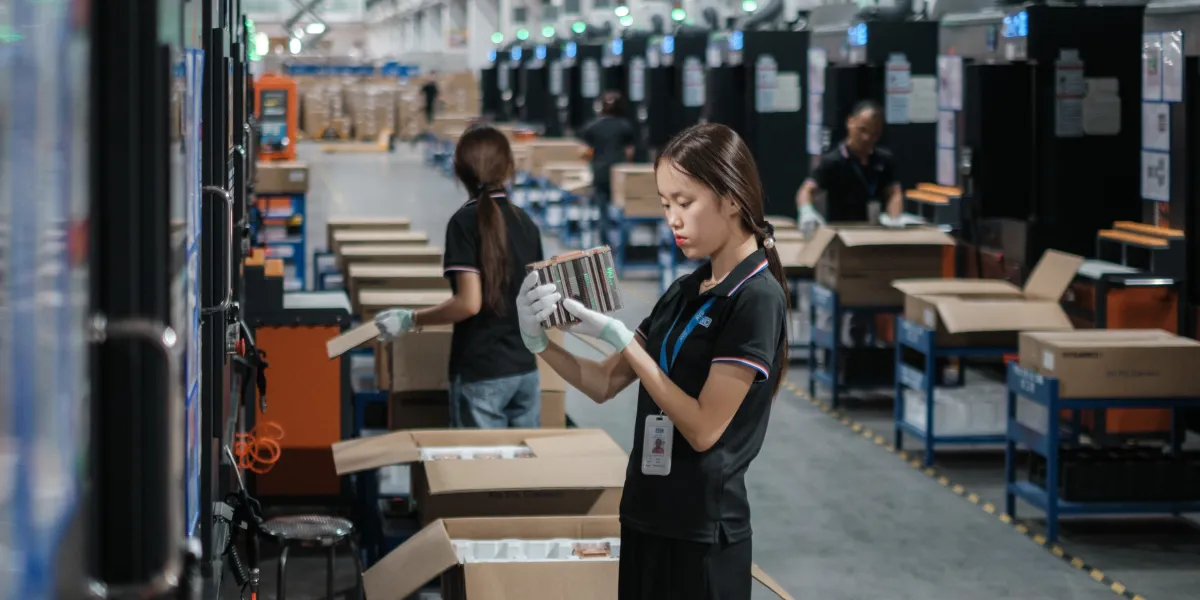
Yet economists who study the region are worried that AI’s gains won’t be evenly shared across Asia—and that for Southeast Asia’s economies, which sit on the lower end of the value chain, the boom could be more of a “short-term blip.”