Economies like South Korea, Japan, and Taiwan are cementing their position as the hardware engines behind the AI boom. Southeast Asia, on the other hand, is playing catch-up.
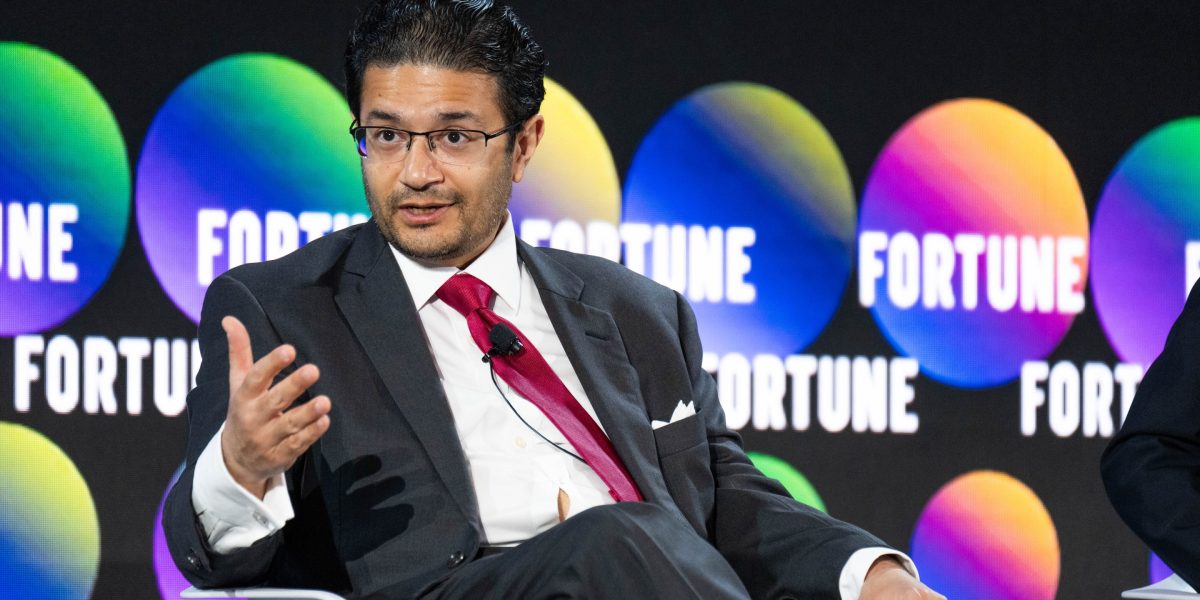
“Despite all the talk about FDI, Southeast Asia has not really moved up the value chain,” Edward Lee, Standard Chartered’s chief economist and head of FX for ASEAN and South Asia, tells Fortune. Southeast Asia contributes just 6% of global intermediate manufacturing, compared with 15% for China.
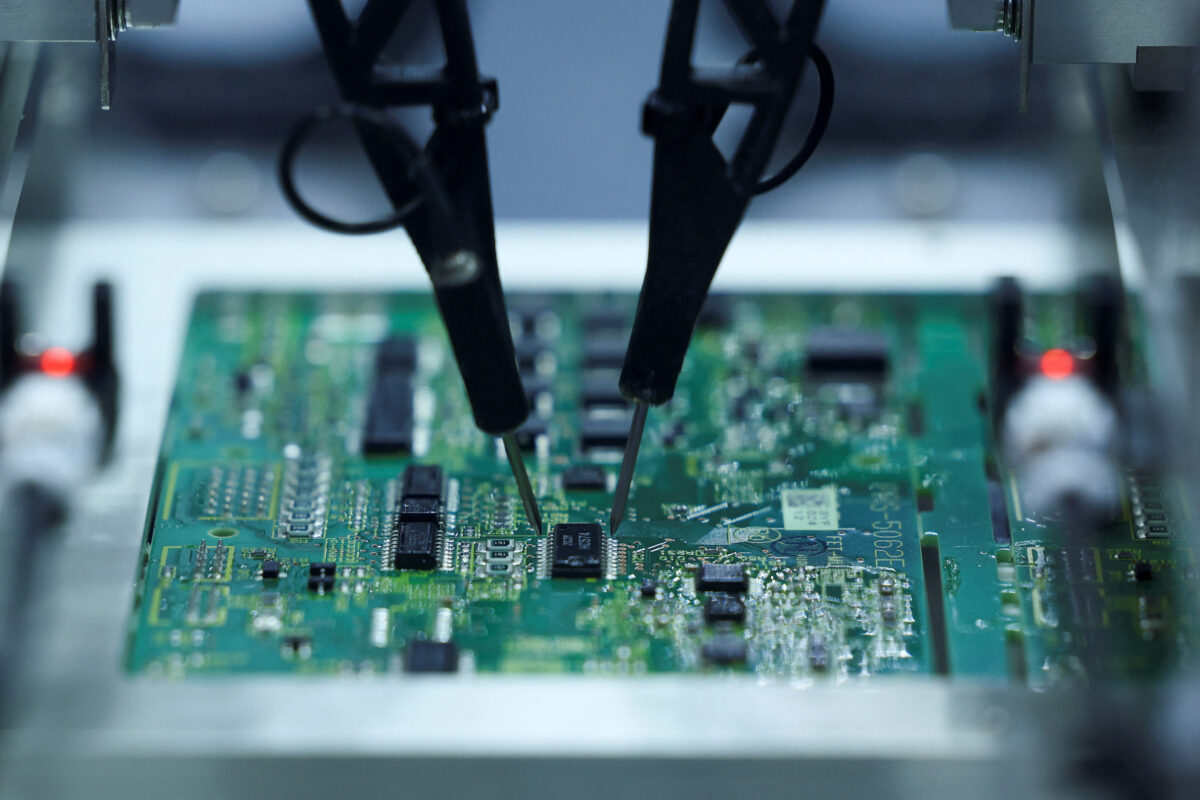
Surging demand for AI processors, and the components that go into them, is creating a windfall for companies in the AI supply chain, like Taiwan Semiconductor Manufacturing Company (TSMC), Samsung Electronics, and SK Hynix. On July 16, TSMC reported 707 billion New Taiwan dollars ($22 billion) in quarterly profit, a 77% jump year-on-year and significantly beating analyst expectations.
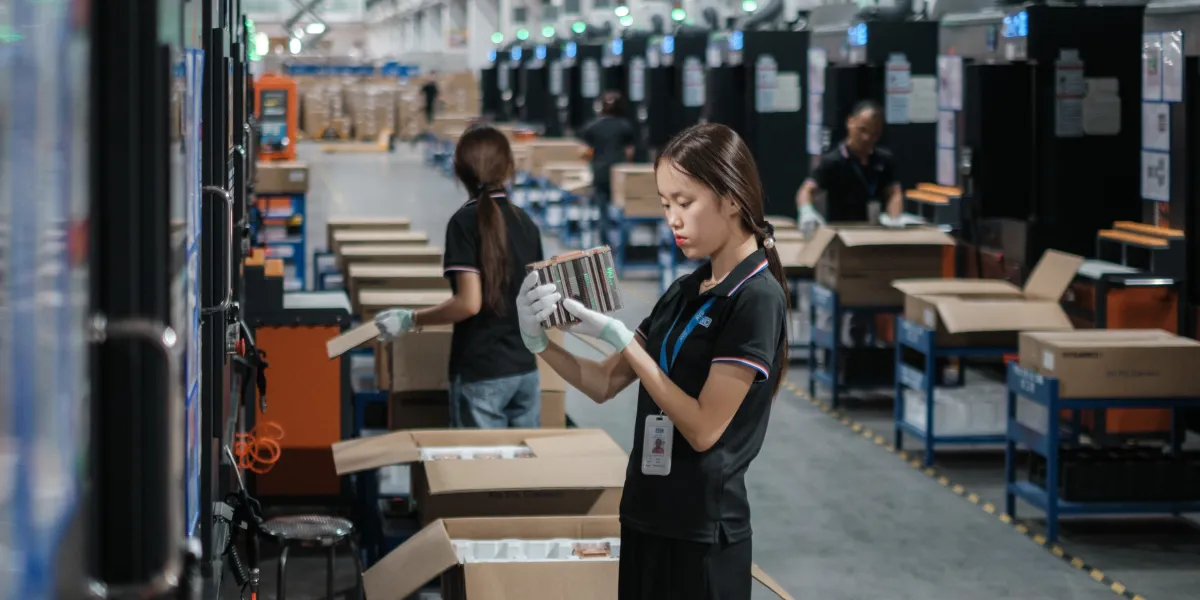
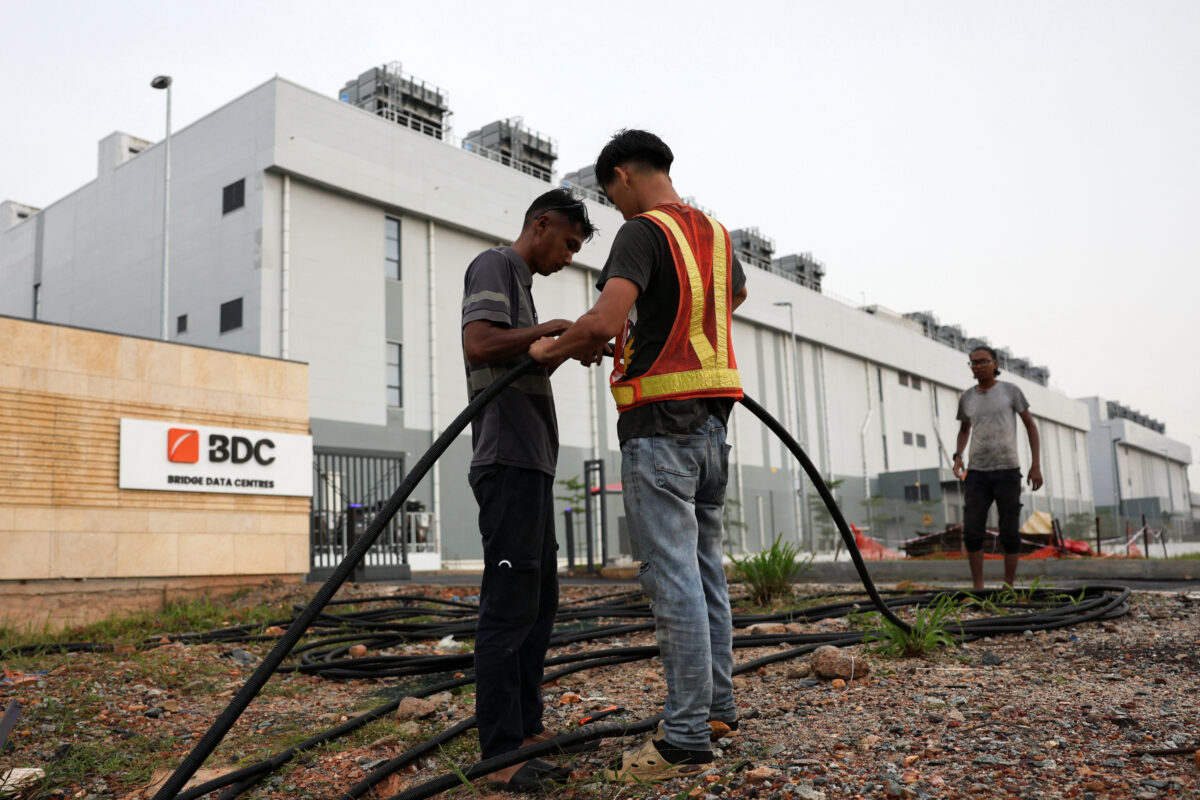
Southeast Asia is present in the AI supply chain: Singapore produces semiconductors, while Malaysia is involved in chip assembly, packaging, and testing. Both Malaysia and Thailand also help assemble AI servers. Even so, the AI sector in Southeast Asia is significantly smaller than in North Asia, home to the leading semiconductor companies, AI server assemblers, and decive component manufacturers.